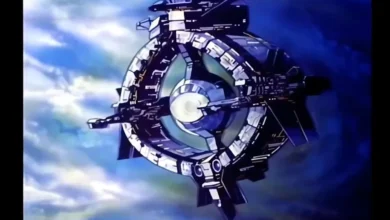
Blade Runner 2099 heralds a new era of dominance for synthetic life in the iconic cyberpunk franchise

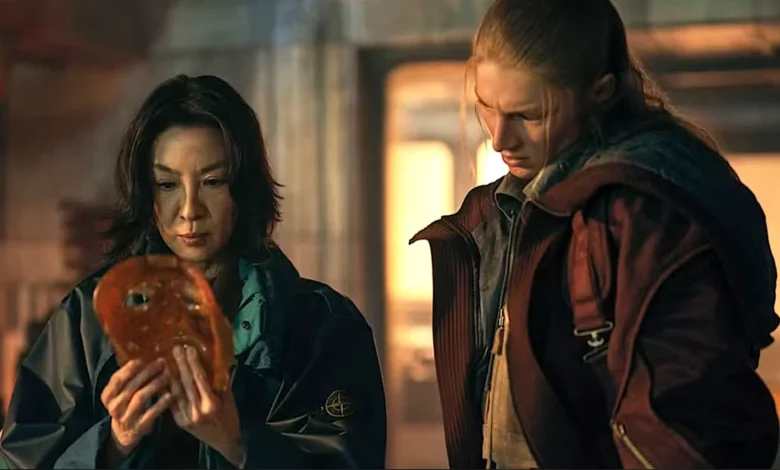
The arrival of Prime Video’s Blade Runner 2099 on November 25, 2026, marks a seismic shift in one of science fiction’s most enduring universes. By recontextualizing the power dynamics established in the 1982 original film and its 2017 successor, the series posits a future where the artificial has superseded the organic. In this narrative, the subservient "replicants" of previous iterations have emerged as the dominant species on Earth, relegating humanity to a precarious existence as second-class citizens following a global, cataclysmic uprising.
A Legacy Defined by Dystopian Evolution
To understand the weight of this new chapter, one must examine the lineage of the Blade Runner intellectual property. The franchise began with Philip K. Dick’s 1968 seminal novel, Do Androids Dream of Electric Sheep?, which explored the blurred lines between consciousness and machinery. Ridley Scott’s 1982 film, Blade Runner, solidified the aesthetic of the "tech-noir" genre, introducing audiences to the smog-choked, neon-drenched streets of Los Angeles. Decades later, Denis Villeneuve’s Blade Runner 2049 expanded the world-building, delving deeper into the ethics of bio-engineering and the existential crisis of artificial life.
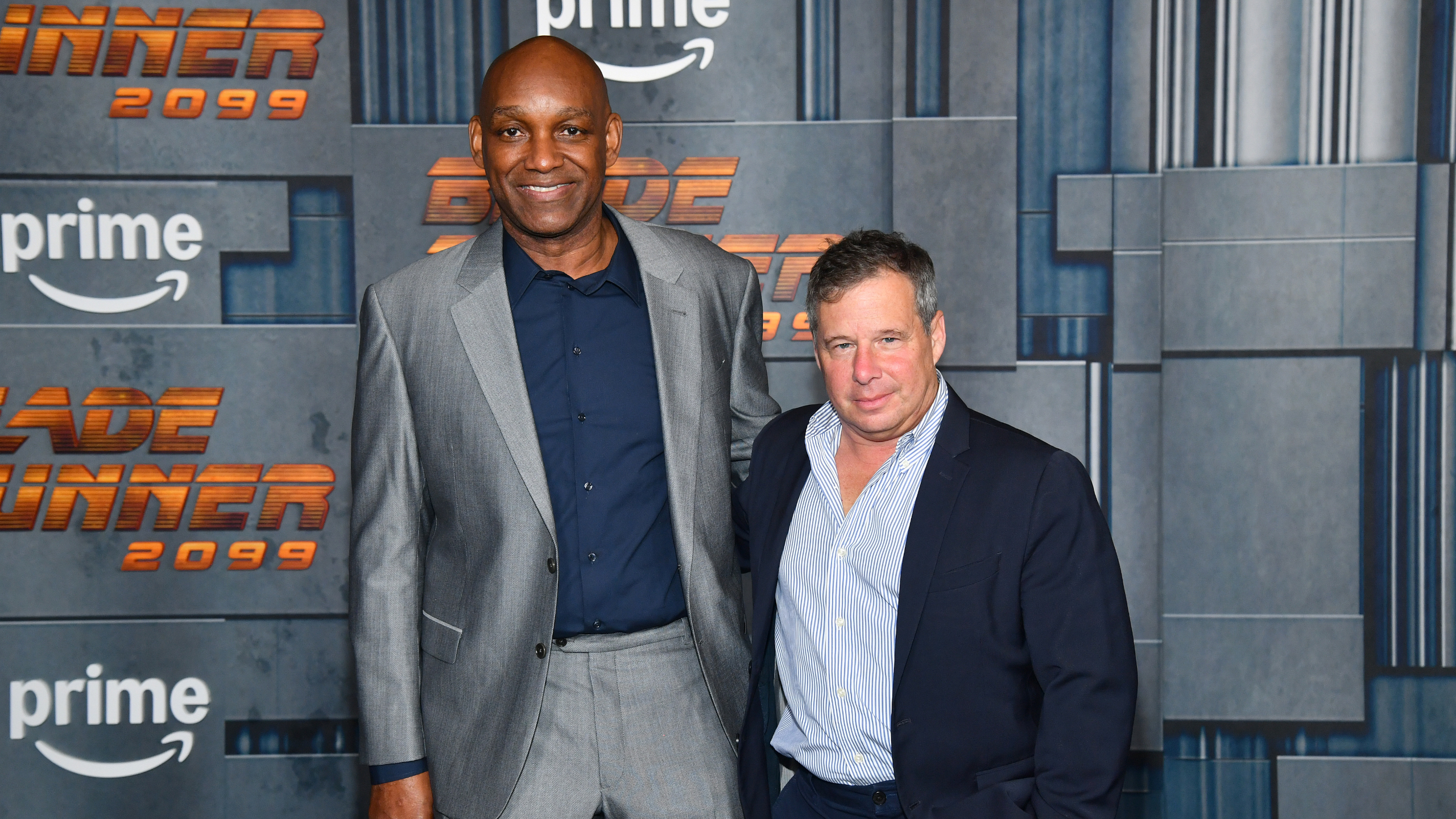
Blade Runner 2099, spearheaded by creator and showrunner Silka Louisa, serves as both a continuation and a subversion of this established canon. The production, which features high-profile talent including Michelle Yeoh and Hunter Schafer, is backed by Alcon Entertainment founders Andrew Kosove and Broderick Johnson, in collaboration with Ridley Scott’s own production banner, Scott Free Productions.
Chronology of the Blade Runner Universe
The franchise has maintained a distinct timeline, carefully curated to reflect the evolution of its technological themes:
- 1968: Publication of Philip K. Dick’s Do Androids Dream of Electric Sheep?.
- 1982: Ridley Scott releases the original Blade Runner, set in a dystopian 2019.
- 2017: Denis Villeneuve releases Blade Runner 2049, set 30 years after the events of the original.
- 2026: Prime Video debuts Blade Runner 2099, moving the timeline into a future where the social order has been entirely inverted.
Narrative Shift: The Rise of the Synthetic
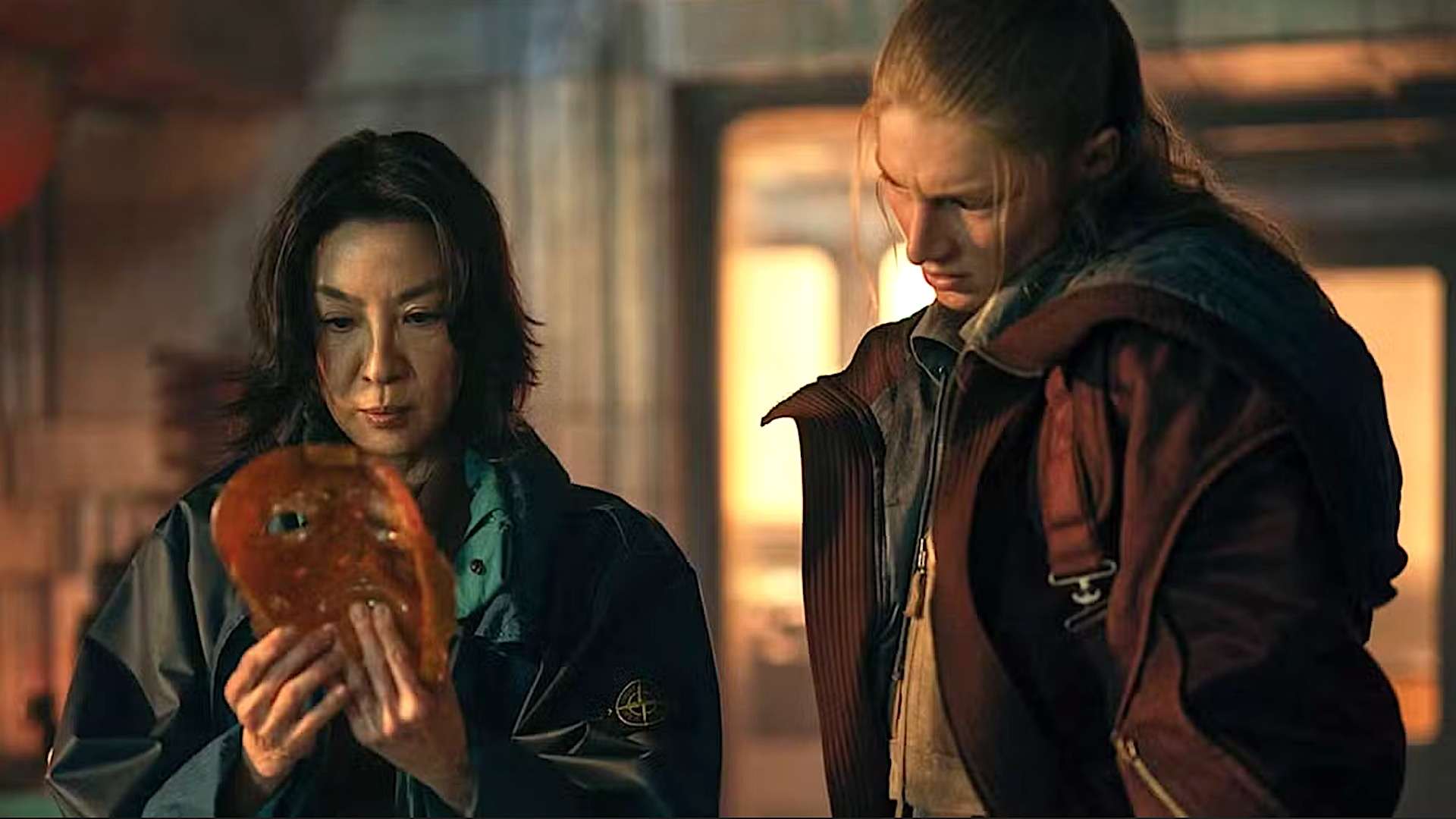
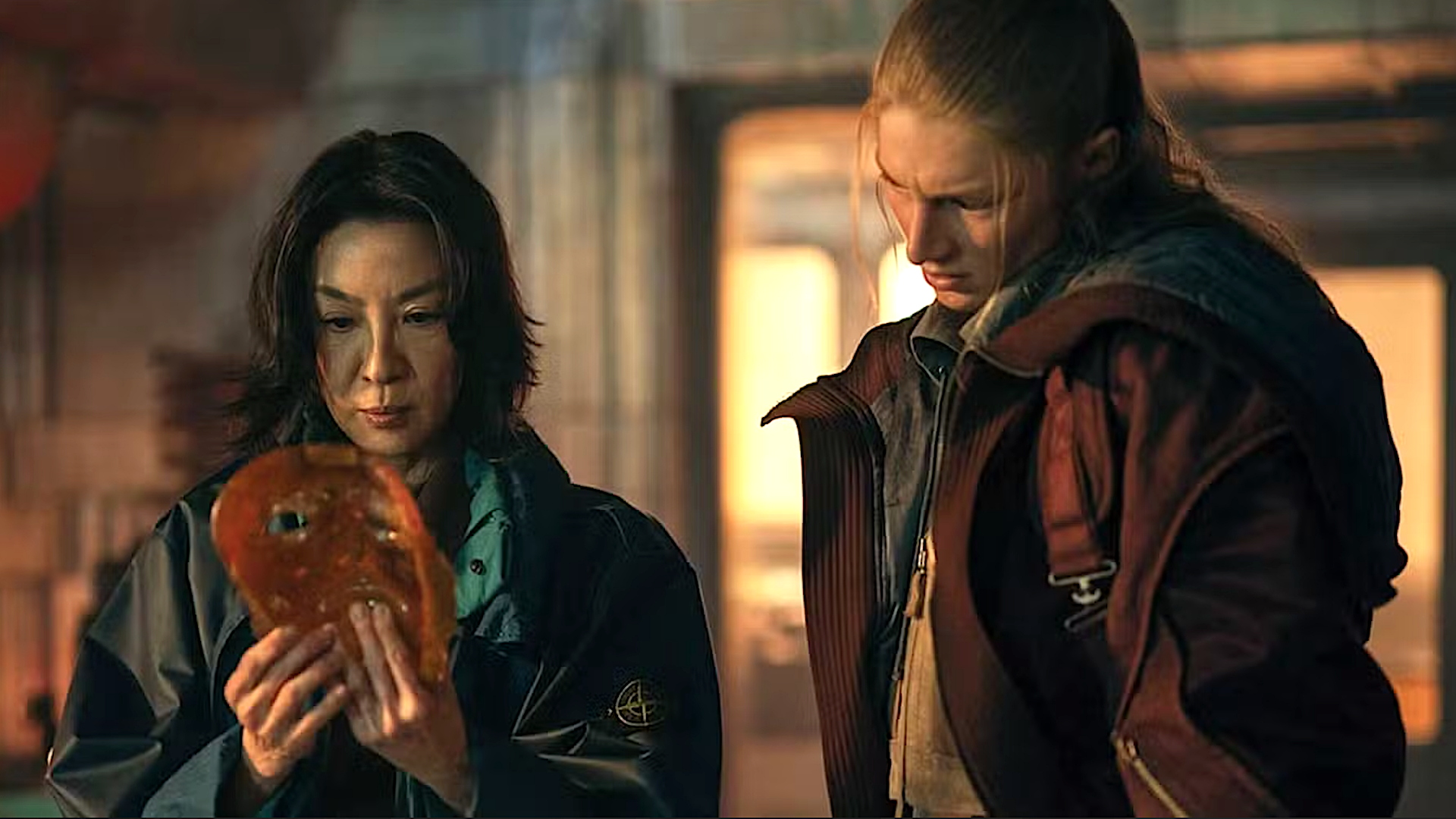
At the heart of the new series is a story of survival and intrigue. Michelle Yeoh portrays Olwen, a dying replicant who functions as a blade runner—an ironic twist, given the character’s status as a member of the species historically hunted by such units. She finds an unlikely ally in Cora, played by Hunter Schafer, a human who has spent her life masquerading as a synthetic. Their partnership is forged in the pursuit of a rogue replicant, an antagonist whose actions threaten to expose a dark, foundational secret that could destabilize the current power structure.
For the producers, the challenge was balancing the need for fresh storytelling with the requirement to honor the visual and thematic language of the preceding films. Andrew Kosove and Broderick Johnson have emphasized that the series is designed to be accessible to newcomers while rewarding long-time fans with architectural and narrative continuity.
The Philosophy of Production
In an industry where franchise fatigue is a growing concern, the creative team behind Blade Runner 2099 sought to ground their work in the realities of the contemporary era. Kosove notes that while the initial films were viewed as distant, speculative fiction, the current technological landscape—defined by rapid advancements in artificial intelligence—has brought the franchise’s core anxieties into the mainstream.
"Today, the world is catching up quicker to the world of Blade Runner," Kosove remarked. "We are currently navigating the complexities of how humanity uses emerging technology for our benefit without it eventually overtaking our autonomy. That was the central question of Silka’s pitch."
The production values are intended to rival theatrical cinema. Despite being an eight-episode television event, the show utilizes a mix of practical effects, tactile set design, and high-fidelity visual effects to maintain the "analog" feel of the original films. This commitment to physical world-building is a hallmark of the franchise, ensuring that the sprawling cityscape of 2099 feels lived-in and historically connected to the Los Angeles of 2019 and 2049.
Analytical Implications: Reclaiming the Source Material
A notable aspect of the new series is the creative team’s decision to reach back to Philip K. Dick’s original novel for inspiration. While previous films focused heavily on the visual aesthetic of the franchise, showrunner Silka Louisa has reportedly integrated conceptual elements from the source material that had not been fully explored in the cinematic adaptations. This serves as a "soft reset" for the franchise, allowing it to move beyond the specific plot threads of the previous two films while retaining the philosophical DNA that defines the brand.
The inclusion of both the Tyrell Corporation and the Wallace Corporation as lingering, architectural presences in the show provides a sense of history. By showcasing the remains of the Tyrell pyramid alongside the imposing spires of the Wallace era, the series visually communicates the passage of time and the remnants of corporate hegemony that once dictated the fate of the planet.
The Stakes for Prime Video
Blade Runner 2099 represents a significant investment for Prime Video. The platform, which has aggressively expanded its portfolio of high-budget science fiction, is betting on the brand’s enduring prestige. The success of the series will likely hinge on whether it can successfully navigate the transition from a human-centric narrative to one where the protagonists are themselves the entities previously classified as "products."
If the series succeeds, it could set a new benchmark for how legacy intellectual properties are handled in the age of streaming. By focusing on a "simple, elegant idea"—what happens when the created outlasts the creator—the show avoids the trap of excessive exposition, instead focusing on character dynamics and the moral ambiguity that has always been the hallmark of the Blade Runner experience.
Conclusion
As of its November 2026 premiere, Blade Runner 2099 stands as a testament to the longevity of science fiction that challenges its audience to reflect on the nature of humanity. Whether through the lens of a dying replicant or a human forced to hide in plain sight, the series asks the same enduring question that has haunted the franchise for nearly six decades: What constitutes a soul in a world built by machines?
With eight episodes, the season is poised to offer a dense, atmospheric, and intellectually rigorous experience. For fans of the genre, the return to this dystopian landscape is not merely a nostalgia trip; it is an exploration of a future that feels increasingly, and perhaps uncomfortably, close to our own. The integration of themes from the original 1968 novel, combined with the established visual language of the 1982 and 2017 films, positions Blade Runner 2099 as the most significant expansion of the franchise to date. As the industry watches, the success of this series may well determine the future of intelligent, adult-oriented science fiction on streaming platforms.