The enduring legacy of Homer’s "The Odyssey" continues to resonate through various artistic mediums, a testament to its timeless themes of heroism, homecoming, and the perils of the unknown. One particularly captivating, albeit less commonly cited, adaptation is the 1980s animated space opera, "Ulysses 31." This Franco-Japanese co-production, which first graced television screens in 1981, offered a generation of young viewers a unique blend of ancient Greek mythology and futuristic science fiction, reinterpreting Odysseus’s epic journey for the 31st century. While its animation style may appear rudimentary by today’s standards, and its narrative takes significant liberties with the source material, "Ulysses 31" remains a significant cultural artifact, a nostalgic touchstone for many, and an intriguing case study in adapting classical literature for a global audience.
From Ancient Troy to the Stars: The Premise of Ulysses 31
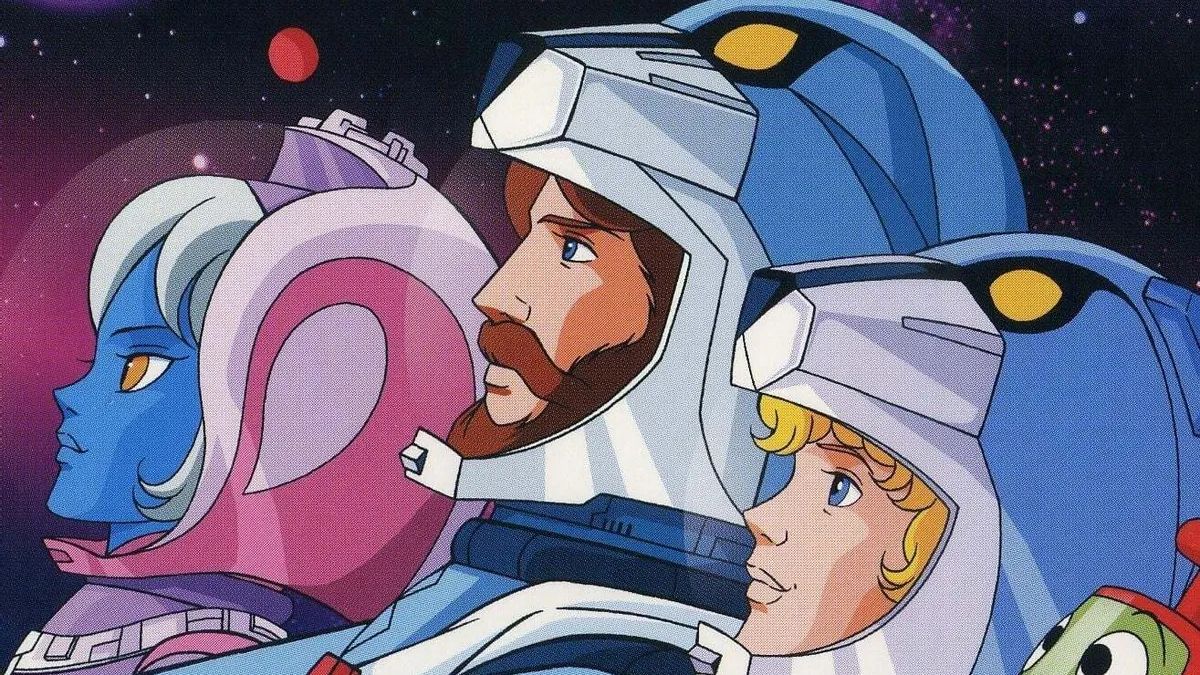
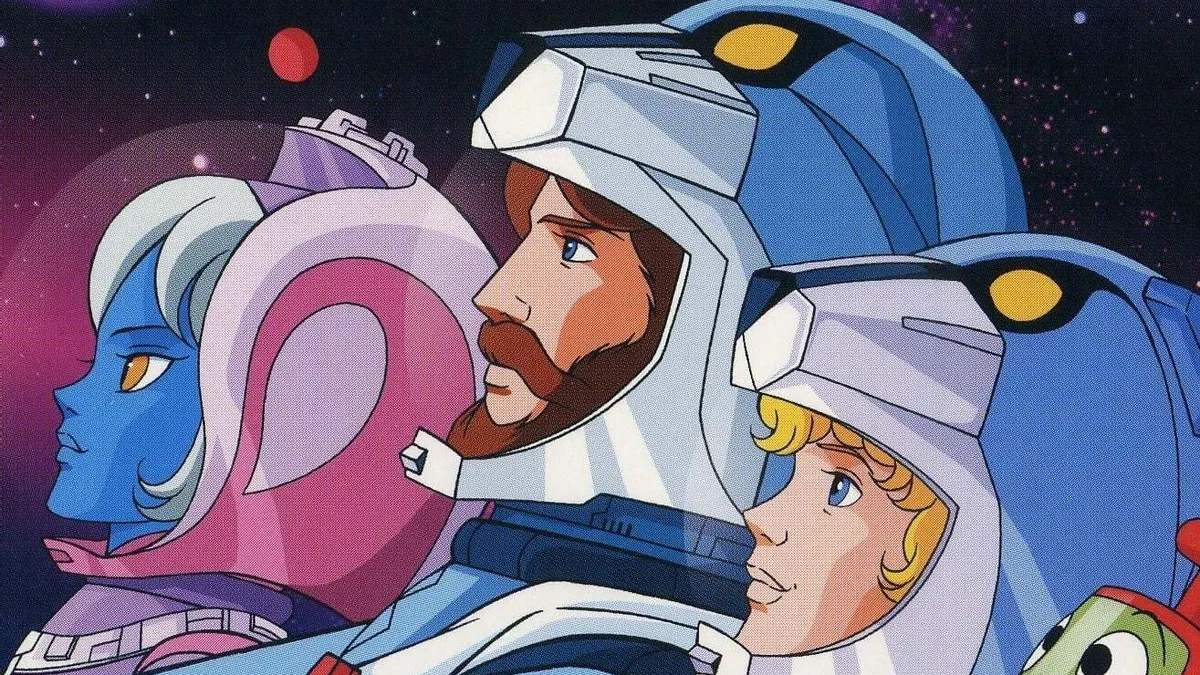
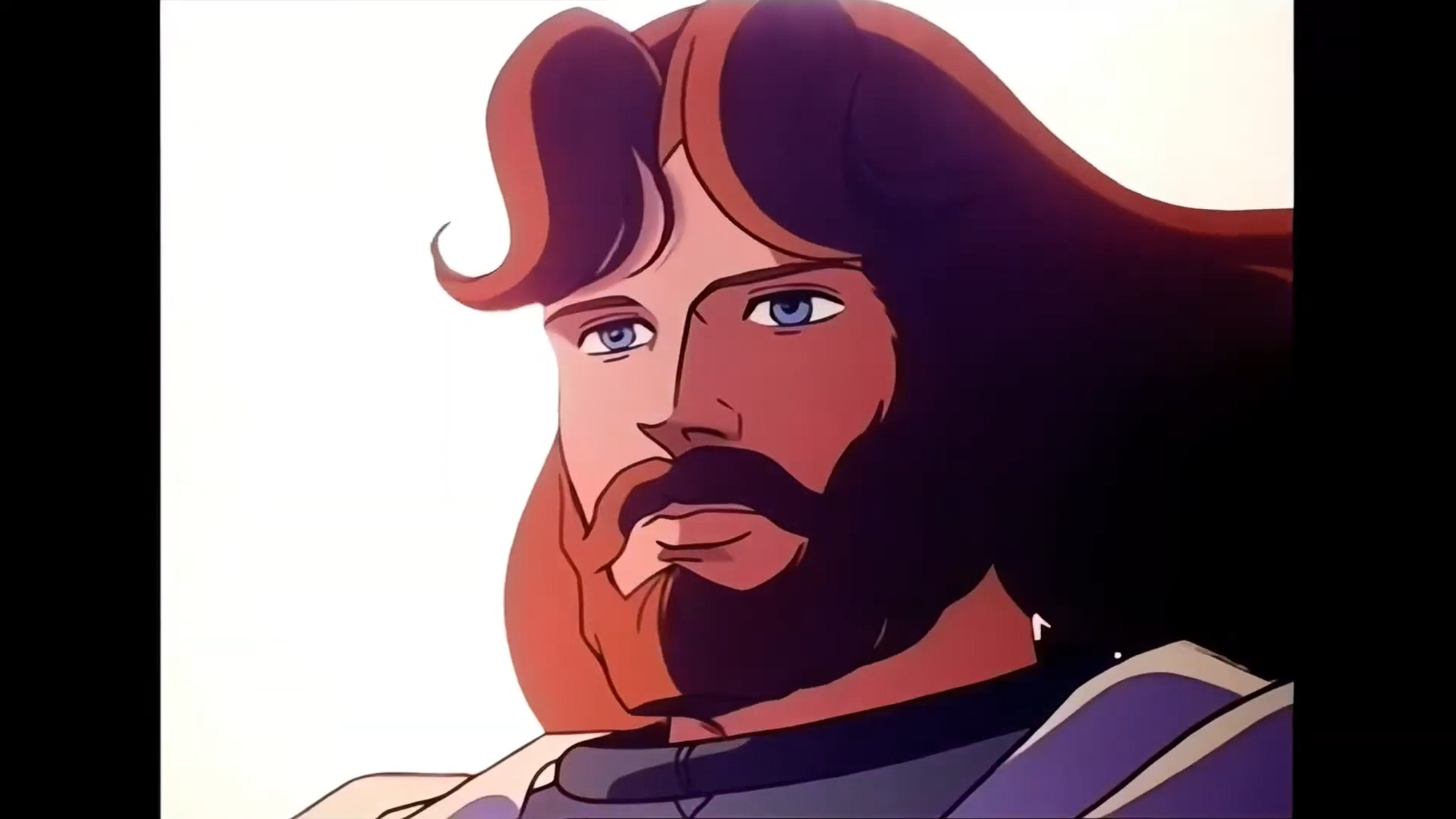
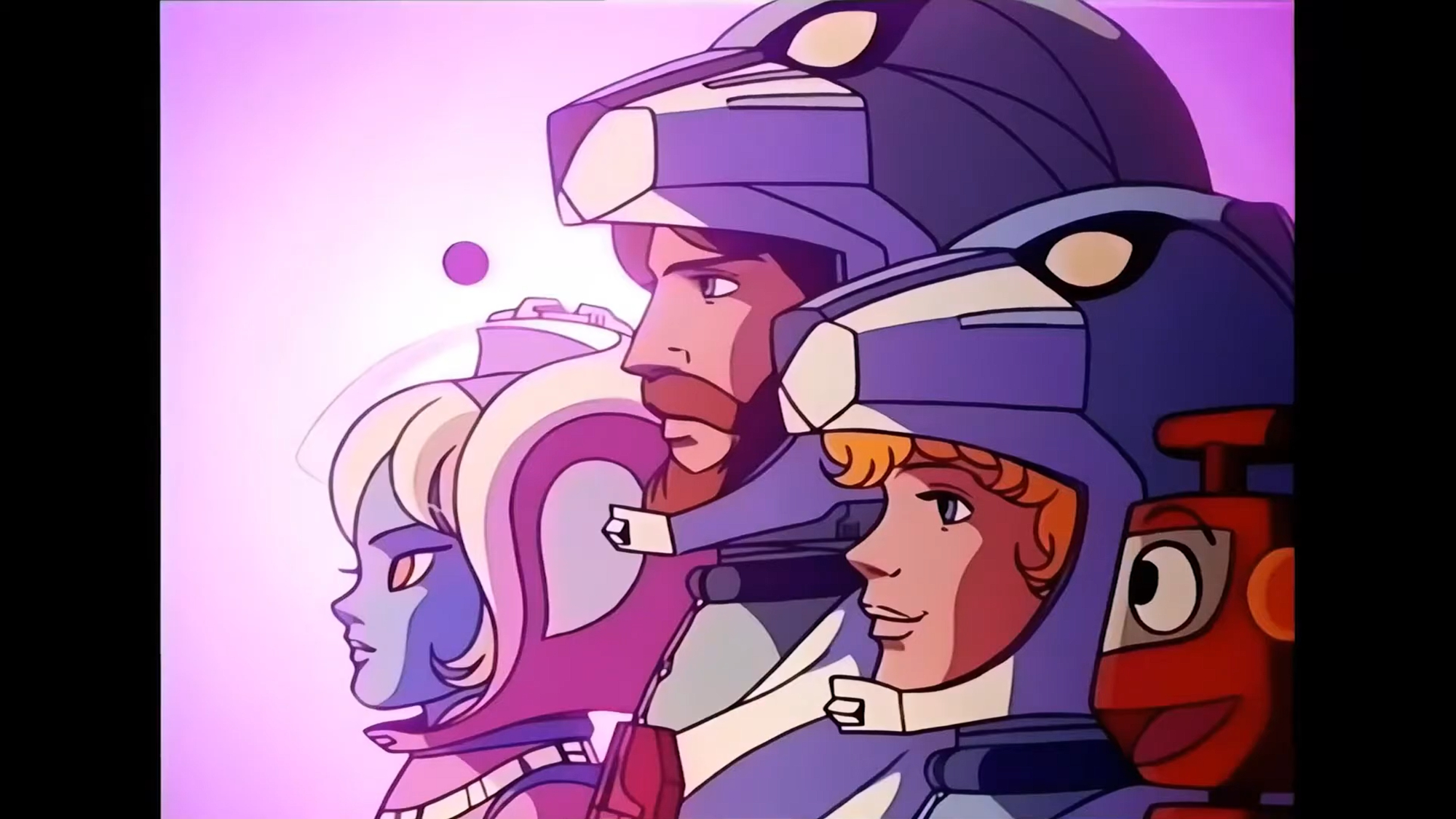
At its core, "Ulysses 31" mirrors the fundamental narrative of "The Odyssey." The story centers on Captain Ulysses, a heroic figure leading his crew aboard the starship Odyssey on a perilous voyage. Unlike Homer’s original epic, which begins after the Trojan War, the animated series places Ulysses and his crew in the midst of their journey home from the besieged starbase of Troy. The initial premise, however, is disrupted when Ulysses’ son, Telemachus, is abducted. This abduction sets in motion a chain of events that catapults Ulysses into a cosmic conflict with the Greek pantheon, reimagined as powerful, technologically advanced cosmic entities.
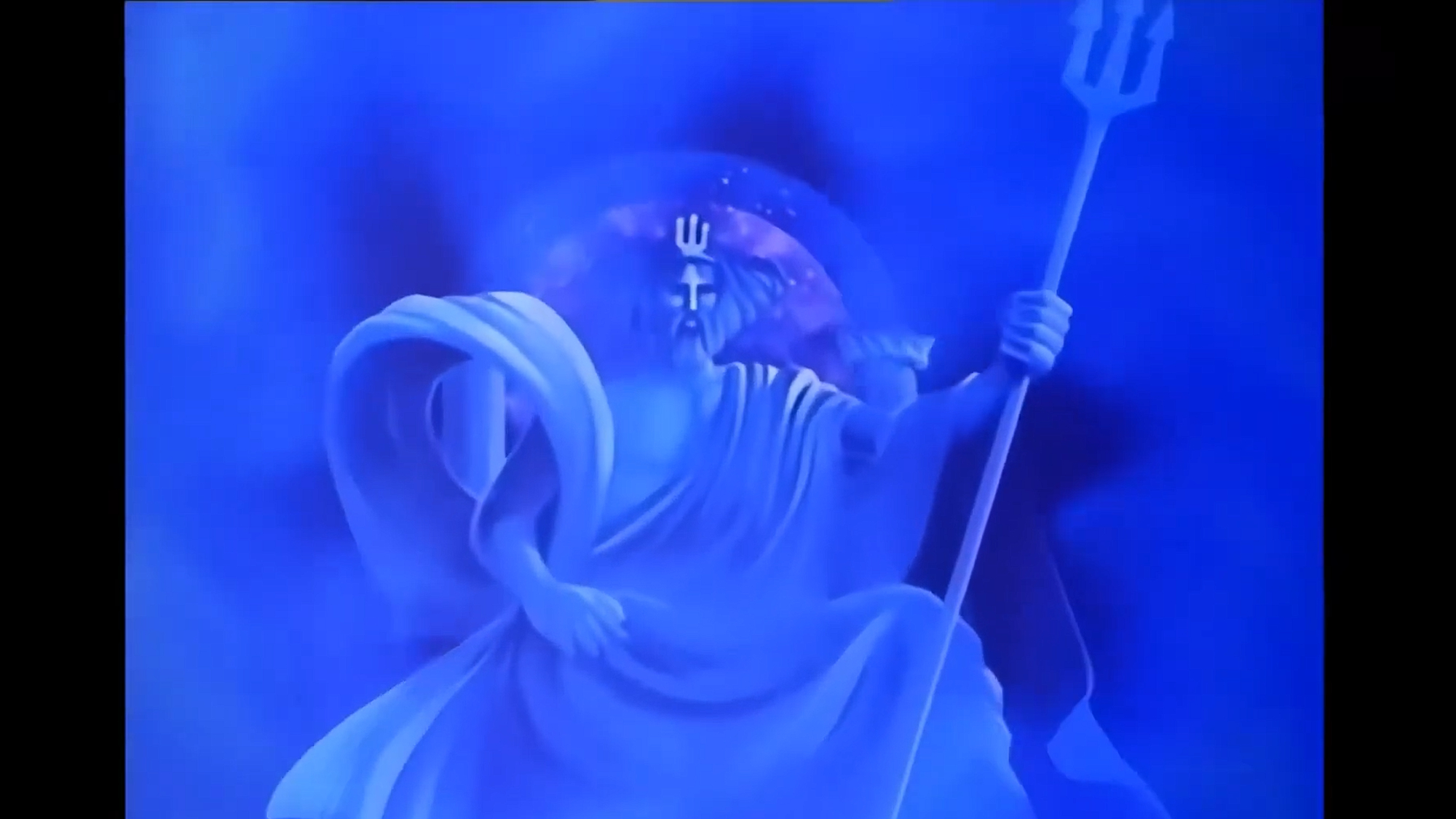
The catalyst for this divine intervention is Ulysses’ accidental slaying of a colossal, robotic Cyclops. This monstrous creation, it turns out, was a creation of Poseidon, the Greek god of the sea, who has taken up residence in the vastness of space. Enraged by this affront, Poseidon appeals to his brother, Zeus, the supreme ruler of the Olympian gods, for retribution. The ensuing divine punishment involves the obliteration of the Odyssey‘s navigational databanks, effectively stranding Ulysses and his crew in uncharted regions of the galaxy. Their only hope for returning home to Ulysses’ wife, Penelope, who is left to contend with suitors on Earth, is to find the mythical Kingdom of Hades before the series’ 26-episode run concludes.
A Pantheon in Space: Reimagining Greek Mythology
"Ulysses 31" boldly transplants ancient Greek myths and figures into a science fiction setting. This imaginative approach allows for a creative reinterpretation of well-known characters and tales:
- The Gods as Cosmic Entities: Poseidon and Zeus are not depicted as anthropomorphic deities but as beings of immense power, operating on a cosmic scale. Their influence is felt through advanced technology and their control over universal forces, making them formidable antagonists.
- Mythological Encounters in Space: Ulysses’ journey is punctuated by encounters with various figures and challenges drawn from Greek mythology. He faces the allure of the Sirens, the disorienting effects of the Lotus Eaters, and the eternal torment of Sisyphus, reimagined as an individual trapped in a recurring technological malfunction. The three-headed dog Cerberus is transformed into a formidable, multi-headed interceptor satellite guarding the path to Hades.
- Character Adaptations: The series introduces original characters like Yumi and Numinor, blue alien Zotrians, who become integral to Ulysses’ crew. However, many characters retain their mythological connections. Priam, the commander of the Troy starbase, shares his name with the King of Troy. Nestor, Ulysses’ second-in-command, echoes the role of the wise counselor from the original epic. Shirka, the ship’s computer, is named after the sorceress Circe, hinting at her potentially enigmatic nature.
Creative Departures from the Source Material
While drawing heavily from "The Odyssey," "Ulysses 31" also makes notable departures to suit its futuristic narrative and a younger audience. Telemachus, who in Homer’s epic is often separated from his father, is a constant companion to Ulysses in the series. The fate of Ulysses’ shipmates also differs significantly; instead of meeting tragic ends as in the original, they are placed in a state of suspended animation, awaiting their captain’s return. Furthermore, Ulysses is portrayed as being aware of the Greek gods’ existence prior to his cosmic exile, a departure from Odysseus’s initial ignorance of their divine machinations.
Production and Reception: A Franco-Japanese Collaboration
"Ulysses 31" was a collaborative effort between French animation studio DIC Audiovisuel and Japanese animation house Tokyo Movie Shinsha (now TMS Entertainment). This partnership was common for animated series of the era, allowing for the combination of European creative direction with Japanese animation expertise. The series premiered in France in 1981 and subsequently aired in Japan and other international markets, including the UK and the US, in the mid-1980s.
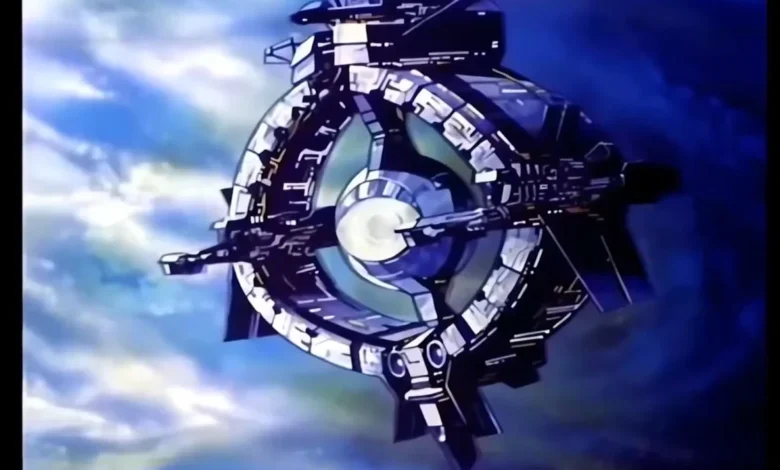
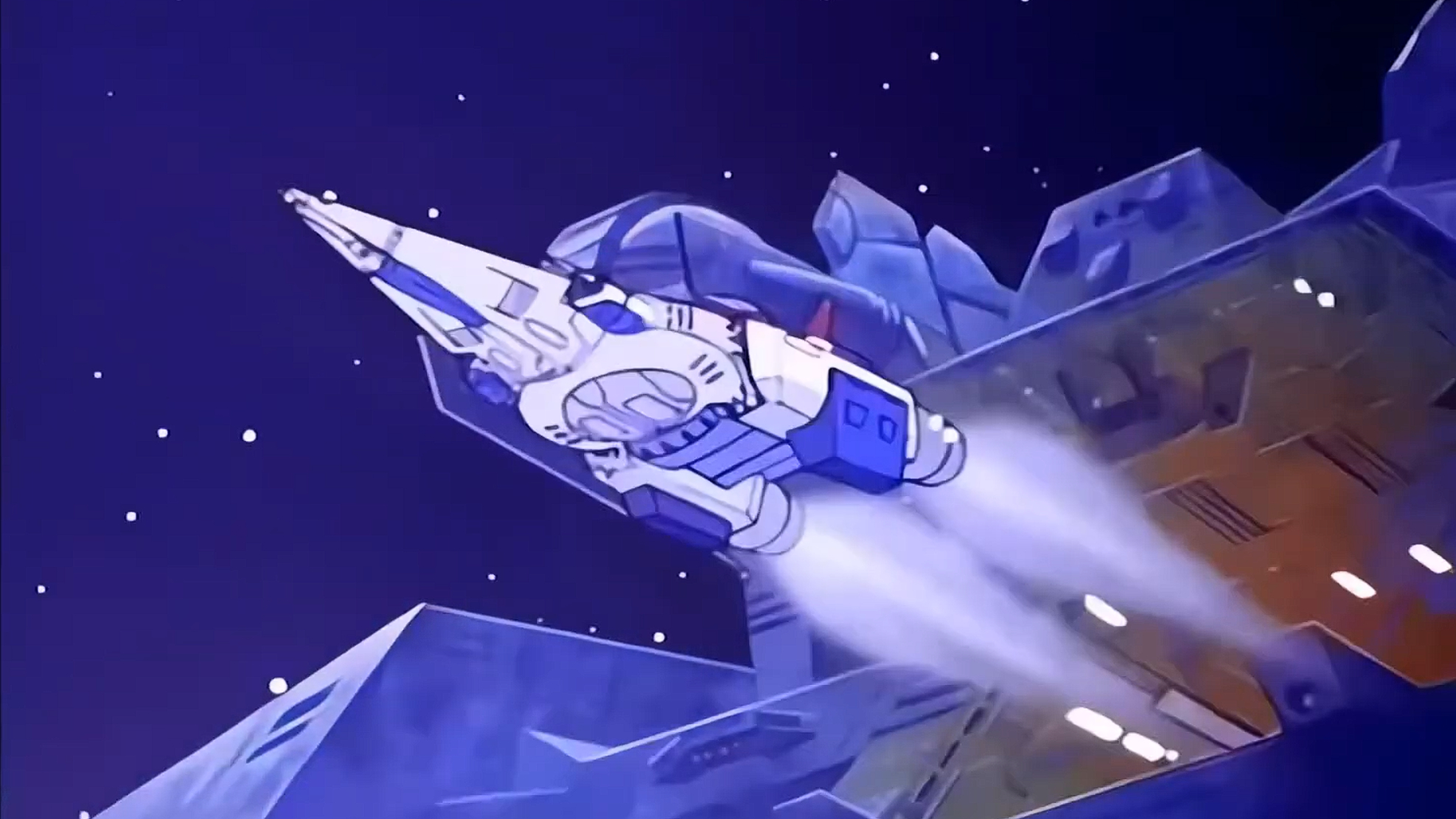
While the animation style can appear dated, characterized by limited movement and static backgrounds in some sequences, the spaceship designs, particularly the Odyssey itself – an eye-shaped craft – are often praised for their imaginative and classic space opera aesthetic. The series also drew inspiration from the burgeoning "Star Wars" phenomenon, with Ulysses’ weapon bearing a resemblance to a lightsaber and elements of John Williams’ iconic score influencing the incidental music.
The Enduring Power of the Theme Song
One of the most indelible aspects of "Ulysses 31" is its theme song. Composed by Denny Crockett, Ike Egan, Shuki Levy, and Haim Saban (a prolific duo known for their work on other 80s animated series like "He-Man and the Masters of the Universe"), the theme song is remarkably catchy and has become a cultural touchstone for those who grew up watching the show. The energetic melody and the iconic refrain, "Ulysses!", are instantly recognizable and have cemented the show’s place in the collective memory of a generation. This musical element, more than any other, ensures the show’s continued recognition and nostalgia.
A Look Back: Strengths and Weaknesses
Despite its age, "Ulysses 31" possesses several qualities that contributed to its lasting appeal:
- Atmospheric and Sometimes Frightening: The series managed to evoke a sense of wonder and, at times, genuine unease. The depiction of the gods as omnipotent, capricious beings, and the visual representation of levitating, lifeless bodies, could be genuinely unsettling for young viewers.
- Moral Ambiguity: Unlike many contemporary sci-fi cartoons where good invariably triumphed, "Ulysses 31" presented a more nuanced narrative. Ulysses, a single father navigating the cosmos with his son and adopted daughter, faced genuine peril, and victory was not always guaranteed.
- Compelling Soundtrack: As mentioned, the music, particularly the theme song, was a significant strength, elevating the series beyond its visual limitations.
However, the show is not without its drawbacks:
- Rudimentary Animation: The animation, especially in the space sequences, often relies on simplistic cut-out techniques.
- Stilted Dialogue: The dialogue can be repetitive and overly dramatic, frequently devolving into characters shouting each other’s names.
- Irritating Sidekick: Nono, Telemachus’s small, red robot companion, is often cited as one of the era’s most annoying "cute" sidekicks.
Legacy and Availability
"Ulysses 31" stands as a unique fusion of classical epic and futuristic animation. It offered a generation a compelling, if somewhat simplified, introduction to the complexities of Greek mythology, all set against the backdrop of interstellar exploration. While not currently available on major streaming platforms, fan uploads on YouTube have ensured that the series remains accessible for those wishing to revisit this nostalgic piece of television history. The show’s enduring appeal lies not only in its imaginative premise and catchy theme song but also in its ability to spark curiosity about the ancient myths that inspired it, proving that the journey of Ulysses, in all its forms, continues to captivate audiences across the ages.