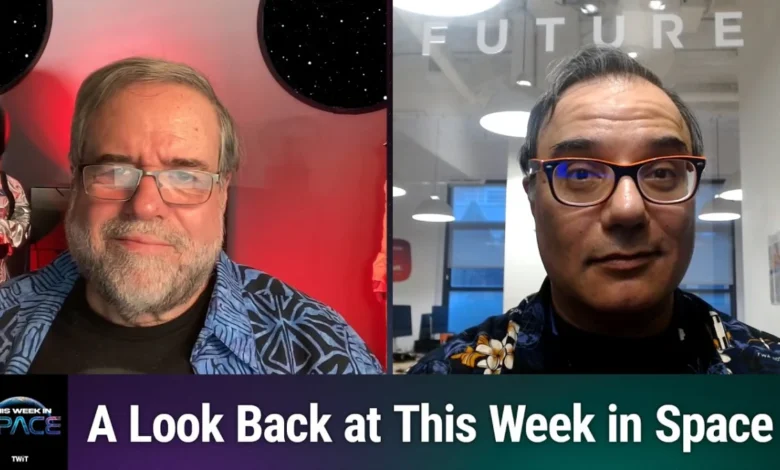
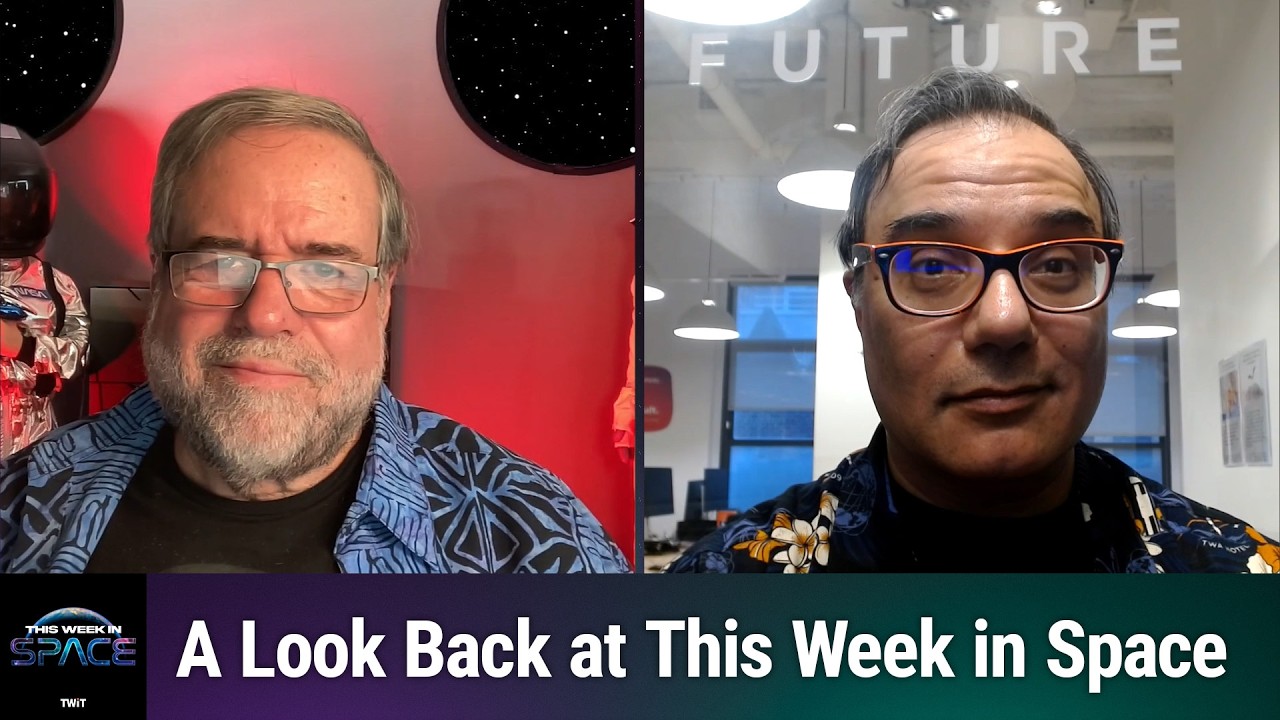
The long-running podcast This Week in Space (TWiS), a staple for space enthusiasts and industry professionals alike, has officially concluded its production run on the TWiT.tv network. With the release of Episode 237, hosts Tariq Malik and Rod Pyle signed off, marking the end of a multi-year project that served as a weekly deep dive into the rapidly evolving landscape of aerospace exploration. The final installment, which featured a retrospective of the show’s most memorable moments and a trademark collection of space-themed humor, serves as a capstone to a production history that spans approximately 240 episodes, including the initial beta phase.
A Legacy of Aerospace Journalism
Since its inception, This Week in Space functioned as a critical bridge between complex orbital mechanics, government space policy, and the general public. Under the leadership of hosts Tariq Malik, the Editor-in-Chief of Space.com, and Rod Pyle, an acclaimed author and space historian, the program navigated the "New Space" era. The show covered monumental shifts in the industry, ranging from the rise of commercial crew programs and the privatization of low-Earth orbit (LEO) to the complexities of international lunar exploration initiatives like the Artemis program.
The collaboration between the TWiT.tv network and the editorial team at Space.com provided a unique platform where technical expertise was distilled into accessible, engaging dialogue. By addressing questions regarding the feasibility of human missions to Mars, the rapid development of reusable rocket systems, and the implications of the burgeoning satellite internet market, the podcast maintained a consistent audience of listeners interested in the intersection of technology and the final frontier.
Chronology and Evolution of the Program
The development of This Week in Space mirrored the growth of the modern commercial space sector. The podcast launched during a period of intense activity in the private sector, where companies like SpaceX, Blue Origin, and Rocket Lab began to disrupt the traditional monopoly held by national space agencies.
Throughout its tenure, the show adhered to a rigid weekly cadence, typically airing on Friday afternoons. This timing allowed the hosts to synthesize the week’s developments—such as high-profile launches, engine tests, and policy announcements—before the weekend. The program’s format evolved from a standard news-review structure into a more nuanced analysis that often featured expert guests from the aerospace community, providing listeners with insights into the engineering challenges and economic realities of modern spaceflight.
The conclusion of the show on the TWiT platform does not signal the end of the hosts’ collaborative partnership. Malik and Pyle have confirmed that they are actively pursuing a new venue for the show, with a projected relaunch window in early 2027. This hiatus suggests a strategic pivot, potentially allowing the creators to reformat the show’s delivery or adapt to changing trends in the digital audio market.
Industry Impact and Contextual Analysis
The termination of a long-running niche podcast like This Week in Space serves as a litmus test for the health of the space-media ecosystem. In the past decade, the democratization of space news has been driven by podcasts and independent reporting, which have successfully filled a void left by legacy media.
The significance of the program lies in its consistency. By documenting the progress of the SpaceX Starship development, the James Webb Space Telescope’s deployment, and the ongoing race to the lunar south pole, the show acted as an audio archive of a pivotal time in human history. The "New Space" era is characterized by the transition of space from a government-led domain to a commercial, multi-stakeholder environment. TWiS was instrumental in helping listeners understand how these shifting dynamics affect everything from national security to global telecommunications.
Statistically, the space economy has seen unprecedented growth during the show’s run. According to data from the Space Foundation and various industry analysts, the global space economy reached a valuation exceeding $500 billion by 2023, with projections suggesting it could surpass $1 trillion by 2040. Programs like TWiS provided the necessary analytical context to interpret these figures, moving beyond the headlines to discuss the actual technical hurdles involved in deep-space exploration.
Looking Ahead: The Future of Space Communication
The void left by the departure of TWiS from the TWiT network will likely be felt by the dedicated community of "space junkies" who relied on the show for their weekly updates. However, the commitment expressed by Malik and Pyle to return in 2027 indicates that the demand for high-quality, long-form space journalism remains robust.
As the industry moves toward 2027, the aerospace sector is expected to undergo several major transformations. NASA’s Artemis missions are slated to reach new milestones, orbital infrastructure will likely expand, and the regulatory framework for commercial space travel will continue to face scrutiny. A return of the show in three years would coincide with a period where human activity on the moon is expected to be more permanent, providing a fresh and potentially more complex set of challenges for the hosts to explore.

Bridging the Gap: Physical Engagement
While the audio program is on hiatus, the hosts have encouraged their audience to maintain engagement through social media channels, specifically @rodandtariq on Instagram and Facebook. This digital presence ensures that the community remains intact, allowing for the potential transition to a new platform to be seamless.
Furthermore, the interest in the physical manifestations of space exploration remains high. The recent collaboration between space-focused media and companies like Estes Rockets, which produced a detailed scale model of the SpaceX Falcon 9, highlights the ongoing consumer appetite for space-themed technology and hobbyist items. The success of such products underscores that the audience for space-related content is not merely passive; they are active participants who engage with the industry through both information consumption and physical engagement.
Summary of the Final Episode
The final episode, while bittersweet, served as a reminder of the show’s primary mission: to make the vastness of space feel tangible and understandable. By blending technical facts with the human element—the "funny moments" and the "terrible space humor" that became a staple of Pyle’s delivery—the podcast managed to foster a community that felt a genuine connection to the hosts.
The exit of This Week in Space from the current podcast landscape is a significant moment for science communication. As the show transitions into this multi-year hiatus, it leaves behind a comprehensive library of content that chronicles the most ambitious period of space exploration since the Apollo era. For those interested in tracking the future trajectory of the hosts, the provided social media platforms will serve as the primary conduits for updates as the team prepares for their next chapter in 2027. The legacy of the program remains clear: the final frontier is best navigated with a combination of rigorous curiosity and a sense of wonder, a philosophy that served the show well for over 200 episodes.