The cinematic frenzy of the Venice Film Festival had only just receded from the canals when a Riva boat docked gently at the historic piers of the Hotel Cipriani on Giudecca Island, carrying weary travelers seeking refuge from the relentless pace of global transit. Stepping onto the grounds of the legendary property, the atmospheric contrast between the bustling Lido screenings and the tranquil seclusion of Giudecca immediately sets a restorative tone. The occasion marks a significant expansion for the iconic French couture house, which has introduced its very first branded wellness sanctuary in Venice.
This latest addition to the Cipriani portfolio arrives as part of a sweeping, multi-phase renovation program directed by renowned New York architect Peter Marino. Officially launched in July 2026, the redesign seamlessly integrates 18th-century Venetian Rococo aesthetics with mid-century Italian stucco work and terrazzo flooring, establishing an atmosphere of understated, classic elegance.
Historical Roots and Evolution of the Partnership
The opening of the Dior Spa at Hotel Cipriani represents the latest chapter in a deep-rooted historical romance between the Parisian fashion house and the floating city. The relationship dates back to 1951, when brand founder Christian Dior attended the legendary "Ball of the Century" costume party hosted by art collector Charles de Beistegui at the Palazzo Labia. Captivated by the city’s architectural grandeur and singular atmosphere, Dior formed a lifelong affinity with Venice that continues to inspire the brand’s creative endeavors today.
Over the decades, the Hotel Cipriani has cultivated a reputation as an exclusive sanctuary for global icons, hosting distinguished guests ranging from silver-screen legends such as Sophia Loren to contemporary luminaries like Julia Roberts. By embedding a high-end French luxury beauty concept into a storied Italian hospitality landmark, the collaboration bridges haute couture heritage with contemporary wellness demands.
Design, Atmosphere, and Treatment Philosophy

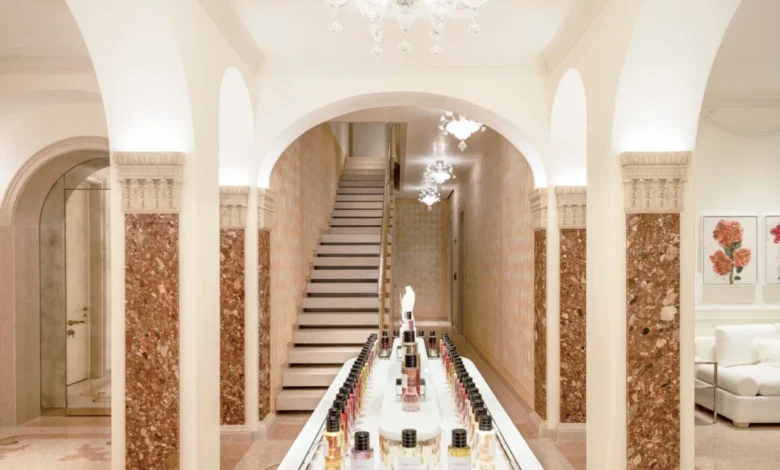
The spa experience begins in a marbled entryway anchored by an authentic Murano glass chandelier, suspended above a central display showcasing Dior’s La Collection Privée, including signature fragrances such as Tobacolor and La Colle Noire. Visitors are immediately enveloped in a sensory ritual featuring rose infusions and custom footwear, setting the stage for specialized treatments that challenge the traditional dichotomy between aesthetic luxury centers and clinical medical spas.
While skeptics often question whether fashion houses can execute wellness operations that rival dedicated medical facilities, Dior’s approach focuses on bridging high-touch hospitality with advanced, science-driven protocols. Rather than prioritizing aggressive anti-aging trends or invasive procedures, the spa concentrates on holistic cellular regeneration, stress reduction, and non-invasive vitality enhancement.
Among the signature offerings is the Mascarade facial, developed by global skincare ambassador Hadda Akrim. Designed specifically to counteract the physiological impacts of long-haul travel, circadian rhythm disruption, and urban fatigue, the 90-minute protocol employs a multi-tiered restorative approach.
The Chronology and Mechanics of the Mascarade Treatment
The treatment sequence begins well before any product touches the face. Clients lie prone for a targeted abdominal massage, a technique rooted in the understanding of the enteric nervous system as the body’s secondary emotional center. By rebalancing the nervous system and restoring inner harmony through the gut, the treatment aims to optimize subsequent systemic absorption.
The facial procedure itself unfolds in a precise, technology-assisted chronology:
- Ultrasonic Waves: Applied across the facial structure to stimulate micro-circulation, enhance cellular permeability, and improve skin elasticity.
- Microcurrent Muscle Stimulation: Low-level electrical currents reactivate dormant facial musculature, producing a visible toning and lifting effect.
- Cryogenic Interventions: Specialized cooling masks paired with chilled stones are strategically placed to reduce inflammation, promote lymphatic drainage, and reoxygenate the dermal layers.
- Technical Jaw Therapy: A specialized release massage targets chronic tension, counteracting the effects of nighttime bruxism often exacerbated by travel stress and shifting time zones.
According to Olivier Hahn, Dior’s global spa director, the integration of sonic components represents a

cornerstone of the brand’s wellness strategy, functioning to induce parasympathetic nervous system calm without requiring conscious meditation from the client.
Industry Implications and the Rise of Fashion-Driven Wellness
The integration of high-fashion brands into luxury hospitality spas reflects a broader market evolution toward lifestyle-centric travel. Wealthy consumers increasingly seek out holistic, immersive environments where aesthetic treatments, architectural heritage, and personalized service converge.
Furthermore, industry insiders note a strategic shift in product formulation. Despite the luxury branding, the spa utilizes high concentrations of organic ingredients derived from specialized cultivation programs, such as the Dior Prestige line. Much like historic European vineyards that quietly employ organic viticulture to avoid polarizing traditional consumers, luxury houses are increasingly embedding sustainable and natural formulations into high-tech regimens without leaning heavily on rustic or eco-centric marketing tropes.
Broader Economic and Tourism Impact
The launch of the Dior Spa on Giudecca Island is expected to bolster luxury tourism metrics in Venice during the shoulder seasons, drawing high-net-worth visitors beyond the peak summer months and the concentrated window of the Venice Film Festival. By diversifying the offerings at historical properties like the Hotel Cipriani, Venice continues to position itself at the intersection of heritage tourism and modern experiential luxury.
As travelers step out of the treatment rooms and into the serene Venetian evening—equipped with post-procedure luminosity and customized home-care regimens—the venture underscores a growing demand for wellness travel that repairs not only the physical manifestations of travel fatigue, but also restores cognitive and psychological equilibrium.
Related posts: