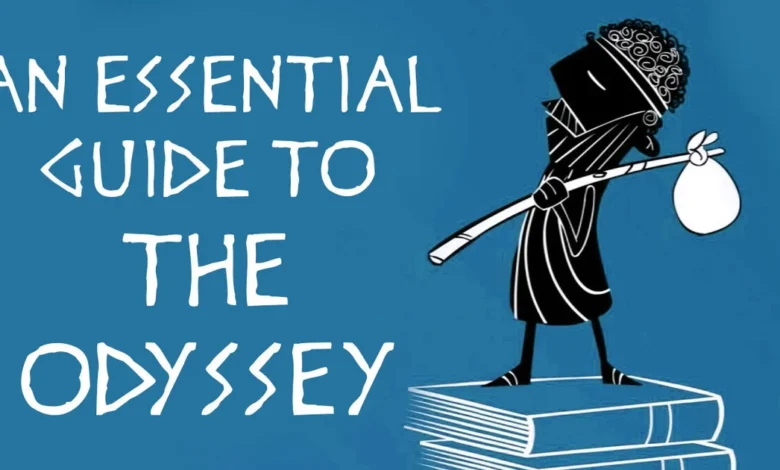
The Odyssey, composed by the blind poet Homer in the eighth century BCE, remains one of the most influential foundational texts in Western literature. Spanning approximately 12,000 lines of dactylic hexameter, the epic poem details the arduous ten-year journey of the Greek hero Odysseus as he attempts to return to his home in Ithaca following the fall of Troy. While often categorized as a work of myth and legend, the text serves as a primary historical vessel for understanding the cultural, religious, and social values of Archaic Greece. For contemporary audiences, the sheer scale of the poem—with its labyrinthine subplots involving vengeful gods, supernatural entities, and complex political power dynamics—can be daunting. To navigate this expansive narrative, scholars and educators have developed a comprehensive framework to contextualize the work, bridging the gap between ancient oral traditions and modern literary analysis.
Historical Context and the Oral Tradition
To fully comprehend the magnitude of The Odyssey, one must first recognize the environment in which it was produced. During the eighth century BCE, Greek society was transitioning from a purely oral tradition to the adoption of a written alphabet. Homer’s epics were not originally written; they were performed. Rhapsodes—professional reciters—would memorize vast sections of the poem, utilizing rhythmic structures and recurring epithets to aid in the retention of the narrative.
The historical backdrop of the poem is the Trojan War, a conflict that archaeologists have debated for centuries. Excavations at the site of Hisarlik in modern-day Turkey, initiated by Heinrich Schliemann in the 1870s, provided evidence of multiple layers of settlement, confirming that a significant fortified city existed at the location traditionally associated with Troy. While the specific events involving a wooden horse or a ten-year siege remain a subject of debate between mythologists and historians, the archaeological reality of a city destroyed by war provides a tangible anchor for the fictional narrative.
Chronology of the Homeric Narrative
The timeline of the Odyssey is non-linear, a technique that has influenced narrative structure for millennia. The epic begins in media res—in the middle of things—ten years after the conclusion of the Trojan War.
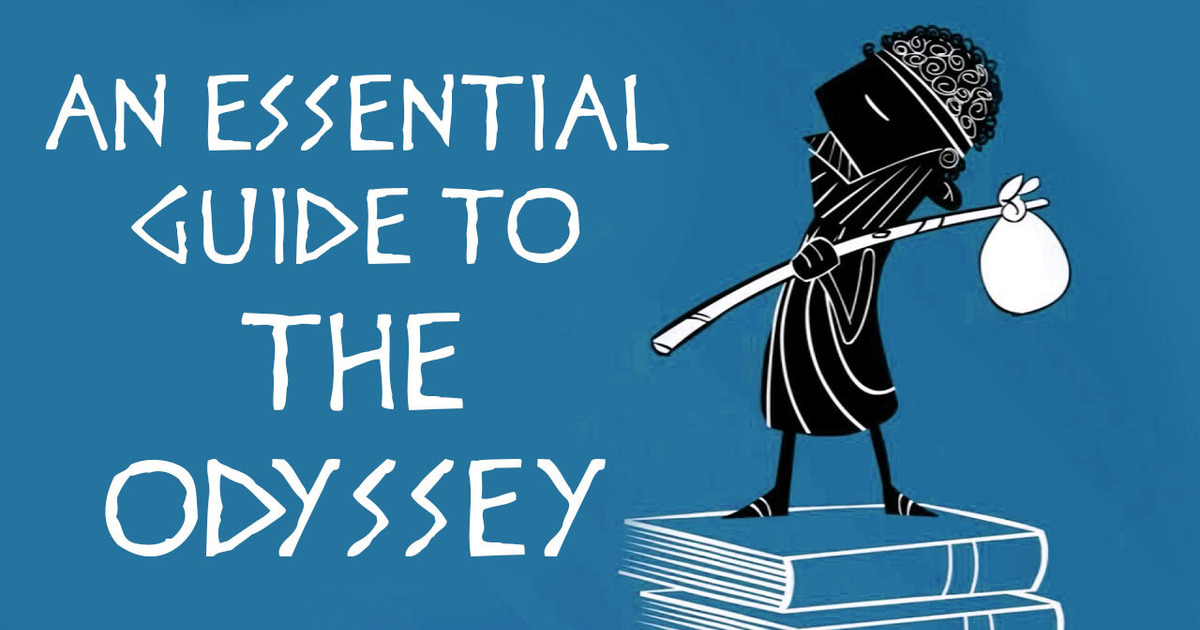
- The Departure: The narrative arc begins with the fall of Troy, a moment detailed in the Iliad, which serves as the prequel to the Odyssey.
- The Wanderings: Odysseus spends the next decade struggling against divine intervention, specifically the wrath of Poseidon, the god of the sea. This period includes the encounter with the Cyclops Polyphemus, the temptation of the sorceress Circe, and the descent into the Underworld.
- The Return: The latter half of the poem focuses on Odysseus’s return to Ithaca, his integration into his household disguised as a beggar, and the eventual reclamation of his throne from the suitors who had occupied his home.
This structure allows the audience to witness the psychological toll of the war on the protagonist before ever seeing the battlefield, a precursor to modern character-driven storytelling.
Analysis of Mythological Themes
The power of the Odyssey lies in its ability to synthesize disparate Greek myths into a coherent moral philosophy. The character of Laocoön, the Trojan priest who warned against the wooden horse, exemplifies the Greek concept of hubris and divine retribution. His tragic death at the hands of sea serpents, sent by the gods to ensure the fall of Troy, serves as a warning of the futility of opposing destiny.
Furthermore, the descent into the Underworld provides a crucial examination of the Greek view of mortality. Unlike the modern conceptualization of heaven or hell, the Greek Hades was a neutral, often somber location for all souls. By depicting heroes like Achilles—who famously claims he would rather be a serf on earth than a king among the dead—Homer underscores the high value placed on human life and physical legacy in the ancient world.
The Intersection of Science and Myth
In recent years, interdisciplinary studies have sought to determine if the "monsters" described by Homer were metaphors for natural phenomena. Scholars like Matt Kaplan have posited that many of the hazards Odysseus faced, such as the whirlpool Charybdis or the rock-crushing Symplegades, may have been based on exaggerated accounts of real-world maritime dangers, such as tidal bores or treacherous currents in the Strait of Messina. By viewing these myths through the lens of early observational science, historians are able to decode the fears and navigational challenges faced by early Mediterranean sailors.
Educational Resources and Academic Engagement
Recognizing the complexity of the text, various educational organizations have compiled multimedia resources to assist students and general readers. These resources typically focus on seven key pillars of understanding:
- Literary Literacy: Understanding the mechanics of the poem, including the use of epithets and the role of the narrator.
- Architectural History: Examining the ruins of Troy to distinguish between the legendary and the physical city.
- Religious Frameworks: Studying the role of Zeus and other Olympians in human affairs, often characterized by the "test" of hospitality—a sacred duty known as xenia.
- Heroic Archetypes: Contrasting the raw strength of Achilles with the strategic intellect of Odysseus.
- Theological Geography: Mapping the Underworld as described in classical literature.
- The Priest’s Burden: Analyzing the role of prophecy and warnings in the Trojan cycle.
- Environmental Mythology: Interpreting how ancient people used myth to explain natural disasters and geographic anomalies.
Broader Impact and Contemporary Relevance
The influence of the Odyssey extends well beyond the classroom. The narrative structure of the "hero’s journey" has been utilized in modern literature and cinema, from James Joyce’s Ulysses to contemporary science fiction franchises. The enduring appeal of the text lies in its examination of human endurance. Odysseus is not a perfect hero; he is a man of "many turns" (polytropos), defined as much by his capacity for deception and his flaws as by his courage.
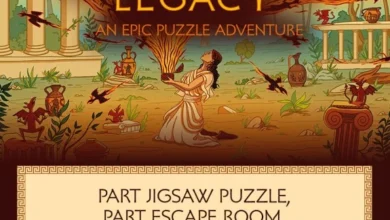
The continued interest in the material has even moved into the realm of interactive media. Games and puzzle adventures, such as "Pandora’s Legacy," demonstrate the modern trend of gamifying classical literature to engage new generations. By utilizing the characters of Greek mythology in an escape-room format, these products highlight the shift from passive reading to active participation, reflecting a broader cultural desire to inhabit the worlds created by ancient poets.
Implications for Future Scholarship
The study of the Odyssey is not a static endeavor. As new archaeological techniques, such as satellite imagery and DNA analysis of ancient remains, become available, our understanding of the Bronze Age Aegean continues to evolve. Future scholarship is expected to focus on the socio-economic conditions of the time—specifically the trade routes that the fictional Odysseus traveled—and how these routes informed the cultural exchange between the Mycenaean Greeks and their neighbors in the Near East.
While the gods and monsters of the Odyssey remain firmly in the realm of mythology, the poem itself serves as a vital record of human experience. It chronicles the transition from a world governed by chaos and divine caprice to a world governed by law, home, and the complex duties of a citizen. As long as readers continue to be drawn to the archetype of the traveler seeking a way home, Homer’s epic will retain its position as a cornerstone of the global literary canon. Through the synthesis of archival research, modern digital pedagogy, and persistent academic inquiry, the lessons of the Odyssey remain as relevant today as they were in the eighth century BCE.