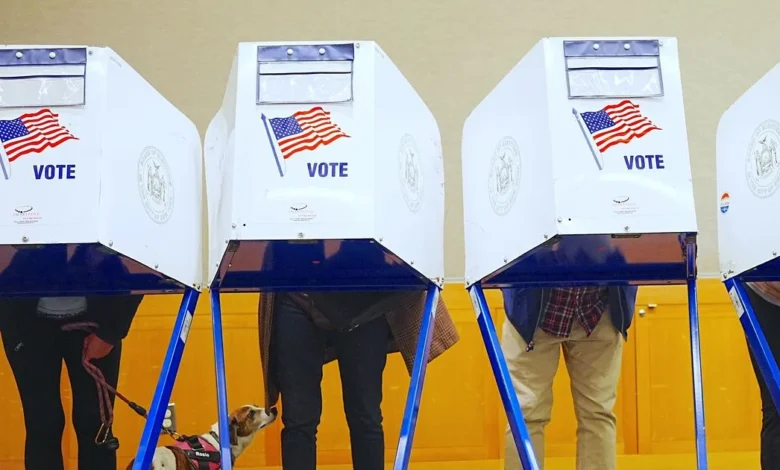
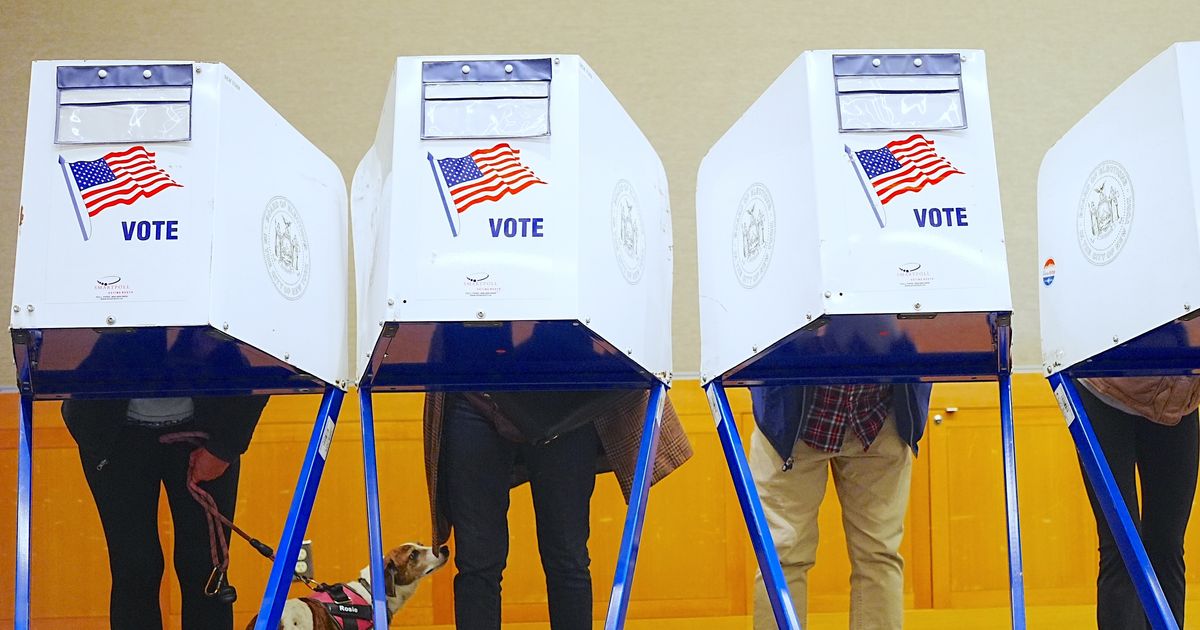
As New York City voters head to the polls this November, they are being asked to weigh in on a suite of ballot proposals that represent the most significant potential shift in municipal governance since the charter revision of 1989. Following a year of intense focus on affordability and administrative efficiency, Mayor Zohran Mamdani has championed these measures as essential tools to modernize a sclerotic city bureaucracy. However, the proposals have ignited a fierce debate regarding the balance of power between the executive branch, the City Council, and the public.
At the center of this electoral conversation are five distinct propositions. While Propositions 2 and 5 address the technical, albeit critical, realms of municipal procurement and rainy-day fund management, Propositions 1, 3, and 4 are the primary vehicles for the administration’s infrastructure agenda. These measures seek to fundamentally alter how the city approves construction permits, manages public space, and oversees land-use development.
The Genesis of the Charter Revision
The momentum behind these ballot measures began earlier this year when the Mayor established the Commission on Government Efficiency (COGE). Tasked with identifying systemic bottlenecks, the commission conducted extensive outreach, soliciting input from both private-sector developers and municipal employees. The findings were consistent: New York City’s permitting processes are frequently cited as the most burdensome in the nation, often adding months—if not years—to project timelines.
By the time the commission issued its final report in late July 2026, the administration had a clear directive: cut red tape. The result is a series of charter revisions designed to bypass traditional oversight mechanisms in favor of streamlined, administrative workflows. Critics, however, argue that the speed the administration desires comes at the cost of democratic transparency.
Proposition 1: Transforming Public Space
Proposition 1 targets the regulatory framework governing sidewalk cafes, dining sheds, and other “streeteries.” Under current law, the process for a restaurant to secure a year-round outdoor dining permit is notoriously cumbersome. Reports from the Comptroller’s Office have indicated that some establishments wait upwards of 19 months to secure approval, a delay that often results in significant revenue loss for small businesses.
If passed, Proposition 1 would reduce this timeline to two months. The mechanism for this efficiency is twofold: first, it mandates the removal of archaic requirements, such as the mandate for businesses to purchase newspaper advertisements to announce public hearings. More significantly, it renders public hearings optional and strips the City Council of its ability to reject a permit once the Department of Transportation (DOT) has provided its sign-off. While the New York City Hospitality Alliance has touted this as a vital lifeline for small business owners, organizations like Common Cause have voiced alarm, arguing that removing legislative oversight invites unchecked, top-down decision-making regarding the use of public streets.
Proposition 3: Infrastructure and Land Use
Perhaps the most controversial of the bunch, Proposition 3, is a hybrid measure. It seeks to accelerate street-safety projects—specifically bus and bike lanes—while simultaneously changing the rules for the sale and lease of city-owned land.
The transportation component of the proposal aims for a 33 percent reduction in project delivery time. To achieve this, the DOT would be empowered to bypass inter-agency reviews that have historically served as a check on planning decisions. Additionally, the proposal allows construction to commence concurrently with the notification of community boards, rather than requiring a sequential approval process.
The second half of Proposition 3 addresses real estate. It proposes to grant the city the authority to sell land lots smaller than 10,000 square feet and transfer development rights for landmarked properties in as little as 90 days. Currently, this process can take upwards of seven months and involves rigorous public scrutiny. The Municipal Art Society of New York (MAS) has been particularly vocal in its opposition, labeling the proposal a “mishmash” of unrelated policies that lacks the necessary safeguards to protect public assets from potential undervaluation or improper transfer.
Proposition 4: Centralizing Construction Permits
Proposition 4 offers a more straightforward administrative reform: the creation of a centralized permitting hub under the Department of Buildings (DOB). Currently, an applicant seeking a construction permit may need to navigate the requirements of multiple, siloed agencies, each with its own timeline and bureaucracy.
Under the proposed model, the DOB would act as the sole point of contact. The measure also shifts oversight of city-owned waterfront projects from the Department of Small Business Services to the DOB, a move intended to standardize the issuance of certificates of occupancy. While this proposal has faced less direct opposition than its counterparts, it remains a subject of scrutiny among groups concerned about the concentration of power within a single agency.
The Clash of Perspectives
The political landscape surrounding these proposals is complex. The Mamdani administration frames the measures as a pragmatic solution to a "management problem." Conversely, community-based organizations—such as the Columbia Street Waterfront District—have characterized the measures as a "coordinated power grab."
The disagreement is rooted in a fundamental philosophical divide. Pro-development groups, including Open New York and Abundance New York, argue that the city’s existential housing and infrastructure crises demand a departure from the "veto-point" heavy governance that has defined the last decade. They maintain that the current system prioritizes delay over delivery.

In contrast, preservationists and good-government advocates contend that the "efficiency" promised by the ballot measures is a euphemism for the erosion of public voice. The New York Landmarks Conservancy, for instance, has centered its opposition on the removal of public review for landmarked properties, fearing that the speed of the 90-day window will preclude any meaningful public assessment of historical impact.
City Council’s Muted Response
The dynamic between the Mayor and the City Council has shifted significantly compared to the legislative battles of 2025. While many council members remain privately skeptical of the erosion of their oversight powers, Speaker Julie Menin has signaled a departure from the adversarial approach of the previous cycle. By confirming that the Council will not be deploying its resources for a mass advertising campaign against the proposals, the leadership has essentially opted to let the public debate play out at the ballot box rather than through a direct legislative conflict.
This relative silence from the Council leadership does not necessarily imply consent, but it does reflect a strategic recognition of the current political environment. With voters increasingly frustrated by the high cost of living and the slow pace of infrastructure improvements, an all-out war between the Mayor and the Council on these specific measures may be seen as a tactical misstep.
Implications and Future Outlook
The outcome of these ballot measures will have long-term consequences for New York City’s governance. If Propositions 1, 3, and 4 pass, the city will move toward a more centralized, executive-led model of urban planning. Proponents argue this will enable the city to build housing and transit at a pace commensurate with its growth. Critics warn that it will fundamentally diminish the influence of local neighborhoods and the elected officials who represent them.
As New Yorkers cast their votes, they are essentially choosing between two visions for the city’s future: one that prioritizes rapid execution and administrative streamlining, and another that views public scrutiny and multi-stakeholder approval as non-negotiable pillars of democracy. The results will determine whether the Mamdani administration successfully redefines the "red tape" of New York City or whether the public will demand that the traditional checks and balances remain firmly in place. Regardless of the outcome, the 2026 election cycle has already succeeded in bringing the mechanics of municipal government to the forefront of the public consciousness, proving that the way a city builds is just as important as what it builds.