Tourism Industry Demands Measurable Action and Accountability as COP31 Climate Summit Opens in Antalya

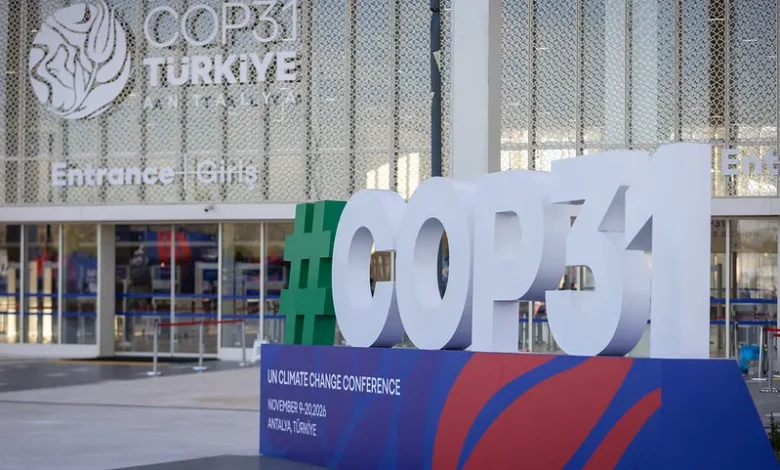
As the international community prepares for the 31st United Nations Climate Change Conference, a palpable shift in sentiment has emerged from the global travel and tourism sector. Set against the sun-drenched backdrop of Antalya, Türkiye, the upcoming two-week summit—officially running from November 9 to 20—is arriving with a heavier burden of expectation than many of its predecessors. Following years of ambitious declarations, strategic frameworks, and high-level panels addressing sustainable travel, tourism operators and industry stakeholders have signaled that the era of voluntary pledges and conceptual roadmaps must give way to concrete, measurable execution.
Co-hosted jointly by Türkiye and Australia, COP31 has been widely designated by diplomats and environmental analysts as the implementation COP. This moniker stems directly from the frustrations and stalemates of the previous year’s summit in Belém, Brazil, where negotiating parties struggled to forge a cohesive, actionable consensus on accelerated climate pathways. With the clock ticking louder on global emissions targets, the imperative to translate political promises into localized, economic reality has never been more urgent for an industry whose very existence relies on the preservation of natural ecosystems, stable weather patterns, and flourishing biodiversity.
The Road from Belém to Antalya: A Chronology of Climate Ambition
To understand the heightened stakes of COP31, one must examine the diplomatic trajectory that preceded it. The narrative of recent climate summits has been defined by a tension between sweeping long-term targets and the immediate, practical mechanisms required to achieve them.
The journey to Antalya effectively began at COP28 in Dubai, where nations formally agreed for the first time to transition away from fossil fuels in energy systems, signaling a historic, albeit contested, milestone for global climate policy. However, the subsequent gathering at COP30 in Belém exposed deep divisions among developed and developing economies regarding financing, resource allocation, and the speed of the green transition. Parties ultimately failed to agree on a definitive, binding path forward, leaving a vacuum in operational strategy.
In response to these setbacks, the Brazilian COP30 presidency made a binding commitment to publish comprehensive, transitional plans designed to accelerate the phase-out of fossil fuels and secure vulnerable forest ecosystems ahead of the next round of talks. Fulfilling this promise, a series of voluntary roadmaps was released on Tuesday, setting the preliminary stage for the Antalya negotiations. These newly minted documents are explicitly engineered to assist policymakers in bridging the gap between high-level international treaties and domestic implementation. They emphasize national policy alignment, strategic green investments, and rigorous metrics for success—elements that tourism leaders argue are long overdue.
The Tourism Dilemma: Contribution and Vulnerability
The travel and tourism industry occupies a paradoxical position within the global climate architecture. Responsible for an estimated 8% to 11% of global greenhouse gas emissions—largely driven by aviation, transport, and energy-intensive hospitality operations—the sector is a significant contributor to the very crisis threatening its assets. Simultaneously, tourism is among the economic sectors most immediately and severely impacted by climate change.
Rising sea levels threaten coastal resorts and island nations; marine heatwaves devastate coral reefs that serve as primary tourist attractions; erratic weather patterns disrupt winter sports economies; and increasingly frequent extreme weather events endanger travelers while devastating local infrastructure.
For years, tourism boards, hospitality groups, and transport providers have engaged in sustainability initiatives, ranging from single-use plastic bans and energy-efficient building designs to carbon offset programs. Yet, industry insiders speaking ahead of COP31 have expressed mounting fatigue with fragmented, voluntary initiatives that lack standardized accountability. The demand from operators is clear: they require clear regulatory frameworks, financial incentives for sustainable retrofitting, and robust infrastructure developments—such as expanded renewable energy grids and green public transit networks—that enable businesses to decarbonize at scale.
Decoding the Implementation Roadmaps
The release of the new roadmaps just days before the opening gavel in Antalya provides a crucial lens through which the forthcoming negotiations can be evaluated. Built upon the foundations laid in previous summits, these documents focus heavily on mobilizing private and public finance to support sustainable transitions in high-impact sectors.
For the tourism economy, the implications of these roadmaps are profound. The fossil fuel transition plan directly impacts the aviation sector, which faces mounting pressure to adopt Sustainable Aviation Fuels (SAFs) and modernize fleets amid tightening carbon pricing mechanisms. Furthermore, the forest protection roadmap intersects directly with ecotourism and nature-based travel, sectors that rely on the preservation of indigenous lands and pristine environments.
However, skepticism remains prevalent among industry observers. Past roadmaps have frequently suffered from a lack of enforcement mechanisms, relying instead on the voluntary goodwill of sovereign states and corporate entities. As delegates converge on the Antalya venue, tourism operators are watching closely to see whether the discussions will yield binding agreements or merely reiterate past ambitions under a new banner.
Official Responses and Stakeholder Perspectives
Representatives from international environmental coalitions and tourism trade organizations have mobilized in force for the Antalya summit, coordinating a series of side events and press briefings to elevate the sector’s concerns.
“For too long, tourism has been treated as a peripheral consumer of climate policy rather than a central pillar of economic transformation,” noted a spokesperson for a major international sustainable tourism alliance, speaking on the condition of anonymity due to ongoing diplomatic preparations. “Operators have spent years drafting sustainability reports and setting distant net-zero targets for 2050. But the climate reality is unfolding right now, in real time. What our members are asking for at COP31 is simple: show us the receipts. We need clear regulatory baselines, predictable carbon pricing, and tangible financial support to green our supply chains.”
Governments co-hosting the event have struck an optimistic yet pragmatic tone. Australian and Turkish officials have emphasized that COP31 must prioritize inclusivity and practical problem-solving. In joint preliminary statements, negotiating leads underscored that the success of the Antalya summit will not be measured by the eloquence of its final declarations, but by the rigor of the implementation mechanisms established to support developing economies and climate-vulnerable regions.
Broader Economic Implications and Outlook
The outcomes of COP31 will reverberate far beyond the negotiation halls of Antalya, carrying direct consequences for global financial markets, consumer behavior, and corporate strategy.
As regulatory bodies worldwide tighten disclosure rules regarding carbon footprints and environmental impact—exemplified by frameworks such as the European Union’s Corporate Sustainability Reporting Directive—tourism businesses that fail to align with verifiable sustainability metrics risk facing severe financial penalties, higher borrowing costs, and reputational damage among an increasingly eco-conscious consumer base.
Conversely, the implementation of robust climate policies could unlock unprecedented opportunities for green investment within the travel sector. Billions of dollars in public and private capital are currently searching for viable, sustainable projects, ranging from eco-resort developments powered entirely by microgrids to advanced waste-to-energy systems for major hospitality hubs.
As the formal proceedings commence next week, all eyes will be on Antalya to determine whether world leaders can rise to the challenge of turning rhetoric into reality. For the global tourism industry, the stakes could not be higher: the decisions made over these twelve days will help determine whether the world’s favorite destinations remain viable for generations to come, or succumb to the escalating costs of inaction.