Cultivating a Pipeline of Confidence: How Unity Concord International School is Revolutionizing Student Voice Through TED-Ed Integration

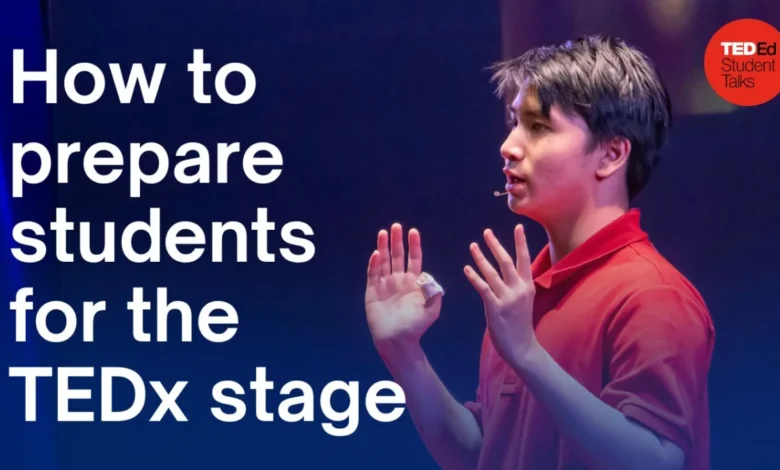
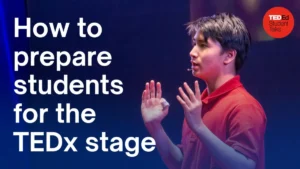
Every educator knows the challenge: Teenagers have incredible ideas, but getting them to step up to the microphone takes more than just an invitation. It takes an ecosystem of support, practice, and inspiration. At Unity Concord International School (UCIS) in Chiang Mai, Thailand, a pedagogical shift is currently underway. By strategically aligning their year-round TED-Ed Student Talks program with their marquee annual TEDxUCIS Youth event, school administrators have developed a self-sustaining pipeline of oratorical talent that is fundamentally altering the school’s academic culture.
The Anatomy of the UCIS Model
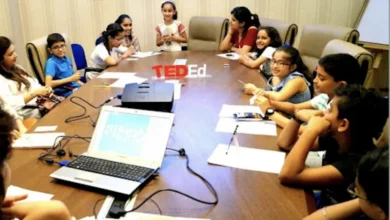
The pedagogical framework at UCIS functions as a two-tiered development system. The foundation is the TED-Ed Student Talks group, which serves as a low-stakes, high-engagement incubator for students, typically starting in the 5th and 6th grades. This program provides the necessary scaffolding for younger students to explore public speaking without the immediate pressure of a professional stage.
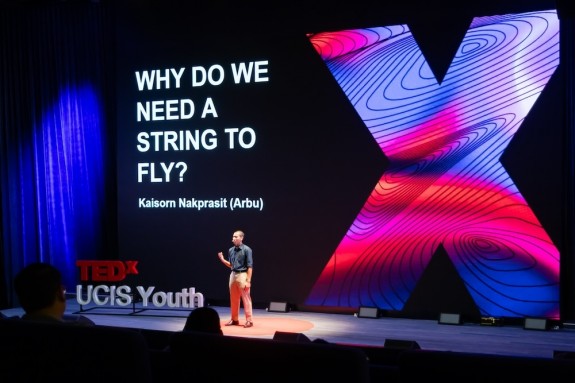
The second tier, the TEDxUCIS Youth event, acts as the primary showcase. By integrating these two entities, the school has bridged the gap between classroom exercises and real-world application. Rather than treating public speaking as a sporadic elective, the school treats it as a developmental arc that spans the formative years of a student’s education.
Chronology of a Curriculum Shift
The integration process began with a recognition that student engagement often wanes when extracurricular programs operate in isolation. In previous years, the TEDx event was treated as an independent project, detached from the ongoing classroom activities of the younger student body.
Under the guidance of International Co-curricular Coordinator Fernando Oringo, alongside TED-Ed Coordinator Abby Schrantz and license holder Madison Conger, the school transitioned to a "pipeline" model. The chronology of this implementation involved three distinct phases:
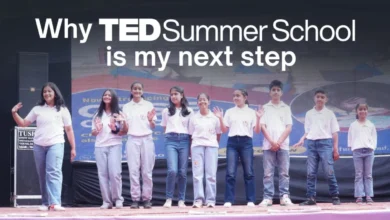
- Phase One: Outreach and Enrollment: The administration moved away from passive recruitment—such as mass emails—in favor of a grassroots approach. By having veteran student speakers visit 5th and 6th-grade classrooms, the school successfully demystified the process, leading to the program reaching maximum capacity.
- Phase Two: Peer-Led Curriculum Development: The program moved beyond standard guidebooks. Facilitators introduced interactive peer-review sessions where students analyzed historical TED-Ed talks. This provided students with a visual and auditory rubric for what constitutes an effective, compelling narrative.
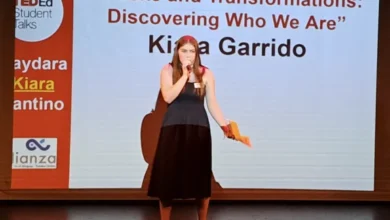
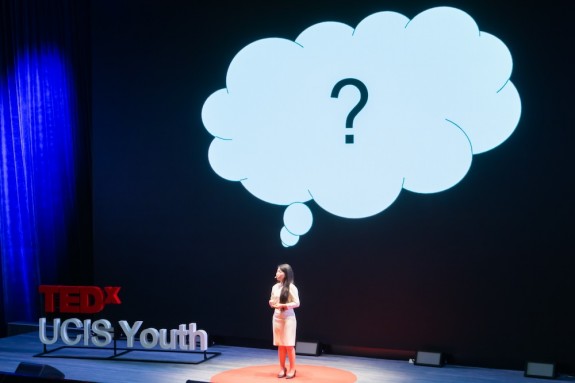
- Phase Three: The Synthesis Event: The climax of the school year involves the TEDxUCIS Youth event. By requiring younger students to attend as audience members, the school creates a cyclical model of mentorship where the current speakers serve as aspirational figures for the next cohort of presenters.
Quantitative and Qualitative Impact
While the success of the program is often measured by the quality of the final presentations, the underlying data points to broader academic benefits. According to internal reports from the Ambassador Education Group, schools that implement structured public speaking programs see a marked increase in student confidence levels and collaborative communication skills.
In the case of UCIS, the "at-capacity" status of the TED-Ed group indicates that demand for these communication tools is high. Furthermore, the qualitative data—gathered through student feedback—suggests that the program is effective at addressing specific developmental hurdles. Students frequently report that the process of "fine-tuning" a talk, which includes editing for emotional resonance and visual clarity, improves their overall writing and critical thinking capabilities.
Official Perspectives on Program Efficacy
"Young people are inherently busy," notes Madison Conger, the TEDxUCIS Youth license holder. "When you ask them to balance extracurriculars with rigorous academic milestones, you need a system that feels like a natural progression rather than an additional chore. By the time our students reach the middle and high school levels, they aren’t starting from scratch. They have already internalized the mechanics of storytelling."
Abby Schrantz, who manages the daily operations of the TED-Ed group, emphasizes the role of empathy in these presentations. "Many of our students are choosing to speak on topics like the pressure of societal expectations and the complexities of being a student in an international environment. This isn’t just a presentation; it’s a form of community dialogue that validates their lived experiences."
Institutional Change and Broader Implications
The impact of this program has extended beyond the auditorium. One of the most significant outcomes of the UCIS initiative is its role as a catalyst for institutional policy change. Last year, a student presentation regarding the challenges of cross-cultural identity within an international school setting served as the impetus for the creation of a dedicated support community for international students and their parents.
This transition from "talk" to "action" represents the highest form of student advocacy. When an institution listens to its students—and provides the medium for that voice to be heard—the educational experience becomes a participatory process.
Analysis of Replicability
For other educational institutions looking to replicate this success, the UCIS model offers a blueprint based on three pillars:
- Visibility: The program must be integrated into the school’s daily culture. It cannot exist merely as an after-school club; it must be a recognized part of the student’s identity.
- Vertical Integration: There must be a clear pathway from the introductory level (TED-Ed Student Talks) to the advanced level (TEDxYouth). Students need to see a future for their efforts.
- Cross-Pollination: The audience for the flagship event must include the students who are currently in the developmental pipeline. This ensures that the culture of public speaking is passed down through successive classes.
The Future of Student Voice
The success of the TED-Ed and TEDx integration at UCIS demonstrates that when schools provide the proper ecosystem, students do not merely deliver speeches—they provide insights. The professionalization of this process, moving from hesitant classroom participation to a polished, stage-ready presentation, prepares students for the realities of modern communication in a globalized society.
As Fernando Oringo notes, the mission is fundamentally about mentoring the next generation of global change-makers. By equipping students with the tools to organize their thoughts, articulate their values, and command an audience, schools are doing more than teaching rhetoric. They are fostering a sense of agency that will serve these students long after they graduate.
The "brand" of TED, as noted by organizers, provides an immediate sense of gravity and importance to the students’ work. It signals that their ideas have value beyond the classroom walls. Whether it is through sensory-inclusive event design or the deliberate selection of vulnerable, relatable topics, the UCIS program stands as a case study for how to transform student potential into meaningful community impact.
As the program continues to evolve, the focus remains on sustaining the momentum. With more than 1,200 students in the wider network under Oringo’s supervision, the scalability of this model remains a primary area of interest for global educators. The ultimate takeaway is clear: the microphone is a tool, but the ecosystem behind it is what gives the voice its power. For schools seeking to ignite a similar passion, the roadmap provided by UCIS offers a compelling, evidence-based path forward.