The Evolution of Global Connectivity: Analyzing the Shift to Subscription-Based eSIM Services

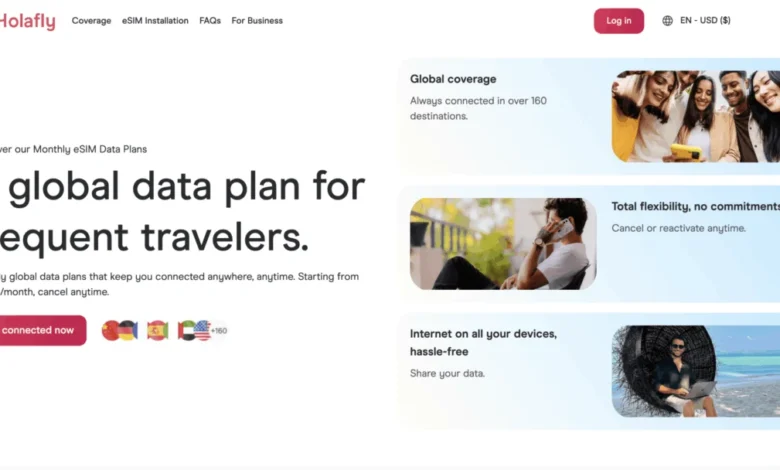
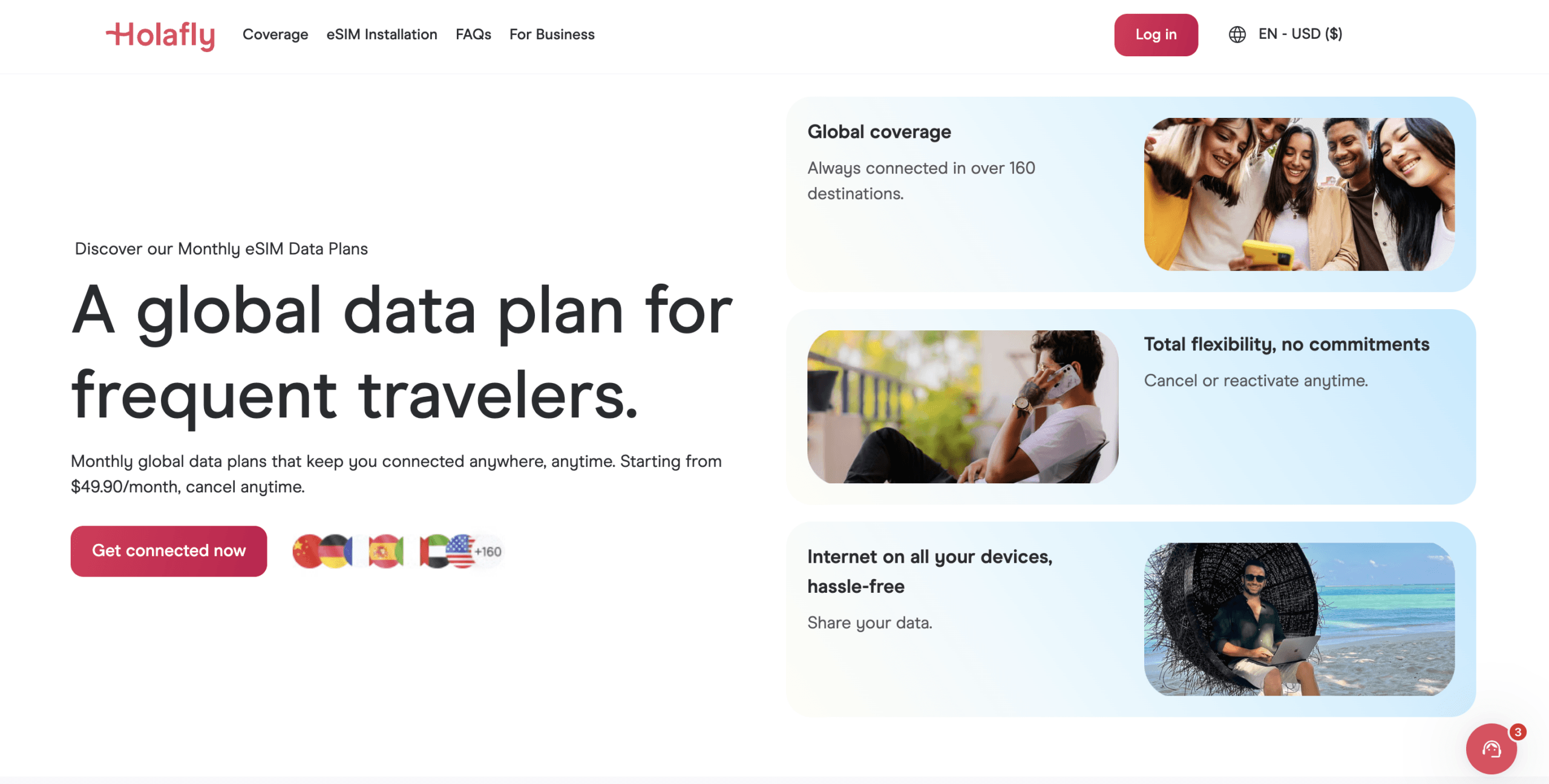
The landscape of international telecommunications is undergoing a significant transformation as digital infrastructure replaces traditional physical hardware. The emergence of the embedded SIM (eSIM) has fundamentally altered how travelers maintain connectivity, moving from a fragmented market of local physical cards to streamlined, software-based solutions. Recently, the industry has seen a pivot from one-off, destination-specific data packages to continuous, subscription-based global models. This shift represents a broader trend in mobile technology: the decoupling of service from physical hardware and the move toward a unified, borderless digital identity.
Understanding the eSIM Paradigm Shift
To comprehend the significance of this development, one must first distinguish between the legacy approach and the current technological standard. An eSIM is a virtual SIM card embedded directly into the smartphone’s motherboard. Unlike traditional physical SIM cards, which require users to visit retail kiosks, navigate language barriers, and manually swap components upon crossing a border, an eSIM is managed entirely via software.
This technology allows a single device to store multiple profiles simultaneously, enabling users to toggle between a home carrier and an international service provider without physically altering the phone. The industry has now moved beyond the initial implementation phase of this technology, shifting toward integrated, multi-country subscription models that function as a singular, persistent global mobile plan.
Chronology of the Global eSIM Market
The commercialization of eSIM technology began in earnest around 2018, with the release of Apple’s iPhone XS and XR series. Initially, adoption was slow due to limited carrier support and consumer unfamiliarity. By 2020, as the COVID-19 pandemic curtailed international movement, the technology remained largely niche.

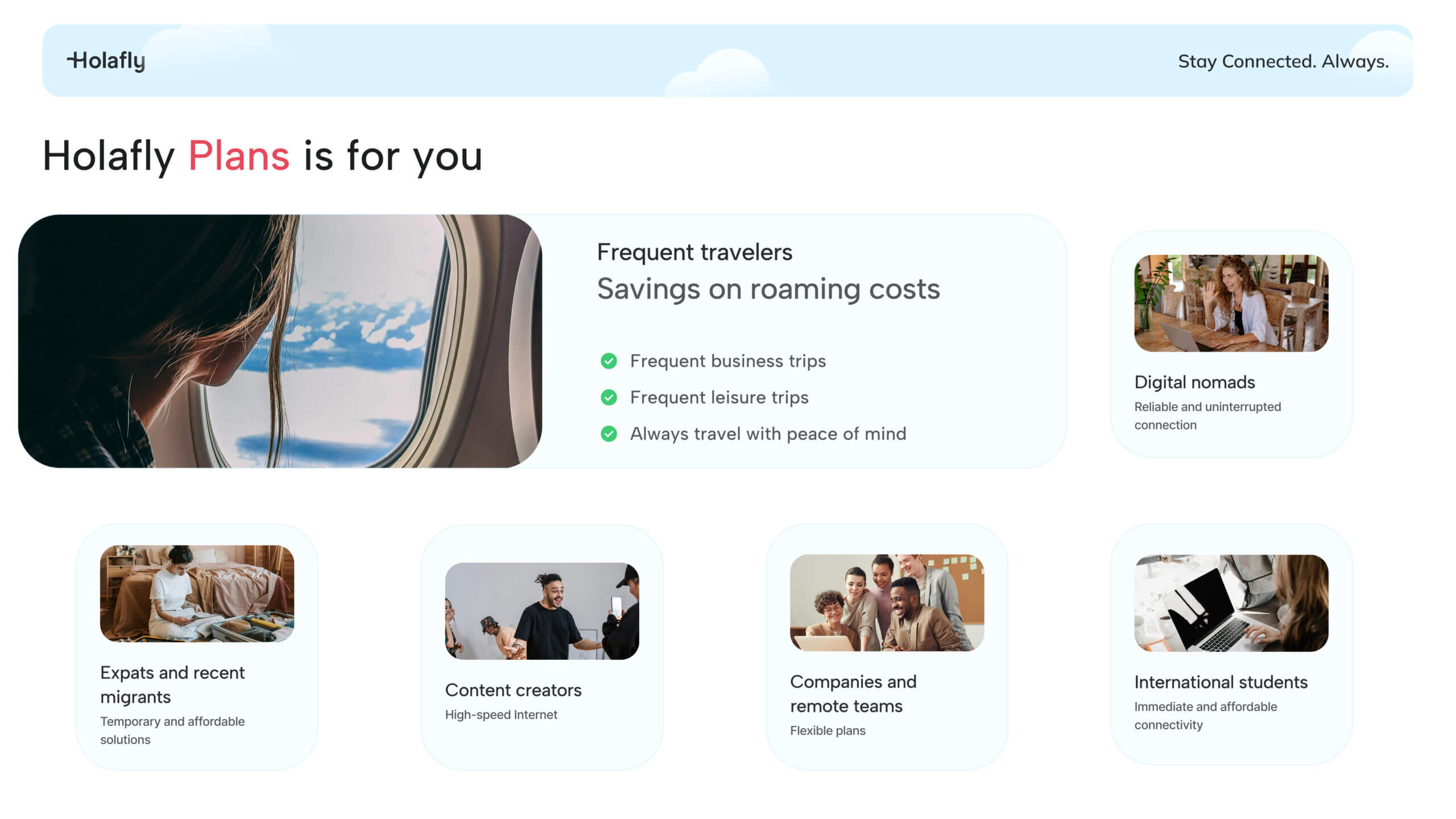
However, as international travel surged between 2022 and 2024, the demand for affordable, high-speed data connectivity spiked. Early market entrants provided single-country or regional packages, often forcing frequent travelers to purchase multiple data vouchers over the course of a multi-country trip. In late 2025 and early 2026, companies began responding to user friction by introducing "Global Plans"—subscriptions that eliminate the need to purchase separate connectivity for each destination. This evolution reflects the needs of the "digital nomad" demographic, which now includes millions of professionals who require reliable, consistent data access across diverse jurisdictions.
Comparative Analysis of Connectivity Models
The current market offers three distinct tiers of service: local physical SIMs, single-trip eSIMs, and the emerging class of global subscription plans.
- Local Physical SIMs: Historically the gold standard for cost, these are becoming increasingly impractical. They often involve time-consuming visits to mobile carrier stores, potential language barriers, and the risk of losing one’s home SIM card.
- Single-Trip eSIMs: These provide convenience by allowing activation via QR code or mobile application. They are ideal for short-term vacations (e.g., a 10-day trip to one country). However, they lack long-term continuity.
- Global Subscription Plans: These represent the most significant technological leap. By utilizing a single eSIM profile that remains active regardless of geographical location, these plans effectively act as a global roaming service. This model typically features "Always On" data, ensuring that even if a user exhausts their primary data allotment, they maintain basic connectivity for essential messaging and navigation services.
Data-Driven Implications for Consumers
For a frequent traveler, the cost differential between these models is substantial. Data compiled from major international roaming providers suggests that users relying on "international day passes" from domestic carriers in North America and Europe can spend between $100 and $300 per month for limited, throttled data. In contrast, emerging subscription-based eSIM services offer unlimited data packages for a flat monthly fee typically ranging from $50 to $70.
Beyond cost, the technical advantage lies in the integration of secondary services. For instance, some premium subscription tiers now include a virtualized phone number (based in the US, UK, or Canada), which allows users to receive SMS verification codes—a critical function for banking, email security, and multi-factor authentication, which are often inaccessible with data-only plans.
The "Ultra" Tier and Value-Added Services
A recent development in this sector is the integration of auxiliary services into mobile plans. Some providers have begun offering "Ultra" tiers that combine connectivity with travel-related support services, such as access to professional consultations, digital health resources, and minor travel insurance components.
Industry analysts observe that this strategy is intended to increase the "stickiness" of the service. By bundling connectivity with value-added benefits, providers are attempting to position themselves not just as mobile carriers, but as comprehensive travel assistants. While these plans do not replace comprehensive medical or trip-cancellation insurance, they provide a buffer for common travel inconveniences, such as lost luggage or the need for immediate, localized advice.
Operational Benefits and Limitations
The primary benefit of the subscription model is the reduction of "hassle factor." Once a user installs the eSIM, the service operates seamlessly across 160+ countries. The system automatically detects the local network and re-registers the device, mimicking the behavior of a domestic plan but at a global scale.
However, there are technical limitations. Users must possess carrier-unlocked, eSIM-compatible devices. Older hardware, or devices purchased in highly restrictive markets, may not support the necessary protocols. Furthermore, while the coverage is extensive, remote or geopolitically restricted regions may still present connectivity gaps that require local physical alternatives.
Strategic Considerations for the Digital Nomad
For the modern traveler, the selection of a data plan has become as critical as selecting a flight or accommodation. The shift toward subscription-based eSIMs mirrors the broader "Software as a Service" (SaaS) model applied to telecommunications.
When selecting a plan, travelers should evaluate three specific factors:
- Data Volume and Throttling: Determine if the plan provides a true unlimited data cap or if it throttles speeds after a certain threshold.
- Hotspotting Capability: For remote workers, the ability to tether a laptop to a phone is essential. Premium plans generally include this, whereas budget-tier options often restrict it.
- Support Infrastructure: Because these services are entirely digital, the availability of 24/7 technical support is a vital indicator of reliability.
Conclusion: The Future of Global Connectivity
The telecommunications sector is clearly moving away from the era of individual, country-specific SIM cards. As international travel becomes more fluid, the expectation for "always-on" connectivity—that is as reliable as a home internet connection—is increasing.
By centralizing global connectivity into a single, subscription-based eSIM, the industry has successfully lowered the barrier to entry for international communication. While the "classic" single-trip eSIM will remain the best choice for the casual vacationer, the subscription model provides a clear, cost-effective, and technically superior alternative for the frequent international traveler. As technology continues to mature, we can expect further integration of data services with travel insurance, financial security, and localized digital support, further streamlining the experience of global mobility.
Ultimately, the goal of these services is to render the concept of "roaming" obsolete. By treating the globe as a single, unified network, these subscription plans are effectively democratizing high-speed, reliable connectivity, allowing travelers to focus on their itineraries rather than the logistics of their mobile connection. The transition is not merely a convenience; it is a fundamental shift in how global citizens interact with the digital world while in transit.