Deep Dive into the Epic World of Homer’s Odyssey: A Comprehensive Guide to Ancient Greek Literature and History

The enduring fascination with Homer’s Odyssey persists as a cornerstone of Western literature, serving as both a primary historical reference and a rich tapestry of mythological narrative. Spanning approximately 12,000 lines of dactylic hexameter, the epic poem chronicles the ten-year journey of Odysseus, King of Ithaca, as he attempts to return home following the decade-long Trojan War. As contemporary audiences continue to engage with these narratives through film, literature, and digital media, scholars and educators are increasingly emphasizing the importance of understanding the historical and mythological context that birthed these ancient legends.
Historical Context and the Homeric Tradition
The Odyssey, attributed to the blind poet Homer and composed roughly in the 8th century BCE, functions as a sequel to the Iliad. While the Iliad focuses on the final weeks of the siege of Troy, the Odyssey details the chaotic aftermath and the subsequent collapse of the Mycenaean world order. Historically, the Trojan War—if grounded in reality—is thought to have taken place during the late Bronze Age, around the 12th century BCE.
Archaeological evidence, most notably the excavations conducted by Heinrich Schliemann in the late 19th century, suggests that the city of Troy (Hisarlik in modern-day Turkey) was indeed a site of repeated conflict and destruction. Scholars note that while the Homeric epics are heavily stylized, they reflect the societal structures, honor codes, and navigational challenges of the era. The poem acts as a bridge between the oral traditions of the Mycenaean Greeks and the written literary culture of the Archaic period, providing a rare glimpse into the transition from a society governed by divine intervention to one defined by human agency and political structure.
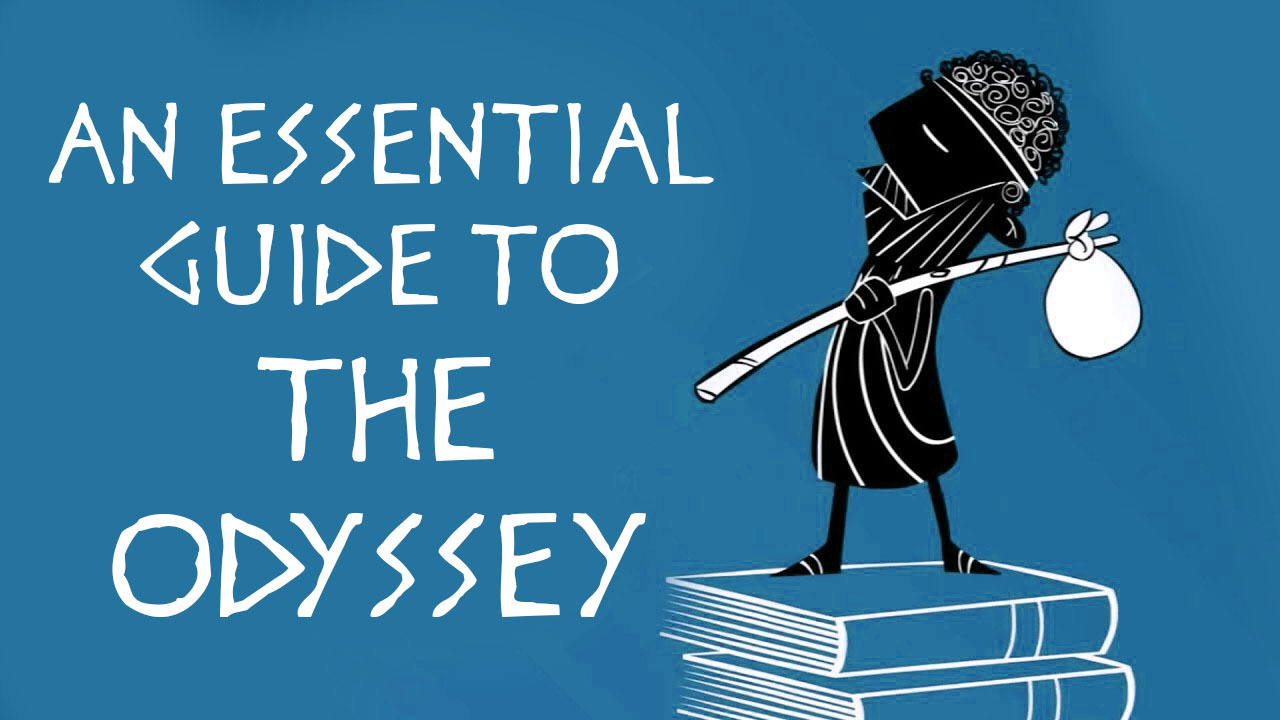
Chronological Analysis of the Narrative
The timeline of the Odyssey is non-linear, a technique that has influenced narrative structure for millennia. The epic begins in media res—in the middle of things. By the time the poem commences, Odysseus has already spent ten years at war and several years wandering the Mediterranean.
- The Departure: Following the fall of Troy, the Greek forces scatter. Odysseus begins his journey home, only to be delayed by the wrath of the sea god, Poseidon.
- The Trials: The narrative traverses various islands, including the land of the Lotus-Eaters, the island of the Cyclops Polyphemus, and the domain of the sorceress Circe.
- The Underworld: A critical juncture occurs when Odysseus descends into the Underworld, an episode that serves as an allegorical exploration of mortality and the Greek perception of the afterlife.
- The Return: The final acts focus on the restoration of order in Ithaca, where Odysseus must reclaim his throne from the suitors who have besieged his household during his two-decade absence.
Investigating the Mythological and Scientific Intersection
Modern inquiry into the Odyssey often seeks to reconcile the fantastic with the empirical. Researchers in fields ranging from geology to marine biology have examined the poem for potential links to real-world phenomena. For instance, the legendary "monsters" described by Homer—such as Scylla and Charybdis—are frequently interpreted by marine historians as symbolic representations of dangerous navigational hazards in the Strait of Messina.
Furthermore, the myth of the Trojan Horse remains one of the most debated elements of the epic. While the poem presents the horse as a divine instrument of Greek victory, historical analysis suggests it may have been a metaphor for a siege engine, such as a battering ram or a mobile tower, which were common in ancient warfare. Similarly, the tragic figure of Laocoön, the priest who attempted to warn the Trojans of the impending trap, highlights the cultural preoccupation with prophecy and the inevitability of fate within Greek society.
Educational Resources and Media Integration
To assist students and enthusiasts in navigating the complexities of the Odyssey, several educational platforms have curated collections of expert-led video content. These resources break down the epic into digestible segments, focusing on:
- Literary Structure: Understanding the 12,000-line architecture and the evolution of the hero archetype.
- Mythological Foundations: Exploring the roles of figures such as Achilles, Zeus, and the lesser-known but equally significant characters like Baucis and Philemon.
- Archaeological Reality: Evaluating the veracity of Homer’s geography and the actual historical site of Troy.
These resources are designed to bridge the gap between academic research and public consumption. By utilizing visual media, educators can contextualize complex themes such as the "Odyssean Hero," characterized by metis (cunning or intelligence) rather than just brute strength, a significant departure from the traditional warrior ideals depicted in the Iliad.
Broader Impact and Modern Implications
The cultural footprint of the Odyssey extends well beyond the classroom. The themes of exile, the longing for home, and the struggle against systemic adversity resonate with contemporary audiences. The pedagogical shift toward digital storytelling—incorporating videos, interactive puzzles, and gaming—reflects a broader trend in humanities education to engage learners through multifaceted media.
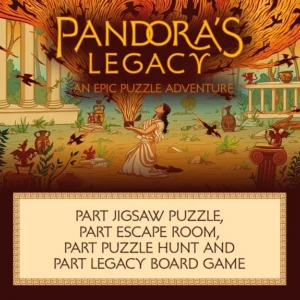
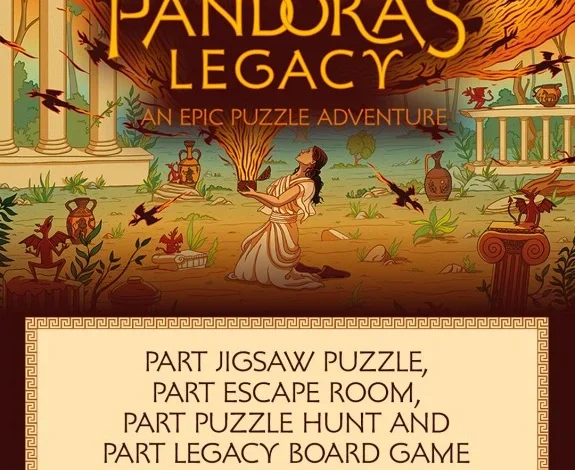
Games like "Pandora’s Legacy," which utilize Greek mythology as a framework for interactive problem-solving, represent this intersection of classic literature and modern entertainment. Such initiatives are intended to maintain the relevance of ancient texts in a fast-paced digital environment. Critics of these methods argue that they risk oversimplifying the source material; however, proponents maintain that they serve as a necessary entry point, fostering curiosity that leads to deeper engagement with the primary texts.
Conclusion
The Odyssey remains a definitive work of literature, offering insights into the human condition that remain pertinent thousands of years after its composition. Through a combination of historical investigation, archaeological scrutiny, and modern educational tools, the epic continues to be analyzed as a living document. Whether through the study of the Trojan War’s historical legitimacy or the psychological depth of its protagonists, the work demands a rigorous approach to understanding how ancient myths shape modern identity. As researchers continue to uncover evidence regarding the Bronze Age collapse, the Odyssey will undoubtedly remain a primary source for both the historian and the student of literature, serving as a reminder of the enduring power of narrative to define civilization.