The Future of the Marvel Cinematic Universe: A Comprehensive Guide to Upcoming Projects and Strategic Shifts

Marvel Studios is currently navigating a pivotal transition period as it shifts away from the rapid-fire content output that characterized the early years of the Multiverse Saga. Following a period of market saturation and mixed critical reception, the studio has formally adopted a "quality over quantity" mandate. This strategic pivot, spearheaded by Disney and Marvel leadership, signals a return to the production philosophy that defined the Infinity Saga, prioritizing fewer, more impactful theatrical releases and a streamlined television strategy focused on multi-season narratives rather than one-off limited series.
As the studio prepares to conclude its current multiversal narrative arc, the focus has shifted toward long-term franchise stability, the integration of newly acquired properties, and the cultivation of established characters. This transition is not merely a creative choice but a logistical necessity as the studio manages a complex pipeline of projects extending into the end of the decade.
The Strategic Pivot: Refining the MCU Roadmap
The industry-wide conversation regarding "superhero fatigue" has prompted a significant recalibration at the Disney-owned studio. Recent internal data and box-office performance, including the successful $2.5 billion global run of recent entries, have validated the decision to restrict the theatrical slate to a maximum of three films per year.
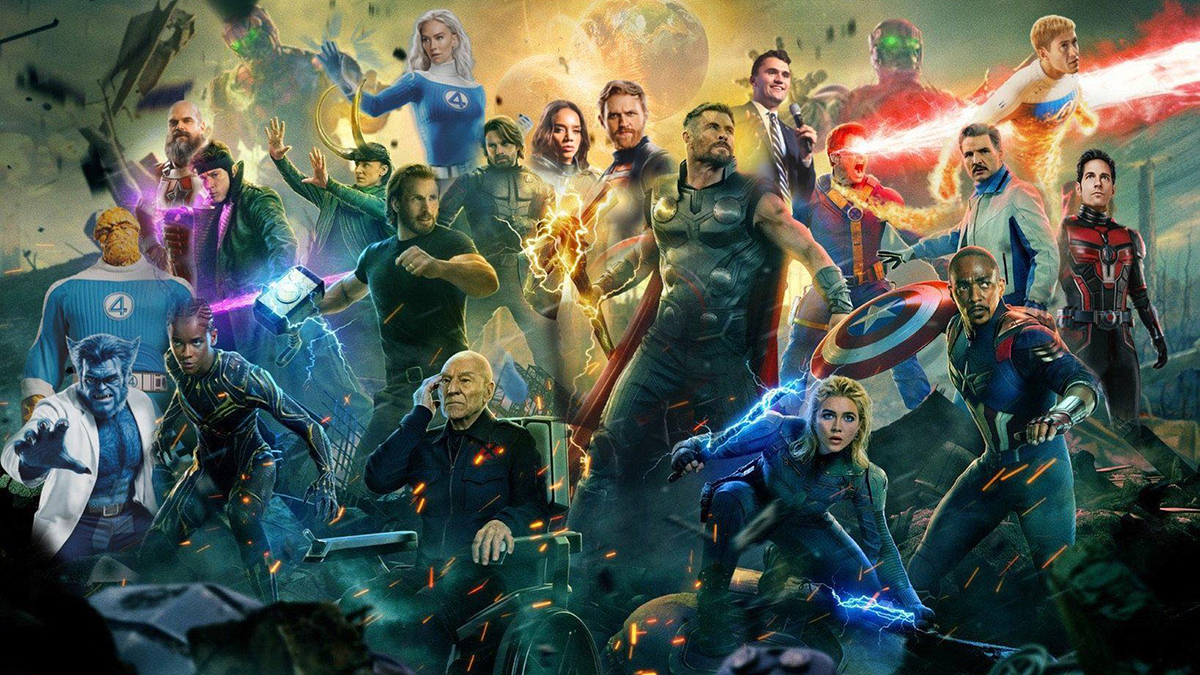
This reduction is coupled with a significant overhaul of the television division. Marvel Television is moving away from the "limited series" format that often struggled with pacing and narrative cohesion. Instead, the studio is leaning into traditional, multi-season structures that allow for character development over longer arcs. This approach is intended to ensure that every project feels essential to the overarching cinematic universe, reducing the homework required for casual viewers to keep pace with the primary narrative.
The Multiverse Saga Conclusion and Beyond
The current roadmap is anchored by the two-part climax of the Multiverse Saga: Avengers: Doomsday and Avengers: Secret Wars. These projects are designed to act as both a culmination of the last several years of storytelling and a bridge to a refreshed, potentially rebooted, status quo.
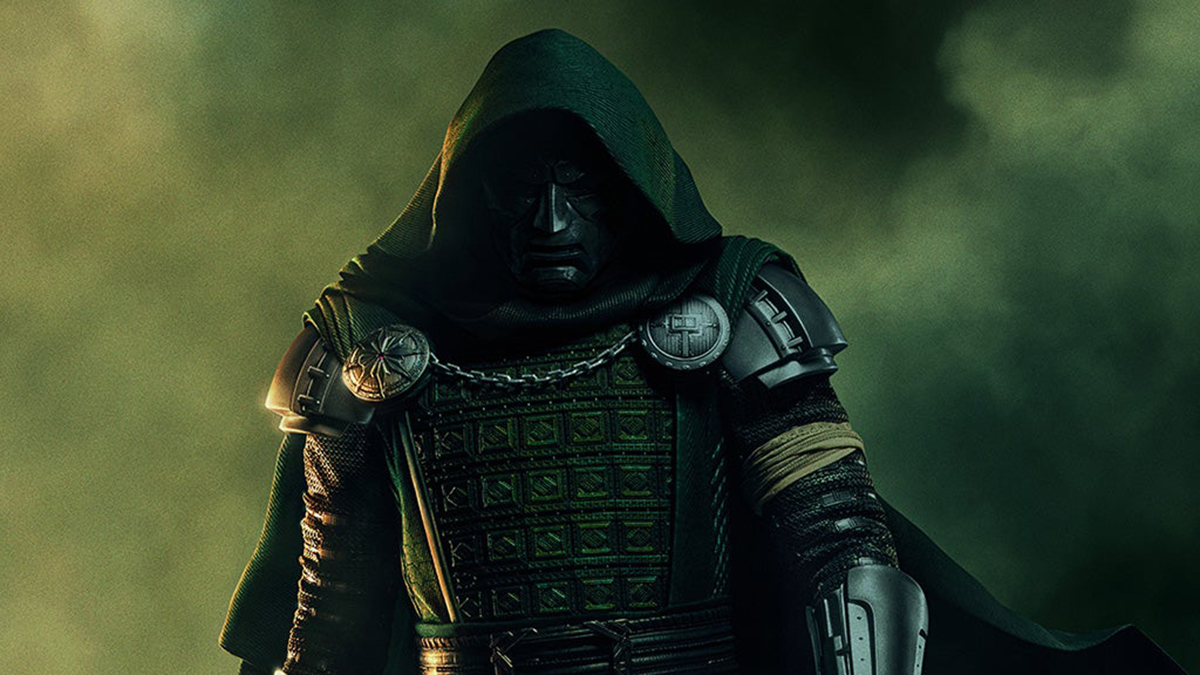
Avengers: Doomsday (December 18, 2026)
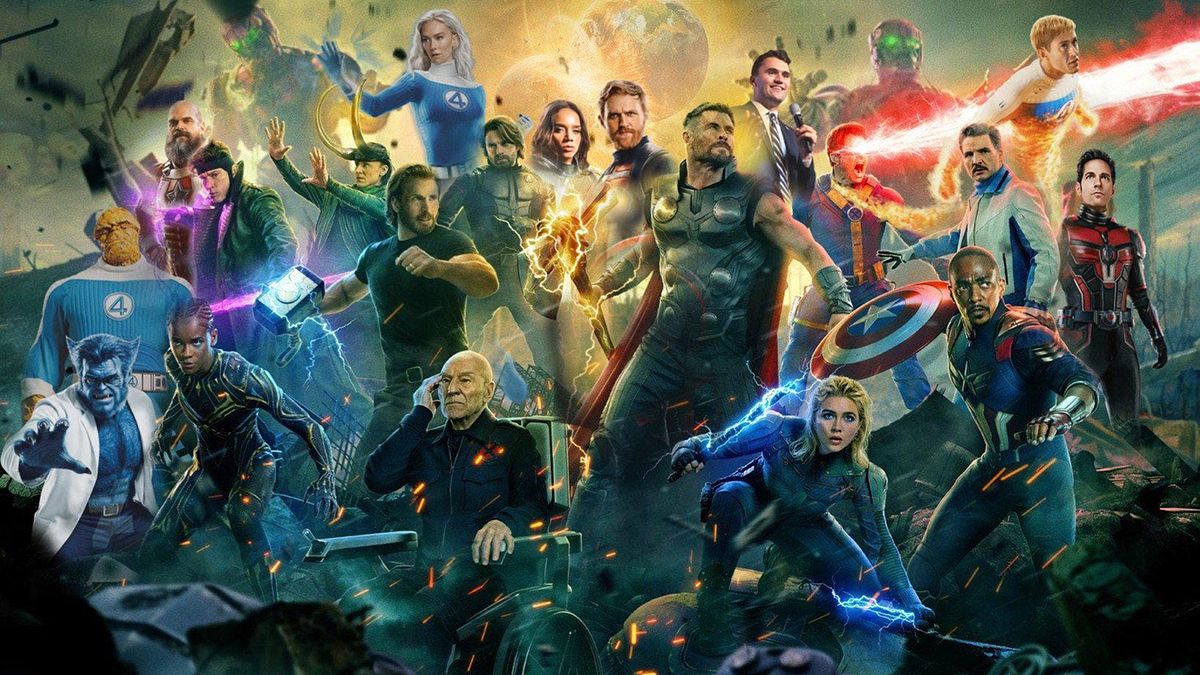
Directed by Anthony and Joe Russo, Avengers: Doomsday represents a homecoming for the directing duo behind Avengers: Infinity War and Avengers: Endgame. With a script involving Stephen McFeely and Michael Waldron, the project is positioned as the most ambitious undertaking in the studio’s history. It is expected to unite key pillars of the Marvel legacy, including the Avengers, the Fantastic Four, and the original X-Men cast, as the multiverse reaches its breaking point. The narrative is expected to deal directly with the "incursions" that have been established as the central threat throughout the current phase.
Avengers: Secret Wars (December 17, 2027)
Serving as the direct follow-up to Doomsday, Secret Wars is set to release exactly one year later. While plot details remain under strict embargo, the title draws from the 2015 Jonathan Hickman comic book run, which is widely considered one of the most influential events in modern Marvel literature. Industry analysts expect this film to serve as the narrative "soft reboot" point for the entire franchise, potentially resetting the continuity to allow for a streamlined storytelling path in Phase Seven and beyond.
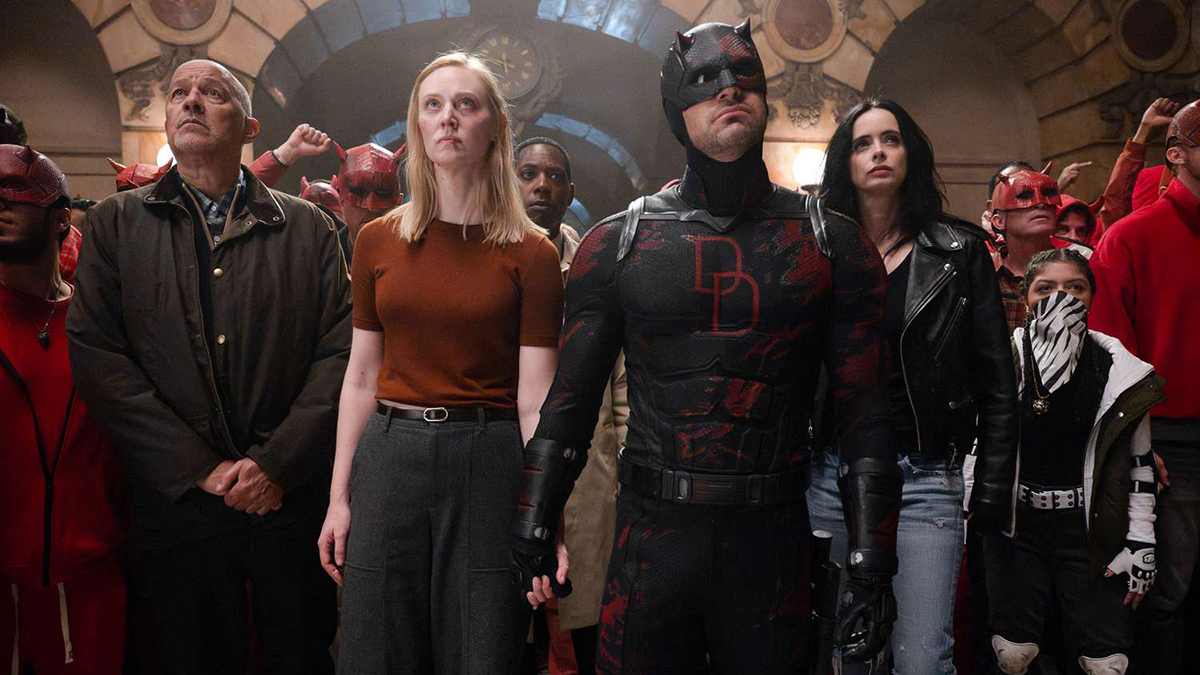
Television Evolution: Daredevil and the Return of the Defenders
The television slate is undergoing a rigorous restructuring. Daredevil: Born Again stands as the flagship series for this new era. After an initial season that faced significant creative hurdles, the series has moved into its third season with showrunner Dario Scardapane. The return of actors like Charlie Cox, Krysten Ritter, Mike Colter, and Finn Jones signals a formal, long-term integration of the Netflix-era characters into the main MCU continuity. By utilizing an eight-to-nine episode structure, Marvel is aiming for a tighter, more serialized narrative that avoids the "filler" issues that plagued earlier Disney+ productions.
Furthermore, the introduction of Zodiac—a project revealed at the 2026 New York Comic Con—marks a shift toward international espionage and grounded thriller aesthetics. Described by Marvel Television executive Brad Winderbaum as a "globetrotting, international espionage show," it represents a departure from the cosmic and multiversal stakes of recent years. The project is expected to film in London, signaling a move toward more diverse production locations and varied genres within the television portfolio.
Phase Seven: X-Men, Ghost Rider, and the New Guard
As the studio looks toward 2028 and beyond, the focus shifts to integrating the X-Men and exploring darker corners of the supernatural landscape.
The X-Men (May 5, 2028)
Perhaps the most anticipated project on the horizon is the MCU’s first official X-Men film. Under the direction of Jake Schreier, the film is expected to serve as the launchpad for Phase Seven. Casting reports have identified Kit Connor as Cyclops, Sadie Sink as Jean Grey, and Christopher Abbott as Charles Xavier, among others. While the film is expected to feature a fresh take on the mutant population, the studio is managing expectations regarding the inclusion of iconic villains like Magneto, suggesting a slow-burn approach to the character’s introduction.
Ghost Rider (July 28, 2028)
In a surprise expansion into the supernatural, Marvel has tapped Shawn Levy—fresh off the success of Deadpool & Wolverine—to direct a Ghost Rider feature starring Ryan Gosling. This project is expected to lean into the darker, hellish aesthetics of the source material. The implications for the wider MCU are significant, as it provides a natural pathway for a "Midnight Sons" crossover, incorporating characters like Doctor Strange and other supernatural entities into a dedicated, horror-adjacent sub-franchise.
Black Panther 3 (December 15, 2028)
Director Ryan Coogler is set to conclude his trilogy with a third Black Panther installment. The project is notable for the confirmed casting of Denzel Washington and the introduction of David Jonsson as the new T’Challa. This film will be a critical test for the studio’s ability to manage legacy characters while introducing new leads, and it remains a high-priority asset for the studio’s global brand strategy.
Thematic and Structural Implications
The decision to return to a "quality over quantity" model is a direct response to the dilution of the brand identity that occurred between 2021 and 2024. By extending the gap between event films and limiting the volume of content, Marvel Studios is attempting to restore the "event" status of its theatrical releases.
The animation slate, specifically the Marvel Zombies anthology, also reflects this refined strategy. By moving from a standard episodic series to a recurring, Halloween-themed two-part special format, the studio is experimenting with how it can keep the brand relevant during off-peak seasons without overextending its production resources. These three specials—The Winter Soldier, The Fist of Khonshu, and The Last Guardian—are intended to provide quick, high-impact storytelling that serves as a bridge between major live-action releases.
Broader Market Context
The success of these upcoming projects will be fundamental to the health of the broader superhero genre. With Disney and Marvel Studios effectively setting the standard for cinematic universes, their internal shift serves as a case study for the entire industry. The transition from the "Volume Era" to the "Strategic Era" is characterized by:
- Production Discipline: A return to longer lead times and more rigorous pre-production cycles.
- Narrative Focus: A commitment to character-centric storytelling rather than "universe-building" at the expense of individual story quality.
- Genre Diversification: Expanding into spy thrillers, supernatural horror, and grounded character dramas to mitigate the risks associated with the traditional "superhero" formula.
As the studio prepares for the 2026–2029 window, the focus remains on regaining audience trust. The roadmap presented, while subject to the inherent volatility of film production, suggests a studio that is no longer racing to fill a streaming service, but is instead carefully curating its next generation of intellectual property. The integration of the X-Men, the revival of the Ghost Rider property, and the conclusion of the Black Panther trilogy indicate a studio that is betting on its core strengths while simultaneously preparing to pivot into new, darker, and more varied narrative territories.