NASA Launches New Perseverance Sample Retrieval Architecture to Secure Mars Specimens for Earth Return

The National Aeronautics and Space Administration has officially inaugurated a strategic pivot in its long-standing endeavor to transport geological specimens from the Martian surface back to Earth. Known as the Perseverance Sample Retrieval Architecture, or PSRA, this newly formalized initiative represents a critical recalibration of the agency’s Mars Sample Return (MSR) program, which has faced significant budgetary and logistical scrutiny over the past two years. The announcement, delivered by Tiffany Morgan, director of the NASA Mars Exploration Program (MEP), during a virtual meeting of the Mars Exploration Program Analysis Group (MEPAG) on November 9, signals a methodical effort to streamline the mission’s architecture and stabilize its fiscal trajectory.
The fundamental objective of the MSR program remains the retrieval of diverse samples currently being curated by the Perseverance rover within the Jezero Crater. Since its landing in February 2021, the car-sized robotic explorer has been systematically collecting core samples of igneous and sedimentary rock, as well as atmospheric gas, that may contain the chemical signatures of ancient microbial life. The PSRA initiative is tasked with evaluating the most efficient, cost-effective, and technically sound methods to retrieve these sealed canisters and launch them into a trajectory toward Earth, where they can be subjected to the rigorous analysis of high-end laboratory instrumentation unavailable to current rover technology.
A History of Fiscal and Logistical Hurdles
The urgency behind the PSRA stems from a series of independent reviews that cast doubt on the feasibility of previous MSR mission designs. In 2023 and early 2024, internal and external auditors identified significant "sticker shock" regarding the program’s projected costs. One iteration of the mission plan suggested an expenditure reaching $11 billion, with a sample return date potentially slipping to 2040. NASA leadership deemed such a timeline and price point unsustainable, prompting a comprehensive re-evaluation of the mission’s core requirements.
Subsequent task forces investigated more streamlined approaches, including "ship-and-shoot" methodologies that could theoretically reduce costs to approximately $8 billion and advance the return date to 2035. However, these figures remain sensitive to technological variables, launch vehicle availability, and the complexity of the landing and ascent systems required to operate on the Martian surface. The PSRA is designed to bridge the gap between these competing visions, providing a definitive roadmap that balances scientific ambition with congressional budget realities.
The process of establishing this new strategy is set to follow a rigorous timeline. NASA has scheduled a formal kickoff for the PSRA strategy team in January 2027. This group, composed of systems engineers, planetary scientists, and mission architects, will conduct a multi-month analysis of various mission profiles. A final report detailing the chosen architecture is expected to be delivered in the winter of 2027-2028, setting the stage for subsequent procurement and development phases.
The Scientific and Safety Imperatives
The scientific community argues that the return of Martian samples is arguably the most significant next step in planetary exploration. Current rovers are limited by the size and power requirements of their onboard analysis equipment. By contrast, laboratories on Earth can utilize transmission electron microscopes, mass spectrometers, and other advanced tools to identify biosignatures that would be invisible to the instrumentation currently traversing the Red Planet.
However, the rationale for sample return extends beyond pure academic inquiry into astrobiology; it is also a cornerstone of human spaceflight risk mitigation. Bruce Jakosky, a senior researcher at the Laboratory for Atmospheric and Space Physics at the University of Colorado Boulder, has been a vocal proponent of integrating MSR with the broader goal of sending humans to Mars.
In a recent workshop organized by the advocacy group Explore Mars, Inc., experts emphasized that samples are essential for assessing the toxicity of the Martian environment. "The purpose is to understand the risk to astronauts and to hardware," Jakosky explained. "This includes risk from compounds present in the soil that are hazardous to humans if inhaled—specifically perchlorates and chloromethanes. Furthermore, we must understand the mechanical impact of Martian dust, which can cause significant wear and tear on life-support systems, suits, and habitats."
According to Jakosky’s analysis, returning samples before the first human mission is not merely a scientific preference; it is a fundamental safety requirement. Understanding the exact mineralogical and chemical composition of the Martian regolith will allow engineers to design more effective air filtration systems and dust-mitigation protocols for future crewed landers.
The Competitive Landscape: The Tianwen-3 Factor
While NASA recalibrates its internal processes, the global space environment is evolving rapidly. A major driver of the renewed urgency at NASA is the progress of the China National Space Administration (CNSA) regarding its Tianwen-3 mission. Chinese space officials have outlined a mission profile that includes a sophisticated lander, an ascender vehicle, a service capsule, and an Earth-reentry module.
China’s current trajectory suggests a launch date around 2028, utilizing the heavy-lift Long March-5 carrier rockets from the Wenchang Space Launch Site. The CNSA’s goal is to return approximately 500 grams of Martian material to Earth by 2031. This ambitious timeline provides a clear point of comparison for NASA’s planners. Should China succeed in its mission, it would represent a historic milestone in space exploration, potentially shifting the geopolitical landscape of space science and providing a significant impetus for NASA to ensure its own MSR program remains competitive and relevant.
Technical Challenges of the Return Architecture
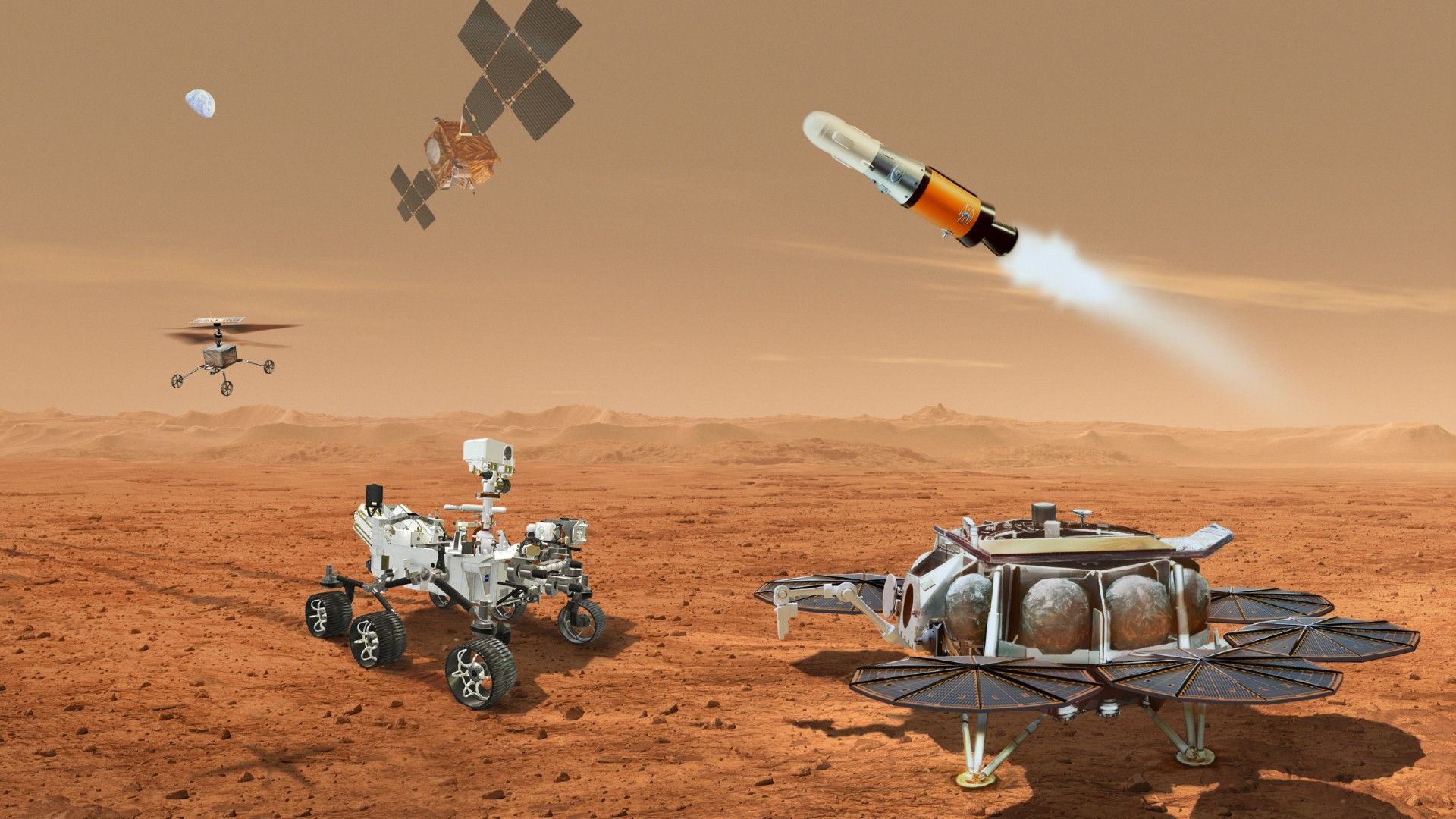
The "Mars Sample Return" challenge is widely considered one of the most difficult engineering feats ever conceived. Unlike lunar missions, which benefit from proximity, Mars requires a multi-stage process involving precise orbital mechanics.
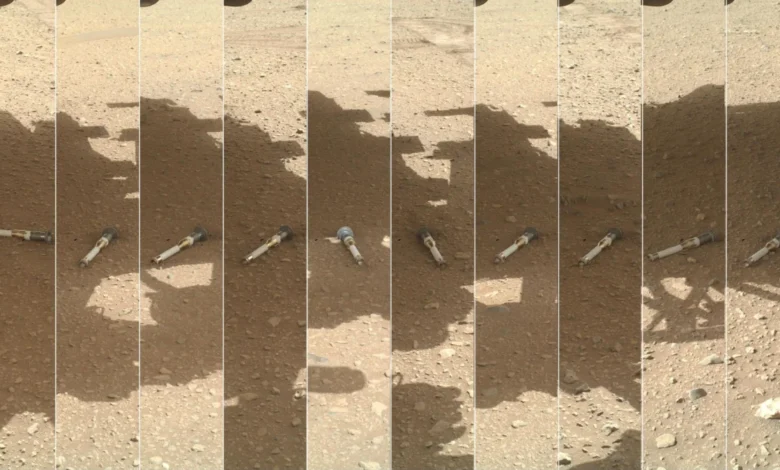
- Collection: Perseverance continues to deposit sample tubes in the Jezero Crater at a designated site known as "Three Forks." These tubes must be located and retrieved by a future lander.
- Launch: A Mars Ascent Vehicle (MAV) must be transported to the surface, successfully loaded with the samples, and launched into a stable Martian orbit.
- Capture: An Earth Return Orbiter (ERO) must perform a high-speed rendezvous with the sample container in orbit, a maneuver that has never been attempted at such a distance.
- Containment: The samples must be housed in a high-security, bio-contained return capsule to ensure that no Martian material is released into Earth’s atmosphere upon landing.
The PSRA team will likely focus on simplifying these steps. One potential area of innovation is the development of smaller, more autonomous recovery vehicles that reduce the overall mass of the landing systems. By lowering the total mass of the payload, NASA can potentially utilize smaller, more cost-effective launch vehicles, thereby addressing the fiscal concerns raised by previous reviews.
Broader Implications and Future Outlook
The shift toward the PSRA strategy reflects a broader trend in NASA’s operations: a transition toward more agile, partnership-driven mission architectures. By engaging with both the scientific community and private sector contractors, NASA aims to build a mission that is "more than the sum of its parts." The integration of the PSRA into the wider Mars Exploration Program ensures that sample return is viewed not as an isolated project, but as part of an interconnected web of Mars-focused exploration goals, including the eventual human exploration of the planet.
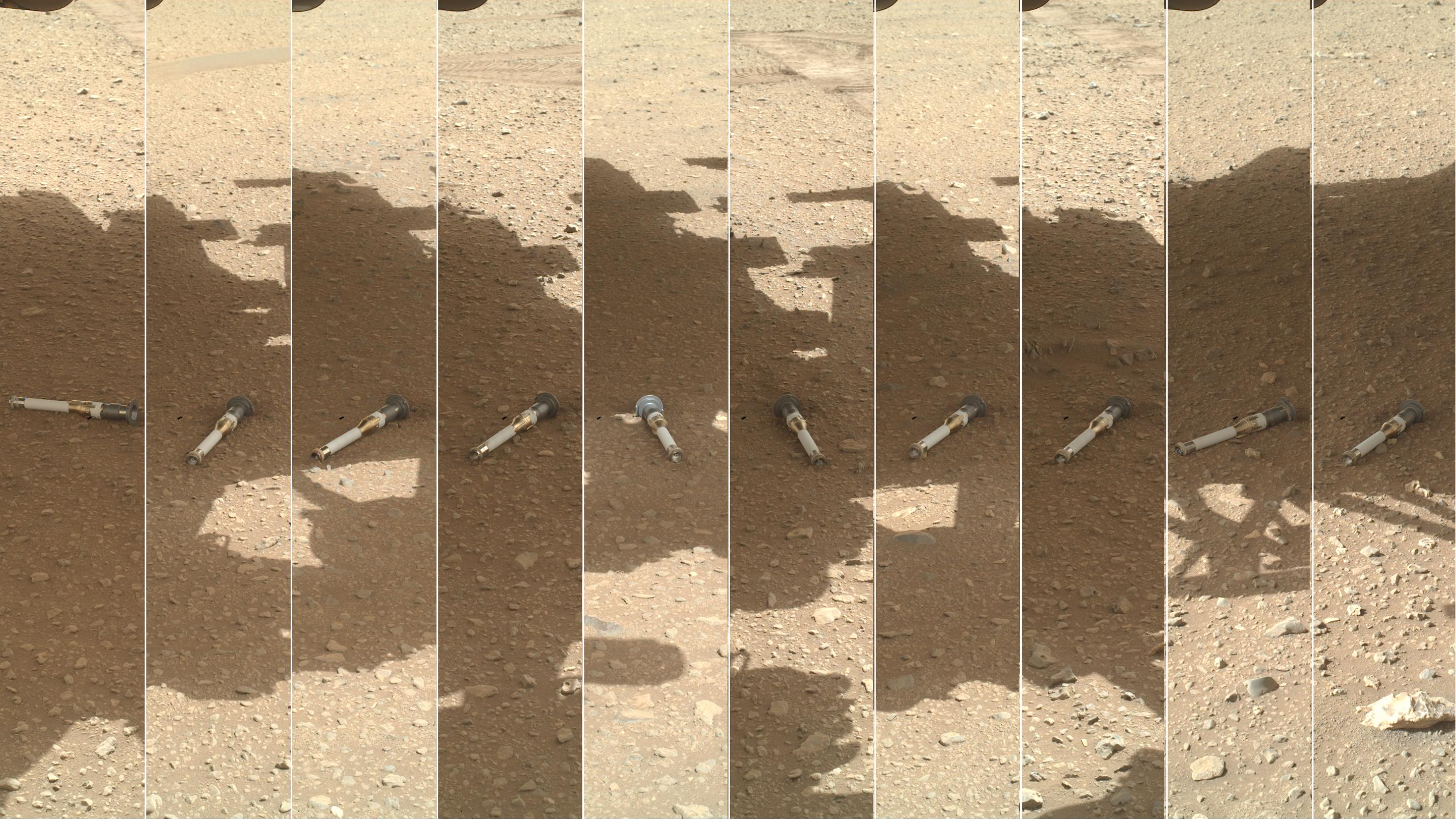
As the agency moves toward the 2027 kickoff date, the focus will be on maintaining technical continuity. Perseverance remains a highly productive asset, having already completed the "Three Forks" sample depot and currently continuing its geological surveys in the crater. These samples are effectively "waiting" for the architecture that the PSRA will define.
Ultimately, the success of the PSRA will be measured by its ability to deliver a tangible, credible path forward. For the global scientific community, the wait for pristine Martian material has been decades in the making. With China’s 2031 target looming and the persistent need for data to support human missions, the next few years of planning under the PSRA will be among the most consequential in the history of robotic planetary exploration. The stakes involve not only the potential discovery of extraterrestrial life but also the foundational knowledge required for the next great leap in human space travel. As NASA pivots, the message is clear: the Red Planet remains the ultimate frontier, and bringing a piece of it back to Earth is a non-negotiable step toward unlocking its secrets.
Related posts: