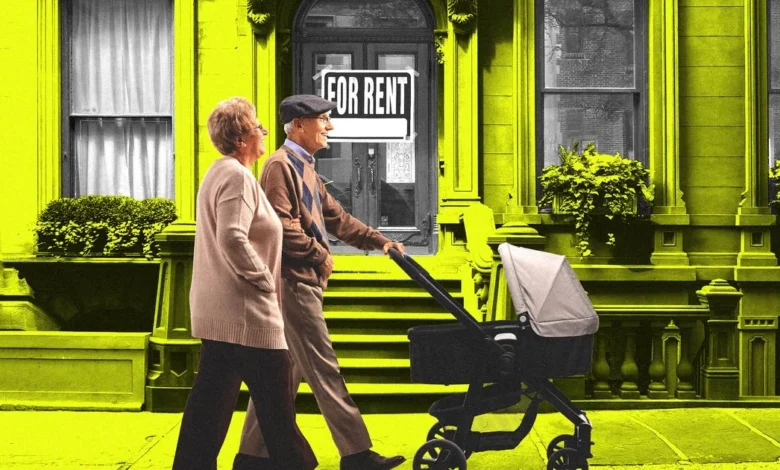
In the increasingly expensive landscape of major metropolitan living, a growing number of families are bypassing traditional day care models in favor of a creative, albeit unconventional, real estate solution: the child-care pied-à-terre. Faced with the staggering costs of urban child care—which, in cities like New York, can often rival or exceed the price of a secondary mortgage or a luxury rental—some parents are opting to rent or purchase separate apartments for their children’s grandparents. By covering the housing costs for older generations, these families are securing reliable, private, and personalized care that they argue provides a more stable emotional environment for their children while proving to be a fiscally sound, if logistically complex, alternative to institutional care.
The Financial Catalyst for a New Housing Trend
The impetus for this trend is rooted in the harsh economic reality of modern parenting. According to recent municipal data, annual child-care costs have risen by at least $4,000 since 2019, with many middle-to-upper-class families in high-cost-of-living areas reporting annual expenses reaching $26,000 for standard day care. For those seeking private, full-time nanny services in competitive neighborhoods, these figures can double or triple, placing immense strain on household budgets.
The economic logic is straightforward: when the monthly cost of a studio or one-bedroom apartment in a outer-borough neighborhood is weighed against the high fees of a reputable daycare or the salary and benefits of a full-time nanny, the "grandparent rental" often emerges as the more economical choice. For families like the Fetters, who first encountered this dilemma in 2021, the choice was not merely about saving money, but about securing a form of care that allowed for a level of trust that they felt was unattainable through external providers.
Chronology of the Shift
The shift toward the "grandnanny" model began to gain traction in the post-2020 era, as families reconsidered their proximity to older relatives.
- 2021: Early adopters began moving retired parents into cities, initially as a temporary measure to assist during the pandemic.
- 2022–2023: As child-care shortages persisted and costs continued to rise, families began formalizing these arrangements by signing long-term leases for grandparents.
- 2024: The trend matured from a temporary emergency measure to a strategic long-term financial plan, with some families opting to purchase property specifically to house grandparents.
- 2026: Current market analysis indicates that while rental costs for these pied-à-terres have also increased, they remain significantly lower than the cumulative costs of multiple children in full-time professional day care.
Operational Challenges and Family Dynamics
While the financial metrics often favor this arrangement, the human element introduces significant friction. The transition from independent living in a suburban or rural environment to the density of an urban center requires a period of adjustment.
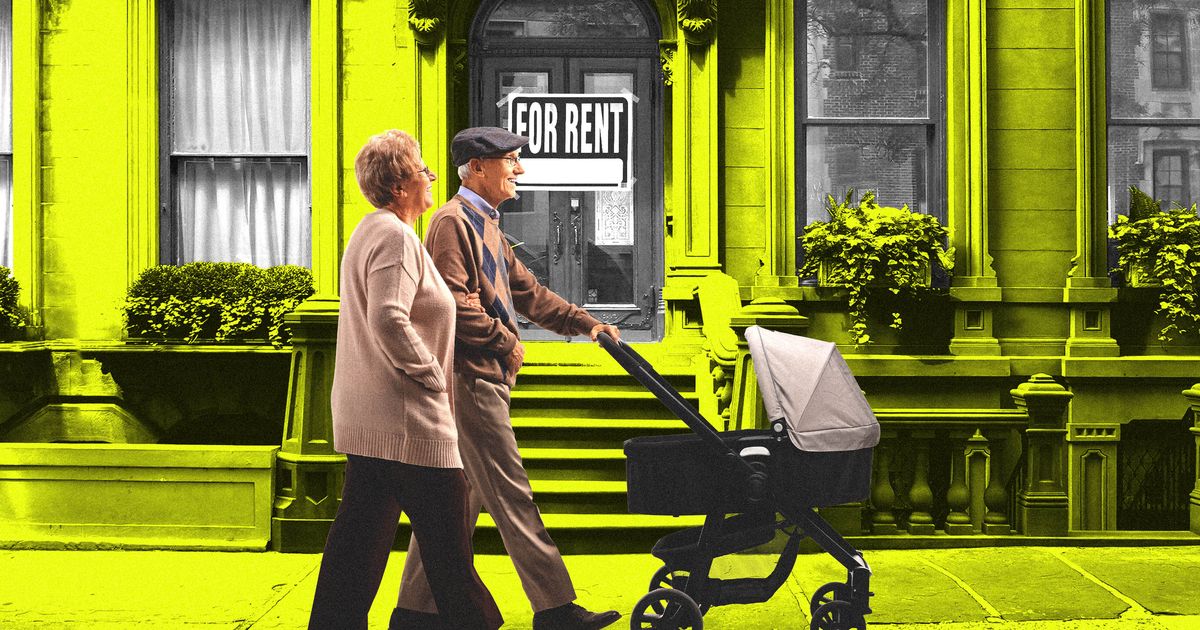
In the case of the Fetters family, who relocated their parents from Cincinnati to Brooklyn, the experience highlighted the "pressure cooker" effect of living in a small, city-center apartment. The older generation, used to the relative space of a single-family home, found themselves adjusting to the logistical demands of city transit and the lack of personal space.
"We were on top of each other, and we had to work that out," says Rob Fetters, who served as a primary caregiver for his granddaughter, Margot. The arrangement required clear boundaries: the grandparents maintained their own residence to preserve their autonomy, while the parents provided the financial support. This separation is key to the success of these arrangements; it prevents the intergenerational friction that often arises when grandparents move directly into the parents’ home, effectively creating a "neutral ground" where the grandparents can retreat after their shifts.
The "Trust" Factor vs. Professional Care
Beyond the numbers, the primary argument for this model is the emotional and developmental well-being of the child. Unlike day care centers, which operate on rigid schedules and maintain high staff-to-child ratios, a grandparent-led model allows for one-on-one attention.
Parents who have utilized this arrangement frequently cite the "trust" factor as the most significant benefit. In an era where apps provide real-time updates and photos from day care centers, many parents find the lack of communication from their own parents—who are busy with the child rather than documentation—to be a refreshing and reliable alternative.
However, this model is not without its pitfalls. Professional care providers offer a level of standardized structure that may be missing in a home environment. Instances of grandparents deviating from parental rules—such as neglecting dental hygiene routines or allowing excessive sugar intake—are common. These incidents require a delicate balancing act where parents must assert their authority without alienating the very people providing them with thousands of dollars in annual savings.
The Limits of the Model: When the Math Stops Working
As the children grow, so do the demands on the caregivers. The physical labor of chasing a toddler, combined with the inevitable exposure to childhood illnesses, often proves too much for aging grandparents. Several families interviewed noted that the arrangement often has an "expiration date." As children enter school or when a second child arrives, the increased workload often necessitates a transition back to traditional day care or school-based programs.

Furthermore, real estate volatility plays a role. In many cases, the rent on the pied-à-terre increases at a rate that eventually narrows the gap between the cost of the apartment and the cost of professional care. When the savings become marginal, the logistical burden of managing a second household often leads families to conclude that the arrangement has reached its natural end.
Broader Socioeconomic Implications
The rise of the child-care pied-à-terre is symptomatic of a broader failure in the urban infrastructure to provide accessible, affordable childcare. Economists point to the fact that when families must resort to purchasing real estate for relatives to solve a basic service gap, it signals a market dysfunction.
While the "grandparent rental" provides an immediate lifeline for those who can afford the overhead of a second lease, it remains a luxury solution. It is not an option for families who lack the capital to secure a lease in the first place or who do not have the family support structure to rely on.
As cities continue to grapple with the high cost of living, this phenomenon highlights the extreme lengths to which parents are willing to go to balance their professional lives with the escalating costs of child-rearing. While the setup offers a heartwarming, multigenerational solution for those who can make it work, it remains a stopgap measure in an economy where the cost of living has fundamentally reshaped the structure of the American family unit. For now, the "grandnanny" era continues, driven by a combination of necessity, love, and the relentless arithmetic of the urban real estate market.