Illuminating the Digital Age: How LED Strip Lights and Ring Lighting Transformed Modern Content Creation and Video Production

The modern landscape of digital media, remote work, and virtual communication has fundamentally shifted how individuals and corporations present themselves to the world. With roughly every second internet user leveraging LED strip lights and specialized photographic lighting for photos and videos, the technology has transitioned from specialized studio gear into ubiquitous consumer hardware. Whether utilized for high-end commercial photo shoots, real estate virtual walkthroughs, professional video conferences, or dynamic live-streaming sessions, the demand for precise, energy-efficient illumination has never been higher. As content creators strive to produce broadcast-quality visuals from home offices and portable studios, understanding the mechanics, varieties, and strategic deployment of light-emitting diode (LED) technology has become essential for visual success.
The Evolution and Core Mechanics of LED Technology
To understand the current ubiquity of LED strip lights, one must examine the foundational technology behind light-emitting diodes. Unlike traditional incandescent bulbs that generate light by heating a metallic filament until it glows—a process that wastes a significant amount of energy as heat—LEDs operate on the principle of electroluminescence. When an electrical current passes through a semiconductor material, electrons recombine with electron holes, releasing energy in the form of photons. This solid-state lighting mechanism allows LEDs to produce bright, directional light while consuming a fraction of the electricity required by legacy lighting systems.
Historically, early iterations of LEDs were limited in brightness and color spectrum, restricting them primarily to indicator lights on electronic appliances. However, rapid advancements in materials science during the late 20th and early 21st centuries led to the development of high-output gallium nitride LEDs. This breakthrough enabled the creation of white light LEDs and RGB (Red, Green, Blue) variants capable of projecting millions of color combinations. Because individual diodes are microscopic, engineers were able to mount them onto flexible circuit boards, giving birth to the modern light strip. These strips can be cut to custom lengths, embedded in protective silicone casings, and controlled remotely via smartphone applications or smart-home ecosystems, revolutionizing both interior design and professional media production.
Categorizing the Spectrum: Types of LED Lighting Fixtures
Today’s market offers a vast array of LED lighting configurations tailored to specific aesthetic and functional requirements. For content creators, real estate professionals, and videographers, selecting the appropriate hardware can dramatically influence the final output of visual media.
Among the most prevalent options are standard LED strip light kits, which typically include a power supply, a controller, and a reel of flexible diodes. These are frequently used for bias lighting behind computer monitors, architectural accent lighting in modern homes, and dynamic background styling for YouTube and TikTok videos. Another major category includes rigid LED bars and panel lights, which provide powerful, diffused illumination suitable for lighting larger subjects evenly without casting harsh shadows.
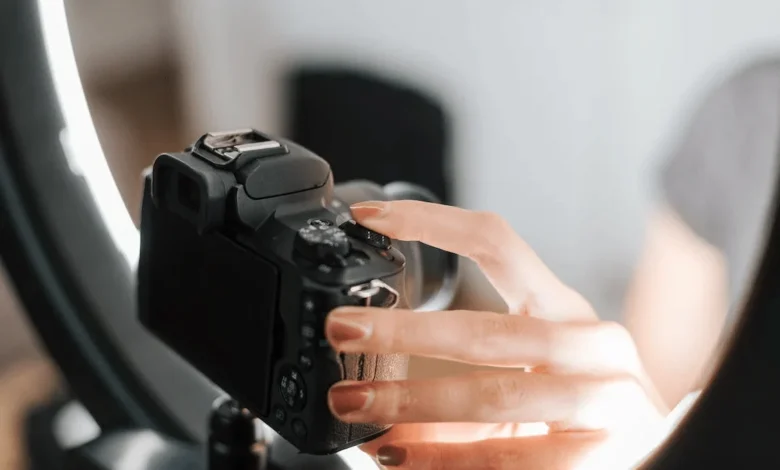
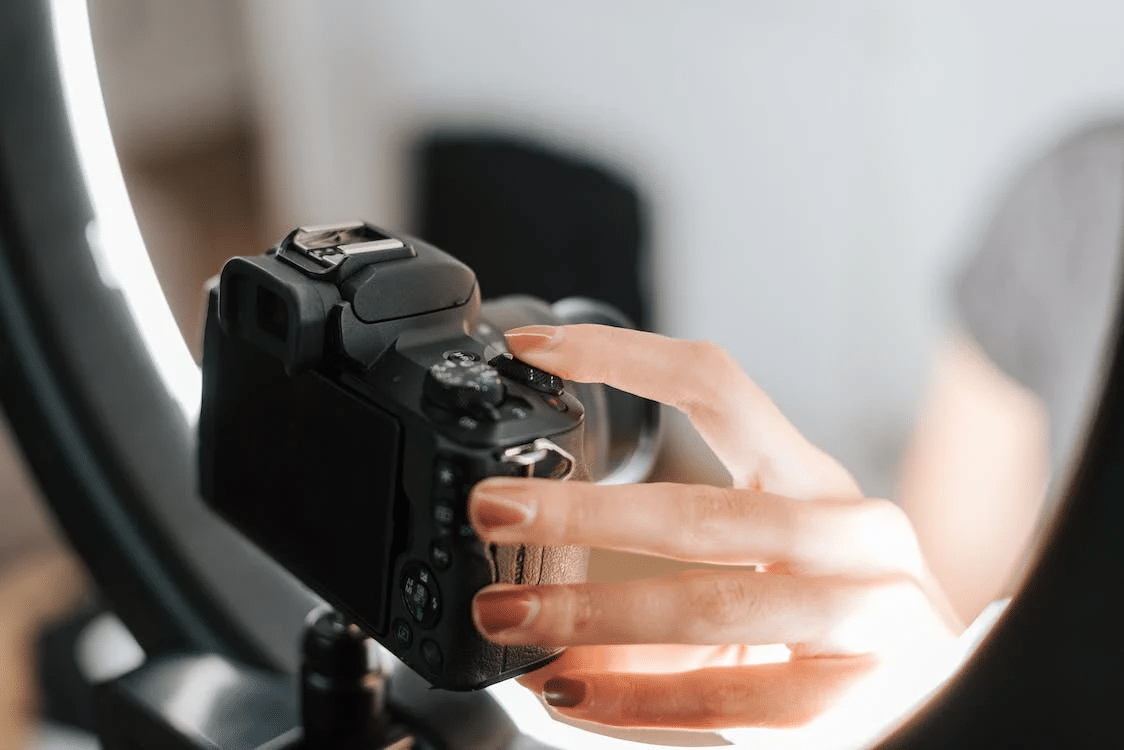
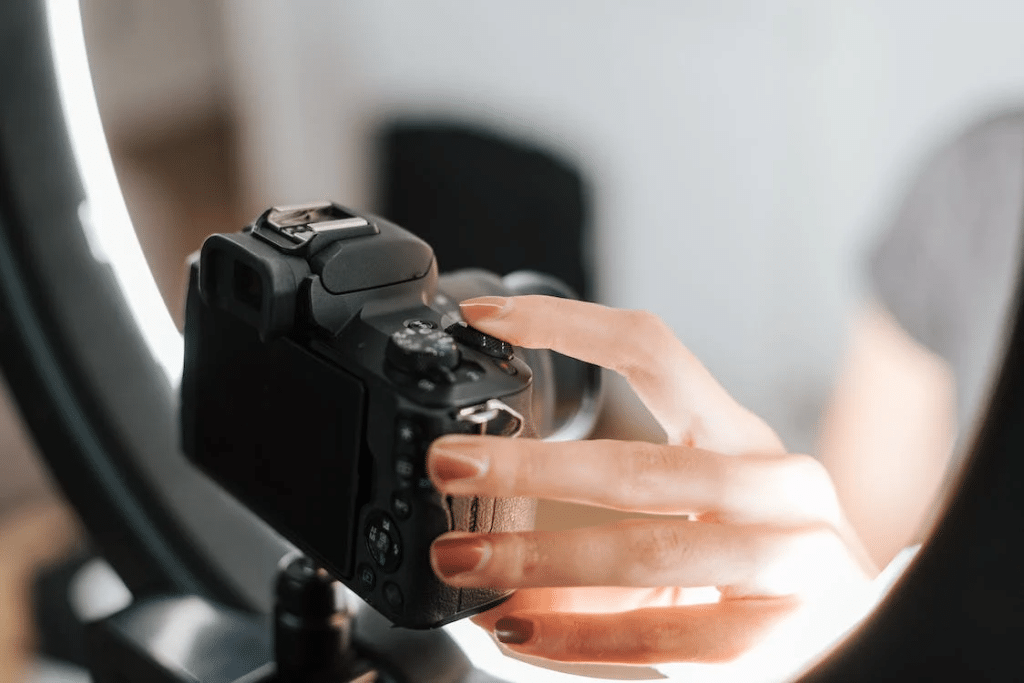
Furthermore, specialized configurations such as ring lights have carved out a dominant market share in the beauty, blogging, and video-conferencing sectors. By arranging dozens or hundreds of small LEDs in a circular pattern with a camera mount positioned precisely in the center, ring lights provide shadowless, balanced illumination directly onto the subject’s face. This design creates a distinctive circular catchlight in the eyes, instantly elevating the perceived professionalism of the video feed. Other variants include flexible neon-effect LED ropes, panel-mounted bi-color fixtures that allow users to adjust color temperature from warm tungsten to cool daylight, and portable pocket-sized LED panels equipped with rechargeable batteries for mobile journalism.
The Strategic Advantages of Ring Lighting and Advanced Photographers’ Tools
Industry professionals across advertising, filmmaking, and digital content creation widely acknowledge the distinct operational advantages offered by modern LED photographic equipment. Chief among these benefits is energy efficiency. LED fixtures generate exceptionally high lumens per watt compared to traditional halogen or fluorescent studio lights. This efficiency translates to significantly lower electricity bills for studios operating banks of lights for hours on end, as well as reduced heat emission. Traditional studio lights can quickly raise the ambient temperature of a small room to uncomfortable levels, whereas LEDs remain cool to the touch, protecting actors, presenters, and sensitive equipment from thermal stress.
Another critical advantage is color accuracy and adjustability. High-quality LED fixtures boast a high Color Rendering Index (CRI), often exceeding 95 out of 100, which ensures that skin tones and object colors appear natural and true-to-life on camera. This eliminates costly and time-consuming color-correction phases during post-production. Additionally, the ability to dynamically adjust color temperature and brightness via digital controls allows creators to seamlessly match their indoor lighting with changing natural light conditions streaming through windows.
Durability and longevity further distinguish LED systems from older technologies. Because they lack fragile glass bulbs and delicate tungsten filaments, LEDs are highly resistant to shock, vibration, and general wear and tear. A standard commercial-grade LED diode can operate for 50,000 hours or more, translating to years of continuous daily use without degradation in light output or chromatic performance.
Maximizing the Potential of LED Installations
While deploying LED strip lights and photographic fixtures may seem straightforward, achieving professional-grade results requires adherence to fundamental lighting principles. Content creators and real estate marketers are advised to carefully evaluate several baseline factors before purchasing and installing their equipment.
First, spatial dimensions and ambient lighting conditions must be analyzed. A small home office requires a vastly different lighting setup than a sprawling open-concept living room or a dedicated production studio. Assessing the distance between the subject and the light source ensures optimal diffusion and prevents overexposure. Second, color temperature harmonization is crucial. Mixing mismatched light sources—such as a cool 5600K LED panel with a warm 3000K household bulb—can result in unnatural color casts that are difficult to correct in video editing software.
Third, diffusion and positioning play a pivotal role in eliminating harsh shadows and specular highlights. Utilizing softboxes, diffusers, or ring lights positioned at eye level directly in front of the subject helps achieve a clean, professional aesthetic. Finally, investing in compatible LED strip light accessories, such as mounting channels, dimmer switches, and remote control units, ensures both safety and creative flexibility. Industry experts suggest consulting specialized suppliers—such as Montreal LEDs—to navigate the vast array of available specifications, ensuring that buyers acquire customized kits tailored to their exact energy, budgetary, and spatial constraints.
Broader Industry Impacts and Future Implications
The widespread adoption of consumer-grade professional lighting has fundamentally democratized media production. Historically, high-end broadcasting required expensive, proprietary studio setups accessible only to major television networks and well-funded production houses. Today, an independent real estate agent can produce a cinematic virtual property tour, and a remote corporate employee can project executive-level polish during board meetings, all utilizing affordable, off-the-shelf LED hardware.
This democratization has driven rapid innovation within the lighting manufacturing sector. Competitors are constantly pushing boundaries to introduce smarter, more integrated lighting solutions. The integration of Internet of Things (IoT) capabilities allows creators to synchronize their room’s ambient LED strip lighting with their primary studio ring lights through voice commands or automated scheduling software. Furthermore, advancements in sustainable manufacturing are reducing the environmental footprint of diode production, aligning with broader corporate and consumer demands for eco-friendly electronics.
As remote communication, digital marketing, and virtual content consumption continue to expand globally, the role of advanced illumination will only grow in importance. The transition from crude incandescent bulbs to sophisticated, programmable LED ecosystems represents a permanent shift in how humanity captures, shares, and consumes visual information. By combining technical knowledge with strategic equipment selection, creators across all industries can continue to elevate the standard of digital storytelling for years to come.