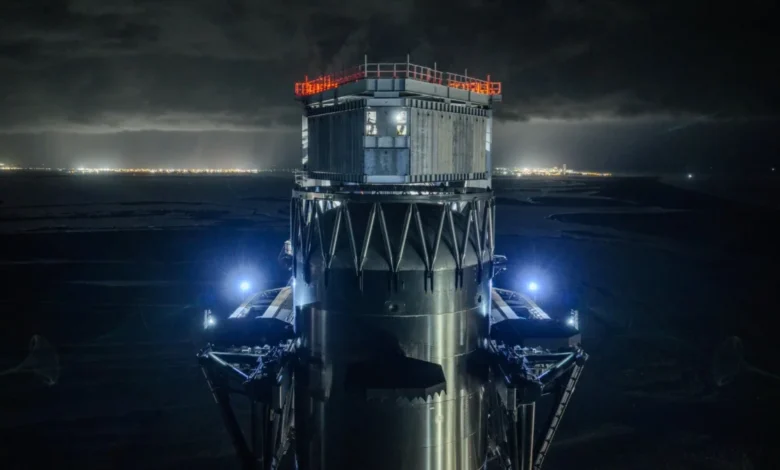
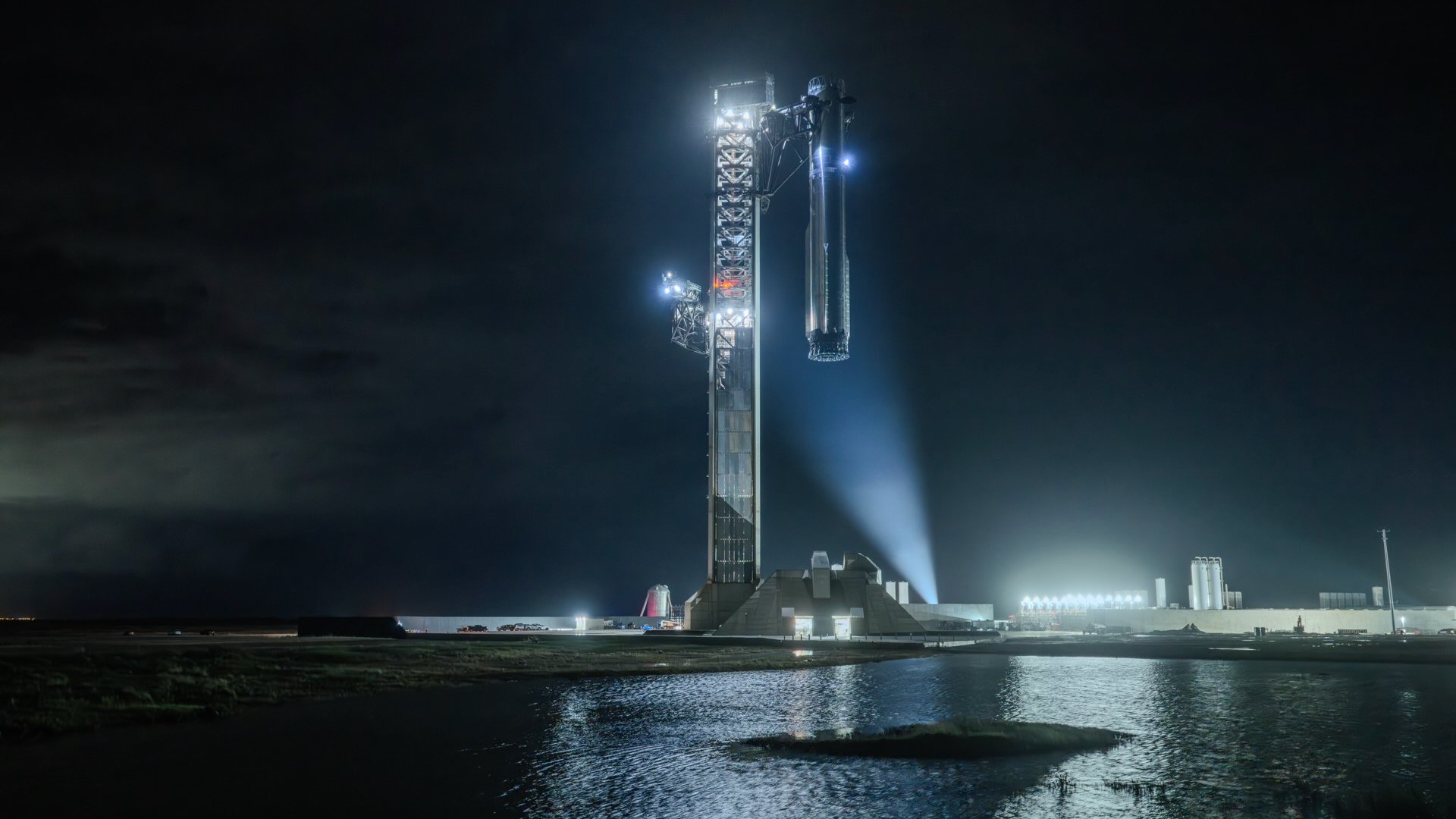
SpaceX is rapidly approaching a pivotal moment in the evolution of space transportation, with the company confirming that its Starship Super Heavy Booster 22 has been successfully integrated onto the launch mount at its Starbase facility in South Texas. This milestone marks the definitive countdown to the 15th test flight of the world’s most powerful rocket, currently scheduled for liftoff this coming Friday, November 13, 2026. This mission represents not merely another test of flight hardware, but a technological demonstration of unprecedented ambition: a dual-recovery maneuver that would see both the massive booster and the Starship upper stage returned to the launch tower by mechanical "chopstick" arms.
The stakes for this mission are high, as SpaceX aims to refine the rapid-reusability architecture that is central to CEO Elon Musk’s vision of a space-faring civilization. Should the maneuver succeed, it will stand as the first time in history that a full orbital launch system has been captured and recovered in a single mission cycle, setting a new benchmark for the aerospace industry.
The Evolution of the Starship Program
To understand the magnitude of the upcoming Flight 15, one must look at the rapid progression of the Starship development program. Since the inception of the Starbase site in Boca Chica, Texas, SpaceX has operated under a philosophy of "test, fail, learn, repeat." This iterative approach has allowed the company to move from early sub-orbital hops to the successful orbital achievement of Flight 14, which took place on September 28, 2026.
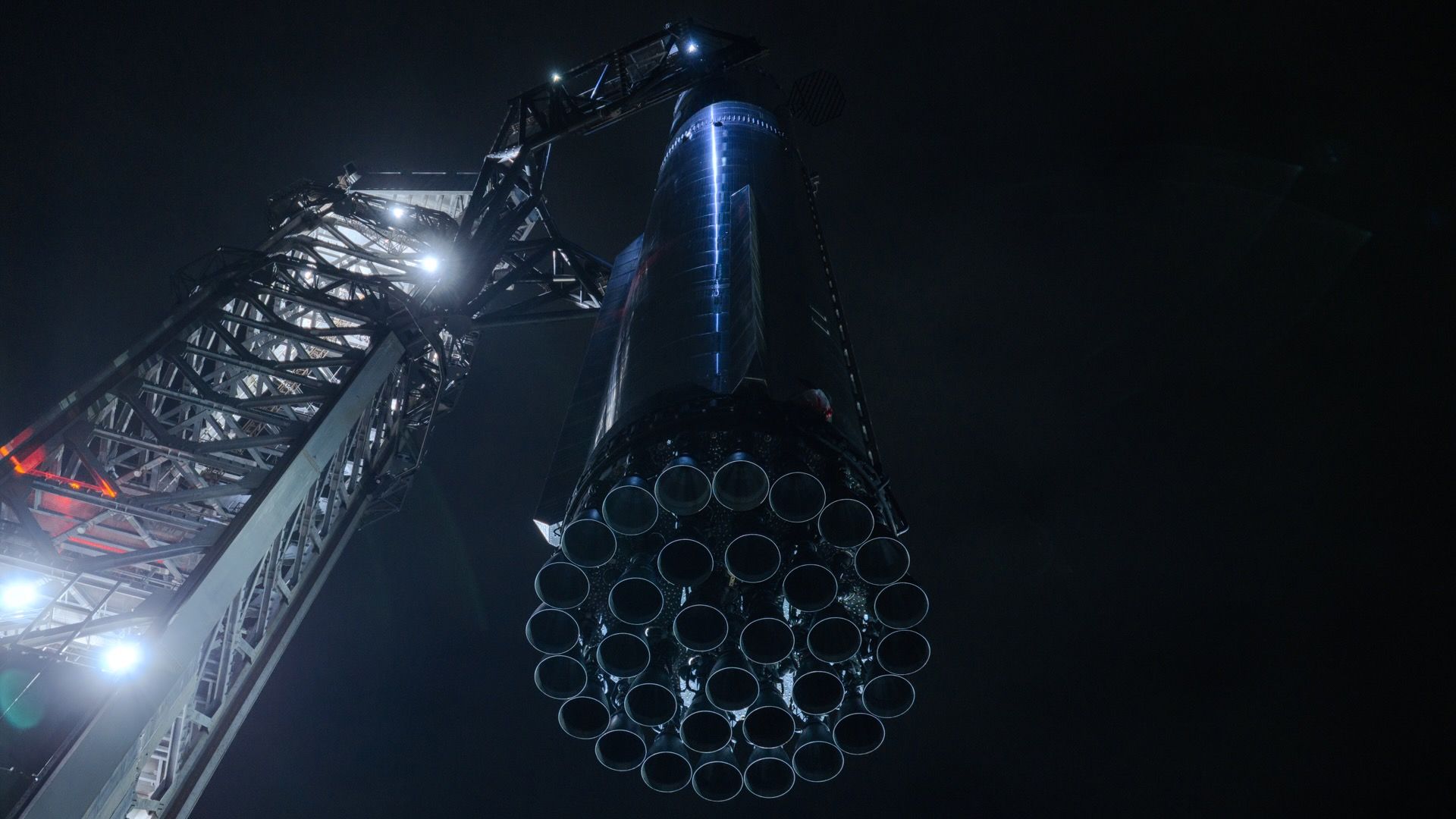
Flight 14 served as a critical validation of the spacecraft’s heat shield integrity and orbital insertion capabilities. Having confirmed that the Ship is capable of reaching orbit, the engineering team has now turned its attention to the most complex phase of operations: full-scale, frequent recovery. The shift from simply launching hardware to systematically recovering it signifies that Starship is transitioning from a developmental prototype phase into a operational, high-cadence platform.
Mechanics of the Double-Catch Maneuver
The "chopstick" system, formally known as the Mechazilla launch and catch tower, is a marvel of heavy-lift engineering. The system utilizes massive mechanical arms designed to track the descent of a rocket and snag it in mid-air, effectively eliminating the need for traditional landing legs.
For the Flight 15 mission, the procedure is significantly more complex than the previous booster-only catches. Following the 5:45 p.m. EST launch, the Super Heavy booster is expected to separate and return to the launch site, executing a controlled descent to be caught by the tower approximately 6.5 minutes after ignition. While SpaceX has successfully performed this booster catch three times previously, the recovery of the upper stage (the "Ship") remains untested.
The Ship is expected to perform a far more demanding flight profile. After reaching orbit and deploying 26 next-generation Starlink V3 broadband satellites, the spacecraft will remain in orbit for approximately 22 hours, completing 14 circuits around the Earth. The thermal and aerodynamic stresses experienced by the Ship during re-entry are substantially greater than those acting upon the booster, making the final catch maneuver a high-stakes test of the vehicle’s precision-guidance systems.
Preparations at Starbase
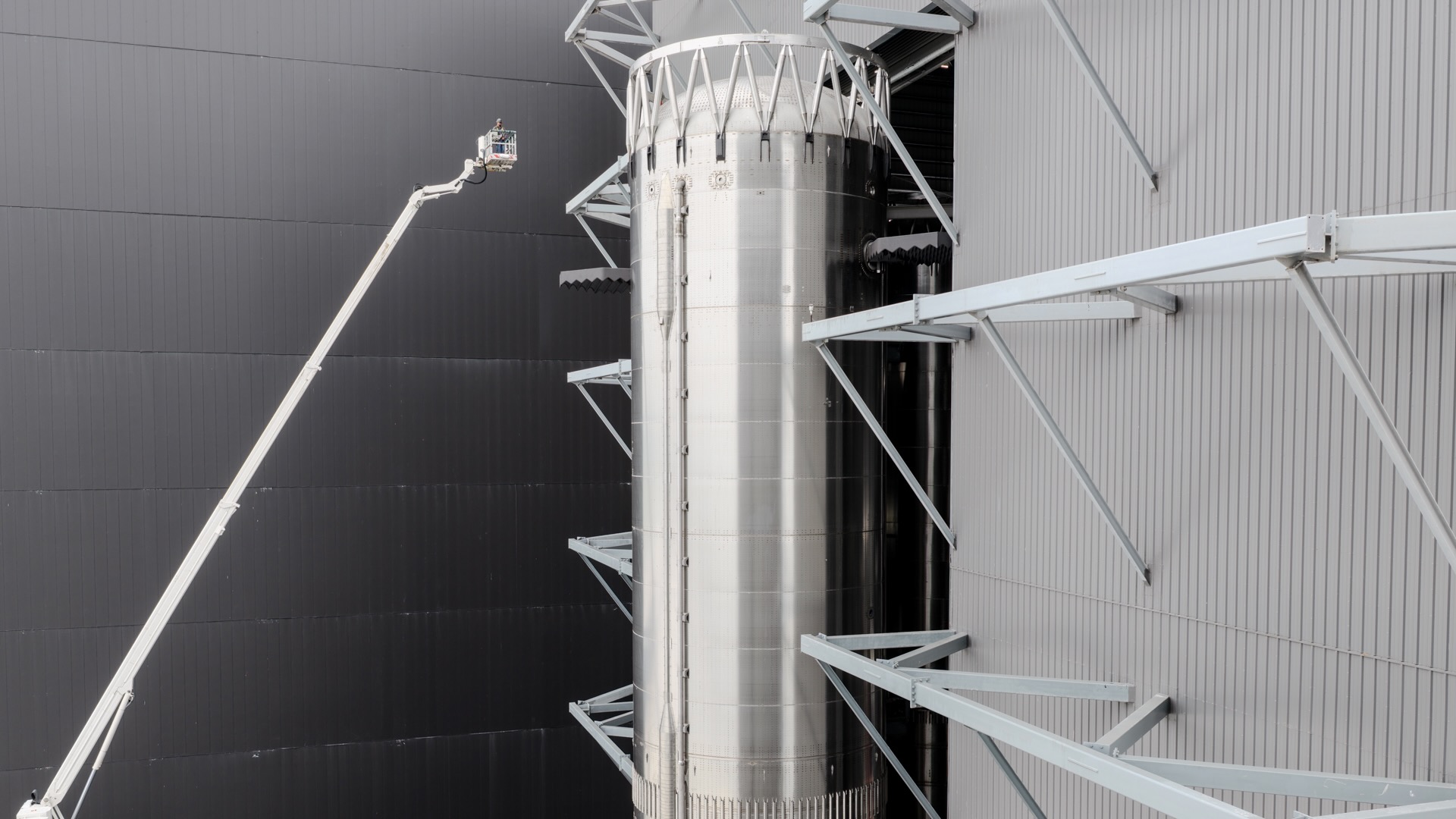
The movement of Booster 22 to the launch pad was the culmination of weeks of rigorous ground testing. SpaceX documentation indicates that upon arrival at the pad, the booster underwent a series of "suspended squeeze tests," where the tower arms engaged the vehicle to verify structural integrity and sensor calibration at the exact altitude where the catch is intended to occur. These tests ensure that the mechanical interfaces between the tower and the rocket are perfectly aligned, minimizing the risk of a structural failure during the terminal phase of the flight.
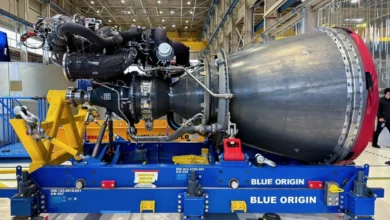
The booster is powered by 33 Raptor engines, which generate a combined thrust of roughly 17 million pounds—more than double that of the Saturn V rocket that powered the Apollo moon missions. Given the immense power and the precision required for the catch, the engineering margin for error is razor-thin.
Broader Implications: The Path to 10,000 Flights
The pursuit of the double-catch is not merely an exercise in engineering bravado; it is a business imperative. Elon Musk has been vocal about his intent to achieve a launch cadence that would have been considered impossible a decade ago. The company’s long-term roadmap projects a goal of 10,000 Starship flights per year by 2030.
To reach this level of frequency, the turnaround time for each vehicle must be reduced to hours rather than months. If SpaceX can master the art of catching both stages, the logistical burden of refurbishment is drastically reduced. Instead of having to transport massive rockets across the country or recover them from the ocean, the vehicles are returned directly to the launch mount, where they can be quickly refueled, restacked, and prepared for their next flight.
This rapid cadence is essential for the expansion of the Starlink V3 constellation and the development of the "Starmind" AI data-center network. As the digital economy expands, the demand for massive orbital infrastructure is expected to climb, and SpaceX intends to be the primary provider of the heavy-lift capacity required to build these orbital assets.
Expert Analysis and Industry Response
Industry analysts view the upcoming Flight 15 as a bellwether for the future of private space exploration. "If they pull off a dual catch, it changes the economics of space access overnight," noted one aerospace consultant. "The cost-per-kilogram to orbit will plummet, effectively making the current heavy-lift rockets obsolete in terms of price competitiveness."
While the scientific community and the general public have expressed excitement, there remains a degree of technical caution. The failure rate of early-stage aerospace development is historically high, and any anomaly during the catch process could result in the loss of the vehicle and damage to the launch tower. However, SpaceX’s track record of learning from failures—such as the early explosions of prototypes—suggests that the company is well-prepared to manage the risks inherent in such an ambitious test.
Official Mission Timeline and Viewing
The launch window for Flight 15 opens on Friday, November 13, 2026, at 5:45 p.m. EST (2245 GMT). The window remains open for 75 minutes, providing the flight controllers with a buffer to address any technical or weather-related holds.
The mission profile is structured as follows:
- T-0: Liftoff from Starbase, South Texas.
- T+2:30: Stage separation between Super Heavy and the Ship.
- T+6:30: Expected catch of the Super Heavy booster at the launch tower.
- Orbit Phase: The Ship proceeds to LEO, deploys 26 Starlink V3 satellites, and orbits for 22 hours.
- T+22 hours: Final recovery attempt of the Ship via the "chopstick" arms.
For those interested in witnessing the event, SpaceX will provide a live stream of the launch and both recovery attempts. Updates will be provided throughout the mission as the hardware moves through each critical gate.
As the launch date approaches, the focus at Starbase remains on final pre-flight checklists and the validation of autonomous flight software. Whether or not the double-catch succeeds, Flight 15 is poised to be one of the most significant events in the history of commercial spaceflight, providing a glimpse into a future where the sky is no longer a barrier to rapid, routine global and interplanetary travel. The outcome of this mission will undoubtedly dictate the pace of the next decade of space exploration and set the standard for how humanity manages its presence in the orbital environment.