StarCraft returns to the spotlight as Blizzard Entertainment announces a new narrative-driven open world shooter set for 2030.

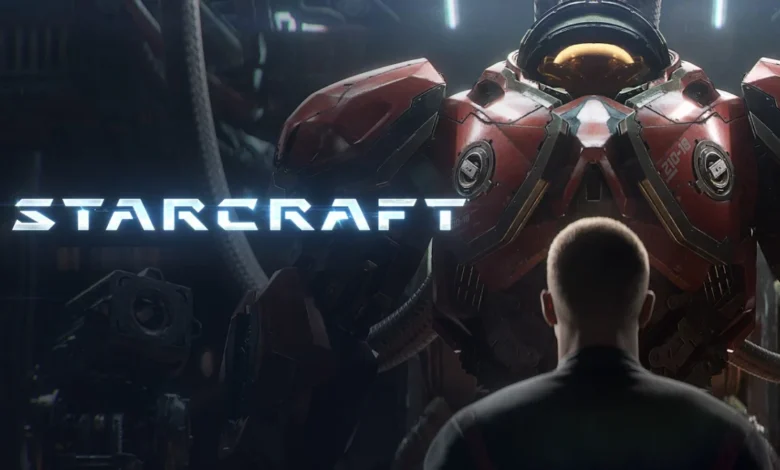
BlizzCon 2026 concluded this past weekend with a series of high-profile announcements that have recalibrated expectations for the future of Blizzard Entertainment’s storied franchises. While the reveal of Diablo 5 and a substantial expansion for Warcraft 3 drew significant applause from the convention floor, the most transformative news involved the long-dormant StarCraft series. After sixteen years of relative silence following the conclusion of the StarCraft 2 trilogy, Blizzard officially confirmed that a new entry in the franchise is in active development, slated for a 2030 release.
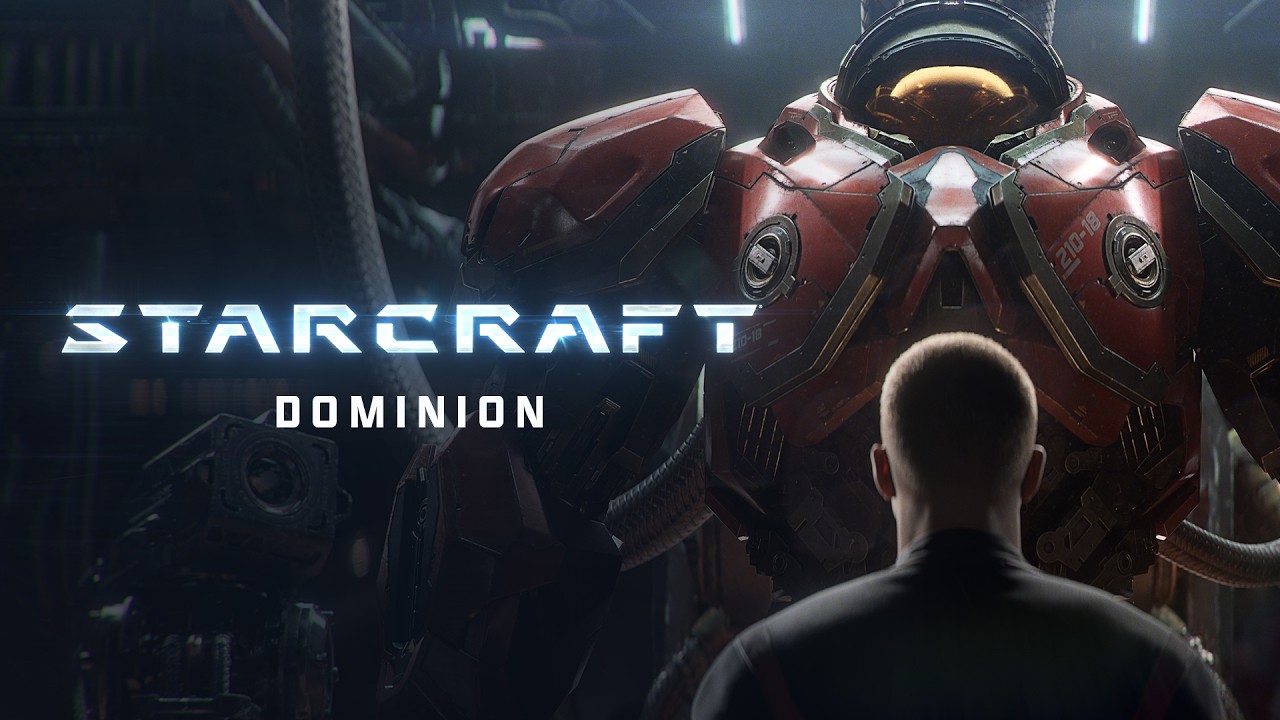
This project, which currently carries the working title of "Dominion," marks a departure from the series’ historical identity. For decades, StarCraft has been synonymous with the real-time strategy (RTS) genre, defining the landscape of competitive gaming and esports. The upcoming title, however, is being positioned as a narrative-driven, third-person, open-world shooter. This shift in genre represents a strategic pivot for Blizzard as it seeks to modernize its intellectual property for a new generation of hardware and player expectations.
A Chronology of the Koprulu Sector
To understand the significance of this announcement, one must look at the timeline of the franchise. The original StarCraft, released in 1998, set the gold standard for RTS games, introducing a balanced, asymmetric combat system involving the Terrans, the Zerg, and the Protoss. Its 2010 successor, StarCraft 2: Wings of Liberty, expanded upon this foundation, followed by two expansions, Heart of the Swarm (2013) and Legacy of the Void (2015).
Following the conclusion of Legacy of the Void, the franchise entered a period of maintenance. While the esports scene remained vibrant for several years, no new major narrative content was released. By 2020, Blizzard shifted the majority of its development resources toward its live-service titles and mobile initiatives. The 2026 announcement ends nearly a decade of speculation regarding whether the Koprulu Sector would ever return to the forefront of Blizzard’s development slate. The upcoming game is confirmed to be set approximately 70 years after the events of the StarCraft 2 trilogy, suggesting a significant temporal leap that allows the developers to reset the geopolitical landscape of the galaxy without the constraints of legacy lore.
Architectural Shifts: From RTS to Third-Person Action
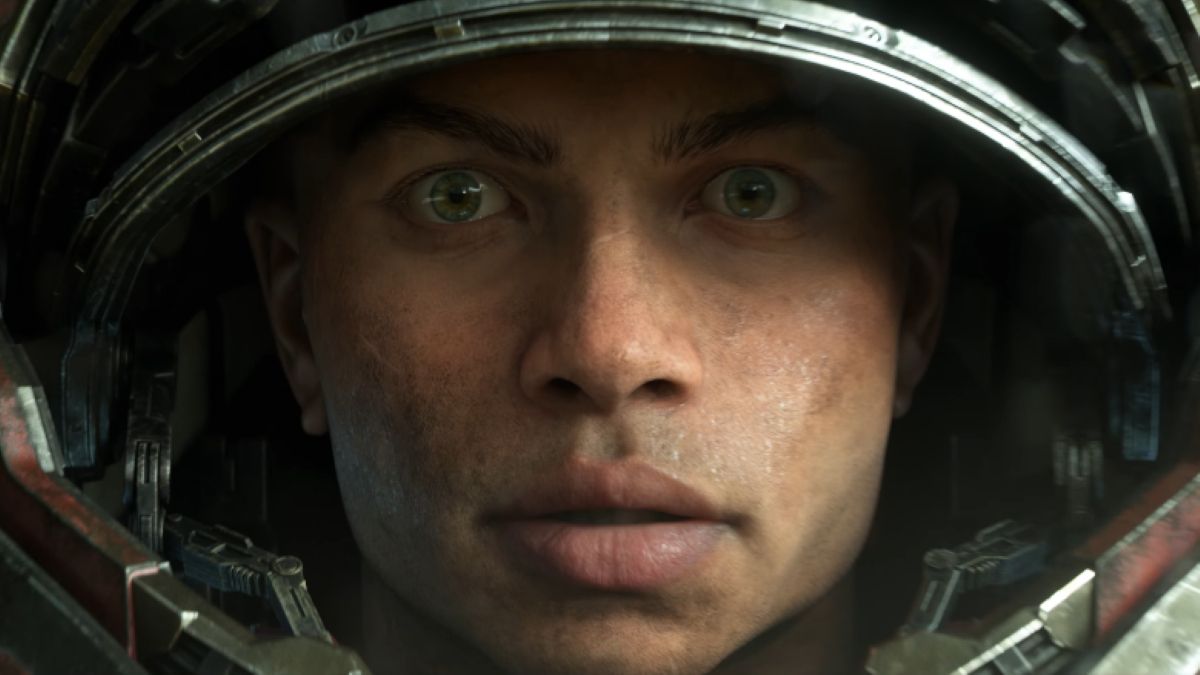
The decision to transition StarCraft into a third-person shooter is perhaps the most debated aspect of the announcement. Creative Director Dan Hay, known for his instrumental work on the modern Far Cry series, is leading the project. The shift to a third-person perspective is intended to ground the player within the visceral reality of the StarCraft universe.
In the RTS iterations, the player acts as a commander, viewing the battlefield from a tactical, detached vantage point. In this new installment, the perspective is focused on the individual soldier. This change is designed to emphasize the sheer scale of the Zerg threat. As demonstrated in the reveal cinematic, the "boots-on-the-ground" experience highlights the terrifying disparity between the human marine infantry and the overwhelming swarms of the Zerg. By focusing on a narrative-driven, single-player experience, Blizzard appears to be moving away from the seasonal live-service models that have dominated their recent output. Reports indicate that the title will launch as a definitive, complete narrative experience, eschewing the trend of drip-fed content cycles in favor of a cohesive, linear, and open-world story.
The Landscape of the Modern Shooter Market
The success of games like Warhammer 40,000: Space Marine 2 has clearly influenced industry trends regarding high-budget, sci-fi action titles. While Space Marine 2 utilized linear, mission-based level design, Blizzard’s vision for StarCraft appears to be more ambitious in its scope. By moving to an open-world structure, the developers intend to allow players to explore the environments of the Koprulu Sector, potentially visiting iconic locations that were previously only seen from the bird’s-eye view of the strategy map.
From an industry analysis perspective, this move is a calculated risk. Blizzard is effectively leveraging one of its most recognizable brands to compete in a crowded market of third-person action-adventures. The challenge lies in translating the mechanical identity of StarCraft—the distinct roles of the marines, the Zerg biological horrors, and the high-tech Protoss machinery—into a third-person shooter format that feels both fluid and faithful to the source material. The ability to customize armor and equipment, a staple of modern action RPGs, is expected to be a core feature, allowing players to adapt their loadouts to counter the specific biological threats posed by the Zerg.
Internal and External Responses
While Blizzard has not yet provided a detailed breakdown of the game’s mechanics or a deeper look at the narrative, the industry reception has been cautiously optimistic. The announcement of a "narrative-driven" game without seasonal elements has been received as a positive signal by long-time fans who have grown weary of the industry’s recent focus on monetization through live services.
"We are committed to delivering a story that respects the history of the franchise while pushing the boundaries of what a Blizzard action game can be," a representative noted during the post-convention press briefing. The lack of emphasis on multiplayer or co-op components in the initial reveal has fueled speculation, though analysts suggest it is unlikely that a modern title of this scale would omit multiplayer features entirely. The prevailing sentiment is that Blizzard is prioritizing the construction of a robust single-player foundation before expanding into wider connectivity.
Implications for the Future of Blizzard
The 2030 release date is notable for its distance. In an era where game development cycles frequently span five to seven years, four years of development suggests that the project is still in its early or mid-production stages. This timeline allows the studio to iterate on the game’s core mechanics without the pressure of an immediate launch.
For Blizzard, the success of this title is crucial. The studio has faced significant internal and external pressure to return to its roots of high-quality, polished, narrative-driven experiences. If successful, this title could revitalize the StarCraft brand, potentially leading to further entries in the series or even a return to the RTS genre in a new capacity. Conversely, if the game fails to capture the essence of the franchise, it risks alienating the core fanbase that has kept the series alive through community mods and tournaments for years.
Conclusion: A New Era for the Koprulu Sector
As the industry looks toward 2030, the StarCraft project stands as a testament to the enduring power of the franchise’s lore. By pivoting away from the RTS formula that defined the late 1990s and 2000s, Blizzard is attempting to bridge the gap between their heritage and the future of interactive entertainment. The focus on a deep, single-player narrative and the visceral, third-person perspective offers a new way to experience the horrors of the Zerg and the resolve of the Terran forces.
While much remains to be seen regarding the actual gameplay loop and the depth of the open-world systems, the announcement has effectively reinserted StarCraft into the global conversation. The long wait for a new installment is a testament to the high expectations surrounding any project bearing the StarCraft name. Whether this shift in genre will yield a masterpiece that rivals the legacy of its predecessors remains to be seen, but for the first time in over a decade, the future of the Koprulu Sector is officially on the horizon. The industry will be watching closely as Blizzard navigates the complexities of this transition, balancing the demands of a modern player base with the heavy weight of a storied legacy.