The Phenomenon of the Derelict Vessel
The fascination with abandoned spacecraft in media mirrors real-world anxieties regarding isolation and the limitations of rescue operations. In actual space exploration, a vehicle that loses life support or propulsion is a death trap; in fiction, these vessels are transformed into claustrophobic stages for horror and suspense. The narrative pattern is consistent: a corporate or exploratory entity, often driven by profit or scientific curiosity, bypasses standard safety protocols to board a vessel that has clearly ceased all communication.
From a sociological perspective, these stories often reflect a critique of industrial expansionism. Mega-corporations—such as the Weyland-Yutani Corporation in the Alien franchise or the Concordance Extraction Corporation in Dead Space—are frequently depicted as prioritizing salvage rights over the lives of their crews. The resulting "ghost ship" scenarios highlight the tension between human ingenuity and the unforgiving vacuum of the cosmos.
Chronological Survey of Fictional Hazards
The evolution of the "haunted ship" narrative spans decades, reflecting the shifting fears of the era in which each work was produced.
The Early Era: 1950s to 1970s
In the 1950s, films such as It, The Terror from Beyond Space (1958) utilized the "rescue mission" structure to introduce the threat of the stowaway organism. The Challenge 142 represents an era where space was viewed as a cold, dangerous frontier that could easily become a tomb. By the time Arthur C. Clarke published Rendezvous with Rama in 1973, the focus shifted toward the sheer scale of alien technology. The 31-mile-long cylindrical vessel of Rama provided a contrast to the "horror" derelicts, presenting an enigma that was not necessarily hostile, but inherently incomprehensible to human logic.
The 1979 film Alien solidified the aesthetic of the "Derelict." The spacecraft discovered on LV-426, with its biomechanical architecture and fossilized pilot, set a new standard for atmospheric dread. It moved the genre away from simple monster-in-the-closet stories toward a more complex exploration of biological infestation and the consequences of violating sacred, alien spaces.
The Late 20th Century and the Digital Shift
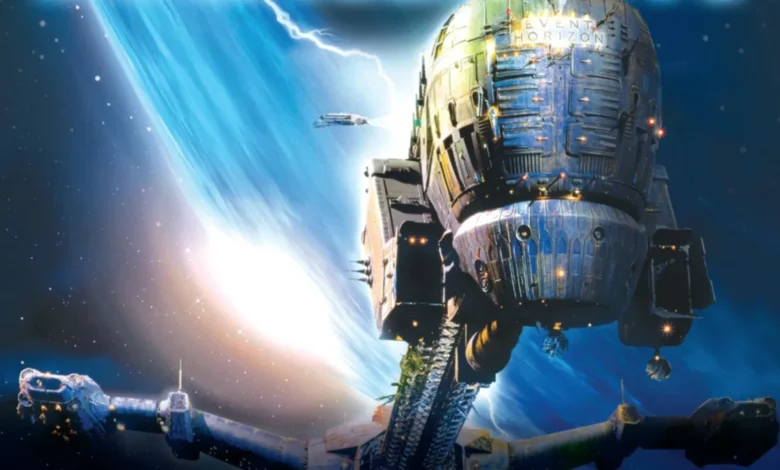
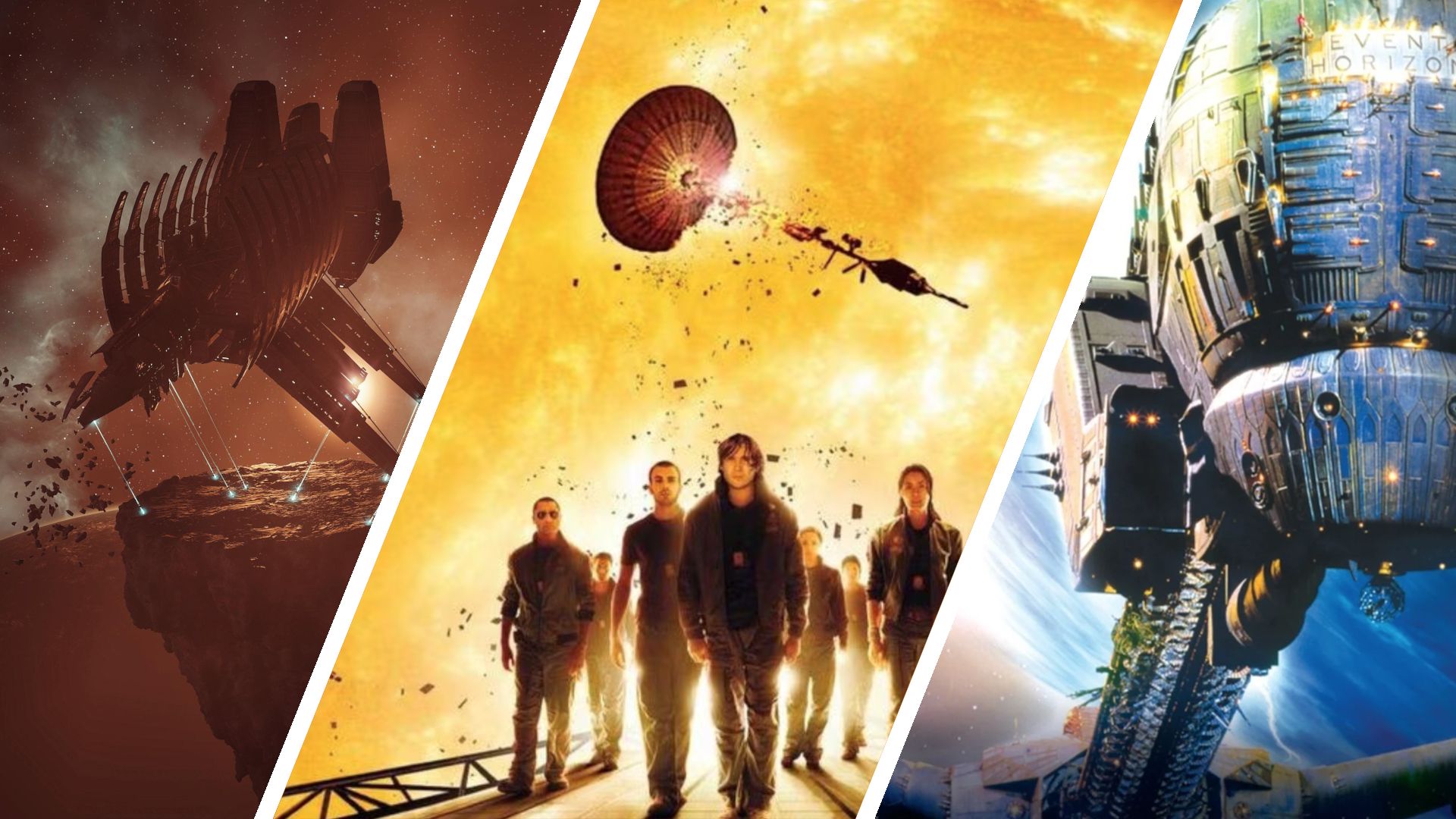
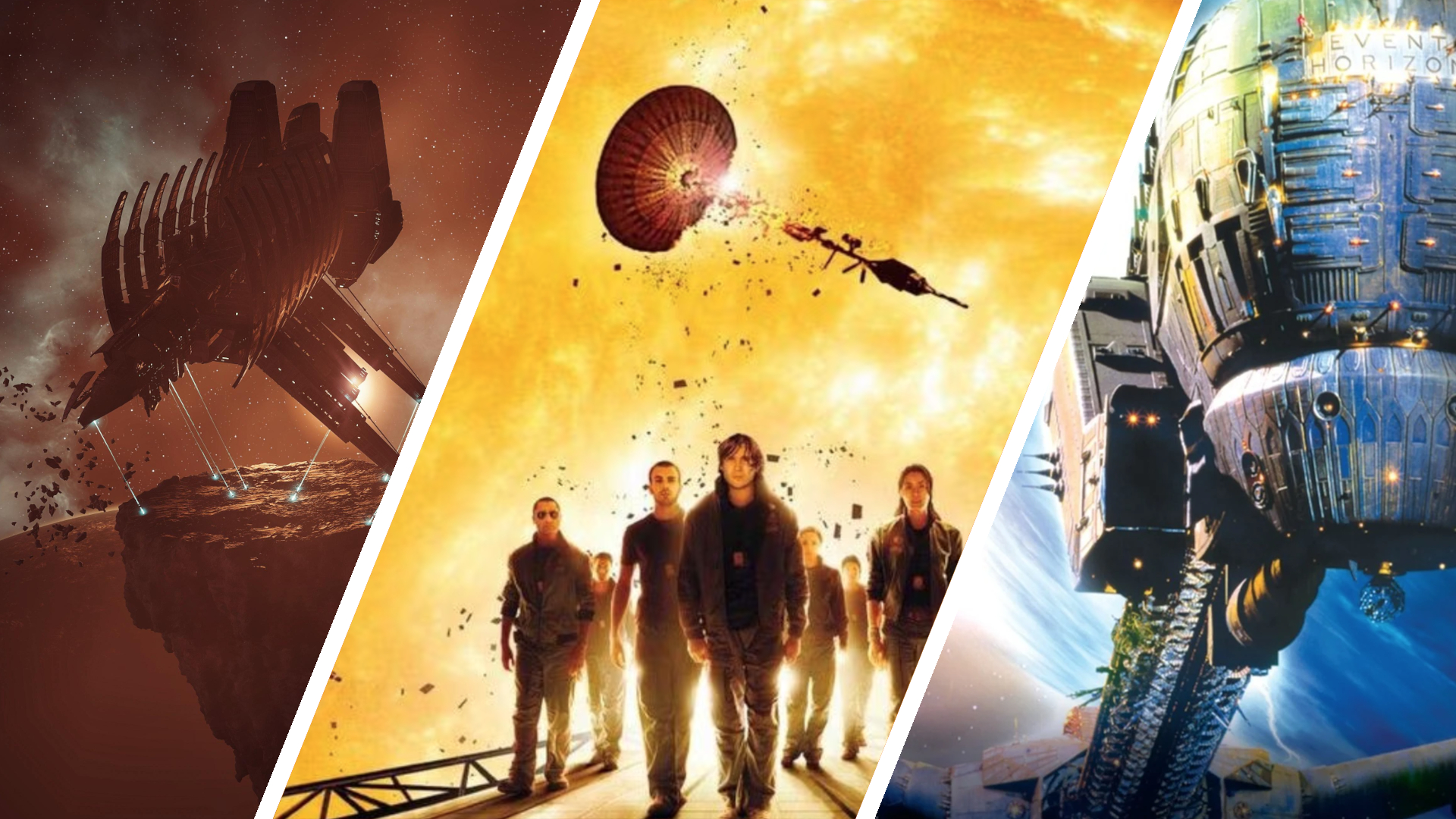
The 1990s and 2000s saw the narrative move toward psychological and metaphysical horror. The 1997 film Event Horizon introduced the concept of a ship that essentially "returned from hell." By utilizing a gravity drive to fold space-time, the vessel bypassed the laws of physics and, by extension, morality. The implication here is that human exploration can inadvertently open doors to dimensions that are incompatible with human sanity.
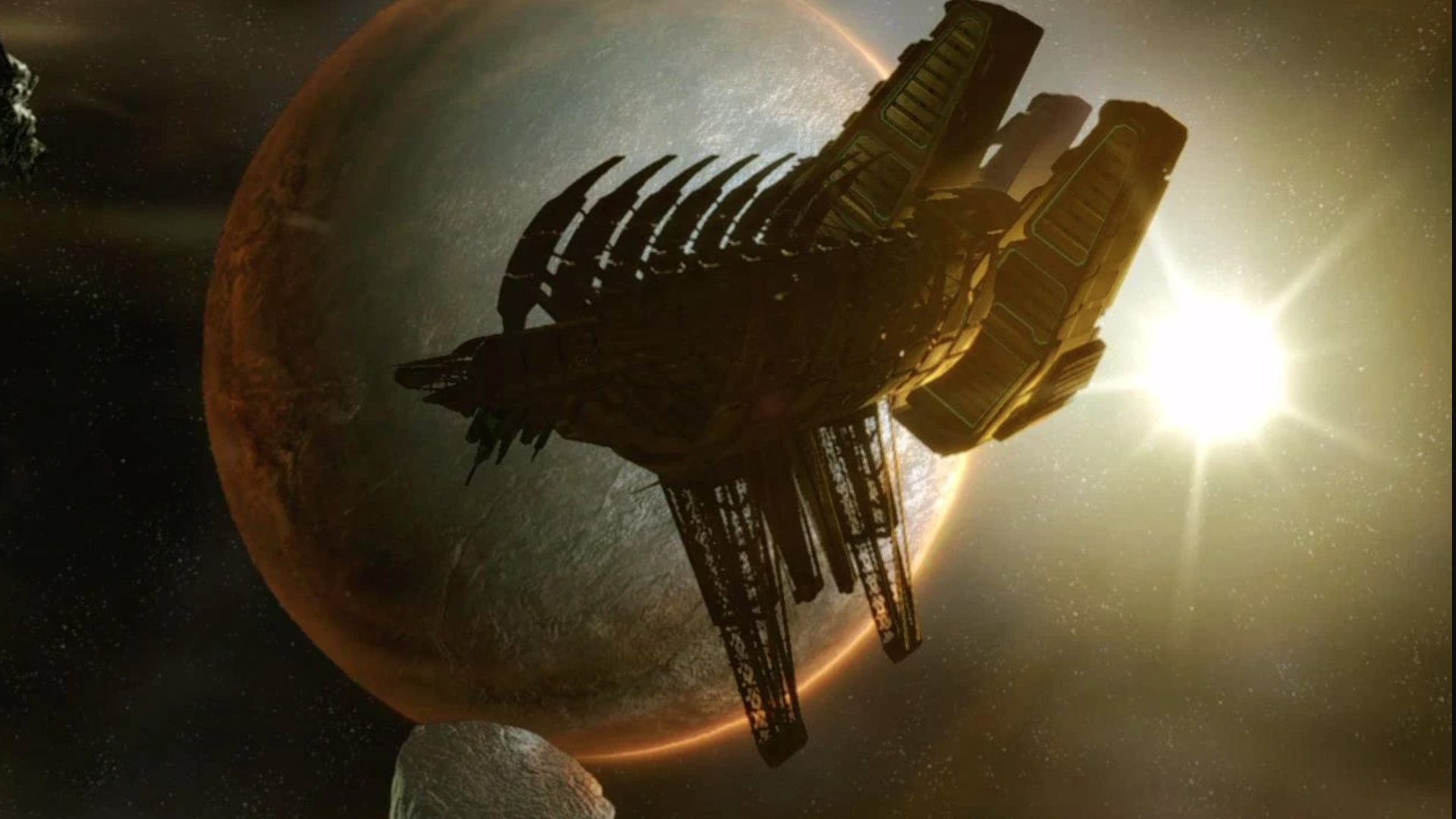
Simultaneously, the 2008 release of Dead Space introduced the USG Ishimura, a "Planet Cracker" class mining ship. This vessel represents the pinnacle of industrial hubris. The Ishimura serves as a case study in how a closed-loop environment—when exposed to a pathogen like the Marker—can rapidly descend into a localized apocalypse. The game’s focus on dismemberment as a survival strategy underscored the shift toward more visceral, high-stakes science fiction.
Data-Driven Analysis of Fictional Risks
When analyzing the "risk profile" of these vessels, three primary categories of failure emerge:
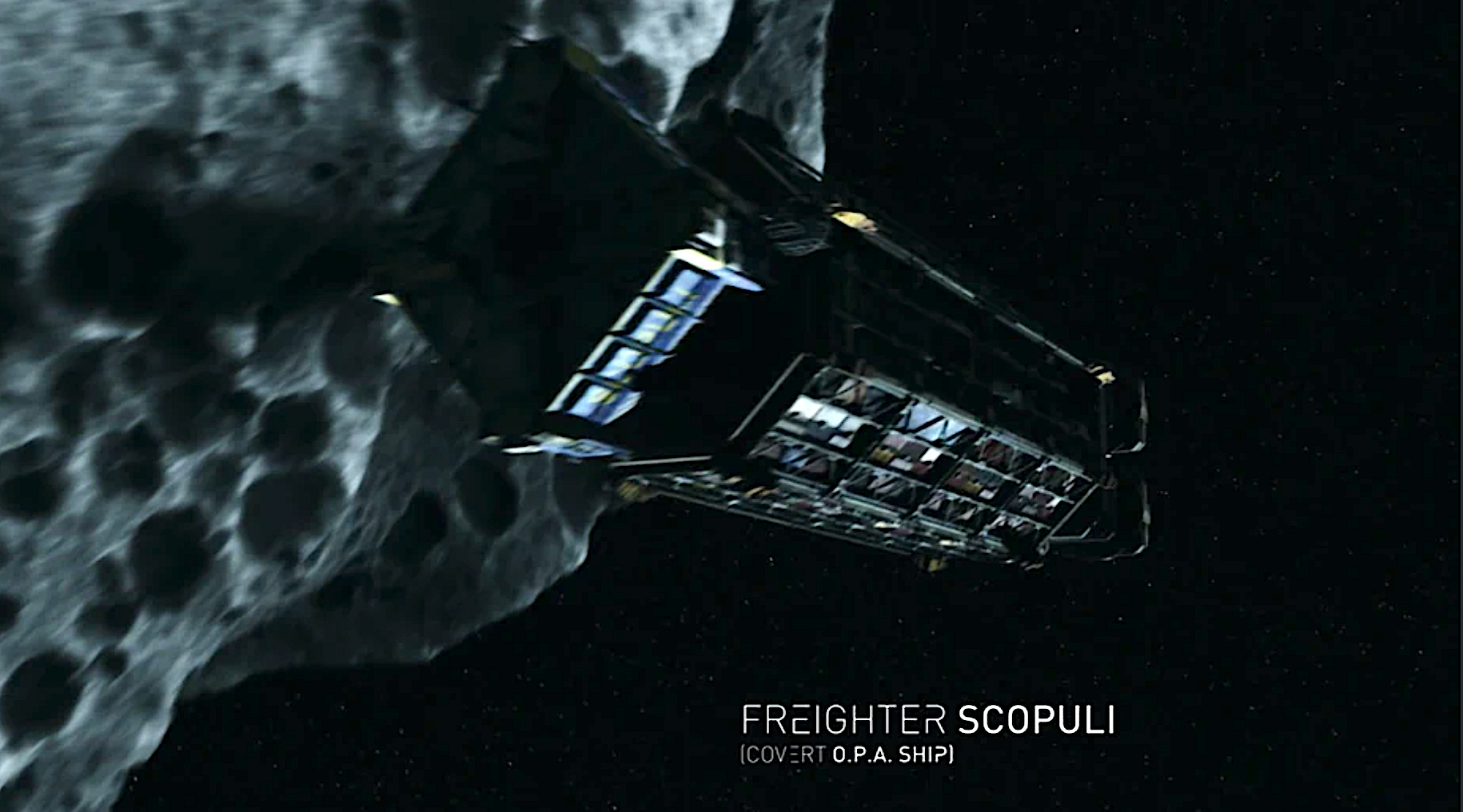
- Biological Contamination: (e.g., The Scopuli in The Expanse) Involving proto-molecular or unknown alien pathogens that reshape matter. These threats are highly contagious and often irreversible once the hull is breached.
- Psychological and Metaphysical Degradation: (e.g., The Event Horizon or Icarus 1) Where the ship itself acts as a catalyst for madness, isolation-induced psychosis, or supernatural phenomena.
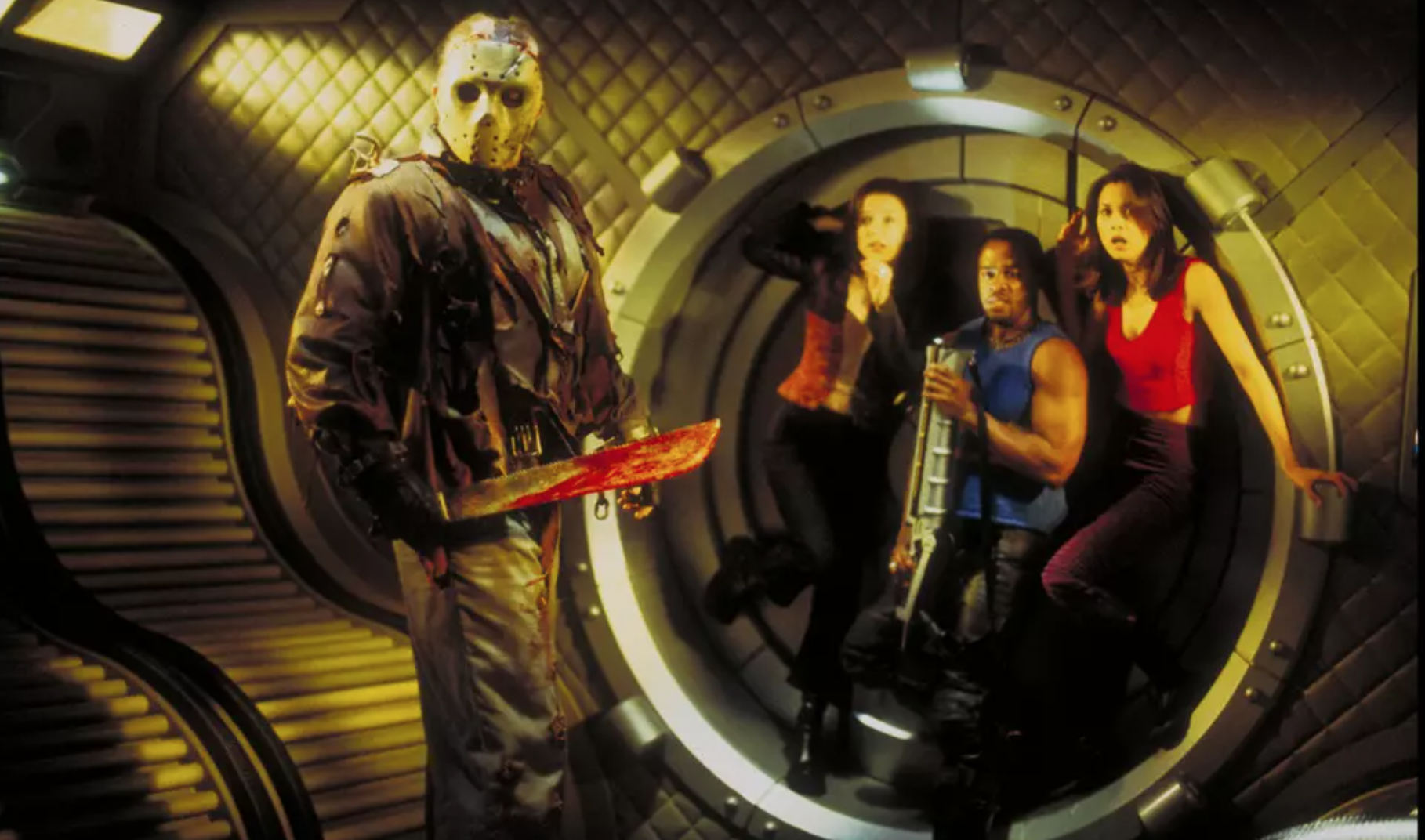
- Physical Predation: (e.g., The Grendel in Jason X) Where the ship becomes a contained hunting ground for a physical adversary, turning the vessel into a traditional slasher-film setting.
Industry Implications and Corporate Negligence
In these fictional universes, the recurring failure of standard operating procedures (SOP) is often the primary driver of the tragedy. Regulatory bodies within these stories are consistently portrayed as either nonexistent or complicit. For instance, in The Expanse series, the Scopuli incident is not merely an accident; it is the result of geopolitical maneuvering by corporate entities like Protogen. The vessel is treated as a piece of property, and the biological hazard within is viewed as an asset rather than a threat.
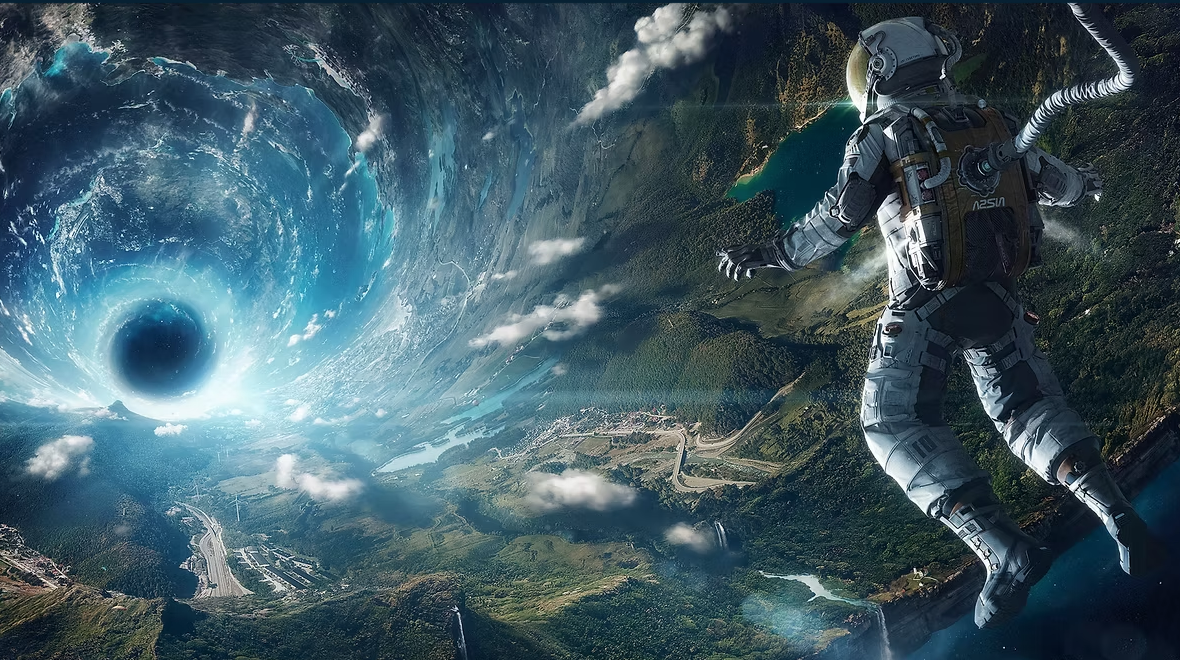
The implication for real-world space policy is clear: as humanity moves toward the commercialization of low-Earth orbit and lunar mining, the establishment of strict quarantine protocols and autonomous salvage standards is essential. While the "necromorphs" of Dead Space remain purely fictional, the potential for cross-contamination of biological samples in a vacuum environment remains a subject of genuine concern for organizations like NASA and the ESA (European Space Agency).
The Psychological Impact on Crew Dynamics
The "haunted" ship is a pressure cooker. Whether it is the claustrophobic corridors of the Shenandoah or the vast, echoing chambers of the Rama craft, the environment dictates the behavior of the characters. Studies in human factors engineering suggest that extreme isolation in space leads to significant cognitive decline. Fictional narratives capitalize on this by portraying the ship as an extension of the crew’s psyche. When the ship fails, the crew’s ability to communicate and coordinate inevitably collapses, leading to the "infestation" or "possession" narratives that define the genre.
Conclusion: Lessons from the Void
The recurring presence of these nine vessels—the USG Ishimura, the Grendel, the Rama craft, the Scopuli, the Derelict, the Challenge 142, the Icarus 1, the Event Horizon, and the Shenandoah—serves as a reminder that space is not merely a vacuum to be traversed, but an environment that requires extreme caution. While the monsters, ghosts, and biological entities remain within the realm of imagination, the core theme of these stories remains grounded in reality: the universe is vast, largely indifferent to human life, and inherently dangerous.
As humanity continues to reach further into the stars, these tales of abandoned and infested vessels serve as the ultimate "Do Not Enter" signs of the imagination. They suggest that the greatest dangers we may face in the future are not just the unknowns of the galaxy, but the consequences of our own curiosity and our tendency to prioritize exploration over safety. The history of sci-fi derelicts is, in effect, a mirror held up to human ambition, showing us that when we ignore the warnings of the void, the void will inevitably respond.