The year 2025 marked a significant milestone for digital educational content, as TED-Ed animations reached a staggering viewership milestone: 16 million hours of total watch time. This cumulative duration, equivalent to over 1,800 years of human learning, underscores a growing global appetite for high-quality, scientifically grounded, and philosophically rigorous short-form content. As the digital landscape continues to evolve, the platform’s success provides a unique window into the curiosities and anxieties of the modern audience, ranging from personal health optimization to the complex socio-economic challenges of the mid-21st century.
The Metrics of Modern Learning
The 16 million hours of engagement recorded by TED-Ed represent a shift in how information is consumed in the classroom and at home. This data, analyzed against previous annual performance benchmarks, suggests that viewers are increasingly prioritizing "micro-learning"—the delivery of complex topics in bite-sized, visually engaging formats. By distilling dense scientific inquiries into accessible narratives, the platform has successfully bridged the gap between academic research and public interest.
This trend is not isolated to TED-Ed alone. Educational technology (EdTech) experts observe that high-retention video content has become a primary pillar of supplementary education. In an era of information saturation, the ability to synthesize data into coherent, animated storytelling serves as a critical filter for audiences seeking clarity on topics ranging from neurobiology to global mythology.
A Chronology of Curiosity: The Top 10 Themes
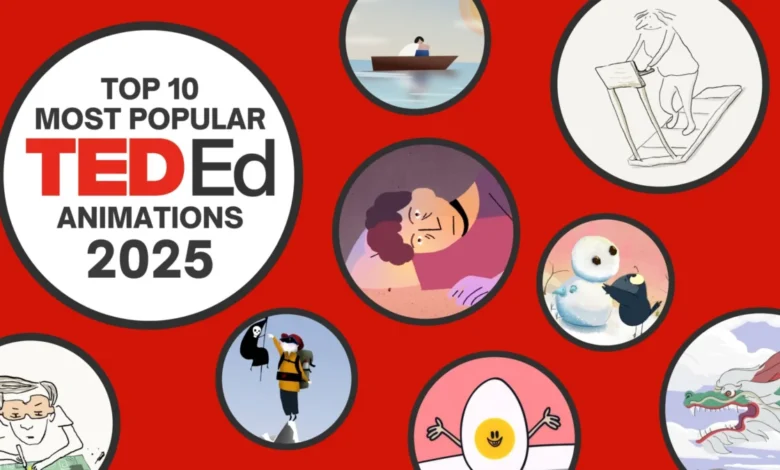
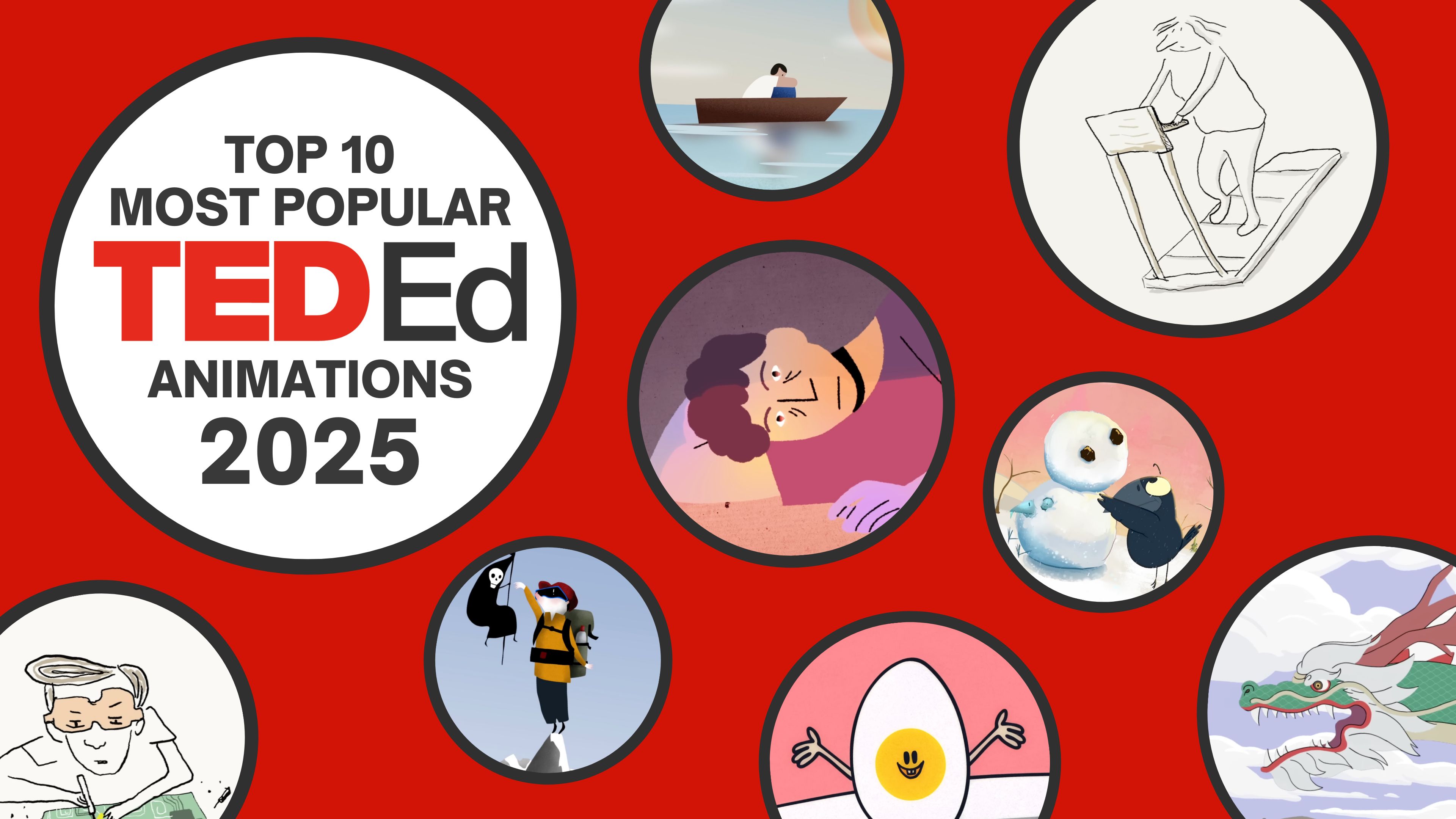
The top-performing videos of 2025 provide a roadmap of the collective consciousness. The following list represents the most-viewed content, categorized by its thematic impact:
- Physical Fitness and the 10,000-Step Metric: Shannon Odell’s investigation into the efficacy of daily step counts challenged long-standing health myths, prompting a public reassessment of how sedentary modern lifestyles are addressed.
- The Neurological Impact of Isolation: Terry Kupers’ analysis of social deprivation arrived at a time when global discussions regarding mental health and remote connectivity are at their peak.
- Geomythology and Dragon Legends: Timothy J. Burbery’s exploration of why diverse, disconnected cultures developed similar dragon archetypes highlighted the role of environmental observation in ancient folklore.
- The Ethics of Immortality: Sarah Stroud and Michael Vazquez utilized a philosophical thought experiment to engage viewers in the implications of life-extension technologies.
- The Science of Aphantasia: Adam Zeman’s deep dive into the inability to visualize images offered a breakthrough in public understanding of neurodiversity.
- Cardiovascular Health and Cholesterol Myths: Hei Man Chan’s historical review of the American Heart Association’s egg-consumption guidelines served as a masterclass in how scientific consensus evolves over time.
- The "10,000-Hour Rule" Reconsidered: David Epstein challenged the popular narrative of deliberate practice, suggesting that breadth of experience is often more valuable than extreme specialization.
- Poverty Alleviation and Unconditional Aid: This analysis of the Ahenyo village experiment provided a practical look at how direct cash transfers impact extreme poverty.
- Corvid Intelligence: Katharina Brecht’s investigation into the cognitive abilities of crows highlighted the sophistication of non-human intelligence.
- Desalination and Water Scarcity: Manish Kumar’s report on the technology required to turn seawater into potable water addressed the looming infrastructure challenges of 2050.
Supporting Data and Historical Context
The success of these topics is not accidental; it reflects a broader alignment with global trends. For instance, the focus on water scarcity and desalination coincides with recent projections from international environmental agencies, which estimate that 87 countries will face severe water stress by the middle of the century. Similarly, the interest in cholesterol and cardiovascular health mirrors a post-pandemic shift toward proactive health management.
The "10,000-hour" debate, popularized by Malcolm Gladwell in the late 2000s, has been under academic scrutiny for years. The high engagement with David Epstein’s content suggests that audiences are now ready to move past simplistic self-help tropes in favor of more nuanced, evidence-based developmental strategies.
Implications for Future Media and Education
The data from 2025 suggests that the "democratization of knowledge" is no longer just a slogan; it is an active behavior. When millions of viewers spend their time analyzing the philosophical implications of immortality or the mechanisms of desalination, it signifies a sophisticated public interest in "big-picture" problem-solving.
"The engagement numbers aren’t just vanity metrics," says an industry analyst familiar with the platform’s performance. "They indicate that the audience is moving toward high-utility content. They want to know how the world works, why their bodies react the way they do, and how they can improve their socio-economic environments. It’s an optimistic indicator of the intellectual health of the digital age."
Broader Impact on Global Literacy
The reach of these animations extends far beyond Western audiences. With global accessibility, TED-Ed’s content functions as a universal educational resource. The ability to translate these complex findings into visual narratives allows for a level of global literacy that was previously confined to institutional libraries.
Furthermore, the integration of these videos into formal school curricula has solidified their role as legitimate pedagogical tools. Educators report that the use of these animations helps "anchor" complex lessons, allowing students to visualize abstract concepts—such as the molecular structure of cholesterol or the neurological symptoms of social isolation—that would otherwise remain purely theoretical.
Conclusion: The Path Forward
As we move into 2026, the success of these top 10 videos sets a high bar for educational creators. The primary takeaway from 2025 is that there is no "too complex" topic for an audience that is provided with the right tools for comprehension. The 16 million hours logged represent more than just entertainment; they represent a concerted effort by the public to engage with the most pressing scientific, philosophical, and social questions of our time.
Looking ahead, the intersection of technology and education will likely continue to evolve. As AI-driven tools begin to assist in the creation of visual aids, the speed and scale at which this knowledge is produced may increase, but the core requirement—rigorous, evidence-based storytelling—will remain the ultimate metric of success. The 2025 data serves as a compelling reminder that, even in a world of distraction, the human drive to understand the world remains a powerful, unifying force.
Related posts: