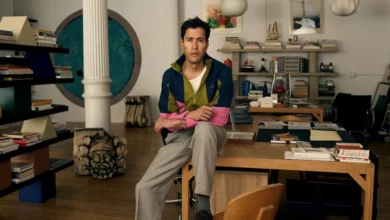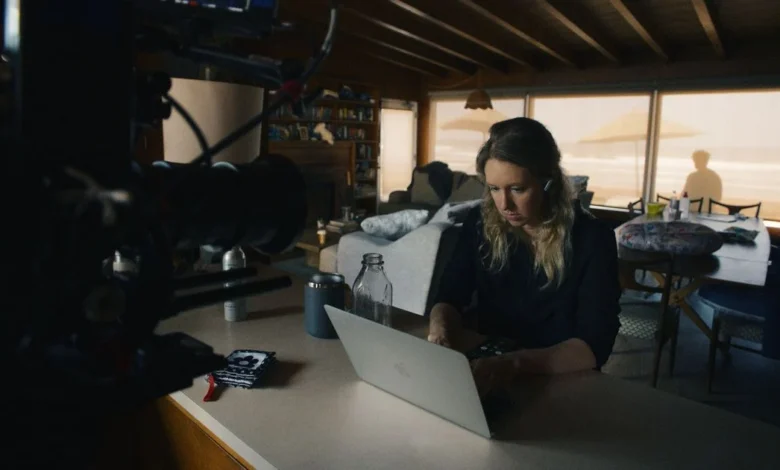
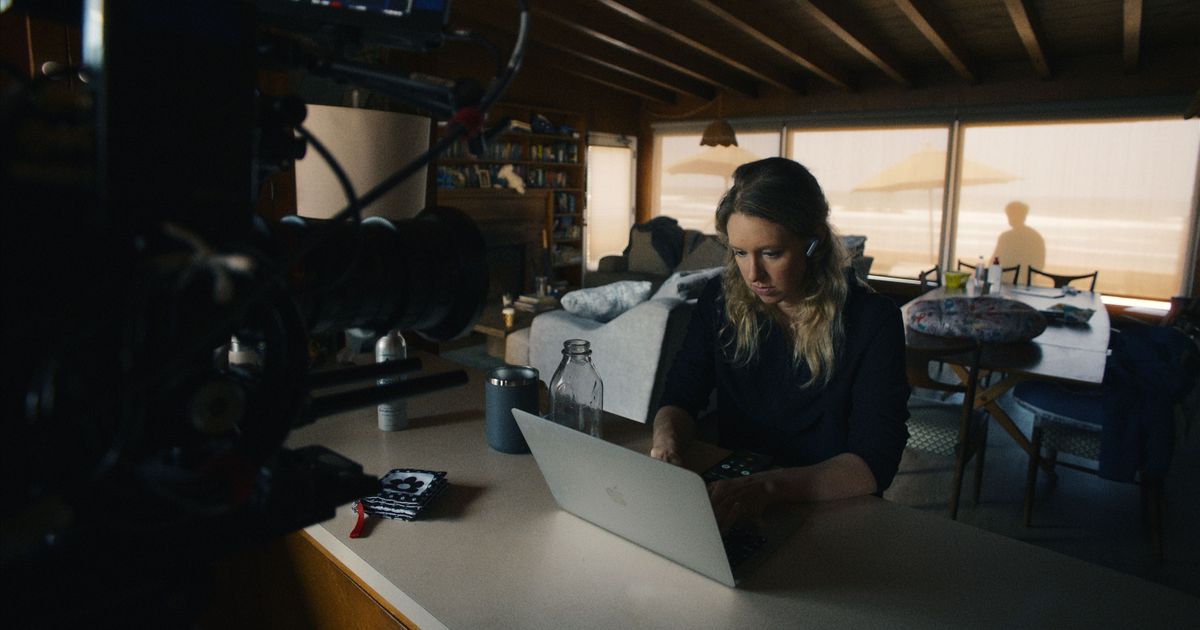
In the cinematic landscape of Lance Oppenheim’s latest documentary, You Can See Everything, the architecture serves as more than a mere backdrop; it acts as a silent, often contradictory character that mirrors the precarious instability of Elizabeth Holmes’s post-Theranos existence. Unlike the idealized, AI-staged listings that dominate contemporary real estate marketing, the homes featured in the film are presented with an unflinching, raw aesthetic. Shot on actual film by cinematographer David Bolen, the lens captures every dust mote and architectural flaw, stripping away the polish of Silicon Valley’s once-celebrated aesthetic to reveal the stark reality of a life in transition.
A Chronology of Concealment and Displacement
The narrative arc of the documentary is anchored in a series of strategic relocations. Following the collapse of Theranos and the subsequent legal scrutiny, Elizabeth Holmes and her partner, Billy Evans, navigated a lifestyle defined by the necessity of evasion. This period was marked by a shift from the high-concept, sleek environments associated with venture-backed tech culture to a nomadic existence defined by private, often unglamorous rentals.
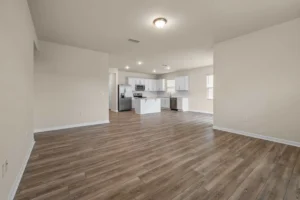
The chronology of these properties suggests a deliberate effort to remain outside the traditional grid of public records. While Holmes’s legal saga reached its peak in the public eye, her private domestic life was relegated to a series of properties that offered anonymity through seclusion. In Texas, the documentary highlights a "starter castle" that served as the setting for some of the most emotionally charged interactions between Holmes and her family. The juxtaposition of the sterile, high-end amenities—dark, shiny countertops and expansive ceilings—against the anxiety of imminent federal sentencing underscores the dissonance of the couple’s situation.
The Del Mar Residence: A Study in Mid-Century Mundanity
One of the most notable properties identified in the documentary is located at 2986 Sandy Lane in Del Mar, California. This residence, a dark, low-ceilinged mid-century structure, represents a sharp departure from the prestige typically associated with the founders of billion-dollar enterprises.
Data regarding this property provides a glimpse into the mechanics of their housing choices. Last advertised for rent at $5,650 per month in 2015, the home has remained within the orbit of the same family for decades, with ownership transferring between relatives since 1994. The property’s appeal to the couple was not found in its architectural pedigree or interior luxury—characterized by white Formica, dated mauve bathroom fixtures, and peeling exterior paint—but rather in its tactical advantages.
Local brokers have long identified the area for its private beach access and gated streets, features that provided the necessary infrastructure for a couple under constant media surveillance. The arrangement, which appears to have been an off-market deal, highlights the extent to which personal connections were leveraged to secure housing that remained invisible to standard public databases.
The Austin Connection: Modernity and the Surveillance State
While Holmes faced incarceration in Bryan, Texas, the documentary tracks Billy Evans to an Austin residence that functions as the final, most jarring, link in their real estate narrative. Located at 606 Josephine Street, this property was listed for rent at $8,750 per month in 2024, providing a stark contrast to the Del Mar home.
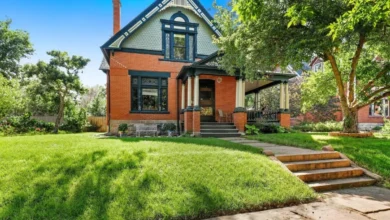
The Austin house, currently valued at approximately $2.25 million, is a modern structure shielded by deliberate landscaping and stone fencing. It is here that the documentary captures the most unsettling elements of the couple’s life: a vertical screen displaying a deep-fake version of Holmes, positioned to face the family dining table. This setting, while physically comfortable, serves as a poignant illustration of the integration of advanced technology into the mundane rhythms of domestic life.
The property’s history, marked by failed attempts to sell since 2022 and its eventual transition to a high-end rental, reflects the volatile nature of the Austin real estate market during the same period. For the owners, the rental arrangement provided a stable revenue stream; for the tenants, it offered the physical and digital isolation required to operate a new venture—a blood-testing start-up focusing on laser technology—without the immediate interference of the public or the press.
Real Estate as a Tactical Asset
The implications of these housing choices extend beyond simple personal preference. In the context of high-profile legal or financial instability, real estate functions as a tactical asset. By opting for properties that were not heavily marketed or that had been off-market for significant periods, the couple effectively minimized their "digital footprint" in the physical world.
Analysis of property records indicates that the Evans family—with their deep-rooted background in the hospitality and hotel development sector—possess a unique literacy in the management of physical assets. Their ability to secure properties that shielded the family from paparazzi is not merely a matter of wealth, but of strategic asset management.
Furthermore, the opposition of the Evans family to local remodeling restrictions in Del Mar in 2018 suggests a desire to exert control over the physical environment that serves as their sanctuary. Even when such measures failed, the fundamental privacy afforded by these properties remained the primary utility.
Broader Implications and Cultural Context
The dwellings featured in You Can See Everything serve as a broader commentary on the intersection of wealth, visibility, and the modern American dream. In an era where the lives of the ultra-wealthy are often commodified and shared on digital platforms, the insistence on physical obscurity becomes a form of power.
However, the documentary suggests that this power is fragile. The peeling paint, the ancient posters, and the clutter of storage bins in the Del Mar driveway all point to a life lived in temporary states. There is an inherent irony in the fact that these spaces, intended to hide the inhabitants from the world, are now being analyzed, cataloged, and displayed for public consumption in both the film and the real estate market.
As the legal proceedings conclude and the dust settles, these properties remain as artifacts of a singular moment in Silicon Valley history. They are not simply houses; they are the physical manifestations of a narrative that sought to revolutionize the world through technology while simultaneously retreating from it in the most human, and often the most awkward, of ways. The transparency of these rentals—where every crack and dust mote is documented—stands as a final, unintentional irony for a couple who spent years attempting to curate a life of absolute opacity.