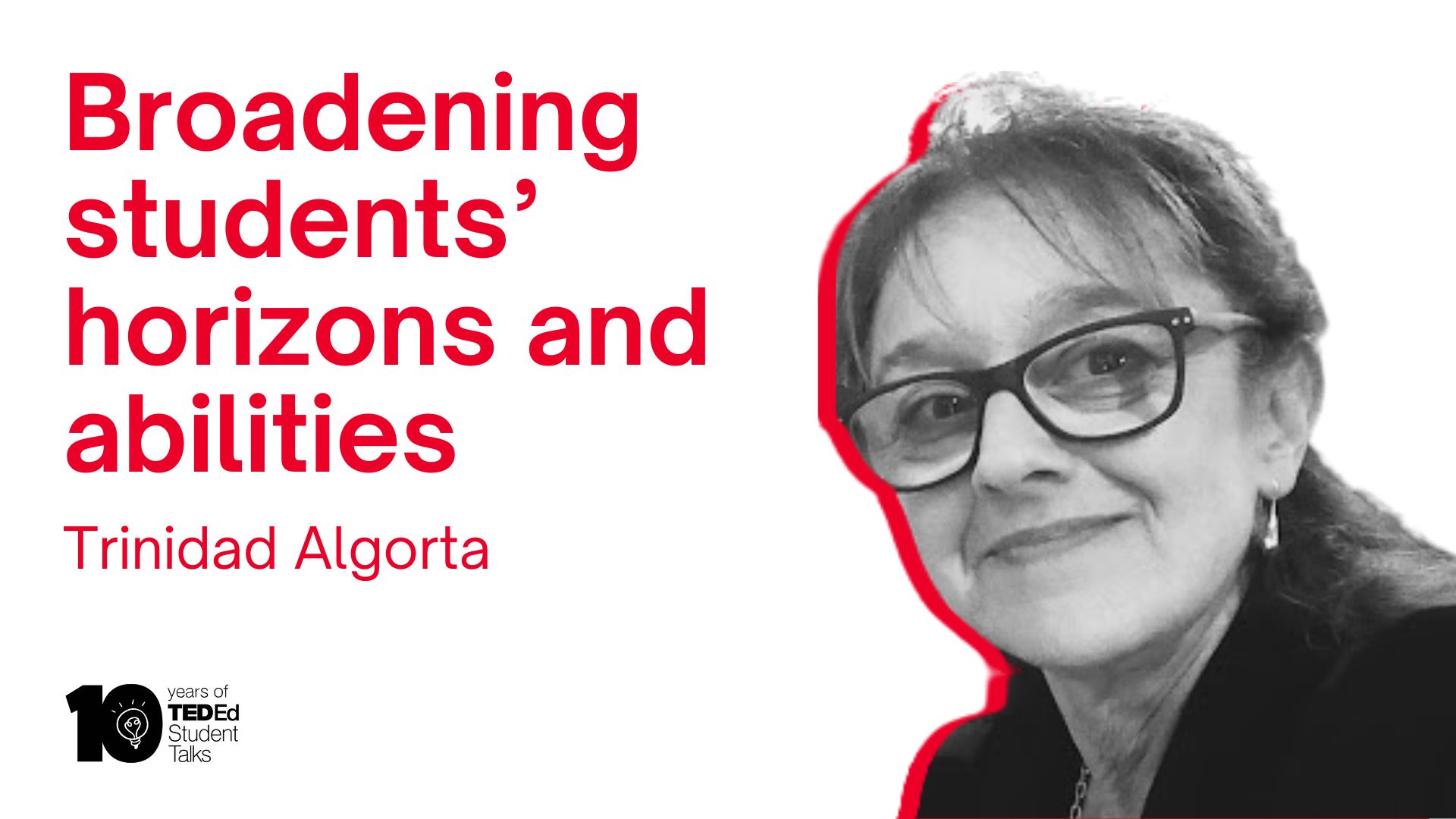
Empowering Voices in Uruguay Trinidad Algorta on a Decade of TED-Ed Student Talks and the Evolution of ESL Education

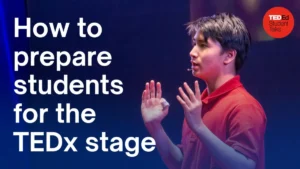
The global educational landscape has undergone a significant transformation over the last decade, moving toward student-centered learning and the development of "soft skills" such as public speaking, critical thinking, and emotional intelligence. At the forefront of this shift is the TED-Ed Student Talks program, which is currently celebrating its tenth anniversary. Since its inception in 2014, the initiative has provided a platform for thousands of student groups across the globe to develop and share their ideas using a specialized curriculum. To mark this milestone, TED-Ed has launched the "10 for 10 years" series, a retrospective collection of stories highlighting the impact of the program through the eyes of its facilitators. Among the most compelling accounts is that of Trinidad Algorta, an English as a Second Language (ESL) teacher at Alianza, a prominent cultural and educational institution in Uruguay.
The partnership between TED-Ed and educators like Algorta illustrates the profound influence of narrative-driven education in non-English speaking regions. Working within a bi-national center supported by the United States and Uruguay, Algorta has utilized the Student Talks framework to bridge the gap between linguistic proficiency and personal expression. Her experience offers a blueprint for how international educational resources can be adapted to local contexts, particularly for students from underserved backgrounds and immigrant communities.
The Evolution of the TED-Ed Student Talks Program (2014–2024)
The TED-Ed Student Talks program began as a localized effort to bring the "ideas worth spreading" philosophy into the classroom. Over ten years, it has evolved into a comprehensive, free resource suite used by educators in more than 100 countries. The program provides a structured, flexible curriculum that guides students through the process of identifying a unique idea, researching it, developing a narrative, and finally delivering a presentation.
In the context of the "10 for 10 years" series, the program’s organizers have sought to quantify the qualitative impact of these resources. According to TED-Ed’s internal data, the program has reached hundreds of thousands of students, many of whom report increased confidence and academic engagement. Sasha Rudenko, TED-Ed’s Programs Manager, notes that the success of the program relies heavily on facilitators who can navigate the cultural and linguistic nuances of their specific student populations. Trinidad Algorta represents this critical link, applying the program within the unique socio-economic landscape of Montevideo, Uruguay.
Integrating Public Speaking into the ESL Curriculum at Alianza
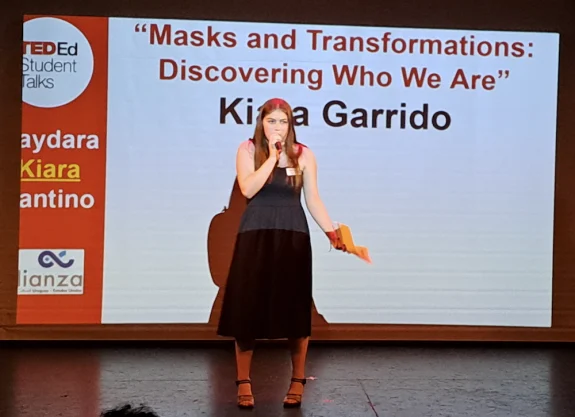
Alianza, where Algorta teaches, serves as a cultural bridge between the United States and Uruguay. It is not merely a language school but a center for academic and cultural exchange. Algorta’s involvement with TED-Ed began when she was tasked with leading a group of teenagers enrolled in a specialized program supported by the U.S. Embassy and the Department of State. These students, primarily from public schools and non-governmental organizations (NGOs), participated in a two-year intensive English course.
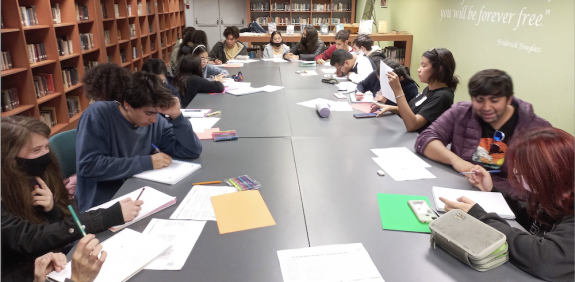
The integration of TED-Ed Student Talks into the Alianza curriculum was a strategic response to the need for more engaging, practical applications of the English language. Algorta’s class structure consisted of two sessions per week, each lasting two and a half hours. By dedicating one hour per week specifically to the Student Talks program, she was able to maintain the standard syllabus requirements while providing students with a creative outlet. This balance is a common challenge for ESL educators, who often struggle to find time for supplemental activities within rigorous testing and certification frameworks.
From Personal Experience to Narrative: The Pedagogical Process
One of the primary challenges in the TED-Ed Student Talks program is the "ideation" phase. For students learning English as a second language, the difficulty is twofold: they must identify a meaningful concept and then find the vocabulary to express it with nuance. Algorta observed that while her students possessed deep emotional experiences, translating those feelings into a structured "talk" required significant scaffolding.
The facilitator’s role, as Algorta describes it, involves helping students recognize the value of their own stories. In her 2024 cohort, nearly half of the students were immigrants. Their narratives often centered on the experience of relocation, cultural assimilation, and the challenges of starting over in Uruguay. Initially, many students dismissed these personal histories as "unimportant" or "ordinary." Through the use of the TED-Ed Facilitator’s Guide—a set of prompts and questions designed to unlock creative thinking—Algorta was able to help students realize that their personal journeys were precisely the "ideas worth spreading" that the platform seeks to highlight.
This process of "emotional translation" is a key component of modern ESL pedagogy. It moves beyond the rote memorization of grammar and syntax, encouraging students to use the language as a tool for self-advocacy and identity formation. The collaborative nature of the program further reinforced this, as students worked in peer groups to refine their scripts and offer feedback, creating a supportive ecosystem that mitigated the fear of public speaking.
Quantifiable Gains: Speaking, Writing, and Body Language
While the emotional impact of the program is significant, the academic benefits are equally measurable. Algorta identified three primary areas of improvement among her students: verbal communication, academic writing, and non-verbal delivery.
- English Speaking Proficiency: The requirement to deliver a speech in front of an audience necessitates a high level of fluency and pronunciation practice. Unlike casual conversation, a TED-style talk requires precision and clarity, pushing students to master complex phonetic structures.
- Structural Writing Skills: Algorta noted a direct correlation between scriptwriting and essay composition. The program teaches students how to create a "hook," build a logical argument, and conclude with a call to action. These are foundational skills for standardized testing and university-level academic writing.
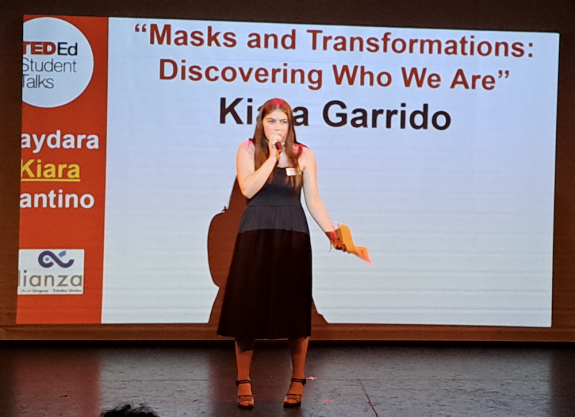
- Physical Presence and Confidence: The program emphasizes body language and stagecraft. For teenagers, particularly those from marginalized backgrounds, learning to stand confidently and command a room is a transformative experience that extends beyond the classroom.
According to Algorta, many students do not fully realize the extent of their progress until they reach more advanced courses. The skills acquired during the Student Talks program serve as a "profit" they carry into their future academic and professional endeavors.
Overcoming Resistance: The Psychology of Student Performance
A recurring theme in Algorta’s reflection is the importance of perseverance. Public speaking is widely cited as one of the most common anxieties among adolescents. When coupled with the challenge of speaking in a foreign language, the psychological barrier can be immense. Algorta recounted instances where students were initially reluctant to participate or were hesitant to invite their families to the final event out of fear of failure.
One notable example involved a student who insisted on performing only if no one he knew was in the audience. Through Algorta’s encouragement and the incremental success of the program’s activities, the student eventually embraced the opportunity. By the following year, the same student was eager to participate again, demonstrating a complete reversal in self-perception and confidence. This shift from avoidance to active seeking of challenge is a hallmark of the "growth mindset" that TED-Ed aims to foster.
Broader Implications for Global ESL Education
The success of Trinidad Algorta’s implementation of TED-Ed Student Talks in Uruguay provides several insights for the broader educational community. First, it demonstrates that high-quality, globally recognized resources can be successfully localized if facilitators are given the autonomy to adapt the timing and delivery. Second, it highlights the role of "community of practice" in education; the collaboration between the U.S. Embassy, Alianza, and TED-Ed created a robust support network that benefited both the teacher and the students.
Furthermore, the program addresses a critical gap in traditional education systems by prioritizing "human-centric" skills. In an era where artificial intelligence can handle basic translation and technical writing, the ability to craft a compelling, authentic human narrative is becoming increasingly valuable. Programs like TED-Ed Student Talks ensure that students are not just learning a language, but are learning how to be heard in a globalized world.
Conclusion and Future Outlook
As the TED-Ed Student Talks program enters its second decade, the focus remains on expanding reach and deepening impact. The "10 for 10 years" series serves as both a celebration of past achievements and a roadmap for future development. For educators like Trinidad Algorta, the program is more than just a set of activities; it is a catalyst for personal and social change.
In Uruguay, the continued partnership between cultural institutions and international programs ensures that students from all walks of life have the opportunity to develop their voices. The advice Algorta offers to other educators is rooted in the fundamental belief that every student has a story worth telling. By fostering connection, encouraging collaboration, and refusing to give up on students who doubt their own abilities, facilitators can help the next generation of leaders, thinkers, and storytellers find their place on the world stage. The legacy of the first ten years of TED-Ed Student Talks is found not just in the videos posted online, but in the newfound confidence of thousands of students who now know that their ideas have the power to change the world.