Beyond the Pages: Exploring the Enduring Legacy and Historical Foundation of Homer’s Odyssey


The cultural footprint of Homer’s epic poem, The Odyssey, remains one of the most significant pillars of Western literature, continuing to influence modern storytelling, historical inquiry, and even board game design. As audiences remain captivated by the trials of Odysseus, a renewed interest has emerged in the intersection of ancient Greek mythology, archaeological reality, and the scientific potential buried within these 12,000 lines of dactylic hexameter. While the narrative—filled with man-eating giants, sorceresses, and divine interventions—is fundamentally a work of epic fiction, contemporary scholars and educators are increasingly utilizing multimedia resources to bridge the gap between ancient oral tradition and modern understanding.
The Historical and Literary Context of the Epic
Attributed to the blind poet Homer, The Odyssey is the second of the two great ancient Greek epic poems, following the Iliad. Composed during the 8th century BCE, the text serves as a sequel to the events of the Trojan War. The narrative follows the king of Ithaca, Odysseus, as he navigates a decade-long journey home, contending with the wrath of Poseidon and the interference of various Olympian deities.
Historically, the poem functioned as a repository of Greek identity, morality, and geography. Before the advent of widespread literacy, these poems were preserved through oral traditions, passed down by bards who relied on mnemonic structures to memorize thousands of lines. The sheer scope of the poem—encompassing the return of a war hero, the preservation of a kingdom, and the moral testing of a man against the backdrop of divine caprice—has necessitated extensive pedagogical tools to make the text accessible to contemporary readers.
Chronology of the Trojan Cycle
To understand the broader context of the mythic cycle, it is necessary to place The Odyssey within the timeline of the Trojan War:
- The Origins (Pre-8th Century BCE): Oral traditions concerning the siege of Troy begin to circulate throughout the Greek city-states.
- The Conflict (Traditional Date 12th Century BCE): The purported historical window for the Trojan War, based on archaeological strata identified at the site of Hisarlik in modern-day Turkey.
- The Composition (8th Century BCE): Homer solidifies the oral tales into written epic verse.
- The Hellenistic and Roman Interpretations: Figures such as Virgil later expand upon these myths, further embedding them into the bedrock of Western classical education.
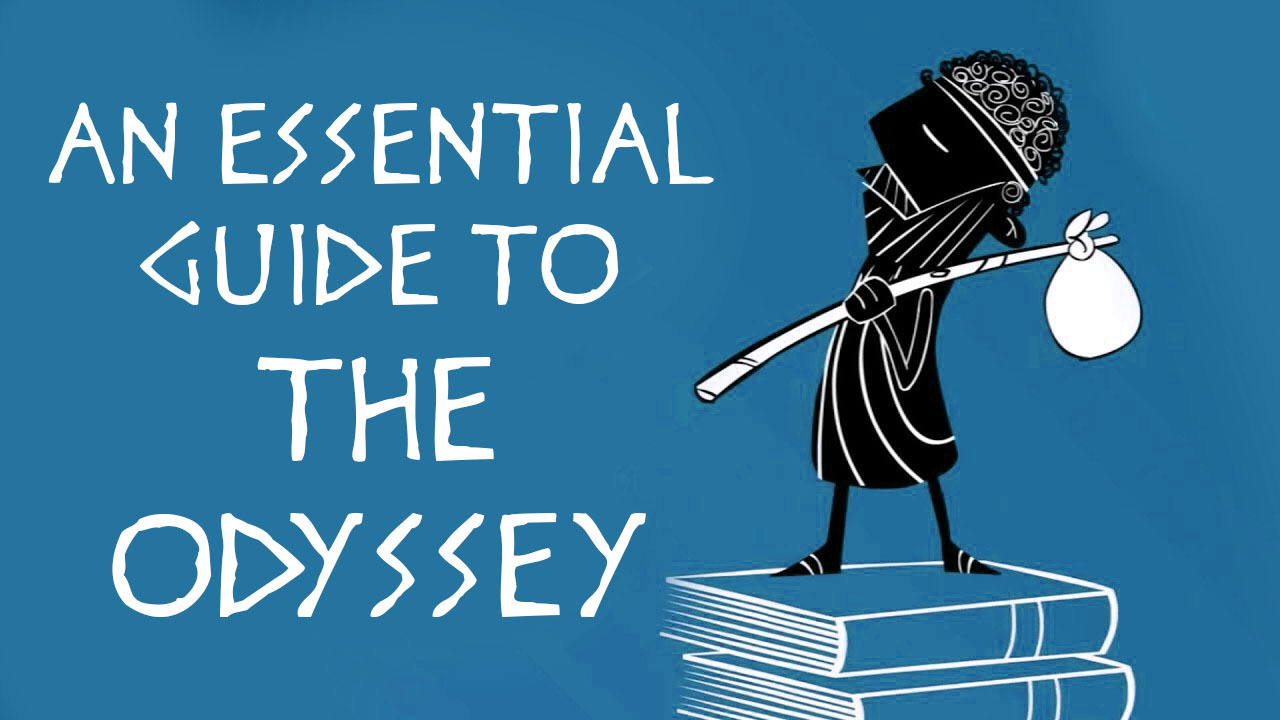
- Modern Pedagogical Integration (21st Century): Organizations such as TED-Ed and various academic institutions utilize digital media to contextualize these ancient events for a globalized student population.
Scientific and Archaeological Perspectives
One of the most persistent inquiries regarding The Odyssey is the question of its historicity. Did Troy exist, and to what extent does the poem reflect geographical or meteorological realities? Archaeological excavations, most notably those initiated by Heinrich Schliemann in the 1870s, uncovered multiple layers of a city at Hisarlik, confirming that a fortified settlement did indeed exist in the region described by Homer.
However, the "science behind the myth" remains a subject of intense academic debate. Researchers have analyzed the text for potential references to actual natural phenomena, such as solar eclipses or specific maritime currents, that may have inspired the fantastical elements of the story. For example, some climatologists and historians have suggested that descriptions of "monsters" or "giants" could be metaphorical renderings of unknown civilizations, severe weather patterns, or the navigation of treacherous, uncharted waters. By examining these myths through the lens of modern science, educators are able to demonstrate that while the gods themselves may be allegorical, the human experience of navigating the unknown is rooted in historical truth.
The Anatomy of a Myth: Key Episodes
The enduring appeal of the epic is largely due to its archetypal characters and situations. Among the most discussed segments are:
- The Trojan Horse and Laocoön: The tale of the Trojan Horse serves as a cautionary narrative regarding hubris and the dangers of gifts from adversaries. The tragic figure of Laocoön, the priest who attempted to warn his countrymen of the Greeks’ deceit, remains a symbol of the individual suppressed by both fate and the political machinations of the gods.
- The Descent into the Underworld: The katabasis—or journey to the afterlife—represented in the Odyssey and later in the Aeneid, provides a unique look into ancient Greek eschatology. By exploring the Underworld, audiences gain insight into the ancient perception of justice, memory, and the transition from life to death.
- The Myth of Baucis and Philemon: This story serves as a moral counterpoint to the violence of the Trojan cycle, emphasizing the importance of hospitality (xenia) and the unpredictable nature of divine judgment.
Educational Implications and Digital Resources
The transition of Homer’s work into the digital age has allowed for a multidisciplinary approach to the classics. Educational platforms have synthesized the poem into distinct thematic modules, covering everything from the mechanics of ancient warfare to the sociological implications of Greek hospitality. This approach moves beyond rote memorization, encouraging students to analyze the poem as a cultural document.
By providing crash courses on the life of Achilles, the tactical nuances of the Trojan War, and the theological framework of the Greek pantheon, educators are successfully maintaining the relevance of the text. Data from academic engagement platforms indicate that when students are provided with supplementary visual and auditory aids—such as interactive tours of the Underworld or analyses of the historical veracity of Troy—their comprehension and retention of the source material increase significantly.
The Broader Impact: Beyond the Text
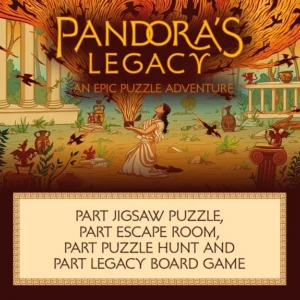
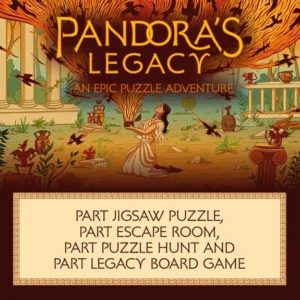
The influence of The Odyssey has extended beyond the classroom and into the sphere of popular culture, including gaming. The development of immersive experiences, such as "Pandora’s Legacy," demonstrates a shifting trend in how classical history is consumed. By gamifying the narrative elements of Greek mythology, creators are facilitating a more tactile engagement with the source material.
"These tools serve as a bridge," says one academic in the field of classical studies. "When a student engages with the geography of the Aegean or the ethical dilemmas of the Trojan War through a lens of problem-solving—whether it be in an escape room or a digital simulation—they are internalizing the cultural legacy of the text in a way that reading alone cannot achieve."
Conclusion
The Odyssey remains an essential component of the global literary canon, not merely as a relic of ancient history, but as a dynamic framework for understanding human behavior. As researchers continue to probe the boundaries between historical fact and poetic fiction, and as educators refine the methods by which these myths are disseminated, the narrative of Odysseus will continue to inform our collective understanding of heroism, loss, and the journey toward home. Whether through scholarly analysis, archaeological investigation, or the interactive media of the 21st century, the gods and heroes of Homeric tradition remain as relevant today as they were nearly three millennia ago.