The Twentieth Anniversary of the Taylor Swift Self Titled Debut Album Marks Two Decades of Cultural Transformation

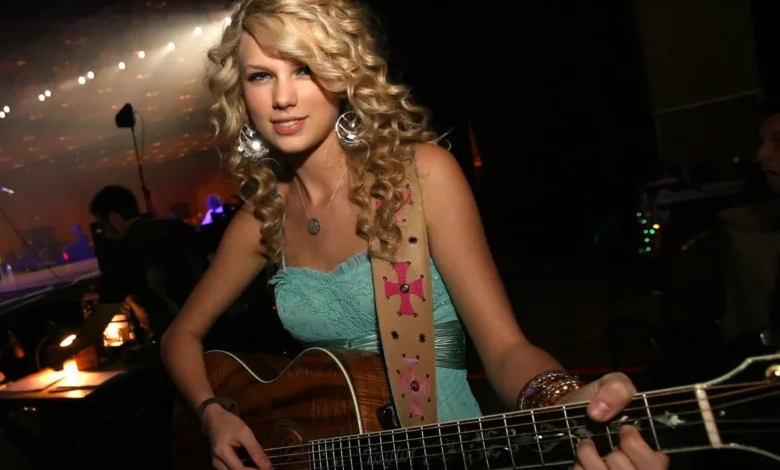
Today, October 24, 2026, marks the twentieth anniversary of the release of Taylor Swift’s self-titled debut studio album. When the record arrived on shelves in 2006, it was a modest country-pop offering from an untested sixteen-year-old singer-songwriter. Two decades later, the album is widely recognized as the foundational document of a career that redefined the music industry, reshaped the expectations for confessional songwriting, and blurred the once-rigid lines between country and pop music.
The Genesis of a Career
In October 2006, the music landscape was dominated by post-boy-band pop and traditional country radio. Swift’s entry into this environment was fraught with skepticism. As a teenager navigating a genre that favored established acts, she faced significant obstacles. Industry gatekeepers were hesitant to invest in an artist who did not fit the conventional mold of a Nashville star.
Swift’s journey began in earnest when she convinced her family to relocate from Pennsylvania to Hendersonville, Tennessee, to pursue her aspirations. Her early years in Nashville were characterized by a relentless work ethic, involving cold-calling record labels, securing a development deal with RCA Records, and becoming the youngest artist ever signed to the Sony/ATV Music Publishing house at age fourteen.
The breakthrough, however, occurred under the guidance of Scott Borchetta, who founded Big Machine Records. The label, which famously lacked furniture and permanent staff during its inception, provided the platform for Swift to release her debut. Unlike many contemporary artists of that era, Swift insisted on writing or co-writing every track on the album, a creative stance that was initially discouraged by some industry veterans but ultimately became the hallmark of her success.
Chronology of a Breakthrough
The trajectory of the album was not immediate, but it was sustained by a series of strategic releases and a burgeoning digital presence.

- June 2006: The debut single, "Tim McGraw," was released to country radio. It signaled the arrival of a new voice and began to build a loyal following among the demographic that would soon be known as "Swifties."
- October 2006: The self-titled album was released, featuring tracks like "Our Song," "Teardrops on My Guitar," and "The Outside."
- 2007–2008: The album demonstrated remarkable longevity on the Billboard charts. "Our Song" climbed to the top of the country charts, cementing her status in Nashville. Meanwhile, the "pop remix" of "Teardrops on My Guitar" successfully crossed over into mainstream CHR (Contemporary Hit Radio), a rare feat for a debut country artist at the time.
- December 2007: Swift received a nomination for Best New Artist at the 50th Annual Grammy Awards, signaling her transition from a regional country phenomenon to a national cultural force.
Supporting Data and Industry Impact
The commercial performance of the debut album was significant for an independent-label release. While the album peaked at No. 5 on the Billboard 200, it remained a fixture on the charts for an extended period, earning multiple platinum certifications. Beyond the raw numbers, the album’s impact on the industry’s business model was profound.
Swift was among the first generation of artists to effectively leverage the early social media landscape, specifically MySpace, to build a direct, unfiltered connection with fans. This grassroots strategy allowed her to bypass traditional gatekeepers—such as radio programmers and music critics—who were initially hesitant to embrace her work. By cultivating an audience that felt personally invested in her lyrics, she established a level of fan loyalty that would become a standard metric for success in the 21st-century music industry.
The Confessional Songwriting Standard
One of the most enduring legacies of the debut album is the "conversational" nature of Swift’s songwriting. By detailing specific, granular experiences—such as the frustration of high school cliques, the specific thrill of a first date, or the pain of being overlooked—Swift invited listeners into her world.
This approach forced a change in the expectations for female pop stars. In the late 2000s, there was immense pressure for young women in music to adopt manufactured personas. Swift’s insistence on documenting her actual life, including naming specific individuals in her songs, challenged these norms. The result was a shift in the pop industry where vulnerability and autobiography became commodities as valuable as catchy hooks.
Official Perspectives and Reflections
In interviews conducted during the album’s initial promotional cycle, Swift reflected on the "leap of faith" required to sign with a nascent record label. She noted that her refusal to record outside material—a common practice for teenage stars at the time—was a non-negotiable aspect of her contract.
"If I had been at a different label, and they wouldn’t have let me write my own music, maybe I wouldn’t be here," Swift remarked during a 2008 interview. She emphasized that her success was largely predicated on her ability to maintain creative control during her formative years.

Industry analysts today point to this period as the moment the power dynamic between artists and labels began to shift. The success of the debut album proved that an artist’s creative integrity was not merely an aesthetic choice but a viable business strategy.
Broader Implications and Legacy
Twenty years later, the impact of the debut album is felt in the careers of countless artists who have followed in Swift’s footsteps, prioritizing self-penned content and direct-to-fan engagement. The album serves as a case study for the evolution of the music business from a top-down, radio-dominated industry to a decentralized, artist-led ecosystem.
As the music industry commemorates this anniversary, the narrative has shifted from viewing the album as a mere "country debut" to recognizing it as the first chapter in a global phenomenon. While the singer-songwriter has since navigated numerous sonic and stylistic transformations, the core tenets of her debut—personal storytelling, independence, and a commitment to audience connection—remain central to her identity.
The fact that the album remains a subject of intense cultural interest two decades later speaks to its status as a foundational text. It remains a testament to the idea that authenticity, even when dismissed by the establishment, possesses the capacity to move the needle of popular culture permanently. Today, as fans and critics alike revisit the record, they are not just looking back at the work of a sixteen-year-old in 2006; they are examining the origins of one of the most significant musical careers in history.