Building a Pipeline of Student Voices: How Unity Concord International School Transformed Public Speaking into a Sustainable Educational Ecosystem

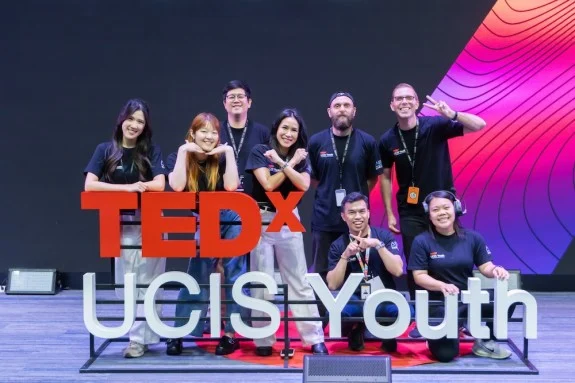
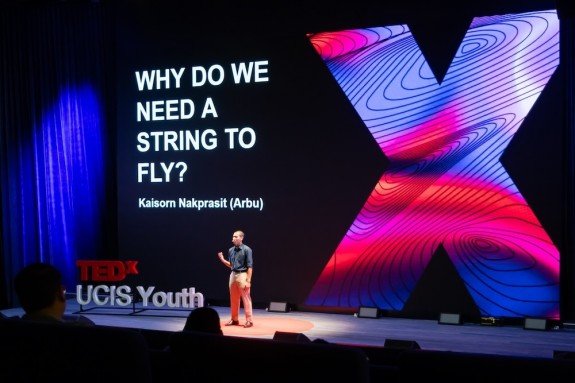
Every educator faces the perennial challenge of turning student curiosity into articulate, public expression. While teenagers often possess revolutionary ideas and deep-seated insights, the leap from internal thought to the public microphone requires a structured environment that emphasizes safety, mentorship, and consistent practice. At Unity Concord International School (UCIS) in Chiang Mai, Thailand, administrators and faculty have successfully engineered a solution that transcends the traditional "one-off" public speaking project. By integrating their year-round TED-Ed Student Talks initiative with their annual TEDxUCIS Youth event, the school has created a self-sustaining pipeline of student speakers, fostering a culture where ideas are not just expressed but are actively driving institutional and community change.
The Architectural Foundation: Building a Culture of Ideas
The UCIS model functions on the principle that public speaking is not an innate talent, but a practiced skill set developed through exposure and repetition. The foundation of this model is the TED-Ed Student Talks program, which provides a scaffolded environment for younger students—specifically those in the 5th and 6th grades—to begin their journey.
The strategy employed by Abby Schrantz, the school’s TED-Ed Student Talks Coordinator, focuses on eliminating the intimidation factor that often accompanies public speaking. Rather than relying on top-down directives, the program utilizes a peer-led recruitment model. By engaging directly with homeroom classes and encouraging veteran students to mentor newcomers, the program has reached full capacity. This peer-to-peer endorsement creates an "ecosystem of support" where students view the stage as an attainable destination rather than an impossible peak.
To maintain engagement, the curriculum is intentionally dynamic. Educators have moved beyond static manuals, incorporating interactive peer-review sessions where students analyze past talks. This reflective practice—watching previous presentations, deconstructing their rhetorical strategies, and providing constructive feedback—serves as the engine for continuous improvement. By the time students reach the threshold of the formal TEDx stage, they are already adept at the mechanics of storytelling, visual aid integration, and emotional resonance.

Chronology of a Mentorship Pipeline
The integration of these two programs—TED-Ed Student Talks and TEDxUCIS Youth—represents a strategic alignment of extracurricular resources. The chronology of student development at UCIS typically follows a three-stage trajectory:
- The Introduction Phase (Ages 10-12): Students join the TED-Ed Student Talks group, where they focus on ideation, narrative structure, and overcoming performance anxiety in low-stakes settings.
- The Observation Phase (Ages 12-15): Students serve as the primary audience for the TEDxUCIS Youth event. This exposure to a professional-grade production acts as a catalyst, providing a tangible goal and a standard of excellence.
- The Execution Phase (Ages 15-18): Students apply the skills garnered in the earlier phases to prepare for the main stage, often taking on leadership roles within the event organization itself.
This progression ensures that the organizing committee, led by individuals such as TEDxUCIS Youth license holder Madison Conger, does not have to rebuild its talent pool from scratch each academic year. The institutional memory held by the students reduces the friction of organizing a complex event, as the participants already understand the rigor, the deadlines, and the collaborative nature of the TEDx framework.
Supporting Data and Organizational Impact
While individual student growth is the primary metric of success, the organizational benefits of this dual-program approach are quantifiable. In traditional school settings, the labor-intensive nature of organizing high-profile events often leads to burnout for both faculty and students. However, because the UCIS model functions as a pipeline, the training burden is distributed across the entire academic journey.
According to internal school observations, students who transition from the TED-Ed group into the TEDx Youth program demonstrate higher levels of self-efficacy and resilience. Data from similar international educational networks suggest that students involved in structured public speaking programs report a 30% to 40% increase in confidence levels during collaborative academic projects. By normalizing the act of public performance, the school reduces the "performance barrier," allowing students to focus on the quality of their content rather than the stress of the environment.
Case Studies in Institutional Transformation
The most significant indicator of the program’s success is its ability to translate student ideas into concrete institutional change. The talks delivered at UCIS are not abstract; they are deeply grounded in the lived experiences of the student body.
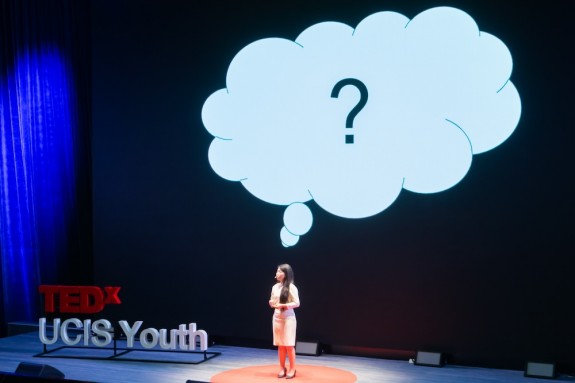
One notable example occurred when a student delivered a presentation regarding the challenges faced by "cross-cultural kids"—students navigating multiple national identities within an international school setting. The talk served as a catalyst for the establishment of a formal support community, involving both parents and faculty, to address the unique social-emotional needs of these students. This evolution from a speech to an active community resource demonstrates the latent potential of student voice when it is granted a platform and an audience.
Another recurring theme in recent years has been the honest exploration of mental health, specifically the pressures of societal expectations and the psychological toll of overthinking. These talks have fostered a more empathetic school culture, as students realize that their individual struggles are shared by their peers. By providing a medium for vulnerability, the school has created a safe space that validates the student experience, thereby strengthening the social fabric of the entire campus.
Official Perspectives and Pedagogical Strategy
Fernando Oringo, the International Co-curricular Coordinator for the Ambassador Education Group, emphasizes that this model is highly replicable for other institutions. The core of the strategy is the intentional "blurring" of the lines between the classroom and the stage.
"The goal is to move beyond the idea of a public speaking project as an isolated assignment," Oringo notes. "When you integrate these programs, you are not just teaching a student how to deliver a speech; you are teaching them how to be an agent of change in their community."
From the perspective of event organizers, the existence of the TED-Ed Student Talks group serves as an invaluable training ground. Madison Conger highlights that the logistical challenges of managing extracurricular requirements, homework, and speech preparation are significantly mitigated when students are already acclimated to the process. "When you have a pool of students who understand the TED philosophy and have already gone through the iterative process of drafting and refining ideas, the organizing process becomes a celebration of ideas rather than a frantic race against the clock," Conger explains.
Broader Implications for Secondary Education
The success of the UCIS model carries broader implications for secondary education, particularly in the international school sector. As educational institutions move toward models that prioritize 21st-century skills—such as critical thinking, communication, and collaboration—the integration of public speaking into the core culture becomes increasingly vital.
The UCIS approach offers a blueprint for schools looking to move beyond traditional assessment models. By providing a structured, long-term pathway for students to develop their voices, schools can effectively transition from being environments where students are passive recipients of information to being hubs of innovation where students are active contributors to the discourse.
Furthermore, the emphasis on a "multisensory experience"—as seen in the TEDxUCIS Youth events, which often include art exhibitions and interactive installations—demonstrates an understanding that communication is not limited to the spoken word. By diversifying the ways in which students can present their ideas, the school ensures that a wider range of students, with varying strengths and talents, can find a place in the program.
Conclusion: A Sustainable Future for Student Voice
The initiative at Unity Concord International School serves as a case study in how to institutionalize student empowerment. By viewing public speaking not as a discrete task, but as a longitudinal process, the faculty at UCIS have managed to foster a sustainable, high-impact environment. The collaboration between Abby Schrantz’s pedagogical focus on early development and Madison Conger’s organizational leadership has resulted in a program that is both robust and scalable.
As other schools look to replicate this success, the lessons from Chiang Mai are clear: start early, prioritize peer-to-peer mentorship, and ensure that the ultimate goal is not just the delivery of a speech, but the spark of real-world change. By treating student ideas with the seriousness and professional support they deserve, schools can cultivate a generation of communicators who are prepared not just for the classroom, but for the global stage.
The TED-Ed Student Talks program, which offers free and customizable activities for educators working with students aged 6–18, remains a key component in this educational evolution. As evidenced by the transformative work at UCIS, the investment of time and resources into these programs pays dividends that extend far beyond the duration of the school year, equipping students with the tools to navigate and influence the world around them for years to come.