The Evolution of Global Connectivity: Analyzing the New Holafly Subscription Model for International Travelers

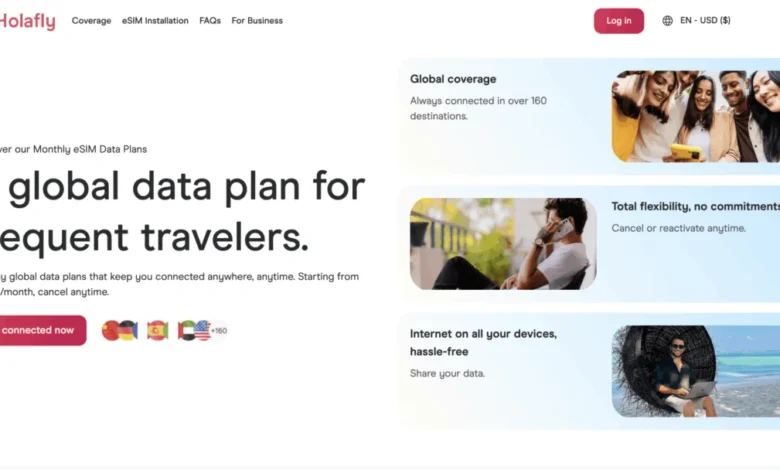
The landscape of international telecommunications has undergone a significant transformation with the introduction of Holafly Plans, a subscription-based eSIM service designed to provide continuous, borderless mobile data for long-term travelers and digital nomads. This shift represents a departure from the traditional, fragmented approach to roaming, where users were previously required to purchase individual, region-specific digital SIM cards for every new jurisdiction entered. As the global digital nomad population continues to expand—estimated by various industry reports to exceed 35 million individuals worldwide—the demand for seamless, uninterrupted connectivity has become a primary logistical priority.
The Mechanics of eSIM Technology
An embedded SIM, or eSIM, is a digital alternative to the traditional physical plastic SIM card. Integrated directly into the hardware of modern smartphones, the technology allows users to activate cellular plans via software rather than physical insertion. This architectural shift enables travelers to store multiple profiles on a single device, facilitating instantaneous switching between a domestic carrier and an international service provider.
The technical infrastructure of Holafly’s new offering relies on a sophisticated global roaming network that aggregates carrier agreements across 160+ countries. Unlike standard prepaid eSIMs, which are often time-bound and geographically restricted, the subscription model operates as an ongoing service agreement. Once the initial profile is installed on a device, the network automatically provisions the connection based on the user’s geolocation, eliminating the necessity for repeated QR code scanning or manual network configuration when crossing international borders.

Market Context and Historical Development
The telecommunications sector has long struggled to reconcile the high cost of international roaming with the demands of an increasingly mobile workforce. Historically, major domestic carriers imposed high daily surcharges or data-throttled roaming passes, often costing consumers upwards of $100 to $300 per month for basic, high-speed access. This financial barrier led to the rise of the independent eSIM market, which emerged as a disruptive force around 2018.
Holafly, established in 2018, initially gained market share by providing country-specific, high-volume data packages. The transition to a subscription-based "Plans" model marks a strategic evolution. By moving toward a recurring revenue structure, the company is positioning itself to compete directly with incumbent telecommunication giants by offering a "utility-style" mobile service that follows the user regardless of their travel itinerary. This shift mirrors the broader industry trend of "SaaS-ification" (Software as a Service), where hardware dependency is minimized in favor of flexible, cloud-managed connectivity.
Comparative Analysis of Service Tiers
The service is currently structured into two primary tiers, with a third premium option recently introduced to target the specific needs of long-term expatriates and frequent business travelers.
- The Light Plan: Designed for moderate users, this tier provides 25GB of data per month. It maintains the core benefit of the global coverage network and includes mobile hotspot capabilities, catering to travelers who primarily utilize navigation, communication, and social media platforms.
- The Unlimited Plan: This tier removes data caps entirely and includes an unlimited hotspot feature. It also provides a dedicated phone number (based in the US, UK, or Canada), allowing for the receipt of SMS verification codes, which are essential for banking and secure digital authentication while traveling.
- The Ultra Plan: As the most recent addition to the portfolio, the Ultra tier integrates a secondary service layer: travel assistance. This includes access to remote medical consultations, psychological support, and travel coordination services. While this does not replace comprehensive travel insurance—which remains necessary for high-stakes medical emergencies or major theft—it offers a supplemental layer of support for common, lower-level travel disruptions.
Economic Implications for Global Travelers
A quantitative analysis of the cost structure reveals significant disparities between the subscription model and traditional roaming. While a standard roaming pass from a major US carrier may cost $10 per day, a month-long trip could easily exceed $300 in additional fees. In contrast, the Holafly Unlimited Plan is priced at approximately $55 to $65 per month, depending on the billing cycle (monthly, quarterly, or annually).
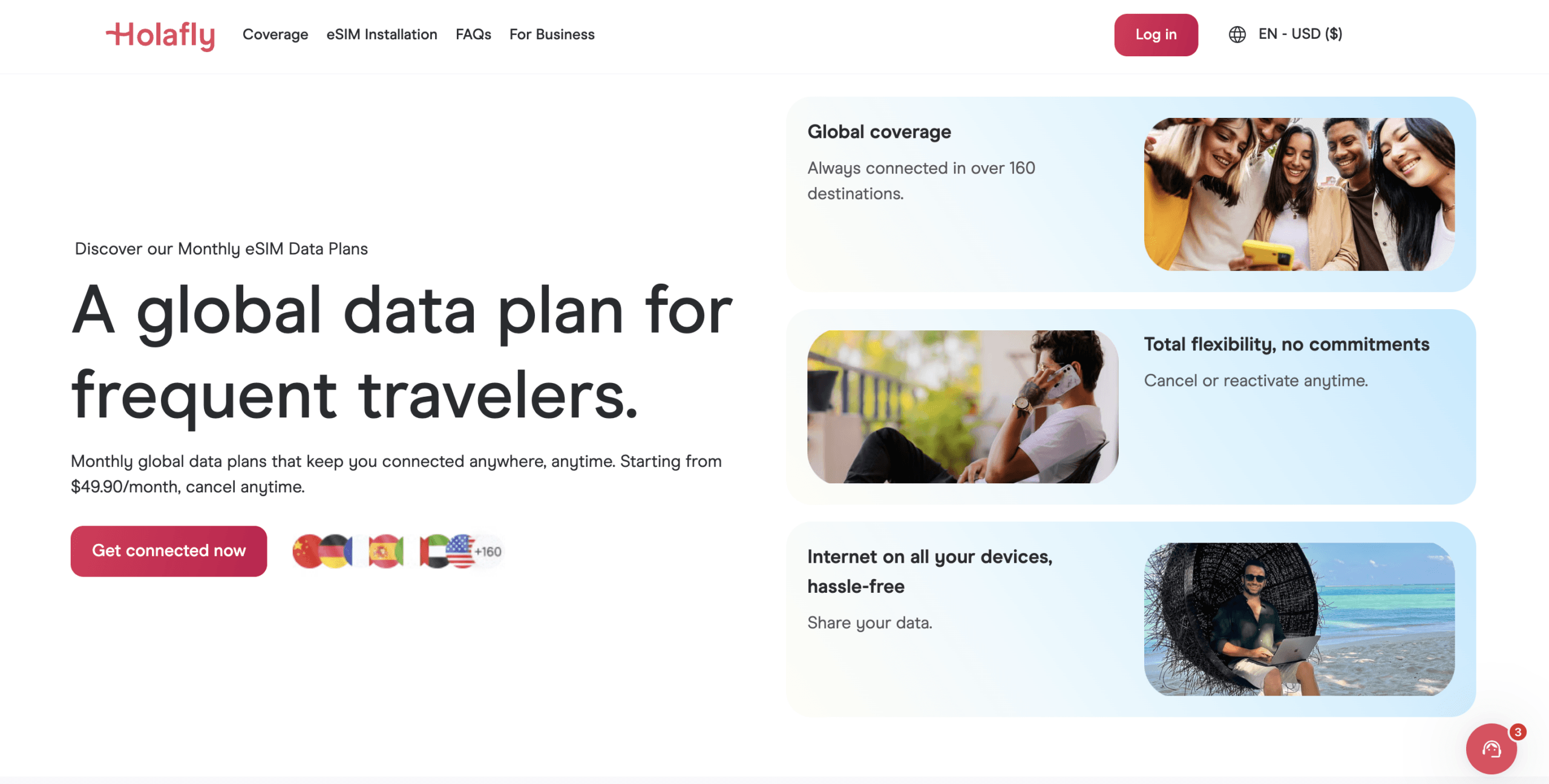
When normalized over an annual period, the cost savings are substantial. Frequent travelers who spend nine to ten months of the year abroad can realize cost reductions of up to 60-70% compared to legacy carrier international roaming add-ons. Furthermore, the inclusion of the "Always On" feature—which provides 1GB of emergency data per month even if the subscription is paused—mitigates the risk of total connectivity loss during transition periods, a common failure point in previous iterations of mobile travel technology.
Operational Challenges and Strategic Limitations
Despite the advantages, the model is not without limitations. Industry analysts note that because the service relies on network roaming agreements, the quality of connection is contingent upon the local partner carrier in each of the 160+ countries. In regions with underdeveloped cellular infrastructure, speed may be throttled or latency may increase.
Additionally, there is a clear distinction between the "Plan" and "Standard" offerings. For a traveler visiting a single country for a short duration, the overhead of a subscription may be unnecessary. The "Classic" eSIM remains the optimal choice for vacationers or short-term visitors, as it provides a one-time, low-cost purchase without the commitment of a recurring billing cycle. This bifurcation in the product line suggests that the company is attempting to capture two distinct market segments: the occasional tourist and the "permanent traveler."
Future Outlook and Industry Impact
The introduction of unified global plans signals a maturing market for eSIM technology. As more manufacturers move to remove physical SIM trays—a trend initiated by Apple’s transition to eSIM-only devices in the North American market—the barrier to entry for services like Holafly continues to drop.
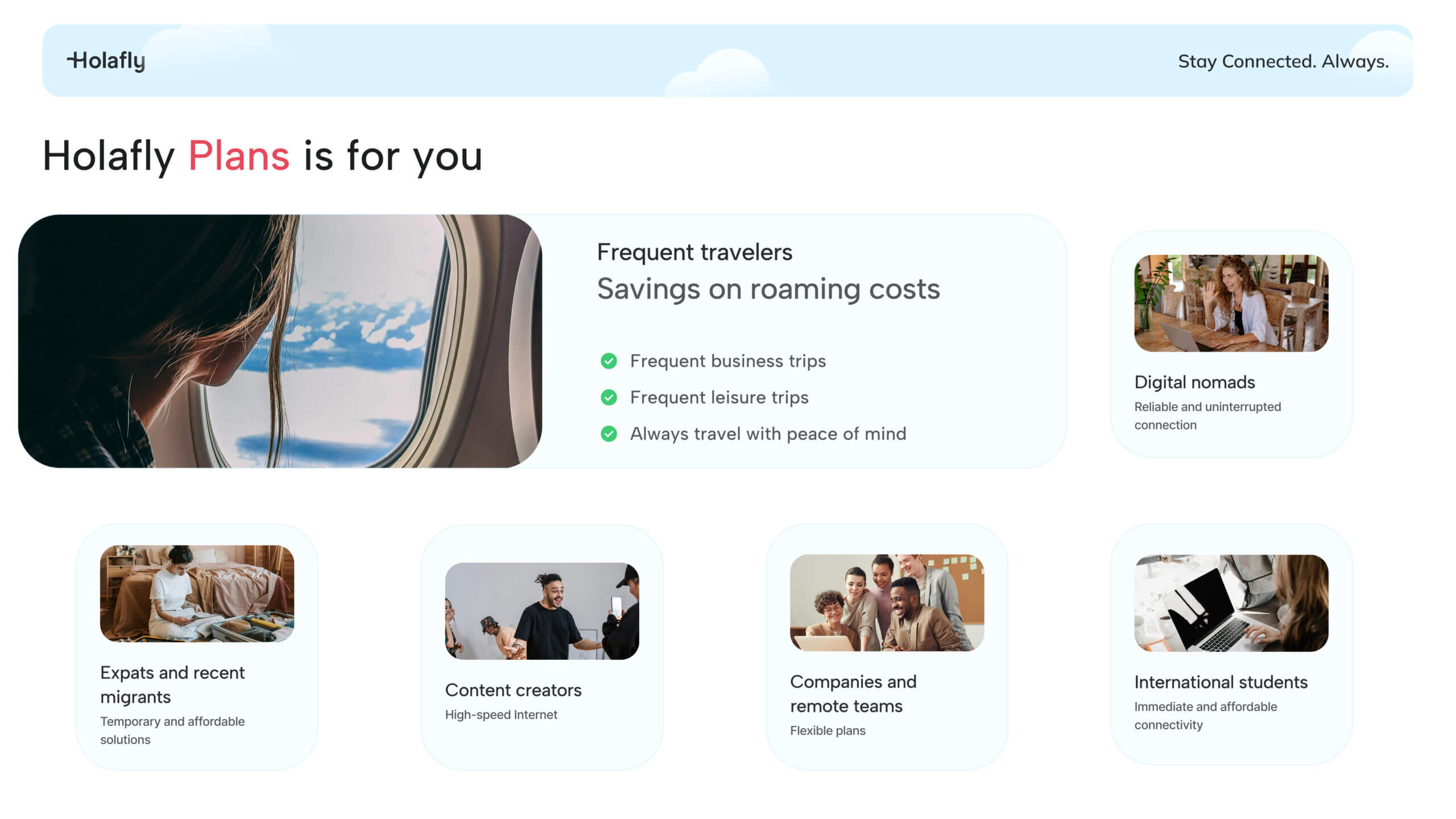
The integration of value-added services, such as the "Ultra Plan’s" travel support, indicates that the future of the eSIM market lies in bundling. Providers are no longer just selling data; they are selling the "connected experience." By positioning themselves as a comprehensive travel partner rather than a mere data pipeline, these providers are challenging the traditional role of mobile carriers.
However, the regulatory environment remains a hurdle. Telecommunications laws vary significantly by jurisdiction, particularly regarding local phone numbers and data privacy. Holafly and its competitors must navigate these regulatory landscapes to ensure that the user experience remains consistent regardless of the host country.
Conclusion: Assessing the Viability
For the demographic of digital nomads, expatriates, and high-frequency travelers, the subscription-based eSIM model offers a clear advantage in both cost-efficiency and operational convenience. By eliminating the friction of local SIM acquisition and the exorbitant costs of traditional roaming, these services have simplified the logistics of international life.
As connectivity becomes increasingly essential to the modern travel experience, the adoption of global, software-managed mobile plans is expected to grow. Whether this will force legacy carriers to lower their own international roaming prices remains to be seen, but for now, the shift toward subscription-based, device-agnostic mobile connectivity provides a compelling case for the modernization of telecommunications in an era defined by global mobility. Travelers are encouraged to evaluate their individual data usage patterns and travel frequency to determine whether the flexibility of a monthly subscription outweighs the lower, one-time costs of destination-specific eSIMs.