Beyond the Psychedelic Renaissance: Can Psilocybin Repair the Damage of Repeated Concussions?


The intersection of modern neuroscience and unconventional therapeutics has entered a fascinating new phase with recent preclinical investigations into repetitive mild traumatic brain injuries (rmTBI) and psychedelic compounds. For decades, the medical community has recognized the cumulative, destructive toll of repeated concussions—frequently sustained by contact sports athletes, military personnel, and victims of accidental trauma. These injuries are far from fleeting inconveniences; they set off a cascade of cellular and molecular disruptions that dramatically elevate an individual’s long-term risk of developing severe neurodegenerative disorders, including Alzheimer’s disease, Parkinson’s disease, and various forms of dementia.
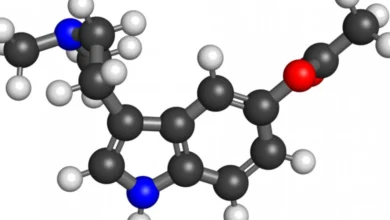
Until recently, clinical options for reversing or mitigating the structural damage caused by repeated concussions have remained severely limited, largely restricted to symptomatic management and prolonged rest protocols. However, a landmark study published in Communications Biology by researchers Brengel, Axe, Maheswari, and colleagues (2026) has opened an entirely unprecedented avenue of scientific inquiry. By investigating psilocybin—the naturally occurring psychoactive compound found in certain species of mushrooms—the research team has illuminated potential mechanisms through which the injured brain might be coaxed into repairing, protecting, and reorganizing itself at a cellular level.
Understanding the Mechanics of Repetitive Head Trauma
To fully grasp the magnitude of exploring a hallucinogen as a therapeutic intervention for brain injury, one must first examine the profound physiological aftermath of rmTBI. When a human or animal experiences a concussive impact, the physical force causes the soft tissue of the brain to shift violently against the rigid interior of the skull. This mechanical shearing and stretching damages delicate neurons, axons, and supporting glial cells.
Following the initial mechanical trauma, secondary injury cascades unfold over hours, days, and even years. These include chronic, low-grade neuroinflammation, microvascular dysfunction that reduces critical cerebral blood flow, and the compromise of the blood-brain barrier—a specialized cellular filter designed to protect the central nervous system from circulating toxins and pathogens. Furthermore, the traumatized brain frequently loses its efficient capacity to clear out misfolded and unwanted proteins.
Over time, this impaired clearance leads to the pathological accumulation of proteins such as abnormal tau, which forms toxic tangles that disrupt normal neuronal communication. As these cellular disruptions accumulate, they trigger progressive neuronal death and tissue atrophy. Historically, medicine has struggled to halt this degenerative march once it begins. The absence of approved pharmacological interventions specifically targeted at reversing the pathology of rmTBI has left patients vulnerable to long-term cognitive decline and psychiatric complications, ranging from severe treatment-resistant depression and anxiety to substance use disorders.
The Shift Toward Psychedelic Neurotherapeutics
In recent years, the scientific paradigm surrounding classical psychedelics has experienced a massive resurgence. Compounds like psilocybin have garnered intense clinical interest for their remarkable efficacy in treating severe psychiatric conditions. Researchers have noted that psilocybin acts as a powerful promoter of neuroplasticity—the brain’s intrinsic capacity to structurally modify, adapt, and forge new neural pathways in response to learning, experience, or injury. Additionally, psilocybin exhibits potent anti-inflammatory properties.
Recognizing these overlapping attributes, Brengel, Axe, and Maheswari hypothesized that the molecular properties driving psilocybin’s psychiatric benefits might also be harnessed to counteract the physical and biochemical destruction wrought by repetitive head trauma. Rather than focusing solely on the temporary alterations in consciousness that characterize the psychedelic experience, the researchers turned their attention to the downstream molecular and neuroradiological changes occurring within the brain tissue itself.
Experimental Design and Methodological Rigor
To test this hypothesis, the research team conducted a controlled preclinical study utilizing an animal model that closely mimics human repetitive mild traumatic injuries. Rats were subjected to a standardized protocol producing repeated mild head impacts once daily for three consecutive days. Crucially, these impacts induced localized tissue swelling above the skull without causing fractures or penetrating injuries, accurately reflecting the closed-head nature of concussions sustained in human contexts such as American football, rugby, hockey, or vehicular accidents.
Because laboratory rats are nocturnal creatures—meaning their natural active period occurs during the night—the researchers meticulously timed the administration of the interventions to coincide with this active phase. This methodological precision ensured that physiological baselines and metabolic responses were as comparable as possible to studying daytime injuries in active humans.
Following the final injury, the subjects were administered a controlled 3.0 mg/kg dose of psilocybin. The team then deployed advanced neuroradiological and molecular biological techniques to track real-time changes in brain activity, local blood flow, and tissue oxygenation. This multifaceted monitoring allowed the investigators to capture a comprehensive picture of how the drug interacted with the traumatized central nervous system.
Decoding the Evidence: What the Data Revealed
The findings resulting from the psilocybin intervention surpassed initial expectations, revealing a multi-layered mechanism of action that addresses several distinct facets of brain injury pathology.
First and foremost, the data indicated that psilocybin significantly mitigated cerebral edema—the dangerous swelling caused by fluid leaking into brain tissue following vascular damage. By helping compromised blood vessels return to a more homeostatic state of normal functioning, the compound restored adequate perfusion and oxygenation to oxygen-starved regions of the cortex.
At the network level, functional imaging demonstrated that psilocybin administration altered resting-state functional connectivity, effectively resetting aberrant patterns of communication among disparate brain regions that had been disrupted by the concussive forces.
Perhaps most compelling for the prevention of long-term neurodegeneration were the molecular findings. The researchers observed a marked reduction in the accumulation of pathological, abnormal forms of tau protein—the very protein implicated in the structural decay characteristic of chronic traumatic encephalopathy (CTE) and Alzheimer’s disease. Concurrently, the treatment upregulated the expression of critical neurotrophic and survival proteins. These endogenous factors actively assist brain cells in surviving metabolic stress, repairing damaged structures, and synthesizing new synaptic connections.
Furthermore, the lipid-based signaling molecules of neurons—which dictate how cell membranes respond to stress and facilitate intercellular communication—were positively modulated by the treatment, suggesting a comprehensive cellular stabilization effect.
Broader Implications and Future Horizons
While the therapeutic promise suggested by these preclinical findings is substantial, the scientific community emphasizes the need for measured interpretation. Animal models provide invaluable mechanistic insights, yet they do not offer an exact one-to-one parallel to the complex lived experiences, genetic diversity, and psychosocial environments of human patients. Translating a 3.0 mg/kg rodent dose into safe, effective clinical trials for humans requires rigorous pharmacological scaling, comprehensive safety profiling, and extensive phase trials.
Nevertheless, the implications of this research are profound. Millions of individuals worldwide—from professional and amateur athletes to military veterans and accident survivors—live with the persistent, debilitating legacy of repetitive head impacts. The realization that a psychedelic compound like psilocybin might fundamentally influence the biological processes governing neuroprotection, tissue repair, and structural reorganization redefines the boundaries of neurotrauma research.
As academic institutions and pharmaceutical developers continue to chart the uncharted waters of psychedelic medicine, studies of this caliber signal a hopeful departure from palliative management toward genuine neuroregeneration. While clinical availability remains a horizon away, the integration of molecular biology and neuroradiology points toward a future where the resilient, plastic nature of the human brain can be actively supported and healed from within.