Madrid, the vibrant capital of Spain, serves as the administrative, financial, and cultural heart of the Iberian Peninsula. With a population exceeding 3.5 million, the city acts as the primary gateway for over 10 million international visitors annually. Spanning a vast metropolitan area, Madrid is defined by its unique fusion of Hapsburg-era architecture, world-class artistic institutions, and a distinct social rhythm that prioritizes late-night dining and community interaction. As the city continues to solidify its status as a premier European destination, understanding its logistical landscape and historical depth is essential for navigating its expansive offerings.
The Historical and Cultural Landscape
Madrid’s development from a ninth-century Muslim fortress into a sprawling imperial capital has left an indelible mark on its urban design. The city’s core, often referred to as "Madrid de los Austrias," reflects the influence of the Habsburg dynasty, characterized by ornate plazas and narrow, medieval-style streets. Since the 17th century, the city has functioned as the center of Spanish political life, a status that has facilitated the accumulation of immense artistic wealth, much of which is now preserved in the city’s dense network of museums and royal sites.
Day 1: The UNESCO Paseo del Prado and Artistic Heritage
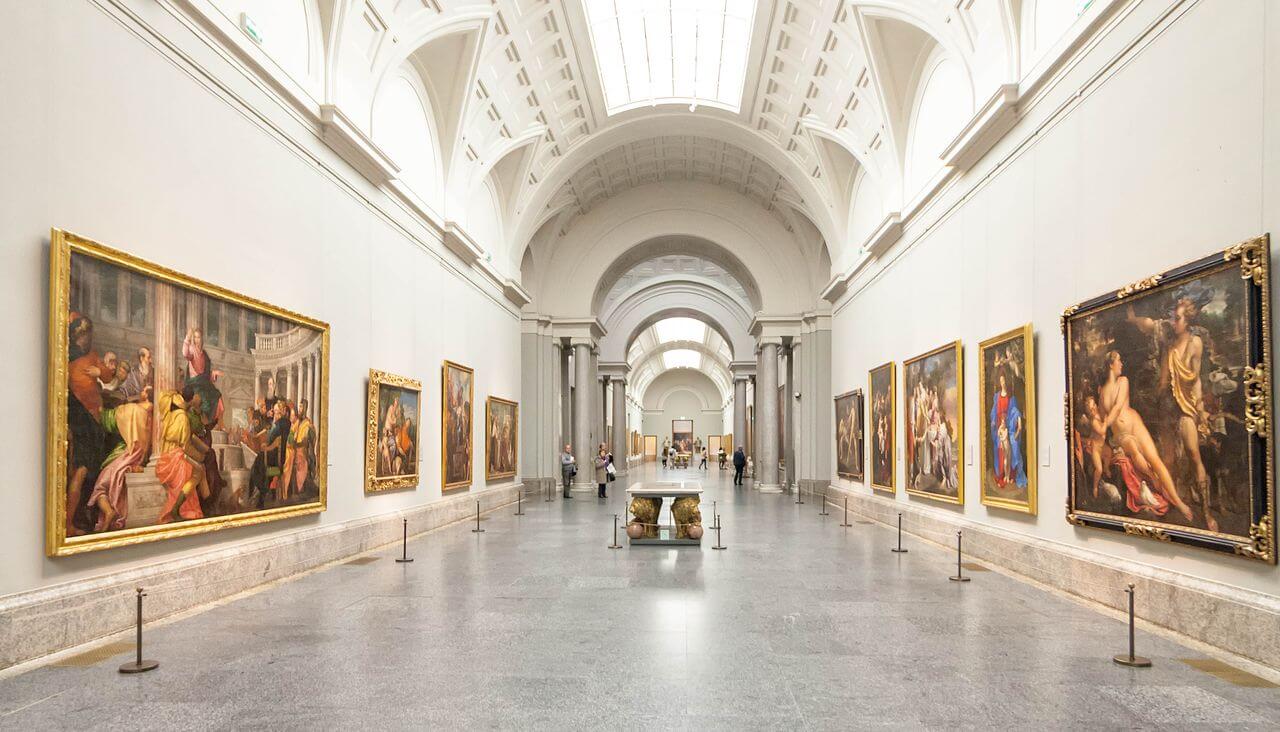
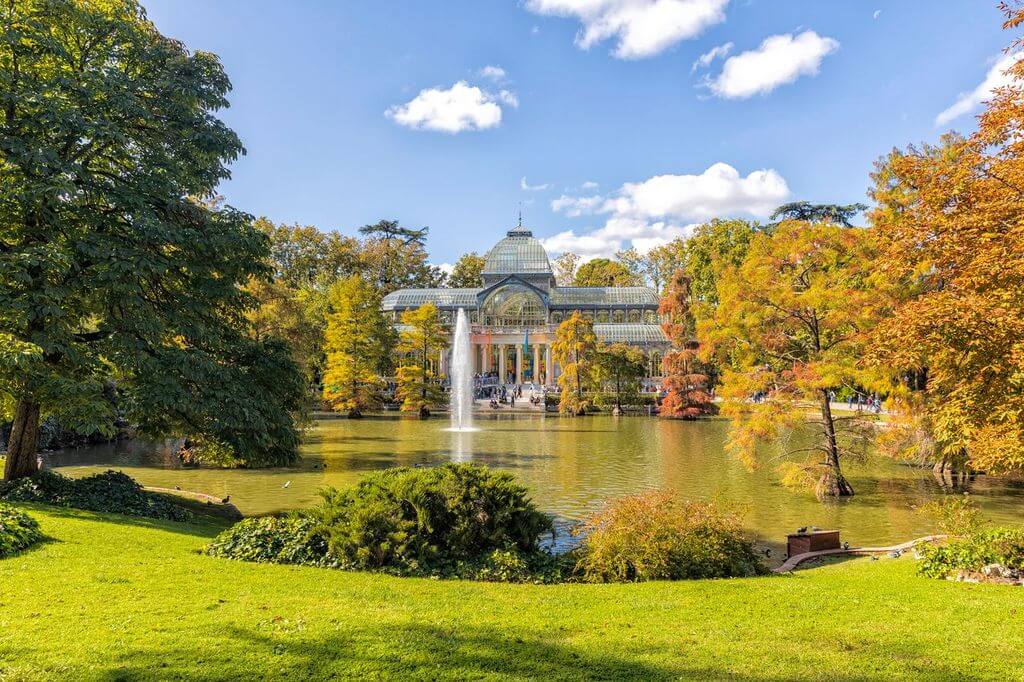
The city’s artistic significance is anchored by the Paseo del Prado and the adjacent El Retiro Park, a landscape designated as a UNESCO World Heritage site in 2021. This area serves as a focal point for European art history. The Prado Museum, a global leader in art conservation, houses one of the world’s most extensive collections of European art, including seminal works by Velázquez, Goya, and El Greco.
Following the Prado, visitors typically move to the Thyssen-Bornemisza Museum, which provides a comprehensive chronological bridge through the history of painting, and the Reina Sofía National Art Center. The latter is renowned for its modern collection, most notably Pablo Picasso’s 1937 masterpiece, Guernica. The day concludes with an exploration of "House Museums," such as the Sorolla Museum, which offers insight into the private lives of 19th-century Spanish intellectuals and artists. These institutions provide a critical look at the preservation of domestic history alongside the state-sanctioned art collections.
Day 2: Habsburg Madrid and the Royal Legacy
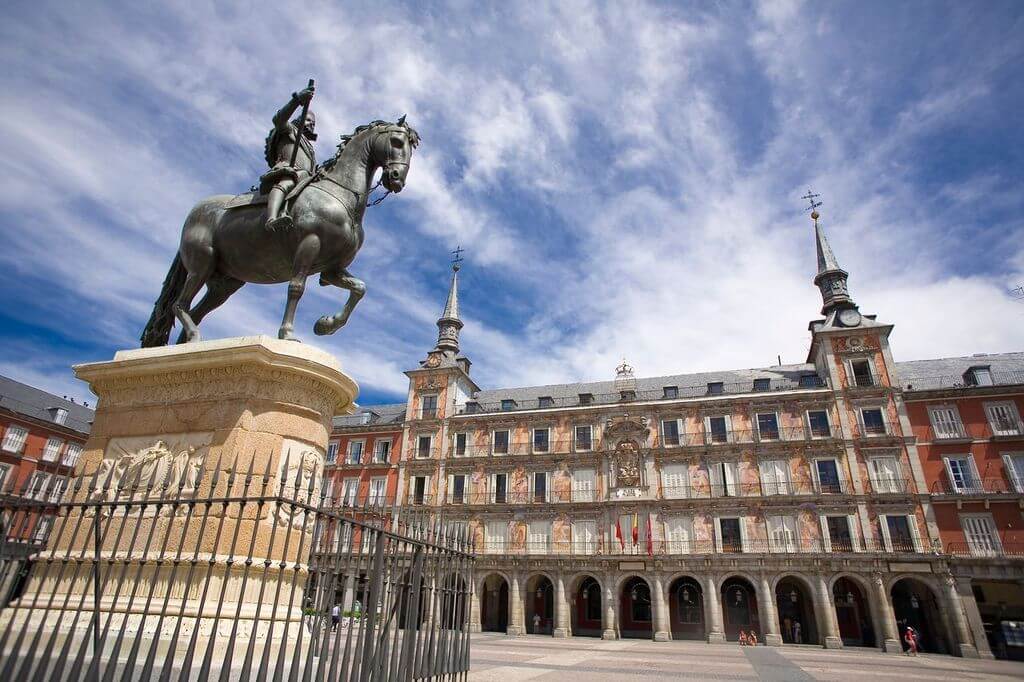
The second day of a structured visit centers on the historic administrative hub of the city, Puerta del Sol. This plaza serves as the geographical center of Spain, marked by the "Kilometer Zero" plaque, which serves as the origin point for the nation’s radial road network. The nearby Plaza Mayor, constructed in the early 17th century, stands as a testament to the city’s past, having served as a venue for public executions, bullfights, and royal coronations.
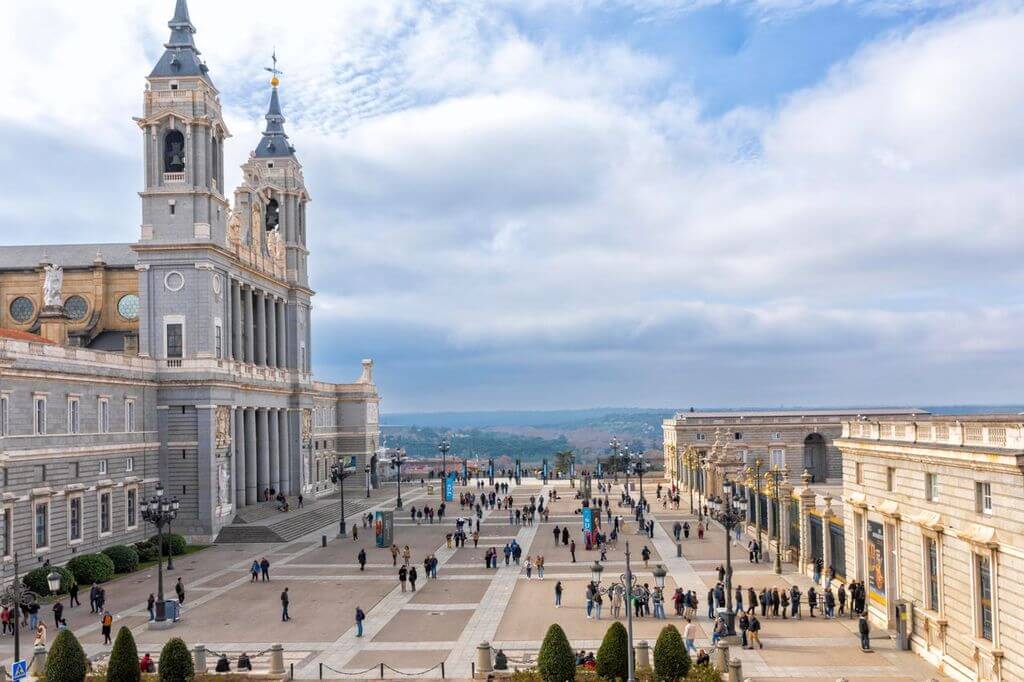
The Royal Palace of Madrid remains the city’s most significant architectural landmark. Though no longer a residential palace for the Spanish monarchy, it remains the site of official state functions. With over 3,400 rooms, it is the largest functioning royal palace in Western Europe. Its interior serves as a repository for decorative arts, including tapestries, porcelain, and armor from the Royal Armory. The nearby Almudena Cathedral, completed in 1993, provides a architectural contrast, blending Neo-Classical and Neo-Romanesque elements to reflect the city’s modern religious and political evolution.
Day 3: Culinary Infrastructure and Modern Gastronomy
Madrid’s culinary sector has become a major economic driver, with the city boasting some of the highest concentrations of restaurants per capita in the world. The city’s approach to dining is characterized by both high-end gastronomy and the "tapas" culture, which promotes social interaction through small, shared plates.
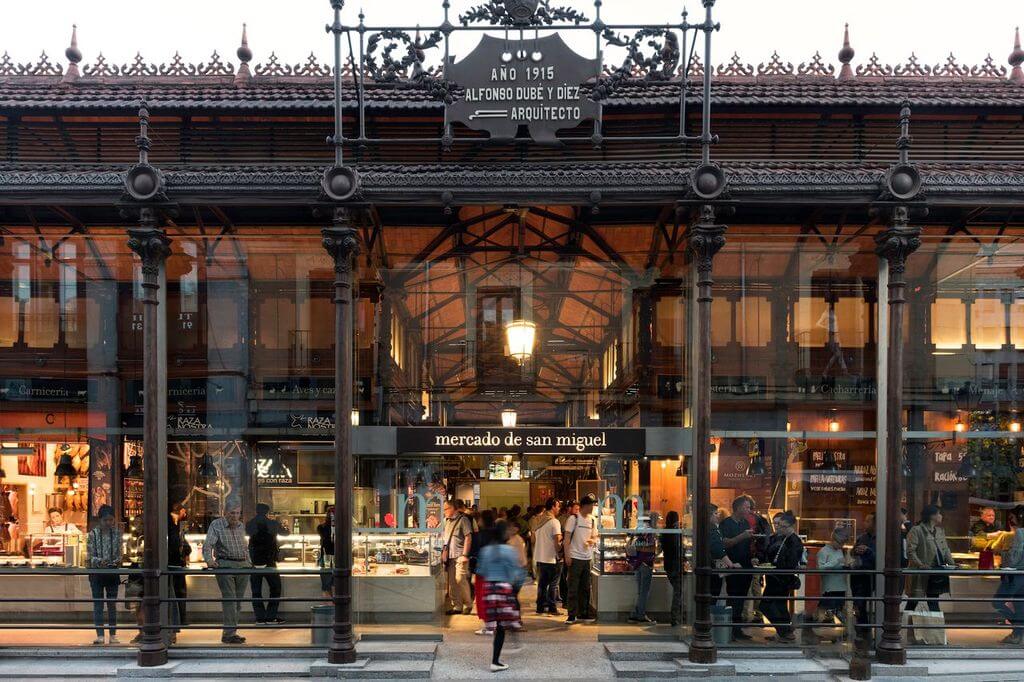
Markets such as the Mercado de San Miguel and the Mercado de San Antón have been revitalized as centers of gourmet commerce, catering to both local residents and tourists. These hubs play a vital role in local economic circulation. Furthermore, the longevity of institutions like Sobrino de Botín—documented by the Guinness World Records as the oldest restaurant in continuous operation—highlights the city’s commitment to preserving its historical culinary identity. The rise of a robust vegetarian and vegan scene in districts like Malasaña reflects a broader, contemporary shift in Spanish dietary habits, moving away from traditional meat-heavy staples to more diverse, plant-based offerings.
Day 4: Regional Context and UNESCO World Heritage Sites
Madrid’s significance extends beyond its city limits, with several neighboring municipalities holding UNESCO World Heritage status. The Monastery of San Lorenzo de El Escorial, located approximately an hour from the capital, serves as a monument to the austerity and power of the Spanish Empire under Philip II. The site functions as a monastery, library, and royal pantheon.
Similarly, the Royal Palace of Aranjuez provides a case study in the strategic use of landscape architecture by the Spanish monarchy during the 16th and 17th centuries. The town of Alcalá de Henares, the birthplace of Miguel de Cervantes, serves as a crucial site for linguistic and literary history. These sites allow for a broader understanding of the historical and social pressures that shaped the evolution of the Spanish state, moving beyond the metropolitan experience of the capital to the imperial realities of the countryside.
Day 5: Cloistered Art and Urban Expansion
The final day focuses on the city’s lesser-known, yet historically significant, religious institutions. The Monastery of Las Descalzas Reales and the Royal Monastery of La Encarnación offer a perspective on the intersection of aristocratic life and religious devotion. These sites house extensive, often private, collections of art that were shielded from public view for centuries. The preservation of these monasteries, many of which remain active, provides a rare look at the functional history of Madrid’s cloistered communities.
The itinerary concludes at the Casa de Campo, a 1,700-hectare park that stands as a vital "green lung" for the city. Originally a hunting ground for royalty, the park was opened to the public in 1931, marking a significant shift in urban planning that prioritized public access to space. The park’s current role as a recreational hub underscores the city’s ongoing efforts to balance its dense urban growth with environmental sustainability and public health.
Economic and Logistical Implications
For the traveler, Madrid presents a complex logistical environment. The efficiency of the city’s public transportation network, combined with a high density of affordable accommodation, makes it accessible to a broad demographic. The city’s reliance on tourism as a primary economic engine has necessitated strict management of historical sites, often requiring pre-booked tickets for major attractions like the Royal Palace and the Prado Museum.
Experts in the travel industry note that the shift toward "experiential tourism"—where visitors prioritize local immersion over traditional sightseeing—has influenced the growth of neighborhood-focused exploration. By engaging with both the high-profile UNESCO sites and the community-led markets, visitors contribute to a more sustainable, distributed model of tourism that benefits the city’s diverse districts. As Madrid continues to balance its role as a global capital with the preservation of its historical character, it remains a critical case study in how major European cities maintain their cultural relevance in the 21st century.