Beyond the Single Search Box: Exploring the Diversified Ecosystem of Modern Search Engines


For the vast majority of global internet users, the act of searching for information is synonymous with a single destination: Google. As of October 2026, Statcounter data indicates that Google maintains a dominant 91.04% share of worldwide search engine referrals. This ubiquity has turned the search bar into a habitual utility—a reflex used to verify facts, research consumer purchases, and monitor breaking news. However, the reliance on a single algorithmic gatekeeper for all information needs often ignores the reality that not every query is created equal. From the nuance of deep research and academic inquiries to the necessity of privacy-first browsing or accessing geographically localized content, the "one-size-fits-all" search model is increasingly showing its limitations. As the digital landscape evolves, a robust ecosystem of alternative search engines and AI-driven answer systems has emerged, offering specialized tools that cater to the specific complexities of modern information gathering.

The Evolution of Search: A Chronological Shift
The trajectory of search technology has undergone significant transformations over the last three years. Following the public release of ChatGPT in late 2022, the industry shifted from a traditional link-based index model toward a conversational, generative AI paradigm. By early 2023, major incumbents like Google faced intense pressure, leading to the rapid deployment of AI-powered features such as Bard—later rebranded and integrated into the broader Gemini ecosystem—and the introduction of AI Overviews in May 2024. These developments fundamentally changed how users expect to interact with the internet. Rather than sifting through ten blue links, users now prioritize synthesis, verification, and contextual continuity. This change in user behavior has created a "search fragmentation," where the most effective tool is now dictated by the nature of the task rather than the market share of the platform.
AI-Powered Answer Engines: Contextualizing Information
The rise of conversational AI has birthed a new category of tools that prioritize "answers" over "referrals." ChatGPT, which recorded approximately 6 billion monthly visits as of October 2026, has become a primary interface for users requiring iterative research. Unlike standard search engines, ChatGPT maintains the context of a conversation, allowing users to compare complex methodologies or explain technical concepts without needing to restart their search process with new keywords.

Similarly, Perplexity has carved out a niche by focusing on a "source-first" architecture. With 88.3 million monthly visits, Perplexity serves as a research-oriented bench where AI-generated responses are tethered to specific, verifiable citations. For marketers and researchers, this represents a significant shift: the value of a search engine is no longer measured solely by the volume of traffic it sends to a website, but by its ability to accurately surface a brand or fact within a high-stakes, AI-generated summary. This makes platforms like Perplexity essential for "test-bench" marketing, where brands must ensure their data is correctly represented in the emerging AI-search landscape.
General Web Search and the Role of Ecosystems

Despite the buzz surrounding AI, the core functionality of general web search remains vital. Microsoft Bing, with 3.7 billion monthly visits, continues to act as a primary competitor by integrating its Copilot Search with a traditional index. Bing’s focus on visual search—using images to identify products or translate text—remains a distinct advantage over competitors.
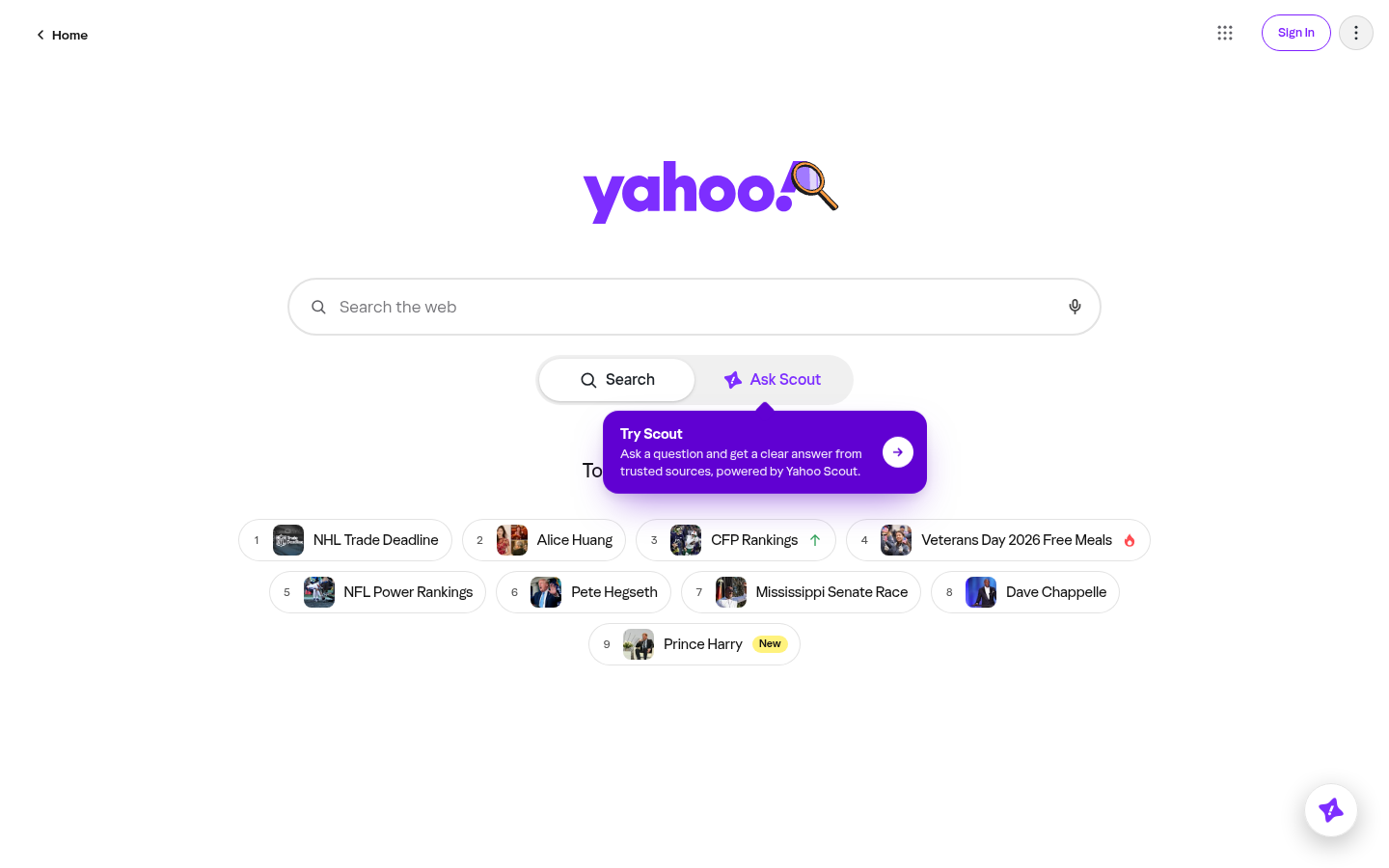
Yahoo Search, meanwhile, has leaned into its role as a content ecosystem. By launching "Scout" in January 2026, Yahoo integrated its massive library of finance and news data with AI-grounded APIs from Anthropic and Microsoft. This demonstrates a key trend in the industry: search engines are increasingly becoming "hubs" for proprietary ecosystems. Yahoo’s value lies in its ability to connect a user’s search query to a deeper, authenticated stream of professional news and financial data, rather than just an index of the open web.
Regional Dominance and Localized Context
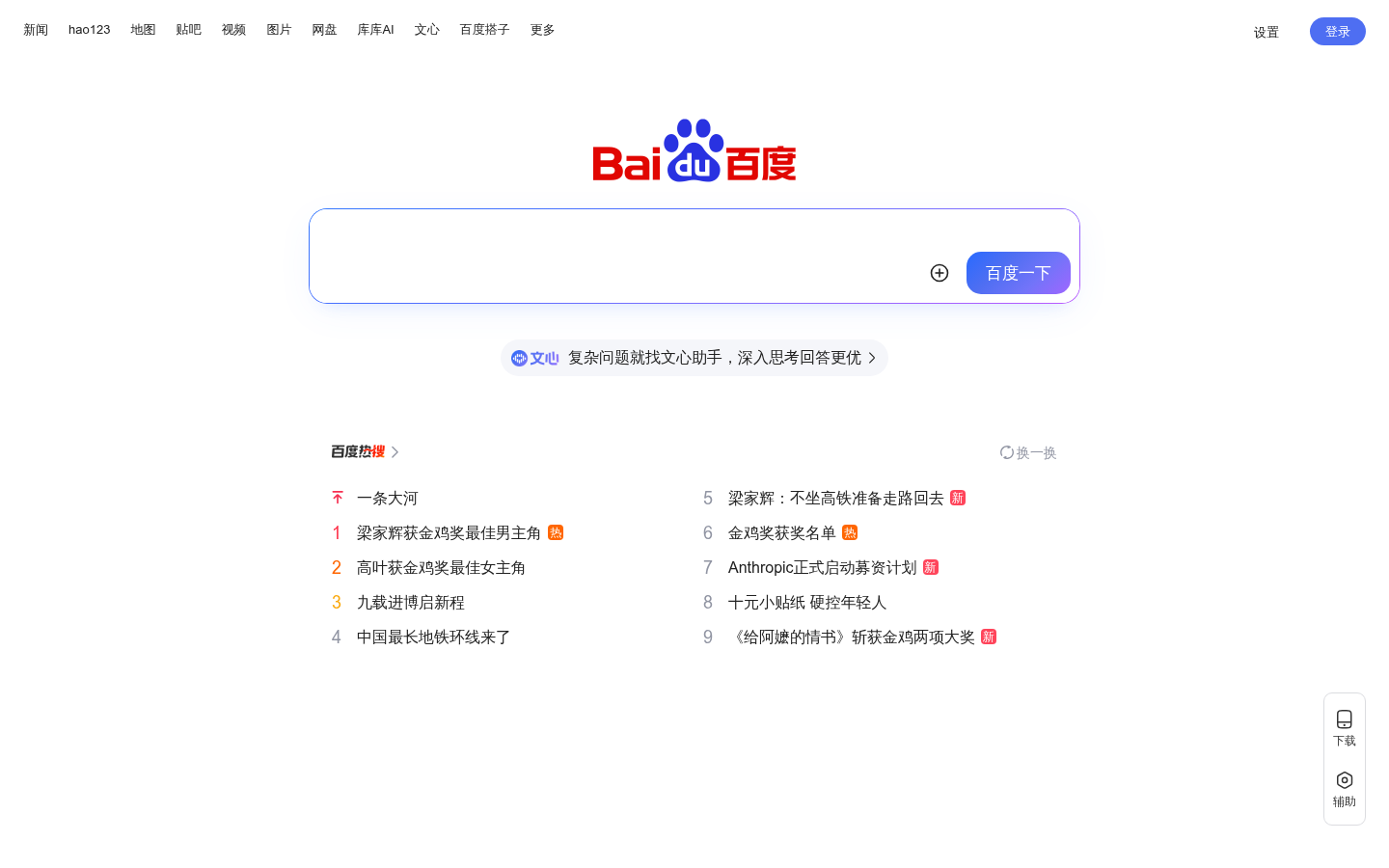
A critical oversight for many global search strategies is the assumption that Google is the dominant player in every market. In reality, regional search engines provide a more accurate reflection of local culture, language nuances, and consumer behavior. Baidu, with 1.7 billion monthly visits and a 49% referral share in China, offers an integrated suite of services—including maps, encyclopedias (Baike), and document repositories (Wenku)—that are essential for any business operating within the Chinese market.
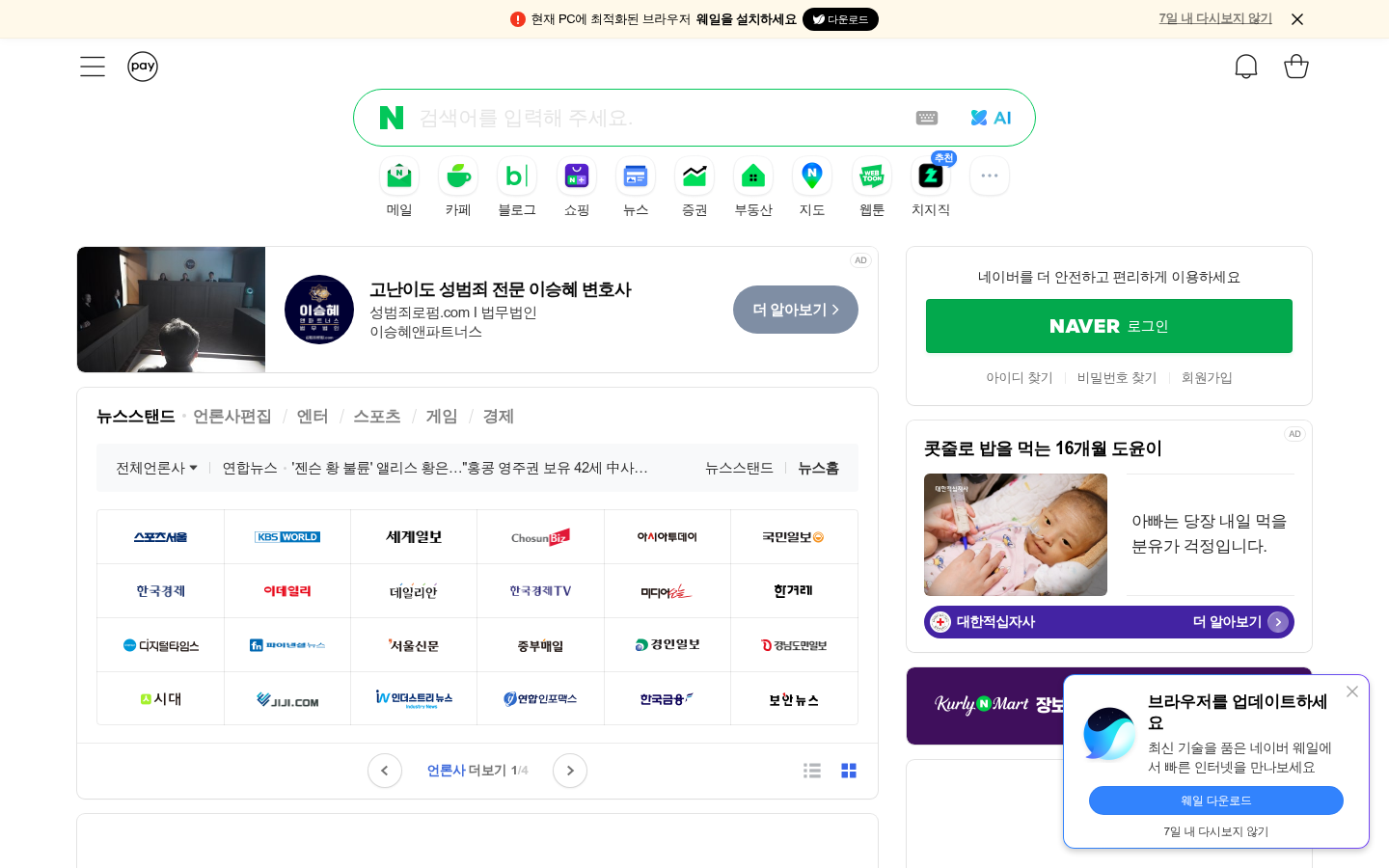
South Korea’s Naver presents a similar case. With 1.5 billion monthly visits and a 42.25% share of the Korean market, Naver’s search architecture is built around community, integrating blogs, cafes, and "Knowledge iN" Q&A forums. For researchers, these platforms are not just search engines; they are social archives. Similarly, Yandex remains the dominant player in the Russian Federation with a 70.22% referral share. Attempting to use a global search engine to gauge the pulse of Russian public opinion or market trends is often ineffective because it ignores the specific ranking signals and local publishers that dominate the Yandex ecosystem.
Privacy and Control: The Ethical Search Frontier
For many users, the primary motivation for switching search engines is data sovereignty. DuckDuckGo and Startpage represent the two primary methodologies for private searching. DuckDuckGo operates on a privacy-first model, ensuring that search history is not tied to individual profiles. Startpage, by contrast, acts as an intermediary, allowing users to query Google’s massive index while stripping away personal identifiers.
Kagi, a subscription-based search engine, has introduced a radical shift in the industry: the elimination of the advertising-supported model in favor of a user-funded one. With 4.6 million monthly visits, Kagi allows users to curate their own search results, blocking unwanted domains and prioritizing niche, non-commercial content. This "premium" approach to search highlights a growing segment of users who are willing to pay for control, lack of bias, and the removal of the tracking-based advertising incentives that define Google’s core business.
Specialist Tools: When Search Requires Precision
The modern search landscape also includes specialized tools designed for specific formats or historical needs. The Internet Archive’s Wayback Machine, with 46.4 million monthly visits, is indispensable for digital forensics and historical verification, allowing users to view the evolution of webpages over time. SlideShare remains the premier repository for professional presentations, serving as a database for business intelligence that is often indexed poorly by general search engines.

Additionally, WolframAlpha has maintained its importance as a computational engine. By using curated data rather than a web index, it provides answers to mathematical and scientific queries that are inherently structured and objective. Unlike the probabilistic nature of Large Language Models, which can occasionally hallucinate, WolframAlpha’s reliance on algorithmic computation provides a degree of deterministic accuracy for specialized tasks.
Implications for Marketers and Developers
The diversification of search engines has profound implications for digital strategy. Visibility is no longer a matter of SEO optimization for one algorithm; it is a multi-platform challenge. Marketers must evaluate their presence across disparate indices—from WeChat articles indexed by Sogou to professional profiles on LinkedIn or academic citations in Kagi.
For developers, platforms like Yep have introduced the concept of the search API as a product, allowing businesses to integrate first-party search technology into their own applications. This decoupling of "the search box" from "the search index" is perhaps the most significant structural change in the industry over the last decade.

Conclusion: The Future of Search is Modular
As we look toward the end of 2026, the search industry is clearly moving away from a monolithic, Google-centric model toward a modular, specialized ecosystem. While Google remains the most efficient tool for general-purpose queries, the existence of these 21 alternatives demonstrates that the "best" search engine is entirely dependent on the user’s intent. Whether the goal is to fund climate action through Ecosia, ensure privacy through DuckDuckGo, or perform deep academic research through Perplexity, the modern user is no longer a passive recipient of a single algorithmic output. By curating a personal "toolbox" of search engines, users and professionals alike can reclaim control over the information gathering process, ensuring that the results they receive are as precise, private, and relevant as possible. The era of the single search box is ending, and in its place, a more nuanced, competitive, and specialized landscape is taking root.