Parvus Asset Management Moves to Oust Accor CEO Sébastien Bazin Over Years of Lagging Returns and Ennismore Buyout

European hospitality giant Accor is facing a high-stakes leadership crisis after its largest shareholder officially announced its intention to push for a major boardroom shakeup. Parvus Asset Management, a prominent investment firm holding a substantial 14.1% stake in Accor valued at approximately €1.6 billion, revealed on Thursday that it will formally ask shareholders to oust Sébastien Bazin from his dual role as chairman and chief executive officer. The decisive move, set to take place at the hotel group’s upcoming annual general meeting, stems from mounting frustrations over what Parvus characterizes as a prolonged period of lagging financial returns, inconsistent capital allocation strategies, and insufficient governance oversight.
The brewing conflict underscores a widening chasm between Accor’s executive leadership and its institutional investors, who are increasingly demanding accountability as the global hospitality sector experiences a dynamic post-pandemic recovery. While Accor has managed an extensive portfolio ranging from luxury brands like Fairmont and Sofitel to lifestyle properties under the Ennismore umbrella, critics argue that the group’s valuation and share performance have severely trailed behind its major international competitors. As the market anticipates the annual shareholder meeting—traditionally held in May, though an exact date for the upcoming gathering has not yet been finalized—the unfolding proxy battle marks one of the most significant governance challenges in the modern history of European corporate hospitality.
The Catalyst: The Ennismore Buyout and Strategic Missteps
At the heart of Parvus Asset Management’s aggressive push for leadership change is Accor’s controversial decision regarding the Ennismore joint venture. The investment firm specifically targeted the hotel group’s €1.6 billion (approximately $1.8 billion) buyout of its minority partners within the lifestyle-focused Ennismore entity as a glaring example of flawed capital allocation.
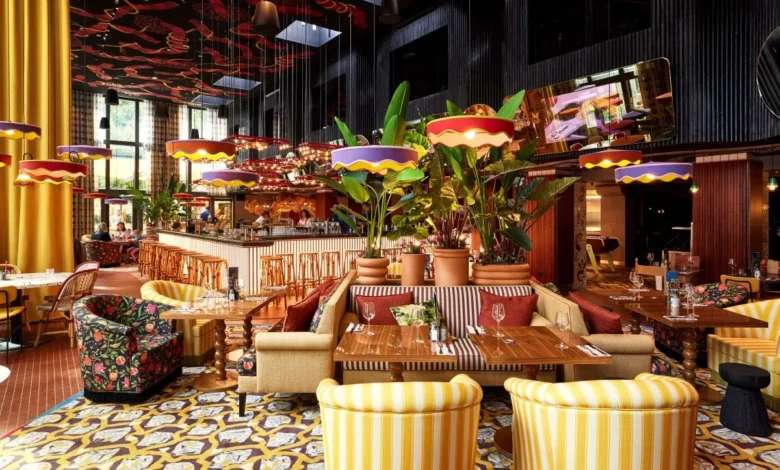
Ennismore, home to trendy lifestyle brands such as Mama Shelter, 21c Museum Hotels, and The Hoxton, was originally established as a joint venture designed to capture the rapidly growing lifestyle hospitality segment. However, Accor’s subsequent decision to absorb the remaining stakes outright drew immediate scrutiny from market analysts and major shareholders alike. Parvus contends that committing such a massive capital outlay to fully consolidate a lifestyle division amid broader macroeconomic uncertainties represents an unfocused corporate strategy that fails to deliver optimal value to everyday shareholders.
Rather than deploying capital toward core asset optimization, debt reduction, or share buybacks that could immediately bolster investor confidence, the Ennismore transaction has instead crystallized long-standing concerns regarding executive overreach and a lack of clear strategic direction. For Parvus, the buyout was not a masterstroke of brand expansion, but rather the proverbial straw that broke the camel’s back, compounding years of suppressed equity value and unfulfilled financial targets.
A Decade of Underperformance Relative to Global Peers
To substantiate its call for a comprehensive leadership overhaul, Parvus Asset Management laid out a stark, long-term performance comparison in its published letter to the market. The investment firm highlighted a widening valuation and return gap between Accor and its primary American and British hospitality counterparts over a thirteen-year horizon.

According to data cited by Parvus, Accor shares generated a total return of approximately 99% between December 2013 and November 2026. While a positive return in absolute terms, it pales dramatically when measured against the performance of global competitors over the exact same period. During those thirteen years, InterContinental Hotels Group (IHG) delivered a staggering return of 593%. Meanwhile, U.S. hospitality heavyweights Hilton Worldwide and Marriott International posted astronomical gains of 863% and 950%, respectively.
This massive divergence in shareholder value creation has fueled intense frustration within Accor’s institutional investor base. Industry analysts point out that while companies like Marriott and Hilton successfully leveraged a low-risk, asset-light franchising and management fee model that generated predictable, high-margin cash flows, Accor’s strategic trajectory has historically been more complex, capital-intensive, and geographically fragmented. Parvus argues that this sustained performance gap is not merely a byproduct of macroeconomic headwinds or regional market discrepancies, but rather the direct consequence of an unfocused strategy, inconsistent capital allocation, and inadequate governance oversight from the board of directors under Bazin’s watch.
The Evolution of Sébastien Bazin’s Tenure at Accor
Sébastien Bazin assumed the helm of Accor in August 2013, initially taking over as chairman and CEO with a mandate to modernize the French hospitality icon and navigate the rapidly shifting landscape of global tourism. Over more than a decade in power, Bazin has steered the company through monumental transformations, most notably the landmark €4.4 billion acquisition of FRHI Hotels & Resorts—the parent company of Fairmont, Raffles, and Swissôtel—in 2016, which significantly elevated Accor’s presence in the luxury and upper-upscale segments.
Furthermore, Bazin spearheaded a major corporate restructuring initiative in 2019, splitting the company into two operational units: hotel services (AccorInvest, which held real estate assets) and hotel management and franchising (AccorHotel). This reorganization was intended to streamline operations, unlock hidden property value, and transition the group toward a more flexible, asset-light business model. Over the years, Accor also aggressively expanded its footprint into digital services, loyalty ecosystems, and lifestyle hospitality through strategic partnerships and joint ventures, culminating in the creation of Ennismore.
However, despite these sweeping structural changes and aggressive portfolio diversification efforts, the market response has remained lukewarm. Critics have frequently argued that Accor’s sprawling brand architecture—encompassing everything from economy brands like Ibis and Novotel to ultra-luxury flagships like Raffles—has created operational complexity that is difficult for investors to parse and value accurately. Furthermore, the severe disruption inflicted by the COVID-19 pandemic disproportionately impacted European hospitality markets compared to domestic U.S. travel demand, delaying Accor’s financial recovery and amplifying pressure on management.
Corporate Governance and Shareholder Activism in European Hospitality
The move by Parvus Asset Management reflects a broader, accelerating trend of aggressive shareholder activism targeting major European corporations. Historically, European corporate governance models placed greater emphasis on stakeholder capitalism, often granting incumbent management teams and long-standing boards significant insulation from activist pressure compared to the more shareholder-centric corporate ecosystem of the United States.
In recent years, however, institutional investors and specialized hedge funds have become increasingly emboldened to challenge entrenched leadership teams when equity returns fail to meet market expectations. By wielding significant ownership blocks—such as Parvus’s 14.1% stake—activist investors can effectively command the attention of public markets, mobilize minority shareholders, and force structural changes that traditional boards might otherwise resist.

Accor’s corporate governance structure has occasionally drawn scrutiny from market observers who question whether independent oversight has been sufficiently robust to challenge executive decisions. The concentration of both the chairman and CEO roles in the hands of Sébastien Bazin has long been a focal point for governance purists who advocate for a separation of the two positions to ensure proper checks and balances. Parvus’s campaign directly targets this dual leadership structure, framing the removal of Bazin not merely as a reaction to recent transactions like the Ennismore buyout, but as a systemic necessity to restore market credibility and enforce rigorous capital
discipline.
Silence from Accor Amid Rising Market Speculation
Following the public release of Parvus Asset Management’s letter on Thursday, Accor’s corporate communications and investor relations teams have maintained a notable silence. As of late Thursday afternoon, the company had not issued an official press release or formal comment addressing the activist investor’s demands, choosing instead to let market speculation swirl while internal board discussions presumably take place.
The lack of an immediate rebuttal or defensive strategy has heightened anticipation across the European financial sector. Market participants are closely monitoring how Accor’s board of directors—comprising independent members as well as representatives from major strategic investors—will respond to a challenge from the company’s single largest shareholder. Under French corporate law, shareholders holding the requisite percentage of capital have the legal mechanism to file resolutions for consideration at annual general meetings, compelling the board to include the proposal regarding Bazin’s future on the official agenda.
Potential Market Reactions and Industry Implications
The prospect of Sébastien Bazin’s departure carries profound implications not only for Accor, but for the broader European hotel industry. Should Parvus succeed in rallying sufficient support from institutional and retail shareholders ahead of the annual meeting, it could trigger a sweeping leadership transition that alters the strategic roadmap of one of the world’s largest hospitality groups.
Industry analysts suggest that a new executive leadership team could implement a drastically different strategic vision—one that might involve trimming non-core assets, slowing down lifestyle expansion ventures, accelerating share buybacks, or pursuing a more aggressive asset-light pivot modeled after the successful strategies of American hotel giants. Conversely, a failure by Parvus to unseat Bazin could entrench current management, though it would likely leave lingering tensions that continue to weigh on the company’s valuation multiple and investor relations.
As the countdown to the annual general meeting begins, the standoff between Parvus Asset Management and Accor’s executive leadership serves as a defining test of corporate governance, accountability, and shareholder power in the contemporary global tourism economy. The coming weeks will reveal whether institutional consensus can coalesce around a demand for radical change at the top of a storied European hotel empire, or if management can successfully defend its long-term strategic vision against mounting market pressure.