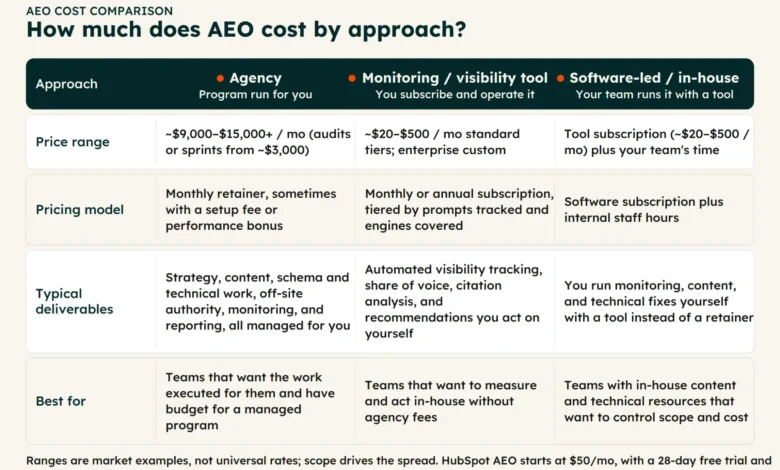
The rapid emergence of Generative AI as a primary interface for information retrieval has fundamentally altered the landscape of digital marketing. As consumers increasingly turn to platforms like ChatGPT, Perplexity, and Google’s AI Overviews to answer complex queries, businesses are shifting their focus from traditional Search Engine Optimization (SEO) to Answer Engine Optimization (AEO). This transition has created a new, fragmented market for services and tools designed to secure brand visibility within AI-generated responses. For decision-makers, the financial commitment for AEO ranges from approximately $30 a month for entry-level monitoring software to upwards of $15,000 a month for comprehensive, full-service agency programs.
Understanding these costs requires an analysis of the scope of work involved. AEO is not a singular task but a multi-faceted discipline that includes technical auditing, content restructuring for LLM consumption, schema markup implementation, and the cultivation of off-site digital authority. Consequently, the disparity in pricing is largely driven by whether a company opts for a self-serve software subscription, a hybrid internal-external model, or a fully outsourced agency engagement.
The Evolution of Search and the Birth of AEO
The shift toward AEO began in earnest during the 2024-2025 period, as major search engines and AI labs integrated Large Language Models (LLMs) into the user experience. Unlike traditional search, which presents a list of links, AI answer engines synthesize information from multiple sources to provide a direct response. This change created an "omni-channel" visibility problem: brands no longer just compete for the top blue link; they compete for the "citation" within the AI’s summary.
Data from late 2025 indicated that while AI referral traffic had tripled compared to the start of the year, it remained a small fraction of overall web traffic—typically under 2%. Despite this low current volume, industry analysts suggest that the trajectory of LLM integration is steep, prompting companies to prioritize "AI-readiness" to future-proof their digital presence.

Pricing Tiers: A Breakdown of the Market
To navigate the current pricing landscape, organizations typically categorize their needs into three distinct tiers.
-
The Software-Led Tier ($30–$500 per month)
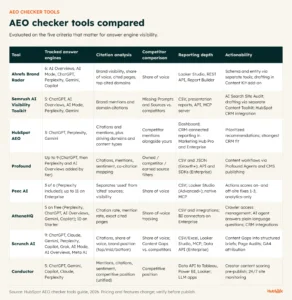
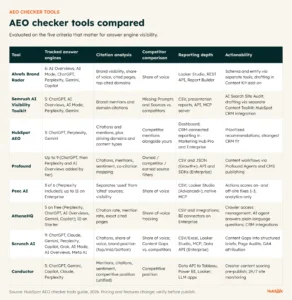
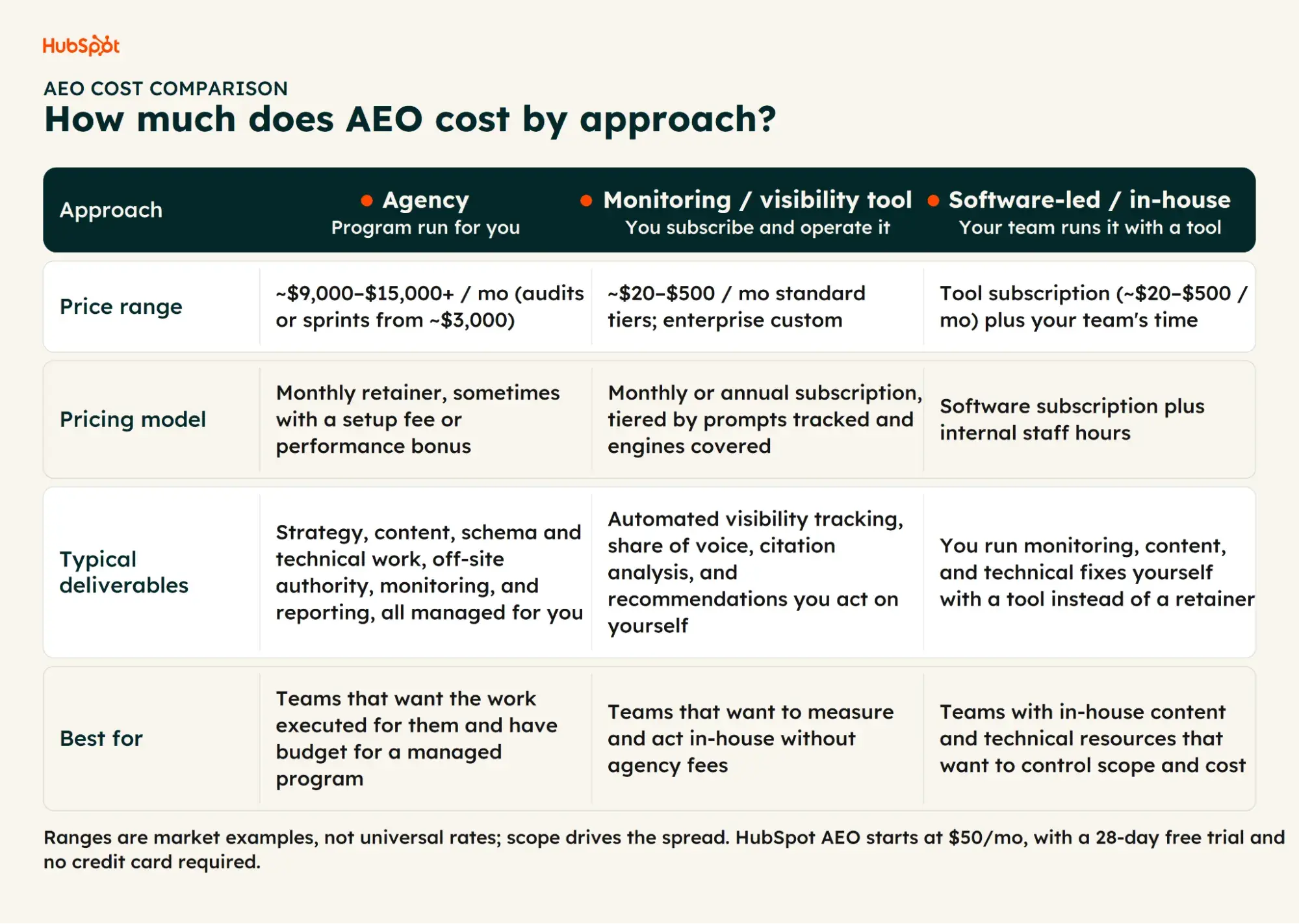
This approach is favored by organizations with robust internal marketing, SEO, and content teams. Companies pay a monthly subscription fee for an AEO tool, such as HubSpot AEO, which typically costs around $50 per month. These platforms provide automated tracking of brand mentions across major AI engines, share-of-voice reporting against competitors, and automated citation analysis. The cost is metered by the number of prompts tracked and the variety of engines covered. Enterprise-level subscriptions for these tools can climb to $500 or more as they incorporate deeper historical data and advanced competitor benchmarking. -
The Hybrid/Consultative Model ($3,000–$8,000 per month)
This mid-tier strategy involves hiring consultants or boutique agencies to perform periodic audits, technical implementations, or specialized content production. This model is often structured as a recurring monthly retainer. It is ideal for mid-market companies that have the staff to execute daily tasks but lack the specialized expertise required to navigate the complexities of AI indexing and entity optimization. -
The Managed Agency Tier ($9,000–$15,000+ per month)
At the high end of the market, agencies like RevenueZen provide end-to-end management. These packages cover the entire spectrum of AEO: strategy, content production, schema/technical work, and off-site authority building. This tier is essentially a "done-for-you" solution, allowing enterprise organizations to outsource their AI search presence entirely. The cost is high because it accounts for the human capital required to perform high-level content strategy and technical engineering on a continuous basis.
Chronology of a Pilot Engagement
For organizations hesitant to commit to high-cost retainers, a 60-to-90-day pilot program has become the industry standard for testing efficacy.

- Weeks 1–2 (Baseline): The organization sets up monitoring tools to establish a baseline of brand mentions, citation frequency, and current share of voice across ChatGPT, Gemini, and Perplexity.
- Weeks 3–8 (Optimization): Based on the tool’s recommendations, the team implements high-impact technical changes, such as refining schema markup and updating existing content to better align with the "conversational" nature of AI queries.
- Weeks 9–12 (Review): The team compares the post-optimization data against the initial baseline. The success of the pilot is measured by the trend in visibility rather than a single data snapshot, as LLM responses are non-deterministic and can vary based on session context.
Strategic Implications and Risk Factors
A recurring concern for marketing leaders is the "overlap" between SEO and AEO. Industry experts emphasize that AEO should not be viewed as a replacement for SEO. In fact, the two are deeply codependent. Most AI models rely on the same indexed web content that powers traditional search engines. Therefore, if a brand cuts its SEO budget to fund AEO, it may inadvertently destroy the very foundation—high-quality, authoritative content—that allows the AI to cite the brand in the first place.
Furthermore, buyers must be wary of "AEO-washing." As the industry matures, some vendors may attempt to repackage standard SEO services as AEO to justify higher price points. Red flags include agencies that promise "guaranteed top positions" in AI answers, as AI models are notoriously difficult to predict. A transparent provider should offer clear deliverables, such as the number of prompts monitored, specific content production quotas, or clearly defined technical SEO milestones.
Economic Analysis: Cost-Benefit Considerations
The decision to invest in AEO is fundamentally a bet on the future of consumer behavior. While current referral traffic from AI may be low, the cost of being "absent" from AI-generated answers is high. If a brand is missing from the top three citations in a category-defining AI response, it effectively becomes invisible to a segment of the audience that relies on AI as their primary research tool.
From a budgeting perspective, AEO is increasingly being integrated into existing search and content budgets. By folding AEO into the broader search strategy, companies can avoid the perception of AEO as a "side experiment" and instead treat it as a core component of their digital footprint.
Expert Perspectives and Best Practices
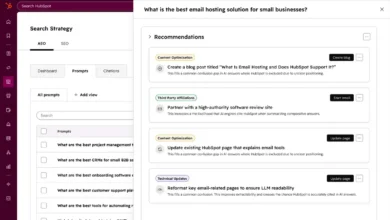
Industry leaders, including those at HubSpot, have argued that the most effective way to start is through a data-first approach. By utilizing free trials or low-cost monitoring tools, teams can gather sufficient data to build a business case for further investment. The goal of the initial investment should be to identify "citation gaps"—instances where competitors are being cited for questions that the brand is better positioned to answer.
When negotiating with agencies, stakeholders should demand a detailed Statement of Work (SOW). A professional SOW should explicitly list the number of engines to be monitored, the frequency of reporting, and the specific scope of content production. Vague promises of "full optimization" are rarely sufficient in a landscape that requires precise, data-backed execution.
Conclusion: Preparing for the Future
The cost of AEO is as diverse as the strategies employed to achieve it. For many, the journey begins with a $50 monthly subscription and a pilot program designed to validate the return on investment. For others, the complexity of AI-driven market capture necessitates a high-end agency partner. Regardless of the budget tier, the fundamental requirement for success remains the same: the creation of high-value, accurate, and structurally optimized content that serves both the human user and the machine that interprets the information for them. As LLM integration continues to advance, the brands that invest in AEO today will likely be the ones that secure the "top-of-mind" position in the conversational search era of tomorrow. By understanding the cost drivers—scope, management, and technical depth—companies can effectively allocate their resources to ensure their brand remains visible in an increasingly automated world.
Related posts: