Lea Michele Pays Emotional Tribute to Late Spring Awakening Composer Duncan Sheik Following His Tragic Death at 56

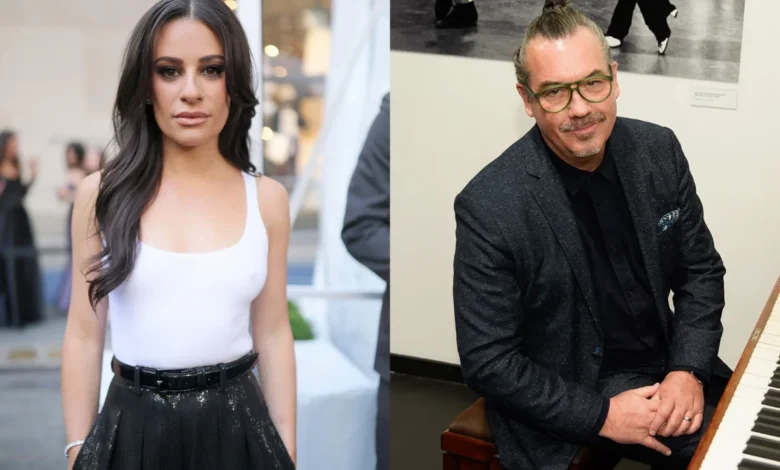
The entertainment and music communities are mourning the loss of acclaimed singer-songwriter and composer Duncan Sheik, who passed away on Thursday at the age of 56 due to organ failure. Sheik, best known for his chart-topping 1996 alternative rock hit "Barely Breathing" and his revolutionary work in musical theater—most notably the landmark Broadway production Spring Awakening—left an indelible mark on contemporary culture. Among the many figures deeply affected by his passing is actress and singer Lea Michele, who launched her career starring in the original Broadway production of Spring Awakening under Sheik’s musical direction. Michele took to social media to share a poignant and heartbreaking tribute, reflecting on a decades-long creative relationship that began when she was just a teenager.
The passing of Sheik has prompted an outpouring of grief from collaborators, fans, and colleagues across the globe. As details surrounding his final days emerge, the broader entertainment industry continues to reflect on a singular talent whose work bridged the gap between mainstream pop-rock and the theatrical stage, altering the landscape of modern musical theater forever.
A Lifelong Bond: Lea Michele Remembers Duncan Sheik
Lea Michele utilized her Instagram platform to honor the late composer, posting a heartfelt retrospective of their time together. Her tribute highlighted the immense personal and professional impact Sheik had on her life from the very beginning of her trajectory in the performing arts.
"I met Duncan when I was 14 years old," the Glee star wrote, captioning a vintage photograph of the two of them together. "I listened to a demo on tape of him singing songs from Spring Awakening outside of my middle school before my first audition."
The evocative memory underscores the youthful vulnerability of Michele’s entry into the industry, a period defined heavily by Sheik’s distinct compositional voice. She added, "I’m at a loss for words. This one hurts and does not seem real. Thank you for everything you gave us. And for the time we had together. Sending all my love and prayers now to Nora, Ines, and Duncan’s family."
Complementing her written statement, Michele shared archival video footage on her Instagram story featuring herself singing the haunting track "Mama Who Bore Me" from Spring Awakening, accompanied by Sheik playing the guitar in an intimate rehearsal space. The footage serves as a stark, nostalgic reminder of the raw, youthful energy that defined the original 2006 off-Broadway and subsequent 2007 Broadway runs of the musical, catapulting both Sheik and its young cast into the cultural zeitgeist.
Chronology of a Health Battle and Sudden Passing
The news of Duncan Sheik’s death followed a rapid and alarming decline in his health. Earlier in the week, representatives and family members confirmed that the Grammy-winning and Tony-winning artist had been hospitalized. He was initially reported to be in "critical but stable" condition while receiving intensive medical care following an unspecified acute health issue.
Despite the medical staff’s efforts, Sheik’s condition deteriorated further. His mother, Suzanne Sheik, officially confirmed his passing to The New York Times on Thursday, stating that the direct cause of death was organ failure.
On Friday, an official statement was published across Sheik’s verified social media channels, addressing his global fanbase: "It is with profound sadness that we confirm the passing of Duncan Sheik. The world has lost a singular talent, and deeply influential voice in music and theater."
The statement continued with a personal reflection on his character: "Duncan was a father, husband, son, brother, and friend. He will be remembered for his sensitivity, wit, intelligence, and depth of spirit he brought to those who knew and loved him."
The Legacy of Spring Awakening and Musical Innovation
Duncan Sheik’s career was defined by a rare versatility that allowed him to achieve critical and commercial success in both the pop music sphere and the rigorous world of musical theater. Born in Trenton, New Jersey, in 1969, Sheik first captured the public consciousness as a singer-songwriter with his self-titled 1996 debut album. The record yielded the ubiquitous acoustic-rock anthem "Barely Breathing," which spent an astonishing 55 weeks on the Billboard Hot 100 chart, earned him a Grammy nomination for Best Male Pop Vocal Performance, and established him as a premier voice in late-90s adult alternative music.
However, Sheik’s artistic ambitions extended far beyond traditional pop stardom. In the late 1990s, he began collaborating with lyricist and playwright Steven Sater on a musical adaptation of Frank Wedekind’s controversial 1891 expressionist play, Spring Awakening, which explores the turbulent awakening of adolescent sexuality in 19th-century Germany.
The resulting musical was nothing short of revolutionary. Eschewing the traditional brassy, orchestral Broadway soundscape in favor of driving acoustic guitars, alternative rock melodies, and angsty lyrical introspection, Spring Awakening resonated deeply with modern audiences. After premiering off-Broadway at the Atlantic Theater Company, the production transferred to Broadway’s Eugene O’Neill Theatre in December 2006, where it became an instant critical darling and commercial smash.
The 2007 Tony Awards served as a coronation for Sheik’s theatrical vision. The production earned eight Tony Awards out of eleven nominations. Sheik personally took home two prestigious accolades: Best Original Score (shared with Steven Sater) and Best Orchestrations. The show also served as a vital launchpad for the careers of its young ensemble cast, which featured not only Lea Michele, but also Jonathan Groff and John Gallagher Jr., both of whom also received Tony nominations for their breakout performances.
Broader Impact and Industry Reactions
The theater and music industries have experienced a profound sense of loss following the announcement of Sheik’s death. Peers, former cast members, and prominent figures from Broadway and the pop music industry have flooded social media and entertainment publications with remembrances, praising his quiet genius, profound intellectual curiosity, and gentle demeanor.
Cultural critics have noted that Sheik’s primary contribution to American musical theater was his ability to democratize the emotional vocabulary of the Broadway stage. By injecting contemporary indie-rock sensibilities into theatrical storytelling, he paved the way for a new generation of composers—such as those behind musicals like Next to Normal and Dear Evan Hansen—who sought to dismantle the traditional boundaries between commercial radio pop and dramatic narrative composition.
Furthermore, Sheik continued to compose prolifically throughout his life, working on subsequent theatrical projects, film scores, and solo musical endeavors, ensuring that his creative footprint remained vast and varied long after the initial triumph of Spring Awakening.
As memorial tributes continue to pour in from collaborators like Lea Michele and legions of fans worldwide, Duncan Sheik’s enduring legacy remains cemented in the haunting guitar chords, deeply resonant lyrics, and timeless melodies that defined an era of modern performance art. His family has requested privacy during this difficult time, while public memorials and artistic tributes are expected to be announced by theatrical organizations in the coming days.