The landscape of search is undergoing a profound transformation as AI-driven interfaces rapidly shift from experimental technology to primary utility. Between the first quarter of 2025 and the first quarter of 2026, monthly unique visitors to major answer engines surged from 634 million to 904 million—a staggering 40% increase in just twelve months. As this user base expands, the digital marketing industry is pivoting from traditional Search Engine Optimization (SEO) to a more sophisticated discipline known as Answer Engine Optimization (AEO). While traditional search remains a pillar of digital visibility, the rise of Large Language Models (LLMs) and conversational search interfaces has necessitated a new framework for how brands ensure their expertise is recognized, parsed, and cited by AI.
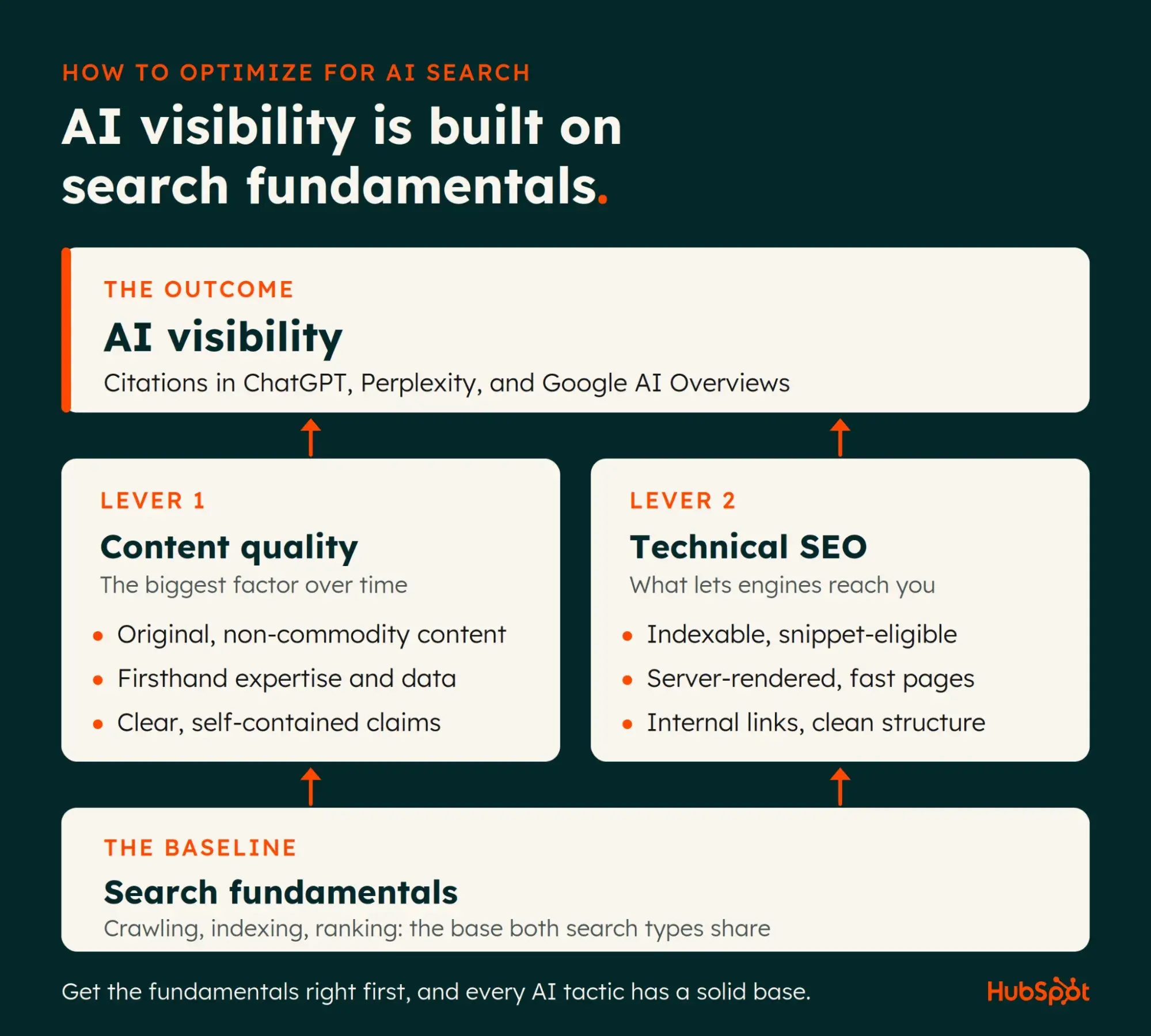
The core of this evolution lies in the understanding that AI search is not a replacement for, but an extension of, the existing web ecosystem. Answer engines—ranging from Google’s AI Overviews to platforms like Perplexity and ChatGPT—do not function in a vacuum. They rely on the same foundational infrastructure as traditional search. To provide accurate, trustworthy responses, these systems must crawl, index, and evaluate billions of pages. Consequently, the technical health of a website remains the gatekeeper for AI visibility. If a search crawler cannot effectively parse a site, the generative AI model cannot reliably extract information from it.
The Technical Foundation of AI Visibility
The integration of AI into search has not nullified the need for technical precision; it has amplified it. Modern answer engines, which often utilize a combination of real-time web retrieval and pre-trained data, require clear structural signals. According to recent research from SE Ranking, page speed is a critical differentiator for citation potential. Sites with a First Contentful Paint (FCP) of under 0.4 seconds average 6.7 citations in ChatGPT, compared to just 2.1 for sites with an FCP exceeding 1.13 seconds.
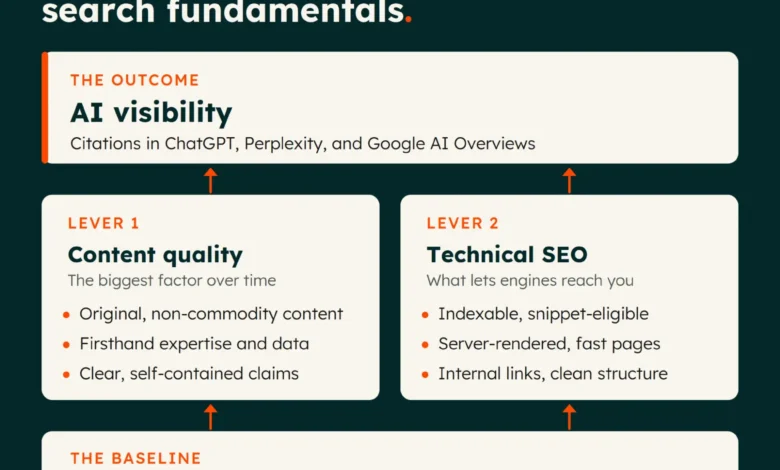
Beyond speed, the architectural integrity of a website is paramount. Many modern websites rely heavily on JavaScript for rendering, but developers must be cautious. While major crawlers like Googlebot have improved their ability to render JavaScript, many AI-specific crawlers lack robust execution capabilities, often seeing only a blank page if the content is not server-rendered. For businesses aiming for maximum visibility, the implementation of server-side HTML rendering remains the gold standard to ensure primary content is accessible to all algorithmic agents.
Furthermore, structured data serves as the "map" for these engines. By using schema markup, developers provide a machine-readable format that explains the context of the content, the nature of the entity, and the relationship between various data points. This reduces the "guesswork" for the AI, allowing it to synthesize information with higher confidence and accuracy.
Content as the Currency of Credibility
While technical SEO ensures discoverability, "people-first" content determines citation frequency. AI models are increasingly sophisticated in their ability to distinguish between commodity content—which rehashes general knowledge available in their training data—and non-commodity content, which features original data, firsthand experience, and subject-matter expertise.
Data analysis reveals a strong correlation between high-value content and citation rates. A comprehensive study of over 216,000 pages found that content featuring original data points and expert quotes significantly outperformed generic alternatives. Pages incorporating 19 or more unique data points achieved an average of 5.4 citations, while data-light pages struggled to reach 2.8. This suggests that LLMs are incentivized to cite sources that offer value beyond what the model can internally generate.
To leverage this, content creators are adopting "answer-first" formatting. By placing the primary answer to a query within the first 40 to 60 words of a page, authors provide a concise, high-signal response that is easily extracted by an LLM. Complementing this with question-led subheadings ensures that the page aligns with the user’s intent, creating a structured, predictable format that AI systems find easier to index.
Comparative Dynamics: Perplexity vs. ChatGPT
A critical finding in the 2026 search landscape is the divergence in behavior between various answer engines. Perplexity, which functions as a heavy-citation engine, often draws from a wider pool of sources, averaging roughly 10.8 citations per query. It shows a distinct preference for discussion-based platforms, with LinkedIn, G2, and Reddit accounting for over 17% of its total citations.

Conversely, ChatGPT remains more selective, prioritizing long-form, high-authority articles and maintaining a more conservative average of 3.3 citations per query. The implication for brands is significant: a strategy that works for one engine may yield negligible results for another. Data from Fan Out indicates that fewer than 8% of cited URLs appear across multiple AI engines, suggesting that SEO professionals must treat each AI platform as a distinct channel with unique content preferences and ranking behaviors.
The Role of Multimedia and Local Data
The "search results page" of 2026 is a multimodal experience. Generative AI responses now frequently integrate images, video, and localized business information. Video content, in particular, has emerged as a high-value asset; YouTube ranked as the second most-cited platform in recent industry reports.
However, the efficacy of this content depends on how it is packaged. Because AI systems cannot "watch" a video, they rely on transcripts, descriptive metadata, and timestamps to determine relevance. Providing a transcript that highlights key moments allows the AI to surface specific, answer-relevant clips rather than relying on a generic video thumbnail. For local businesses, the integration of Google Business Profiles and Merchant Center feeds is no longer optional. These platforms provide the structured, real-time data necessary for AI to answer transactional queries about hours, availability, and product pricing.
Implications for Future Strategy
The transition to an AI-first search environment represents a shift from "keyword matching" to "entity resolution." Brands that succeed in this new era will be those that view their website as a structured knowledge base rather than a collection of disparate articles.
A repeatable, six-step workflow has emerged as the industry standard for maintaining AI visibility:
- Entity Mapping: Define the brand’s core topics and how they relate to the target audience’s most pressing questions.
- Answer-First Drafting: Lead with the core insight before providing supporting evidence.
- Structured Data Implementation: Ensure all schema is accurate and reflects the visible page content.
- Technical Quality Assurance: Verify that pages are crawlable and render primary content without heavy reliance on client-side scripts.
- Baseline Measurement: Document current citation counts to establish a performance benchmark.
- Refresh Cadence: Implement a systematic review process to update stats and claims, ensuring content remains relevant as the industry evolves.
Myths and Misconceptions
In the race to optimize, several myths have gained traction. Most notably, the idea that adding an "llms.txt" file to a website improves AI visibility has been largely debunked. Large-scale studies have shown no positive correlation between the presence of this file and citation rates. Furthermore, the persistent belief that AI search requires a completely new, proprietary set of technical requirements is inaccurate; standard SEO best practices remain the primary driver of success.
Conclusion
The rise of AI search marks the maturation of the digital ecosystem. While the tools for discovery have become more advanced, the fundamental requirements for visibility—credibility, speed, structure, and value—have remained constant. By aligning technical foundations with high-quality, original content, organizations can ensure that they remain the primary source of truth in an era where AI facilitates the world’s information flow. The goal for marketers today is not just to rank for a keyword, but to become an entity that AI models identify as an essential, authoritative source.
Related posts: