The Ultimate Guide to Hosting a Stress-Free Friendsgiving Getaway in East Coast Airbnbs This Holiday Season

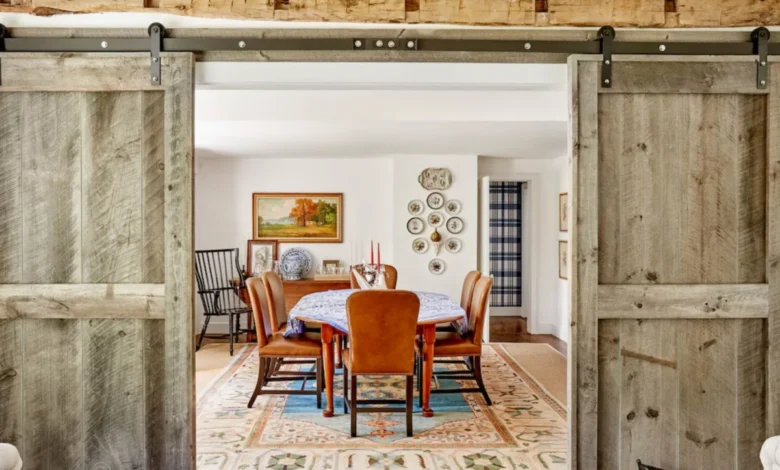
The evolution of Thanksgiving in the United States has undergone significant cultural shifts since its early modern iterations, most notably marked by the rise of "Friendsgiving." This contemporary portmanteau reflects broader sociological changes in American households, characterized by delayed marriages, geographically dispersed families, and the increasing importance of chosen social networks. As millions of Americans prepare to observe the annual holiday, the traditional model of hosting a large family gathering in a domestic residence is facing practical limitations, particularly among urban populations residing in metropolitan centers like New York City, Boston, and Philadelphia.
In response to these spatial constraints and shifting social dynamics, a growing segment of holiday travelers is turning to short-term rental platforms such as Airbnb to secure properties tailored for group dining and extended stays. This trend has transformed the holiday hosting market, creating high demand for rural and semi-rural properties equipped with culinary amenities capable of supporting a traditional Thanksgiving meal.
The Rise of Friendsgiving and the Evolution of Holiday Travel
The term Friendsgiving entered the American cultural lexicon in the mid-2000s, initially appearing on social media platforms before gaining widespread adoption. According to consumer behavior data from platforms like Eventbrite and Pinterest, the observance typically occurs in the weeks leading up to or immediately following the official November holiday. Unlike traditional Thanksgiving, which often adheres to rigid family obligations, Friendsgiving emphasizes inclusivity, peer bonding, and shared culinary contributions.
However, hosting a multi-course dinner for six to twelve people presents logistical hurdles for urban dwellers. High-density housing markets on the East Coast are defined by compact apartments featuring galley kitchens, limited seating, and undersized ovens. These architectural limitations have driven a commercial pivot toward rural and suburban rentals. Properties featuring sprawling homesteads, commercial-grade kitchens, and expansive dining rooms have emerged as primary assets in the autumn rental market.
Real estate analysts note that the week of Thanksgiving represents one of the highest-demand periods for regional travel on the East Coast. Rather than booking long-distance flights, many groups opt for driving-distance destinations within New Hampshire, Vermont, New York’s Hudson Valley, the Berkshires in Massachusetts, and the rolling countryside of Pennsylvania.
Chronology and Planning Timeline for Holiday Rentals
Securing the ideal property for a group holiday requires advanced coordination, given the compressed timeline of the autumn travel season. Industry experts recommend a structured planning schedule to navigate availability, logistics, and guest coordination.
Late Summer (August – September): The Search Phase
The window for securing premium holiday rentals on platforms like Airbnb typically opens six to nine months in advance, but the critical booking period for Thanksgiving occurs during late summer. Properties designated with "Superhost" status—a metric based on consistent ratings, cancellation rates, and hospitality performance—are reserved quickly during this timeframe. Hosts often update their calendars in August to reflect holiday pricing and minimum-night stay requirements, which frequently range from three to four nights over the Thanksgiving weekend.
Early Autumn (October): Menu Planning and Logistics
Once a location is secured—ranging from lakeside log cabins in New Hampshire to restored historic farmhouses in the Hudson Valley—hosts and group organizers must coordinate logistics. Unlike hotels, vacation rentals require guests to self-manage provisions. Organizers typically assign culinary responsibilities, coordinate grocery delivery services available in rural zip codes, and verify kitchen specifications. Key technical checks include confirming oven cavity dimensions to ensure a 15-to-20-pound turkey will fit, verifying the availability of roasting pans, and checking seating capacity at the dining table.
November: Execution and Arrival
Guests typically arrive on the Wednesday before Thanksgiving, allowing a full day for food preparation, kitchen familiarization, and localized exploration. Modern holiday rentals often feature auxiliary amenities designed to enhance the group dynamic beyond the dining room. Properties selected for these gatherings frequently include game rooms, outdoor fire pits, hot tubs, and saunas, providing post-meal relaxation spaces that distinguish a destination rental from a standard home environment.
Economic and Demographic Impact on Regional Tourism
The concentration of holiday travel in rural and semi-rural East Coast corridors provides a vital economic stimulus for communities outside major metropolitan areas. While summer remains the traditional peak season for tourism in New England and upstate New York, the shoulder season surrounding Thanksgiving has seen a measurable uptick in revenue for local economies.
Local vendors, including independent farm stands, butchers, vineyards, and artisanal bakeries, report increased patronage from urban travelers seeking locally sourced ingredients for their holiday meals. Farmers markets in regions like the Hudson Valley and the Berkshires frequently offer specialized holiday pre-orders, bridging the gap between visiting groups and regional agricultural producers.
Furthermore, short-term rental hosts have adapted their property management strategies to capture this demographic. Many hosts now offer customized local guides, curated kitchen inventory lists, and partnerships with private chefs or catering services willing to travel to rural properties. This hospitality shift addresses a consumer desire for frictionless holiday execution, combining the communal atmosphere of a home-cooked meal with the service standards of the hospitality industry.
Evaluating Properties: Standards and Amenities for Group Travel
Selecting a property capable of hosting a successful group holiday involves rigorous evaluation of structural and functional amenities. Industry guidelines for group-friendly rentals emphasize specific criteria to mitigate common hosting friction points:
- Kitchen Infrastructure: Properties must feature full-sized, modern appliances, including multi-burner ranges, reliable ovens, ample counter space for food preparation, and dishwashers capable of managing heavy post-meal cleanup.
- Dining Capacity: A dedicated dining space with seating matching the maximum occupancy of the listing is essential. Improvised seating arrangements across multiple rooms are generally avoided by groups seeking a traditional communal dinner experience.
- Bathroom-to-Guest Ratios: High occupancy rates necessitate balanced plumbing infrastructure to prevent bottlenecks during morning and evening routines.
- Entertainment and Common Areas: Living spaces must be large enough to accommodate the entire group simultaneously, complemented by auxiliary recreational amenities such as game rooms, media centers, or outdoor fire pits to distribute activity zones during extended stays.
Listings that successfully meet these thresholds are frequently distinguished by verified guest reviews, professional interior design that balances rustic aesthetic appeal with modern comfort, and responsive property management teams capable of addressing maintenance issues promptly during holiday closures.
Broader Implications for the Hospitality Sector
The convergence of Friendsgiving traditions and the short-term rental market highlights a broader evolution in how consumers define holiday celebrations. As younger generations prioritize shared experiences and spatial flexibility over traditional domestic obligations, platforms like Airbnb have filled a crucial infrastructure gap.
This trend also reflects changes in remote work flexibility. With many employers offering hybrid schedules or remote work options during Thanksgiving week, groups frequently extend their stays beyond the traditional four-day weekend, converting a holiday trip into a week-long remote work and leisure retreat. This extended occupancy model benefits regional hosts while altering traditional travel patterns, shifting economic activity away from urban centers and toward scenic, nature-adjacent destinations across the Eastern Seaboard.
As the market matures, the demand for well-equipped, spacious country properties during late November is expected to remain robust. Both hosts and regional tourism boards are increasingly recognizing the value of catering to this demographic, ensuring that the modern adaptation of a centuries-old tradition continues to find a welcoming home in the scenic landscapes of the American East.