The Evolution of Enterprise Rank Tracking Software in the Age of AI and Search Generativity

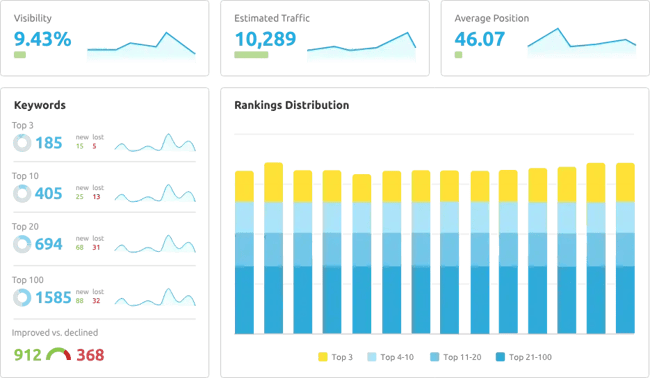
The global landscape of Search Engine Optimization (SEO) has undergone a fundamental transformation, shifting from a niche technical discipline to a cornerstone of enterprise business intelligence. As digital ecosystems grow increasingly complex, the tools used to monitor them have evolved from simple keyword trackers into sophisticated data platforms capable of processing millions of data points across diverse geographies, devices, and search modalities. Today, enterprise-grade rank-tracking software is defined not merely by its ability to report a numerical position on a search results page, but by its capacity to integrate search visibility data into the broader corporate data stack, including Customer Relationship Management (CRM) systems and Business Intelligence (BI) workflows.
The Shift Toward Enterprise-Scale Visibility
For global organizations, the traditional approach of monitoring a few hundred keywords on a daily basis has become obsolete. Modern enterprise SEO demands the tracking of millions of permutations, accounting for hyper-local search results, mobile-versus-desktop discrepancies, and the proliferation of Search Engine Result Page (SERP) features. These features—ranging from local packs and featured snippets to the newly introduced AI Overviews (formerly Search Generative Experience)—have fundamentally altered how users interact with information.
Industry data suggests that organic "blue link" results are being pushed further down the page. Recent studies indicate that in certain commercial sectors, the top organic result may appear as far as 1,000 pixels below the fold due to the presence of sponsored content, map clusters, and AI-generated summaries. Consequently, enterprise software must now provide "pixel position" tracking to offer a realistic view of brand visibility.

A Chronology of Search Monitoring Evolution
To understand the current state of enterprise rank tracking, it is necessary to examine the chronological progression of the industry:
- 2000–2010: The Era of Basic Tracking. SEO tools were largely focused on scraping raw keyword data. Rankings were static, and personalization was minimal.
- 2011–2015: The Rise of Localization and Mobile. With the advent of Google’s "Venice" update and the "Mobilegeddon" shift, trackers began to offer city-level granularity and device-specific reporting.
- 2016–2022: Feature Proliferation and Integration. SERP features like "People Also Ask" and Video Carousels became dominant. Tools began to integrate with APIs, allowing SEO data to flow into platforms like Tableau or Looker.
- 2023–Present: The Generative AI Revolution. The introduction of Large Language Models (LLMs) into search, such as Google’s Gemini and Microsoft’s Bing Chat, created a need for Answer Engine Optimization (AEO) tracking.
Technical Requirements for Global Deployment
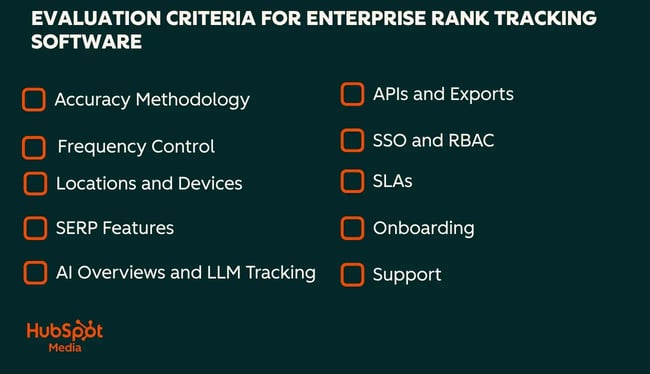
When evaluating software for a multinational corporation, technical architecture takes precedence over user interface. Procurement departments and Chief Technology Officers (CTOs) now prioritize several key pillars of functionality:
Accuracy and Proxy Methodology
Enterprise tools must navigate the complexities of search engine anti-scraping measures while maintaining data integrity. High-tier providers utilize a combination of residential and datacenter proxies to ensure that the data captured reflects what a real user sees in a specific zip code or coordinate. This methodology is critical for retail and service-based enterprises where search results vary significantly between city blocks.
Governance and Security
In a newsroom or corporate environment, security is a non-negotiable prerequisite. Enterprise-grade platforms must support Single Sign-On (SSO) and Role-Based Access Control (RBAC). These features ensure that while a regional manager in EMEA can access localized data, they cannot inadvertently alter the global tracking configurations managed by the central SEO team. Furthermore, Service Level Agreements (SLAs) must guarantee uptime and data freshness, as downtime in reporting can lead to missed opportunities during high-stakes events like product launches or Black Friday.
API Scalability
Data silos are the enemy of enterprise efficiency. Modern platforms are expected to offer robust APIs that can push ranking data into a centralized data warehouse (such as Snowflake or BigQuery). This allows organizations to correlate keyword movements with actual revenue, effectively proving the Return on Investment (ROI) of organic search efforts.
The Emergence of Answer Engine Optimization (AEO)
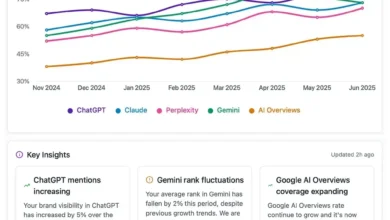
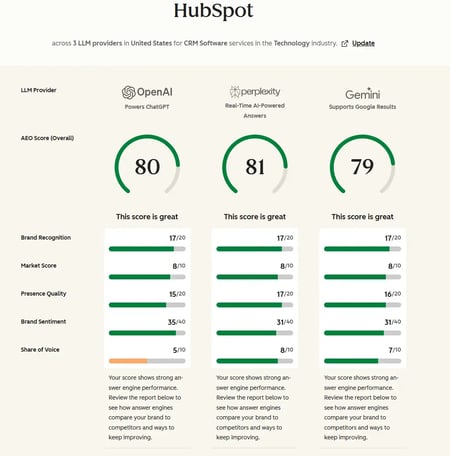
The most significant disruption in recent years is the transition from search engines to "answer engines." Platforms like ChatGPT, Perplexity, and Gemini are increasingly capturing top-of-funnel informational queries. This shift has necessitated the development of AEO tracking.
Unlike traditional rank tracking, AEO monitoring focuses on "brand mentions" and "sentiment patterns" within AI-generated responses. Enterprise teams are now tasked with auditing how an LLM describes their products. For instance, if a user asks an AI for the "best enterprise CRM," a brand must track whether they are mentioned, what citations are used, and whether the tone of the response aligns with their brand voice.
Analysis of Leading Market Solutions
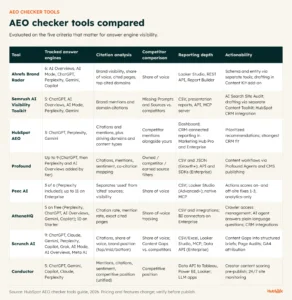
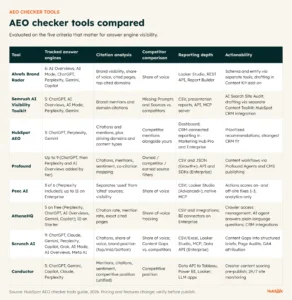
Several platforms have emerged as leaders in this specialized field, each catering to different organizational needs:
HubSpot Marketing and Content Hubs
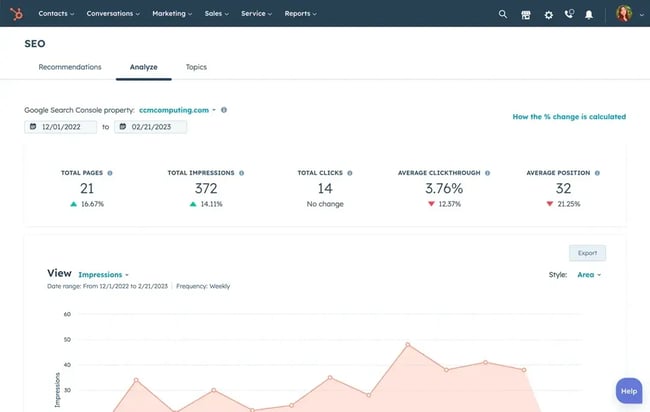
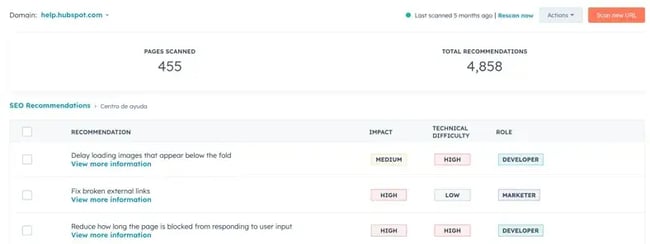
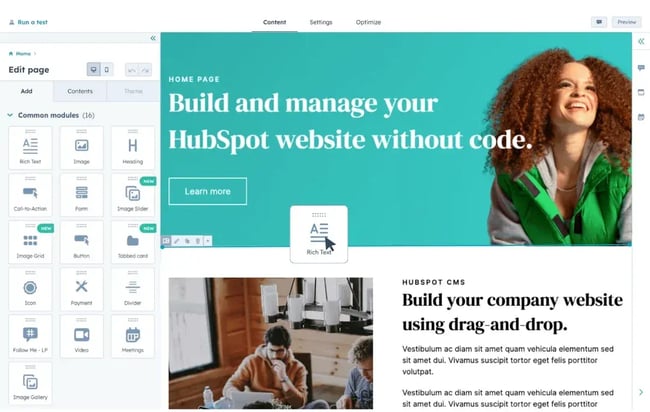
HubSpot has positioned itself as a leader in "unified" SEO. By embedding SEO recommendations and rank tracking directly within the CMS and CRM, it eliminates the friction between content creation and performance monitoring. Analysts note that HubSpot’s strength lies in its ability to attribute a keyword’s rank improvement directly to a lead generated in the CRM. Their "AEO Grader" tool further provides a free baseline for organizations to measure their visibility in AI environments, scoring brands on parameters like "brand authority" and "citation frequency."
Semrush One
A stalwart in the industry, Semrush has expanded its traditional toolkit into an "AI Visibility Toolkit." Semrush One is designed for high-volume data analysis, offering deep competitive intelligence. It allows enterprises to track not just their own rankings, but the "Share of Voice" across an entire industry. This macro-level view is essential for executive leadership to understand market share shifts in real-time.

Profound
Profound represents the "new guard" of tracking, built specifically for the generative AI era. It moves away from the concept of a "SERP" and focuses on the "AI Ecosystem." For brands concerned with how they are perceived across multiple LLMs, Profound provides prompt-level tracking, allowing teams to see how different queries trigger different brand narratives across ten or more AI engines.
Stakeholder Reactions and Organizational Impact
The move toward integrated rank tracking has drawn reactions from various corporate departments. Marketing executives have expressed a need for "one version of the truth," where SEO data matches sales data. Conversely, IT departments have raised concerns regarding the "data weight" of tracking millions of keywords, urging vendors to provide more efficient filtering and export capabilities.
"The challenge is no longer getting the data," says one industry analyst. "The challenge is making it actionable. An enterprise doesn’t need a report showing they moved from position four to position three. They need a report showing that moving to position three increased their pipeline by $2 million."
This demand for "revenue-centric SEO" is forcing a cultural shift within organizations. SEO teams are no longer isolated technical groups; they are becoming essential contributors to the "Go-To-Market" (GTM) strategy, working alongside sales and product development.
Broader Implications for the Future of Search
As we look toward the next decade, the role of enterprise rank-tracking software will likely expand into predictive analytics. By analyzing historical ranking trends alongside seasonal search volume data, future platforms may be able to "forecast" visibility gaps before they occur, allowing brands to adjust their content strategy preemptively.
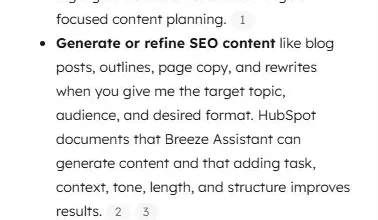
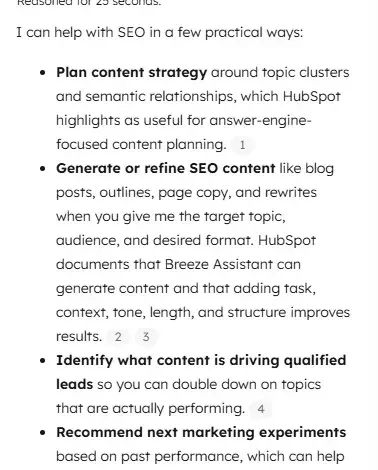
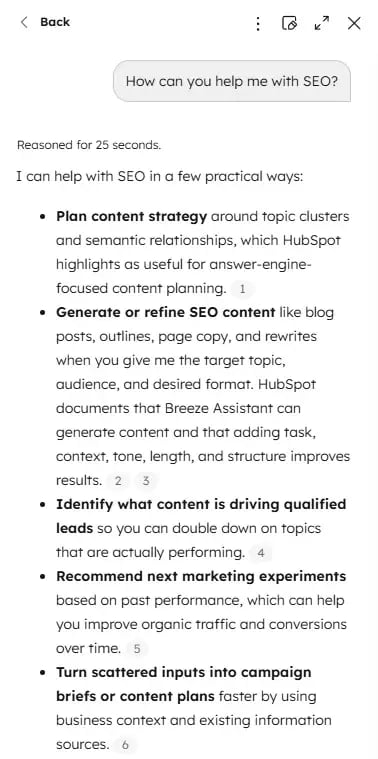
Furthermore, the "democratization of data" within the enterprise means that SEO insights will become accessible to non-experts. AI assistants, such as HubSpot’s Breeze Assistant, are already enabling junior staff to perform complex SEO audits and interpret ranking shifts through natural language interfaces.
In conclusion, enterprise rank tracking is no longer a luxury for large brands; it is a fundamental requirement for survival in a fragmented digital economy. The transition from monitoring "links" to monitoring "answers" and "revenue impact" marks the maturity of the SEO industry. Organizations that invest in scalable, integrated, and AI-aware tracking solutions will gain a significant competitive advantage, ensuring their brand remains visible wherever and however their customers choose to search.
Related posts: