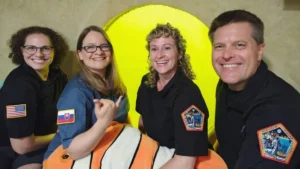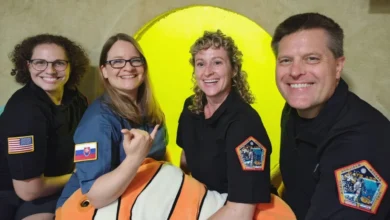
The pursuit of human exploration beyond Earth’s atmosphere requires more than just high-powered rockets and advanced propulsion; it demands rigorous psychological and physiological preparation in environments that mimic the hostility of space. Dr. Michaela Musilova, an acclaimed astrobiologist and veteran commander of nearly 40 simulated lunar and Martian missions, recently led the SEA STAR project, an ambitious analog mission conducted entirely underwater. By utilizing the Jules’ Undersea Lab in Florida—the world’s only operational underwater research habitat—the crew explored the intersection of subaquatic saturation diving and extra-vehicular activity (EVA) training, providing critical data for the future of long-duration space travel.
The Philosophy of Analog Missions
Analog missions are controlled environments on Earth that replicate the conditions of space to study human behavior, technical proficiency, and life-support limitations. Agencies such as NASA and the European Space Agency (ESA) have long utilized remote terrains—from the Haughton-Mars Project in the Canadian Arctic to the NEEMO (NASA Extreme Environment Mission Operations) underwater base—to test hardware and human resilience.
The SEA STAR mission distinguishes itself by pushing the boundaries of "saturation." In this state, the human body is exposed to ambient pressure for a duration sufficient for tissues to become fully saturated with inert gases, such as nitrogen. Unlike standard scuba diving, where a diver can return to the surface at will, saturation environments carry significant medical risks, including decompression sickness, if protocols are not strictly maintained. This physiological constraint creates a high-stakes "no-exit" environment, mirroring the reality of astronauts aboard the International Space Station (ISS) or, eventually, a surface base on the Moon or Mars.
Chronology of the SEA STAR Mission
The SEA STAR mission was designed as a multi-day operation, requiring the crew to live, work, and conduct simulated EVAs while submerged at a depth of approximately 22 feet (7 meters).
- Pre-Mission Phase: The crew underwent intensive training focusing on equipment redundancy, emergency medical protocols for hyperbaric environments, and the establishment of communication hierarchies.
- Saturation Phase: Upon entering the Jules’ Undersea Lab, the crew reached a state of saturation. For the duration of the mission, they were physically confined to the habitat and the surrounding water column.
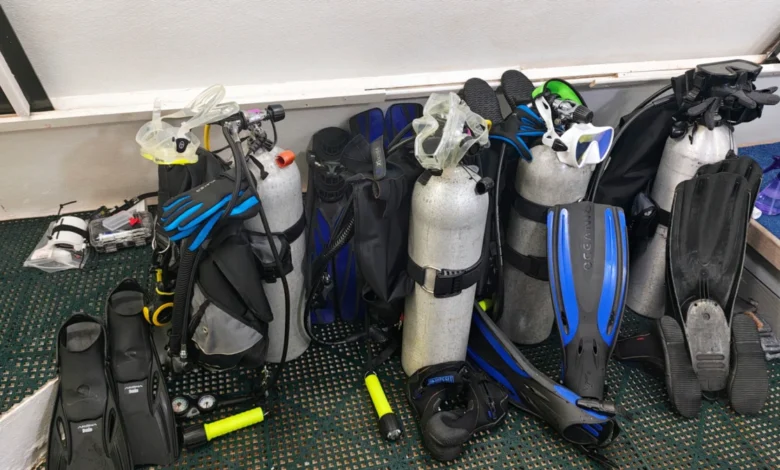
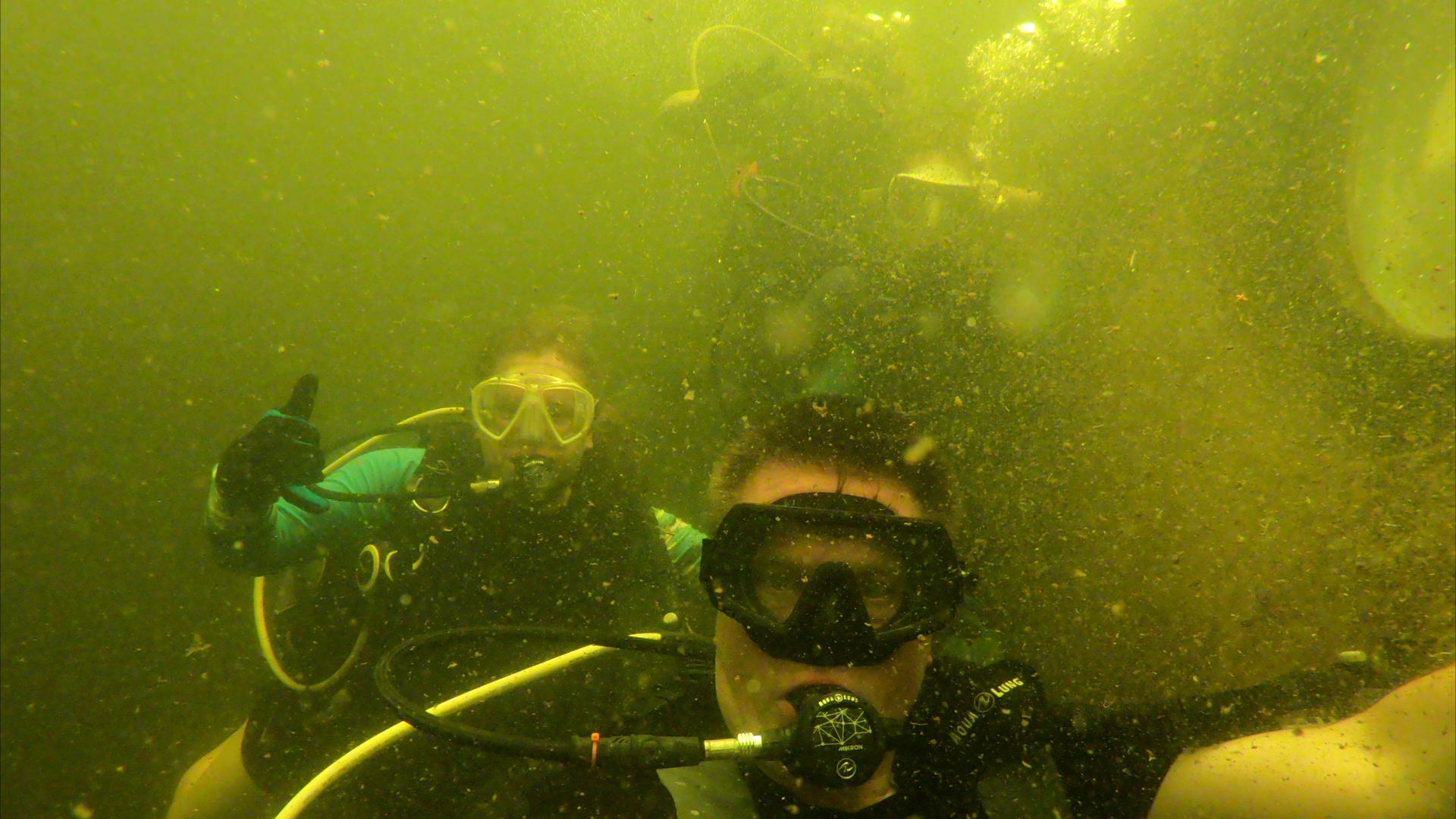
- Operational Phase: The crew conducted daily "spacewalks," utilizing scuba gear as a proxy for the 310-pound (141 kg) Extravehicular Mobility Units (EMUs) used by NASA. These outings involved complex tasks such as environmental cleaning, sample collection, and equipment maintenance, all while constrained by the buoyancy and low-visibility conditions of the underwater environment.
- Decompression Phase: Following the mission, the crew underwent a controlled decompression schedule to safely off-gas inert nitrogen from their tissues, returning to surface pressure levels.
Comparative Analysis: Space Suits vs. Scuba Gear
A critical component of the SEA STAR mission was the evaluation of mobility and tactile function. While real-world spacesuits are marvels of engineering—providing thermal regulation, radiation protection, and pressurized life support—they are notoriously cumbersome. An astronaut’s mobility is severely restricted by the rigid pressurized fabric and mechanical joints of an EMU.
In contrast, analog suits used during SEA STAR generally weigh under 30 pounds (14 kg). To bridge this performance gap, researchers introduced specific constraints to the training:
- Dexterity Limitation: The use of heavy-duty gloves was mandatory. These gloves simulated the loss of fine motor skills that astronauts experience when operating tools through pressurized suit gloves.
- Visibility Constraints: The use of limited-range flashlights forced the crew to rely on verbal and non-verbal communication, mimicking the reliance on tether systems and external lighting in the vacuum of space.
- Psychological Isolation: The inability to simply "open the hatch" and breathe fresh air introduced a level of psychological stress that is often missing from land-based simulations, where crew members can terminate a mission by walking out of a habitat.
The Role of Human Factors and Psychology
Dr. Musilova’s leadership emphasized the "human factors" of exploration—the psychological toll of isolation, the breakdown of communication under stress, and the necessity of team cohesion. Research from the SEA STAR mission suggests that even in a simulated environment, the fear of the unknown acts as a powerful catalyst for team performance.
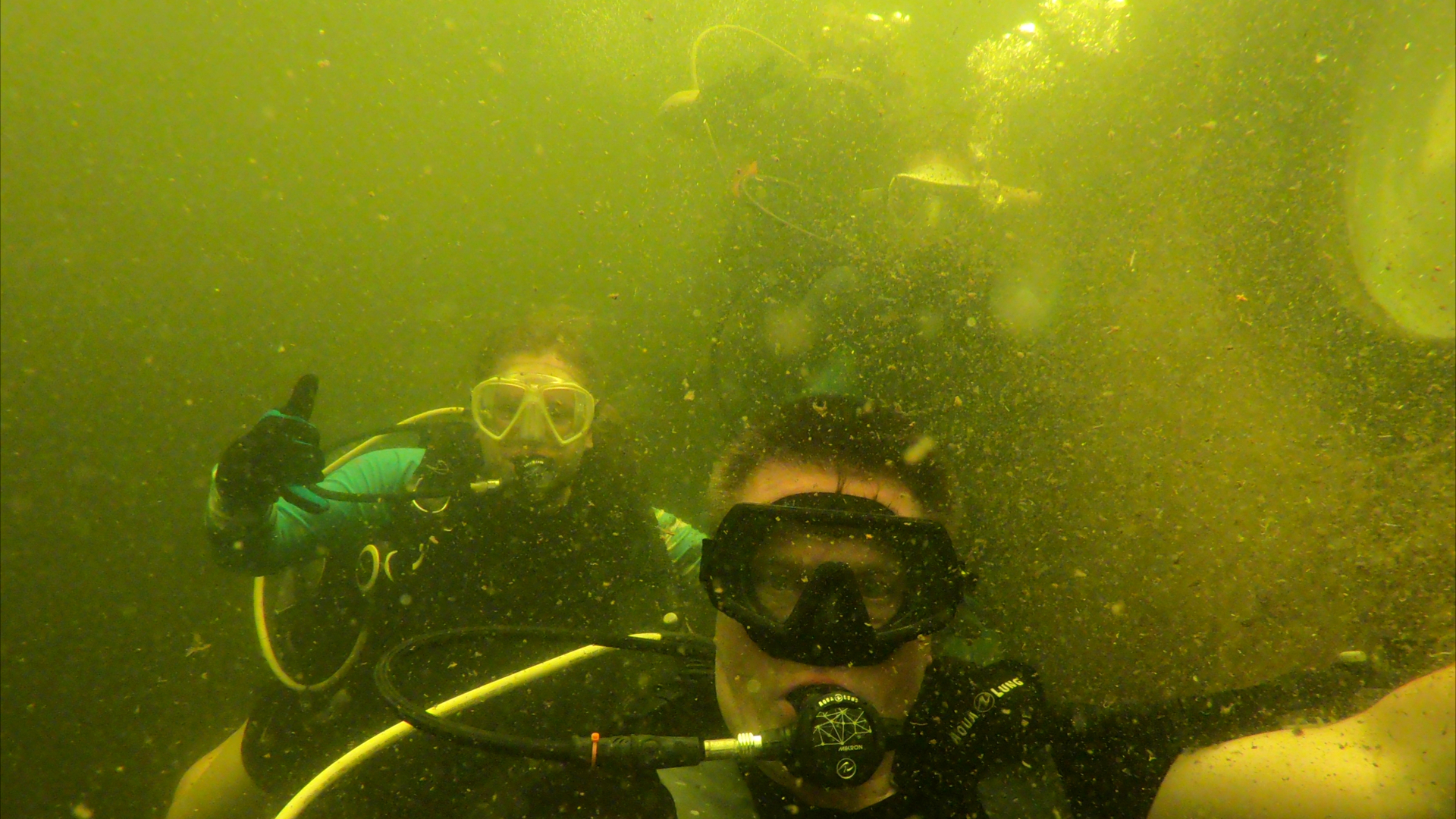
Communication protocols were particularly scrutinized. In the absence of high-fidelity digital radio links, the crew utilized a combination of standard scuba sign language and custom-developed mission signals. This proved vital during instances where visibility dropped to near zero, forcing the crew to maintain physical proximity to ensure safety. This redundancy in communication is a direct application of the "buddy system" used by astronauts during complex ISS repairs.
Broader Implications for Space Exploration
The data gathered from SEA STAR provides a roadmap for future lunar and Martian surface operations. As NASA’s Artemis program aims to establish a permanent presence on the Moon, the lessons learned regarding "saturation" and "confinement" become increasingly relevant.
- Resource Management: The mission highlighted the efficiency required for power, air, and communication, all of which are finite in space.
- Hardware Robustness: By testing tools in a corrosive, high-pressure, and low-visibility underwater environment, the crew provided real-world feedback on the durability of gear intended for the harsh, abrasive dust of the Moon or the thin, cold atmosphere of Mars.
- Emergency Protocols: The "no-exit" nature of the mission forced the development of emergency protocols that assume a "rescue from within" model. This is essential for deep-space missions where Earth-based assistance could be days or weeks away.
Expert Insights and Future Trajectories
Industry analysts and aerospace researchers have noted that the integration of underwater habitats into the broader space-training ecosystem is essential. By treating the ocean floor as an extraterrestrial analog, researchers like Dr. Musilova are effectively "shrinking" the solar system, making the distant challenges of Mars feel tangible and solvable.
The SEA STAR mission serves as a reminder that the greatest barriers to space exploration are often internal. As we look toward the next generation of spaceflight, the integration of analog mission data will likely dictate the design of future habitats, the structure of astronaut training regimens, and the protocols that keep human crews alive when they are millions of miles from the safety of Earth.
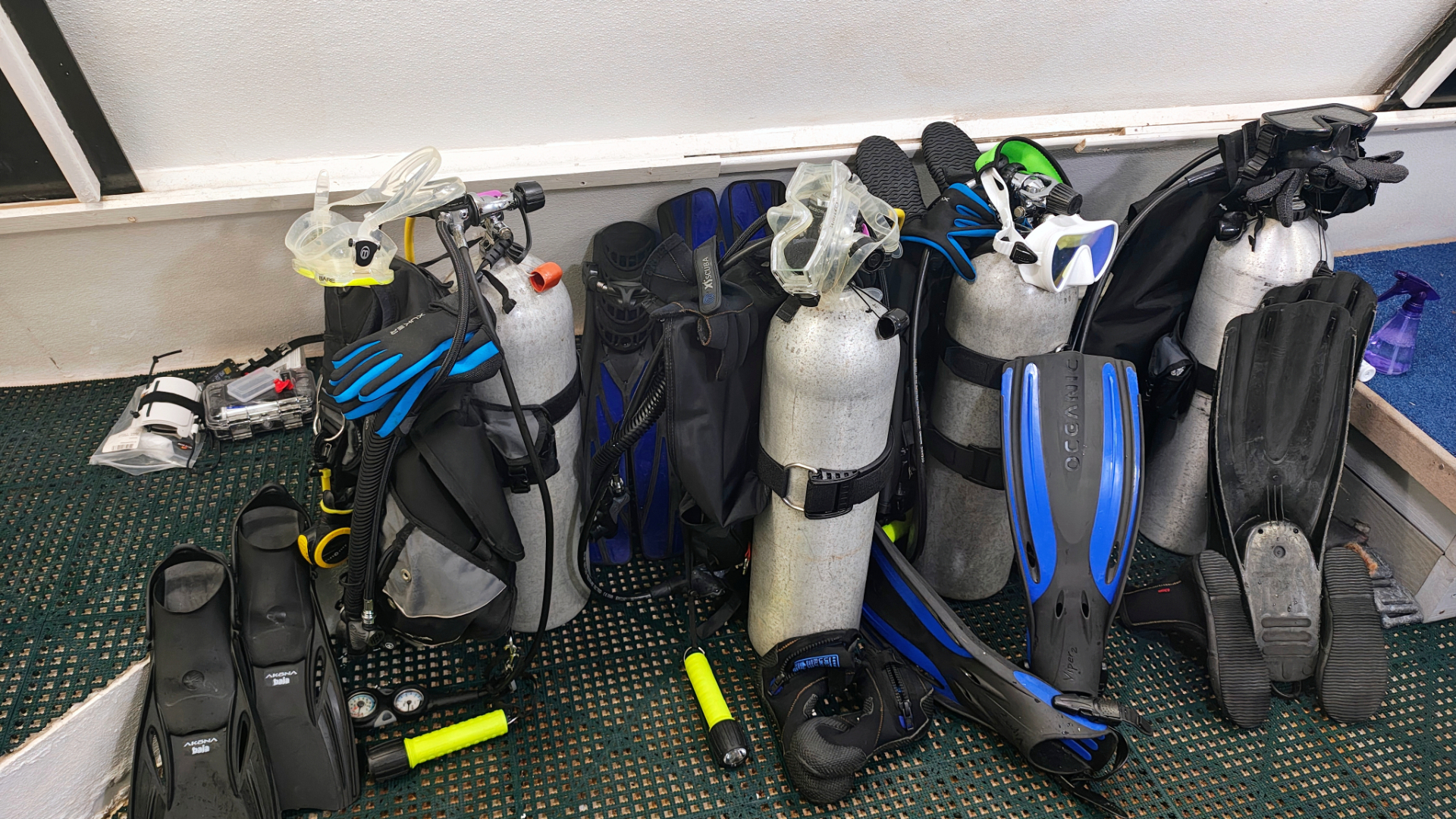
The success of these missions lies not in the replication of every variable, but in the replication of the feeling of responsibility—the weight of knowing that the crew’s survival rests entirely on the integrity of their gear and the strength of their communication. Through these underwater experiments, the next generation of explorers is learning the fundamental lesson of space travel: when you are on the frontier, the only way forward is to be perfectly prepared for the moment when everything goes wrong.
As the global space race accelerates, the contributions of analog commanders like Dr. Musilova remain a cornerstone of safety and operational readiness. The underwater labs of today are the training grounds for the Martian habitats of tomorrow, ensuring that when the first humans step onto the red planet, they are not only physically prepared but mentally steeled for the challenges that lie in the dark, silent vacuum of space.