Historical train delay attributed to solar storm revealed as seven-year error by space weather investigators

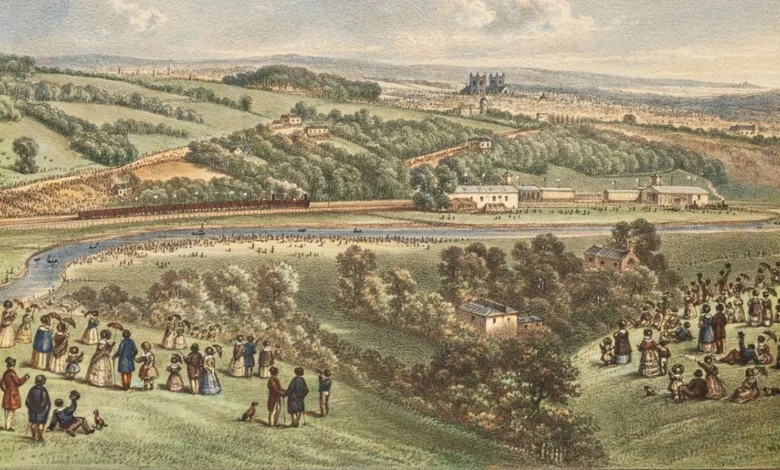
For over a century, the history of space weather and its interaction with terrestrial technology has been anchored by a singular, curious event: a train delay in Exeter, Devon, in 1841. This incident, documented in the pages of the journal Nature, was widely cited as the first recorded instance of solar activity disrupting critical infrastructure on Earth. However, a comprehensive forensic investigation led by a team of space physics experts has debunked this long-standing narrative. By cross-referencing archival railway records, newspaper reports, and geomagnetic data, researchers have discovered that the disruption actually occurred seven years later, in 1848.
The Exeter Incident: A Detective Story in the Archives
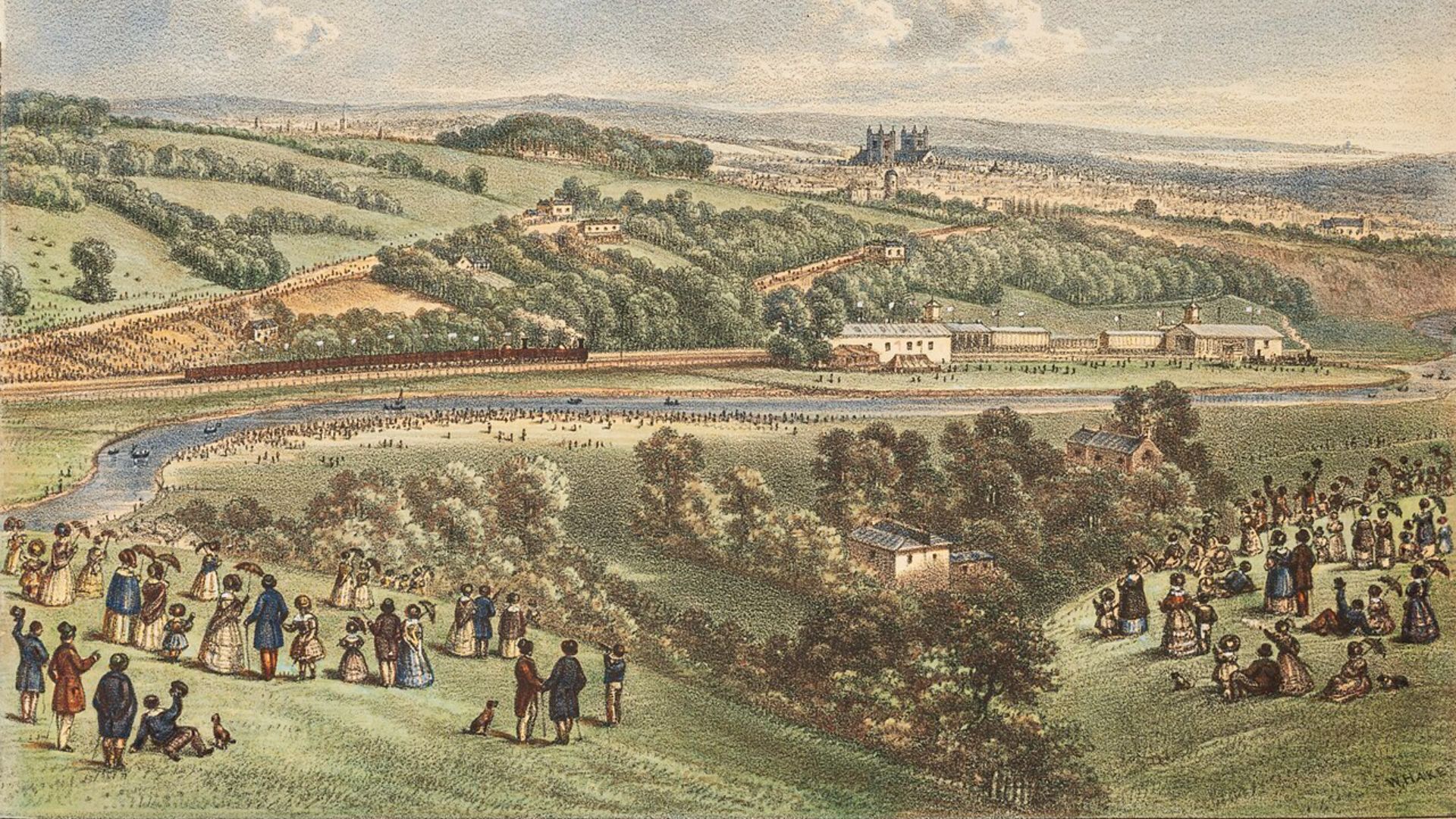
The correction of this historical milestone represents more than a mere calendar adjustment; it serves as a testament to the importance of historical rigor in scientific research. The original claim suggested that on October 18, 1841, a solar storm induced a surge in the electrical telegraph network used for railway signaling in Exeter, causing a train to be delayed by 16 minutes.
Professor Jim Wild of Lancaster University, who also serves as the President of the Royal Astronomical Society, led the investigation alongside Mike Hapgood, a space weather expert at RAL Space. The team’s suspicions were initially aroused by a basic discrepancy: the railway line in question did not actually open until 1846.
"The Exeter train delay is a fascinating story because it sits right at the point where emerging technologies first began to encounter the realities of the space environment," Professor Wild stated. "Our research has a hint of a detective story—piecing together a wide range of archived records to better understand a historically severe space-weather event."
The team utilized a multi-disciplinary approach to rectify the record. By combining digitized geomagnetic data, historical solar observations—specifically those noting the presence of the northern lights—and contemporary regional newspaper accounts, they concluded that the event took place on October 18, 1848. This date aligns with a significant geomagnetic storm recorded during that period, moving the incident out of the 1841 timeline entirely.
Shifting the Chronology of Space Weather
With the Exeter event demoted from its status as the inaugural recorded instance of space weather disruption, the scientific community has had to recalibrate its timeline. The new titleholder for the first recorded disruption to electrical technology now falls to the Midland Railway network. In March 1847, nearly a year before the revised Exeter date, telegraph systems on this expansive British rail network experienced similar geomagnetic interference.
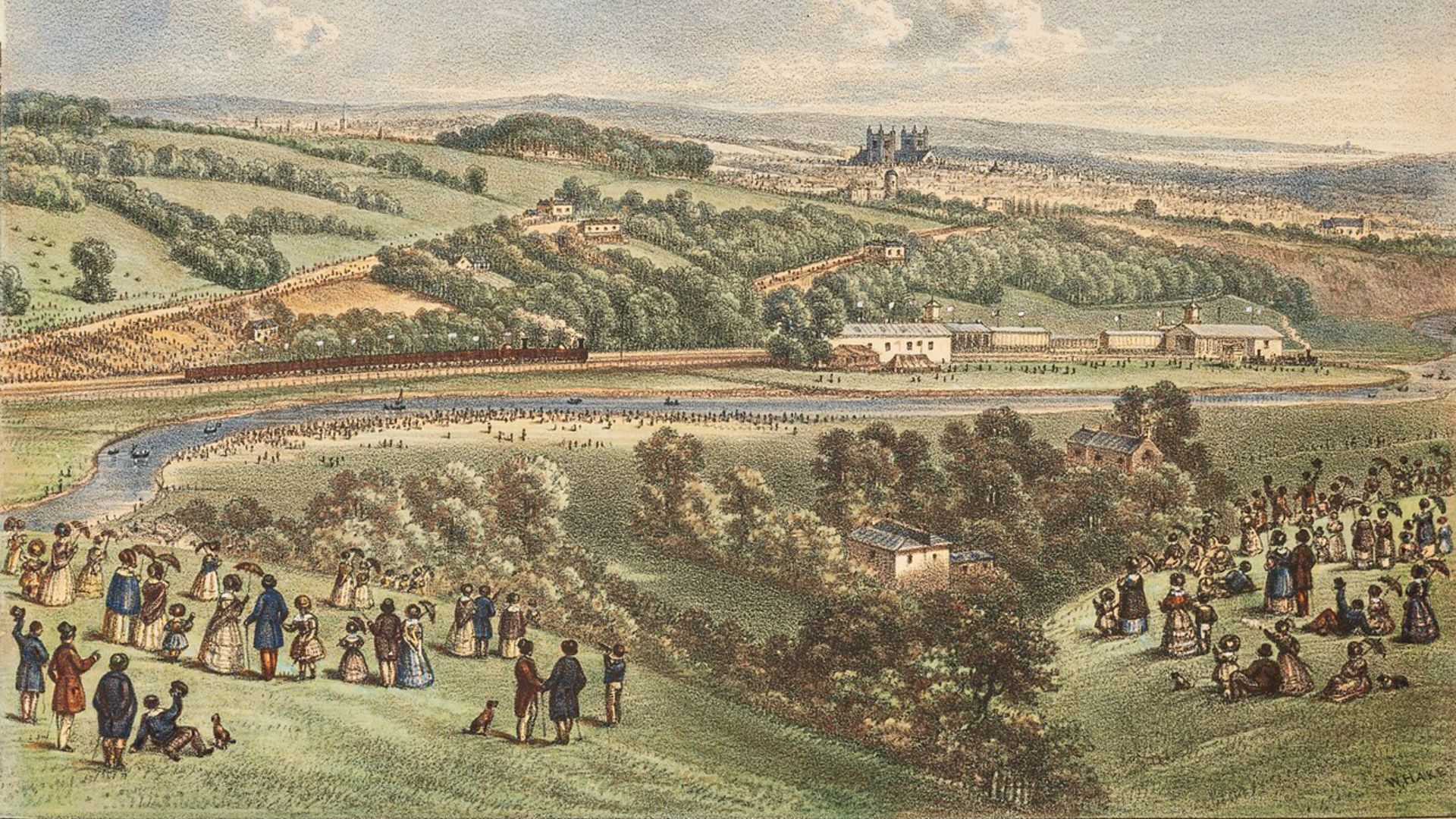
This shift highlights a critical period in the mid-19th century when the rapid expansion of the electrical telegraph—the internet of the Victorian era—coincided with an era of intense solar activity. The telegraph, which relied on long copper wires stretched across vast distances, essentially functioned as a giant antenna, susceptible to currents induced by fluctuating magnetic fields in the upper atmosphere.
The Evolution of Solar Disruption
While the Exeter and Midland Railway incidents represent the early "teething problems" of technological vulnerability to space weather, they were merely precursors to more catastrophic events. The most famous of these is the Carrington Event of 1859, the most severe solar storm ever documented.
The Carrington Event was of such magnitude that it caused telegraph operators to receive electric shocks from their equipment, and in some cases, operators were able to disconnect their batteries and continue transmitting messages using only the current induced by the aurora. The impact was global, causing widespread failure of telegraph networks and reports of auroras appearing as far south as the Caribbean and Hawaii.
The period between 1840 and 1860 was characterized by a rapid maturation of the electrical grid. As the reach of telegraph lines grew, so did the potential surface area for geomagnetic induction. The researchers noted that by the time of the 1859 storm, operators were becoming increasingly familiar with these "magnetic storms," though the sheer intensity of the Carrington event remained an outlier that pushed the capabilities of the era to their breaking point.
Modern Vulnerabilities: The High-Stakes Reality
The historical analysis conducted by Wild and Hapgood serves as a sobering reminder of modern dependencies. While the 1848 Exeter delay was a minor inconvenience resulting in a 16-minute wait for passengers, the consequences of a similar event today would be profound.
"While today’s space weather monitoring capabilities are far more advanced than anything available in the 1800s, the modern technologies we depend on are also much more vulnerable to solar storms," explained Mike Hapgood.
Our current infrastructure—comprising global satellite networks, transcontinental power grids, and submarine internet cables—is far more sensitive to geomagnetic-induced currents (GICs) than the rudimentary telegraph systems of the 19th century. A repeat of the Carrington Event in the 21st century could lead to:
- Grid Instability: Widespread, long-term power outages resulting from the saturation of high-voltage transformers.
- Communication Blackouts: Disruption of high-frequency radio communications and potential damage to the delicate electronics housed within satellite constellations.
- Navigation Failure: Interference with GPS and GNSS (Global Navigation Satellite System) signals, impacting everything from aviation and maritime transport to precision agriculture and financial time-stamping.
- Economic Disruption: A cascading failure of global supply chains that rely on real-time data and synchronized power.
Solar Cycle 25 and Future Preparedness
We are currently navigating the peak of Solar Cycle 25, which reached its maximum activity in October 2024. As the Sun moves through its approximately 11-year cycle, the frequency and intensity of solar flares and coronal mass ejections (CMEs) fluctuate. The solar maximum is not a single point in time, but a period of heightened activity that can last for several years.
The May 2024 geomagnetic storm, which produced some of the most intense auroral displays in the last 500 years, demonstrated that even in a relatively well-understood cycle, the Sun remains unpredictable. Despite having sophisticated modeling and early-warning systems, such as the Deep Space Climate Observatory (DSCOVR) and the Solar and Heliospheric Observatory (SOHO), the window of warning for a major CME is often only a matter of hours.
The research conducted on the Exeter event emphasizes the necessity of historical context. By understanding how earlier generations dealt with the onset of "space weather," scientists can better model the long-term resilience of our current systems.
"Society has been experiencing the effects of space weather on technology for almost as long as electrical technologies have existed," Professor Wild concluded. The lesson for the modern era is clear: while we have developed the technology to forecast solar activity, our increased reliance on complex, interconnected systems means that the stakes of "space weather" have risen in tandem with our technological advancement.
As we look toward the next solar minimum in 2030, the scientific community continues to prioritize the integration of archival data with real-time solar monitoring. The "detective work" performed on the 1848 Exeter delay confirms that while the dates in the history books may change, the fundamental interaction between our star and our technology remains one of the most significant environmental risks of the modern age. Through the lens of history, we gain the perspective required to build a more resilient future.