Disney Parks Are Turning to Artificial Intelligence to Fix the Smartphone Problem They Created

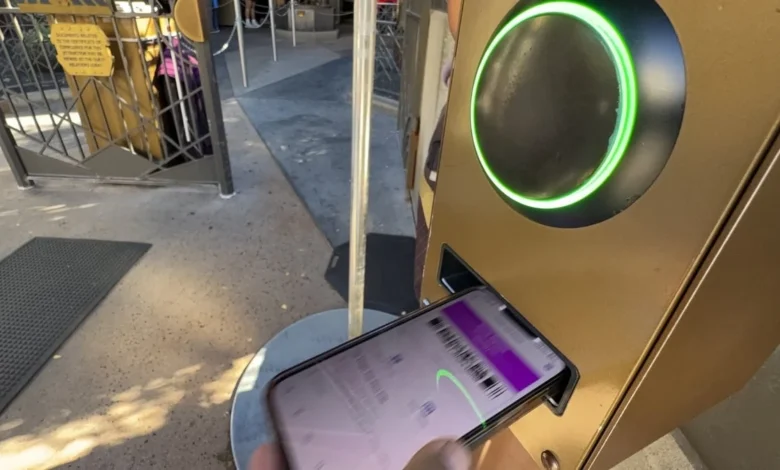
The allure of a Disney theme park has long been rooted in immersive storytelling, breathtaking environments, and the promise of escaping the mundane realities of everyday life. For decades, guests stepped through the turnstiles into meticulously crafted worlds where reality faded and magic took center stage. However, in the modern era of theme park management, that foundational promise has hit a major roadblock: the smartphone screen. Today, a typical day at a Disney resort in California, Florida, or international destinations like Paris, Tokyo, and Shanghai involves an excessive amount of screen time. Visitors find themselves staring down at their mobile devices for hours, navigating a labyrinth of digital requirements just to enjoy the amenities they paid thousands of dollars to experience.
The heavy reliance on proprietary mobile applications has fundamentally altered the visitor experience. Securing a spot in a virtual queue, booking Lightning Lane appointments to bypass lengthy lines, reserving dining tables months or weeks in advance, and ordering quick-service meals all demand constant digital vigilance. Without frequent check-ins and app refreshes, families risk waiting hours in the Florida or California heat for marquee attractions like Space Mountain or missing out on coveted dining reservations at iconic locations like the Blue Bayou restaurant. What was once an organic, spontaneous vacation has transformed into an exercise in project management, leaving many parkgoers tethered to their pocket-sized computers from morning until night.
Recognizing the growing friction between digital efficiency and sensory immersion, Disney’s executive leadership has begun acknowledging the unintended consequences of its tech-forward strategy. Bruce Vaughn, President of Walt Disney Imagineering, addressed the issue candidly, admitting that the constant reliance on various resort applications effectively "breaks the spell" of visiting a Disney property. When guests are forced to troubleshoot connection issues, monitor wait times, and manage itineraries on a glowing display, the carefully curated illusions of Main Street, U.S.A., or Galaxy’s Edge begin to fracture. The challenge for the entertainment giant has therefore become clear: how to maintain operational efficiency without sacrificing the magical atmosphere that defines the brand.
The Evolution of Disney’s Technological Footprint
To understand how Disney arrived at its current reliance on mobile technology, one must look back at the gradual digitization of the parks over the past decade and a half. The shift began in earnest with the introduction of the MyMagic+ initiative in Florida’s Walt Disney World, anchored by the debut of MagicBands in 2013. Initially designed to streamline park entry, hotel room access, and payment processing through wearable radio frequency technology, the system laid the groundwork for centralized, app-driven data management.
Over the ensuing years, as smartphone adoption reached near-ubiquity, Disney phased out older ticketing paradigms and physical fast-pass distribution kiosks in favor of app-exclusive systems. The retirement of the complimentary FastPass system in 2021 and the subsequent rollout of paid tiers—first branded as Disney Genie+ and later rebranded as Lightning Lane Multi Pass and Single Pass—solidified the smartphone as an indispensable tool for park survival. While these digital tools provided the company with valuable data analytics, dynamic pricing capabilities, and streamlined crowd management, they inadvertently shifted guest labor onto the consumer. Vacationers were essentially recruited as unpaid logistics coordinators, managing their own itineraries in real time while navigating a complex ecosystem of digital upsells.
Enter Imagineering Labs: A New Digital Experiment
In a paradoxical bid to solve a problem created by technology, Disney has launched its latest experimental initiative: the Disney Imagineering Labs app. Debuting this week, the app represents the company’s first major software-based experiment aimed at fundamentally reshaping how guests interact with their phones inside the parks.
The initial rollout of the application is currently limited to select participants in the Magic Key annual passholder program, serving as a controlled environment for testing and user feedback. The app’s initial offering, titled Secrets of the Spire, is located within the Star Wars: Galaxy’s Edge-themed land at Disneyland. Designed as an interactive augmented reality and location-aware game, Secrets of the Spire incorporates minigames and navigational challenges intended to deepen engagement with the physical environment. However, early industry observers and park analysts have noted a conceptual irony: deploying a new app to mitigate the fatigue caused by existing apps presents a confusing value proposition for visitors who are already suffering from digital burnout.
The Promise of the Disneyland Enchanted Guide
While the gamified features of the initial release have drawn mixed reactions, a more functional component of the Imagineering Labs ecosystem is scheduled to launch early next year: the Disneyland Enchanted Guide. According to reports from prominent Disney enthusiast publications, including the Disney Tourist Blog and Mickey Visit, this forthcoming tool represents a more pragmatic approach to reducing active screen time.
The Enchanted Guide introduces an artificial intelligence-driven interface capable of processing natural language queries via both text and voice input. Guests can ask conversational questions such as, "How long is the actual wait time at Pirates of the Caribbean right now?" or "Where should my family eat around noon near Tomorrowland?" Rather than requiring users to manually dig through menus, search maps, and cross-reference wait times, the AI assistant aggregates the necessary data instantly.
More importantly, the guide features a proactive notification system designed to liberate users from the compulsion of constant screen-checking. Visitors can establish custom alerts for specific attractions or dining reservations—for instance, setting a threshold where the app sends a push notification only when a particular ride’s wait time drops below thirty minutes. Instead of remaining glued to a display, guests are empowered to put their phones away and enjoy their surroundings, secure in the knowledge that the system will alert them when action is required.
Integration Challenges and Future Implications
Despite the innovative potential of the Enchanted Guide, structural hurdles remain regarding how this new software will interface with Disney’s existing digital infrastructure. As of the current rollout, Disney has made no official announcement indicating that the Imagineering Labs app is intended to replace the primary Disneyland or My Disney Experience applications.
This creates a potentially fragmented user experience. For example, a guest utilizing the Enchanted Guide might receive an AI-generated alert regarding sudden Lightning Lane availability, only to be forced to switch over to the main Disneyland app to complete the monetary transaction and secure the reservation. Industry analysts suggest that for the experiment to achieve its stated goal of reducing friction, these disparate software ecosystems will eventually need to be unified into a single, seamless platform.
Furthermore, Disney has announced an intriguing partnership with Meta, integrating the Enchanted Guide app with Meta’s Ray-Ban smart glasses. This collaboration will allow wearers to pair their smart eyewear with the Disney AI assistant, enabling them to ask contextual questions about their surroundings simply by looking at them. While hands-free technology offers undeniable convenience, critics note that introducing wearable computing devices into a theme park environment may complicate the company’s overarching narrative of fostering an organic, offline atmosphere. Equipping guests with AI-powered glasses does little to diminish the perception that technology is mediating every moment of the vacation experience.
Gathering Feedback and Moving Forward
Acknowledging that the Imagineering Labs application is very much a work in progress, Disney has built robust feedback mechanisms directly into the software interface. Park leadership is actively soliciting qualitative data from annual passholders and power users, asking them to evaluate which specific features genuinely enhance the spatial experience and which merely add digital clutter.
As the hospitality and entertainment sectors continue to grapple with the demands of digital transformation, Disney’s latest experiment will be closely watched by industry competitors and consumer advocates alike. Whether artificial intelligence and smart alerts can successfully break the spell of constant phone monitoring—or whether they will simply establish a new baseline for technological dependency—remains to be seen. For millions of travelers planning their next magical getaway, the ultimate success of these initiatives will be measured by a simple metric: how often they are able to keep their phones safely tucked away in their pockets.