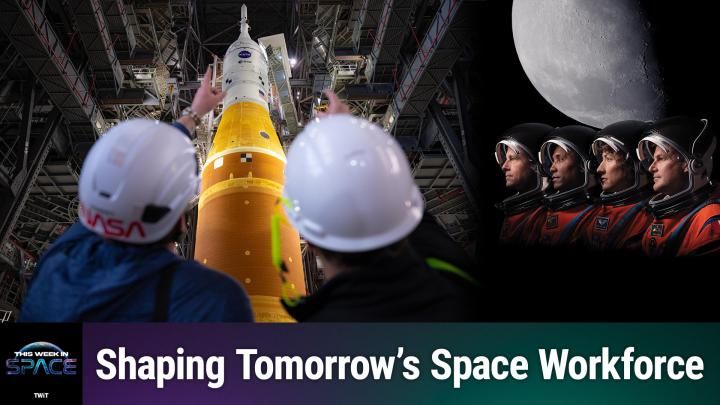
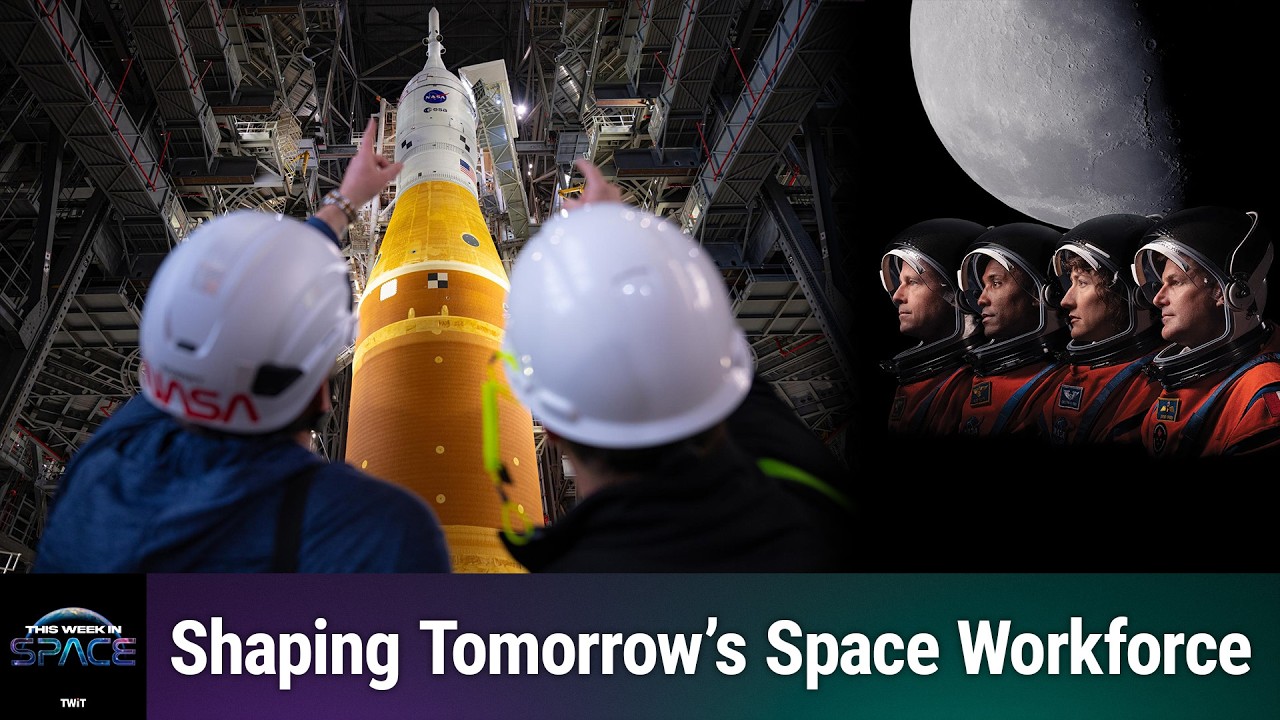
The conversation highlighted a fundamental reality of the modern era: the Newspace economy is not just growing; it is hungry for human capital. With the United States’ Artemis program aiming to return humans to the lunar surface and a burgeoning private sector creating a dense web of activity in low-Earth orbit, the traditional aerospace pipeline is being tested by the sheer volume of demand for specialized skills.
The Evolution of the Aerospace Workforce
Historically, the aerospace workforce was defined by a concentrated cohort of government-led missions, primarily centered around NASA and its prime contractors. Today, the landscape has shifted toward a "Newspace" model characterized by rapid iteration, lower costs, and commercial competition. This shift necessitates a broader, more diverse talent pool capable of navigating both the bureaucratic rigors of government oversight and the agile demands of the private sector.
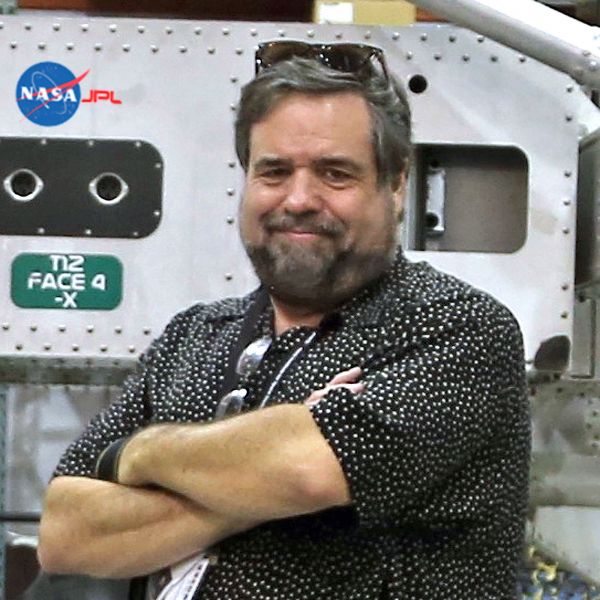
Dr. Smith-Hackler noted that the current challenge lies in bridge-building. While universities continue to produce high-caliber graduates in traditional STEM fields—Science, Technology, Engineering, and Mathematics—the specific, applied knowledge required for space-ready hardware and software often requires specialized intervention. The AFRL Scholars program and similar initiatives serve as that bridge, providing students with hands-on exposure to real-world laboratory environments, project management, and the specific regulatory frameworks governing space technology.
Timeline of Modern Space Workforce Development
The urgency behind these programs did not materialize overnight. It is the result of a decadal trend in aerospace development:
- 2004–2010: The transition from the Space Shuttle era to the Constellation program, followed by the shift toward the Commercial Crew Development (CCDev) program, marked the initial pivot toward private-public partnerships.
- 2011–2015: The rise of SpaceX and Blue Origin created a competitive labor market, forcing traditional aerospace firms to rethink how they recruit and retain young engineering talent.
- 2017–2020: The signing of Space Policy Directive 1 solidified the return to the moon as a national objective, creating a clear mandate for a workforce capable of deep-space exploration.
- 2021–Present: The "Artemis Generation" moniker became official, focusing on long-term sustainable presence on the moon and the preparation for eventual Mars missions. This period has seen an explosion in venture capital investment, further accelerating the need for a robust talent pipeline.
Supporting Data and Market Demands
According to reports from the Space Foundation, the global space economy is projected to reach $1 trillion by 2040. To sustain this trajectory, the industry requires more than just rocket scientists; it requires a vast ecosystem of cybersecurity experts, supply chain logistics managers, data analysts, and legal experts familiar with the Outer Space Treaty and current orbital traffic management issues.
Current statistics indicate that while STEM enrollment remains steady, the "retention gap" in the aerospace sector—the rate at which new graduates leave the industry for other tech sectors like software development or artificial intelligence—remains a concern. Initiatives like those managed by Dr. Smith-Hackler are specifically designed to address this by fostering a sense of mission and professional community early in a student’s academic career. By exposing students to the tangible results of their labor—such as seeing a component they helped design reach a test stand or integrate into a satellite—programs create the "sticky" career path that is essential for long-term retention.
Implications of a Shrinking Talent Gap
The implications of a failure to adequately fill the STEM pipeline are significant. A shortage of qualified personnel leads to cost overruns, schedule slips, and, in extreme cases, mission failures. As aerospace becomes more deeply integrated into the global economy—via satellite-based internet, remote sensing for climate monitoring, and precision agriculture—the cost of a stagnant workforce becomes a macroeconomic issue rather than just a niche industry concern.
Furthermore, the rise of international competitors in the space sector means that the United States and its allies must ensure their workforce is not only well-trained but also innovative. The "Artemis Generation" is expected to operate in an environment where speed of innovation is a strategic asset. The focus is no longer on simply building the most reliable rocket, but on building the most efficient, reusable, and adaptable systems possible.
The Role of Commercial Engagement
The conversation on This Week in Space also touched upon the democratization of space enthusiasm, exemplified by the proliferation of high-quality consumer products like the Estes Model Falcon 9. While seemingly a hobbyist item, such products serve a vital educational function. They normalize the presence of private companies in the launch business and provide a tactile, accessible point of entry for younger generations to engage with physics and engineering principles.
The $149.99 retail price for the Estes model makes the complexities of multi-stage flight and vertical landing conceptually graspable to high school and college students. By making the "hardware" of the new space age available in classrooms and backyards, the industry is effectively nurturing the curiosity that will eventually lead students into university engineering programs.
Official Responses and Strategic Outlook
While government agencies like NASA and the Department of Defense remain the largest catalysts for large-scale projects, the prevailing consensus among experts is that the future of the workforce is hybrid. University programs are increasingly tailoring their curricula to meet the needs of industry partners, while firms are creating internal "academies" to upskill employees who may have general engineering backgrounds but lack specific orbital mechanics or propulsion experience.
Dr. Smith-Hackler’s work highlights that the "Artemis Generation" is not merely a marketing slogan; it is a strategic demographic shift. The individuals entering the workforce today will likely be the ones to oversee the first long-term lunar base and the first human landing on Mars. This generation is characterized by a high degree of comfort with international collaboration, digital-native design, and an entrepreneurial approach to problem-solving.
Broader Impact on Society
The push to expand the STEM pipeline is not just about space; it is about the broader health of the industrial base. The skills required for a career in the space industry—systems engineering, precision manufacturing, and advanced materials science—are highly transferable. When the space sector flourishes, it drives innovation in automotive manufacturing, energy production, and telecommunications.
As the industry looks toward the next two decades, the focus remains on diversity and inclusivity. Expanding the pool of talent means looking into community colleges, vocational schools, and underrepresented communities. The complexity of the challenges ahead—from in-situ resource utilization (ISRU) to life support in deep space—demands the widest possible range of intellectual perspectives.
Conclusion
The "Artemis Generation" stands at a unique crossroads in human history. The technological foundation has been laid, the private sector has been galvanized, and the public interest is at a record high. The bottleneck, as identified by experts like Dr. Smith-Hackler, is the human element. By formalizing the path from education to industry through robust STEM programs and meaningful industry partnerships, the aerospace sector is ensuring that the ambitious goals set for the moon and beyond remain within reach.
The ongoing discussions on platforms like This Week in Space serve as a critical reminder that while the machinery of spaceflight—the rockets, the rovers, and the satellites—captures the imagination, it is the workforce behind those machines that drives the future. Whether through a high-fidelity model rocket on a desk or a research fellowship at a national laboratory, the path to the stars is being paved by a renewed, intensive focus on the next generation of engineers and explorers. As the industry continues to evolve, the success of these workforce development programs will ultimately determine the scope and scale of humanity’s expansion into the solar system.