As global interest in winter sports tourism continues to accelerate, travel planners, outdoor enthusiasts, and winter sports hobbyists are already turning their attention toward the upcoming 2026–2027 ski season. Across the Atlantic, the European Alps, the Dolomites, and the emerging Nordic slopes present some of the most sought-after alpine real estate in the world. Securing premier accommodations in these high-demand regions requires early preparation, particularly as the market for high-end, design-forward, and slope-side vacation rentals becomes increasingly competitive.
Industry analysts report that demand for alternative lodging—specifically private chalets, alpine farmhouses, and design-led apartments booked through platforms like Airbnb—has surged significantly over the past five years. Travelers increasingly favor the privacy, local immersion, and spacious amenities of vacation rentals over traditional hotel settings. In response to this shifting consumer preference, property portfolios across Austria, Switzerland, Italy, Germany, Norway, and Slovenia have undergone extensive modernizations, blending centuries-old architectural heritage with contemporary luxury amenities.
The Evolution of Alpine Tourism and the Rise of Vacation Rentals
The European ski tourism sector is a cornerstone of the continent’s winter economy, generating billions of euros annually across the Alpine arc. Historically, the hospitality landscape was dominated by family-run guesthouses and large-scale resort hotels. However, the post-pandemic travel boom fundamentally altered booking habits. Travelers now prioritize properties that offer secluded environments, private wellness facilities—such as saunas and hot tubs—and direct access to backcountry trails or less-crowded ski lifts.
According to regional tourism boards in Switzerland and Austria, forward-booking windows for winter accommodations have lengthened considerably. While travelers once secured winter lodging in late autumn, premier properties are now frequently reserved up to nine months in advance. This shift has placed a premium on early-bird planning, prompting platforms to curate specialized collections of vetted properties, such as Airbnb’s "Guest Favorite" and "Superhost" tiers, which guarantee high standards of cleanliness, guest satisfaction, and host reliability.
Regional Breakdown: Where to Book for the 2026–2027 Season
The Swiss Alps: Tradition Meets Modern Luxury
Switzerland remains the gold standard for luxury alpine travel. Destinations such as the Jungfrau region, Zermatt, and Verbier draw international skiers seeking challenging terrain and world-class infrastructure. Properties in these areas range from ultra-modern glass chalets overlooking jagged peaks to historic wooden stables converted into high-end sanctuaries.
Swiss tourism officials emphasize that sustainability is playing an increasingly vital role in regional lodging. Many properties in the Swiss Alps now feature advanced geothermal heating systems, locally sourced construction materials, and energy-efficient designs that appeal to environmentally conscious travelers.
The Italian Dolomites: Dramatic Landscapes and Gastronomy
Straddling northeastern Italy, the Dolomites offer a unique blend of Italian and Austrian cultural influences, paired with some of the most striking geological formations in the world. Skiers frequenting the Dolomiti Superski area—one of the largest ski carousels globally—often seek accommodations that offer proximity to both world-class slopes and Michelin-starred alpine dining.
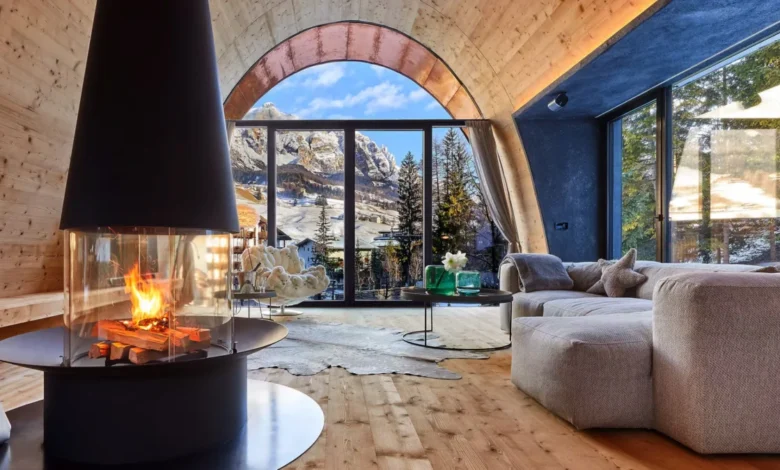
Vacation rentals in this region frequently highlight traditional Ladin architecture, featuring exposed stone, vaulted wooden ceilings, and expansive panoramic windows designed to capture the changing hues of the sunset against the limestone peaks.
Austria and Germany: Historic Charm and Family-Friendly Slopes
Austria’s alpine villages, nestled in regions like Tyrol and Salzburg, offer a quintessential winter fairytale experience. Characterized by snow-laden eaves, cobblestone streets, and vibrant après-ski cultures, Austrian ski chalets balance historic rustic charm with high-tech conveniences.
Further north, the German Alps provide accessible yet stunning alternatives, particularly around regions like Garmisch-Partenkirchen. These areas are especially popular among families and intermediate skiers who value efficient lift networks and comprehensive ski schools.
The Nordic Frontiers and Slovenia: Aurora Borealis and Tranquil Slopes
For travelers looking to venture beyond the traditional alpine corridors, Norway and Slovenia present compelling alternatives. Norwegian ski destinations, particularly those situated further north or on coastal islands, offer the rare combination of deep powder snow and the opportunity to view the Northern Lights (Aurora Borealis) directly from a fireside lounge.
Meanwhile, Slovenia’s Julian Alps—anchored by resorts like Kranjska Gora and Lake Bled—provide a more intimate, budget-friendly alpine experience without sacrificing natural beauty or snow reliability.
Economic and Logistical Implications for Travelers
The growing popularity of European ski vacation rentals carries specific logistical considerations for the upcoming winter season. Industry experts advise travelers to monitor several key factors when organizing a trip:
- Dynamic Pricing and Currency Fluctuations: With exchange rates between the US Dollar, British Pound, and the Euro fluctuating, locking in accommodations early can protect travelers against unexpected cost increases.
- Transportation and Accessibility: While many alpine rentals boast true ski-in/ski-out capabilities, others require four-wheel-drive vehicles or snow chains to navigate steep mountain passes. Renters must verify local transit links, airport transfer times, and parking availability prior to booking.
- Strict Cancellation Policies: Due to high demand, premier winter properties often enforce stringent cancellation policies. Travelers are increasingly advised to secure comprehensive travel insurance that covers weather-related disruptions, trip interruptions, and medical emergencies.
Industry Outlook and Expert Recommendations
Property managers and tourism boards anticipate another robust winter season, driven by steady investments in snow-making technology, sustainable resort operations, and infrastructural upgrades across European transit networks. As climate variability continues to influence natural snowfall patterns at lower elevations, high-altitude resorts and technologically equipped ski areas are expected to capture the lion’s share of bookings.
For those planning an excursion for the 2026–2027 window, industry veterans recommend establishing a shortlist of preferred regions by late spring or early summer. By prioritizing vetted properties with verified guest reviews, travelers can secure accommodations that not only provide functional access to the slopes but also serve as comfortable, immersive bases for exploring Europe’s majestic winter landscapes.