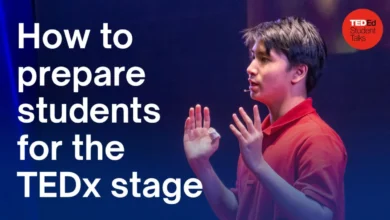
From Small Town Roots to Global Stages: How TED Summer School is Redefining Youth Leadership and Public Discourse


For over a decade, TED-Ed Student Talks has served as a global catalyst for youth development, helping millions of students refine their voices, cultivate passions, and build the self-assurance necessary to articulate complex ideas. This long-standing commitment to student advocacy is now entering a new chapter through a strategic partnership with Immerse Education. Together, they have launched TED Summer School, an intensive two-week educational program designed for motivated students aged 15 to 18. By combining rigorous theoretical frameworks with practical workshops, expert-led mentorship, and high-stakes public speaking training, the program aims to equip the next generation with the storytelling and leadership tools required to navigate an increasingly interconnected world.
The Evolution of Student-Led Advocacy
The trajectory of student engagement within the TED ecosystem has evolved significantly since the inception of TED-Ed. Initially focused on classroom-based curricula, the movement expanded into student-run TEDx events, providing teenagers with the logistical experience of event management, speaker curation, and technical production. Data from the organization suggests that these programs have scaled to reach diverse demographics, fostering a culture of intellectual curiosity that transcends traditional academic boundaries.
Samya Gupta, a student from India whose journey illustrates this evolution, represents the cohort of young changemakers currently reshaping the discourse. Gupta’s progression—from participating in localized TED-Ed sessions to managing full-scale TEDx logistics and, ultimately, securing a scholarship to the upcoming TED Summer School in Singapore—highlights the tangible benefits of these extracurricular frameworks. According to program organizers, these initiatives serve as "bridge programs," connecting academic knowledge with real-world application, a vital component in modern secondary education.
Chronology of a Leadership Journey
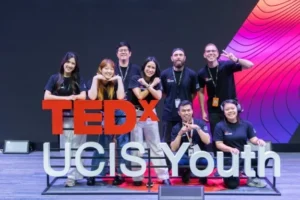
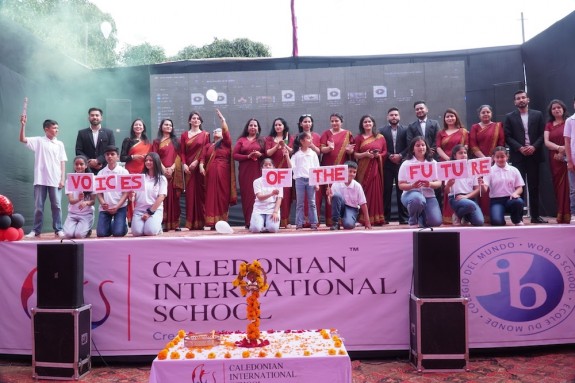
The timeline of Gupta’s development mirrors the structured growth path offered by the TED-Ed framework. In 2024, her school hosted its inaugural TEDx event, an experience she describes as an "awakening." This event served as the testing ground for her leadership capabilities, requiring her to manage professional deadlines and coordinate with high-profile figures from journalism, politics, and social advocacy.

Following this, Gupta participated in the TED-Ed Student Talks program. From a pool of approximately 40 initial candidates, she was among the ten students selected to deliver a formal presentation. Her choice of topic—teen mental health struggles in India—demonstrated a sophisticated understanding of audience segmentation, as she specifically crafted her narrative to resonate with parents. By September 2024, her role had expanded further to student coordinator, where she oversaw complex logistics and speaker scheduling, cementing her role as a primary organizer in her school’s intellectual life.
Data-Driven Impact: The Learning to be Heard Challenge
The launch of TED Summer School was accompanied by the "Learning to be Heard" challenge, an initiative designed to democratize access to the program. The competition required students to submit a one-minute video articulating a message of global significance. The scale of the challenge was substantial, attracting over 2,000 entries from across the globe.
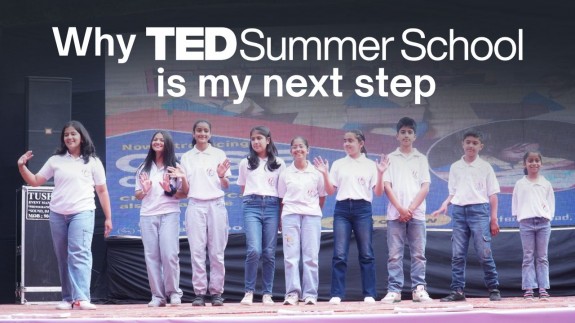
Gupta’s success in this challenge—securing one of only 11 available scholarship positions—underscores the competitive and rigorous nature of the program. Her winning submission focused on the theme of geographic mobility and the psychological barriers associated with small-town origins. By challenging the notion that one’s birthplace dictates their potential, Gupta’s message resonated with the selection panel, highlighting a recurring trend in youth advocacy: the shift from abstract global issues to personal, identity-based narratives.
Expert Pedagogy and Program Structure
TED Summer School differentiates itself from traditional summer programs through a hybrid model that incorporates core theory and direct mentorship. The curriculum focuses on three primary pillars:
- Storytelling Mastery: Techniques to distill broad, complex ideas into concise, impactful narratives.
- Public Speaking Proficiency: Practical sessions aimed at overcoming stage anxiety and optimizing delivery, timing, and audience engagement.
- Leadership and Mentorship: Direct interaction with university-level experts who provide guidance on academic and career planning.
For participants, the program is not merely an educational exercise but a networking platform. The inclusion of students from leading global universities as mentors allows participants to gain insights into higher education environments in cities like Singapore, New York, and London. This access serves as a strategic advantage for students looking to narrow their academic focus and prepare for the transition to university life.
Analysis: The Broader Implications for Youth Education
The emergence of such specialized programs suggests a shift in how educational institutions and non-profits are addressing the "skills gap." While traditional schooling often prioritizes standardized testing and rote memorization, programs like TED Summer School emphasize soft skills—communication, project management, and critical thinking—that are increasingly valued in the modern workforce.
Sociological analysis of student-led discourse platforms indicates that when youth are given a legitimate stage to speak, the resulting content often prioritizes social impact over commercial interest. Participants frequently gravitate toward issues such as mental health, climate change, and socioeconomic inequality, demonstrating a high level of civic engagement. By providing the infrastructure for these conversations to occur, organizations like TED are effectively amplifying the influence of youth in the public square.
Furthermore, the scholarship model implemented by the program addresses a critical hurdle in global education: accessibility. By removing financial barriers, the program ensures that high-achieving students from diverse economic backgrounds can contribute to the global conversation. As noted by participants, the validation provided by such scholarships often serves as a psychological tipping point, shifting a student’s perception of their own potential from "hopeful" to "capable."
Looking Toward the Future
As the cohort for the upcoming TED Summer School gathers in its various global hubs, the focus remains on the long-term outcomes for these students. For individuals like Gupta, the program represents a critical nexus point between personal growth and professional preparation. Beyond the immediate goal of delivering a TED-style talk, the experience is intended to prepare students for the complexities of adult leadership.
The organizers have committed to a follow-up assessment of the participants, aiming to document the longitudinal growth of the students involved. By tracking how these young leaders implement their newfound communication strategies in their respective home countries, the organization hopes to provide a roadmap for future educational initiatives.
The broader impact of this program will likely be seen in the coming years as these students enter higher education and the professional workforce. If the success of the TED-Ed Student Talks is any indication, the ripple effect of these two-week intensives will be measured not just in the number of talks delivered, but in the sustained ability of these individuals to influence policy, initiate community-led projects, and challenge the status quo within their chosen fields.
For those interested in the ongoing development of this initiative, the program remains open for enrollment, with virtual and in-person cohorts continuing to expand its reach. As the landscape of global communication continues to favor those who can articulate clear, ethical, and compelling narratives, the investment in youth voice appears to be one of the most strategic educational interventions of the current decade.