Japan’s Kaguya Mission: A Landmark Achievement in Lunar Exploration and Scientific Discovery

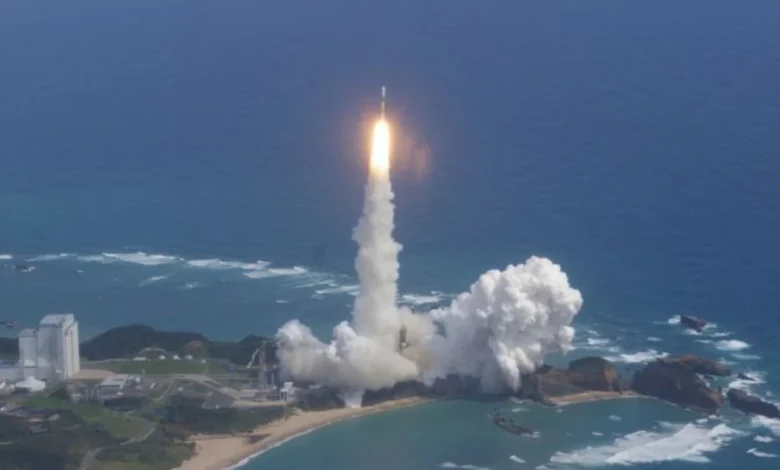
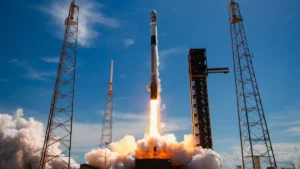
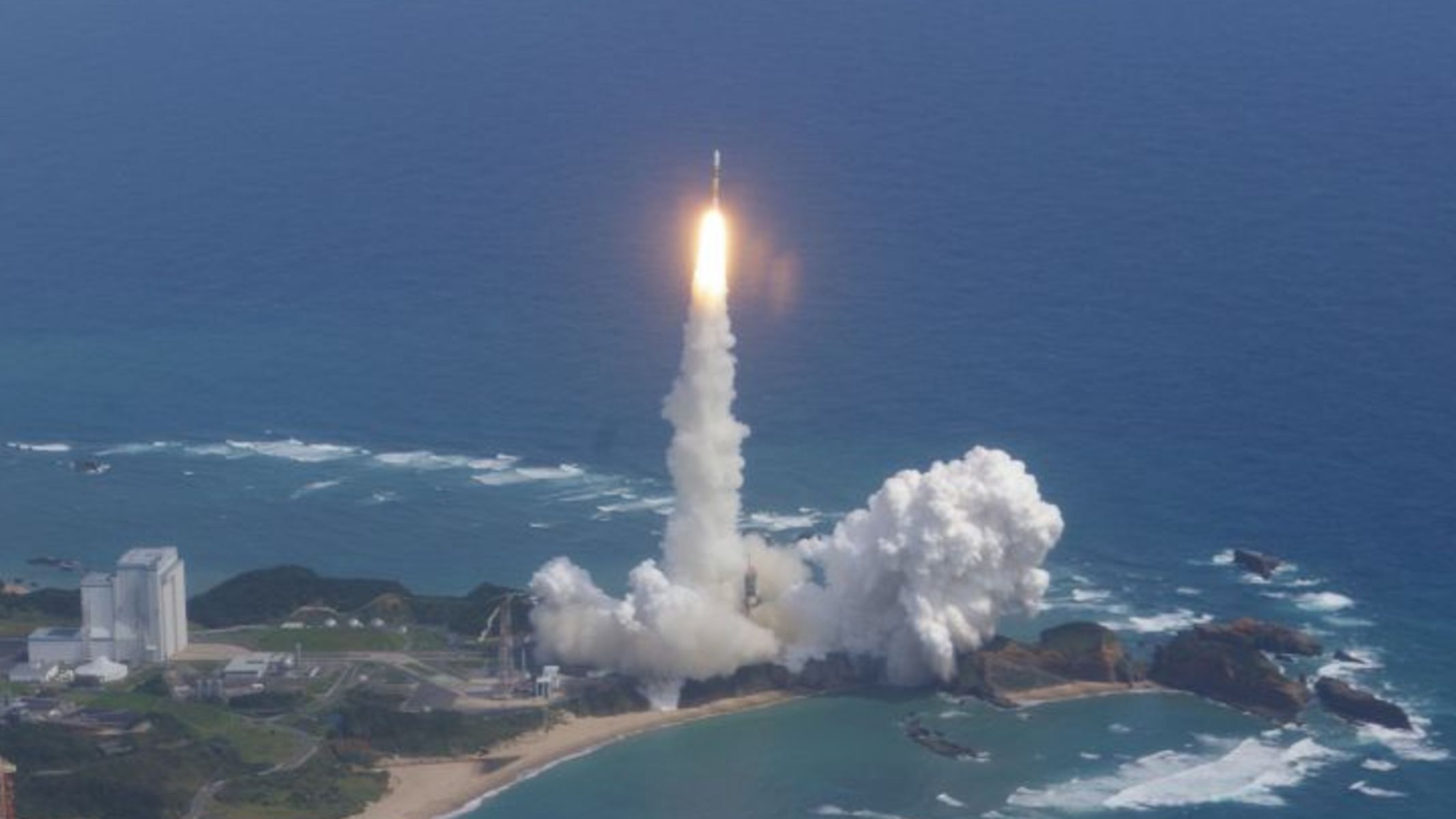
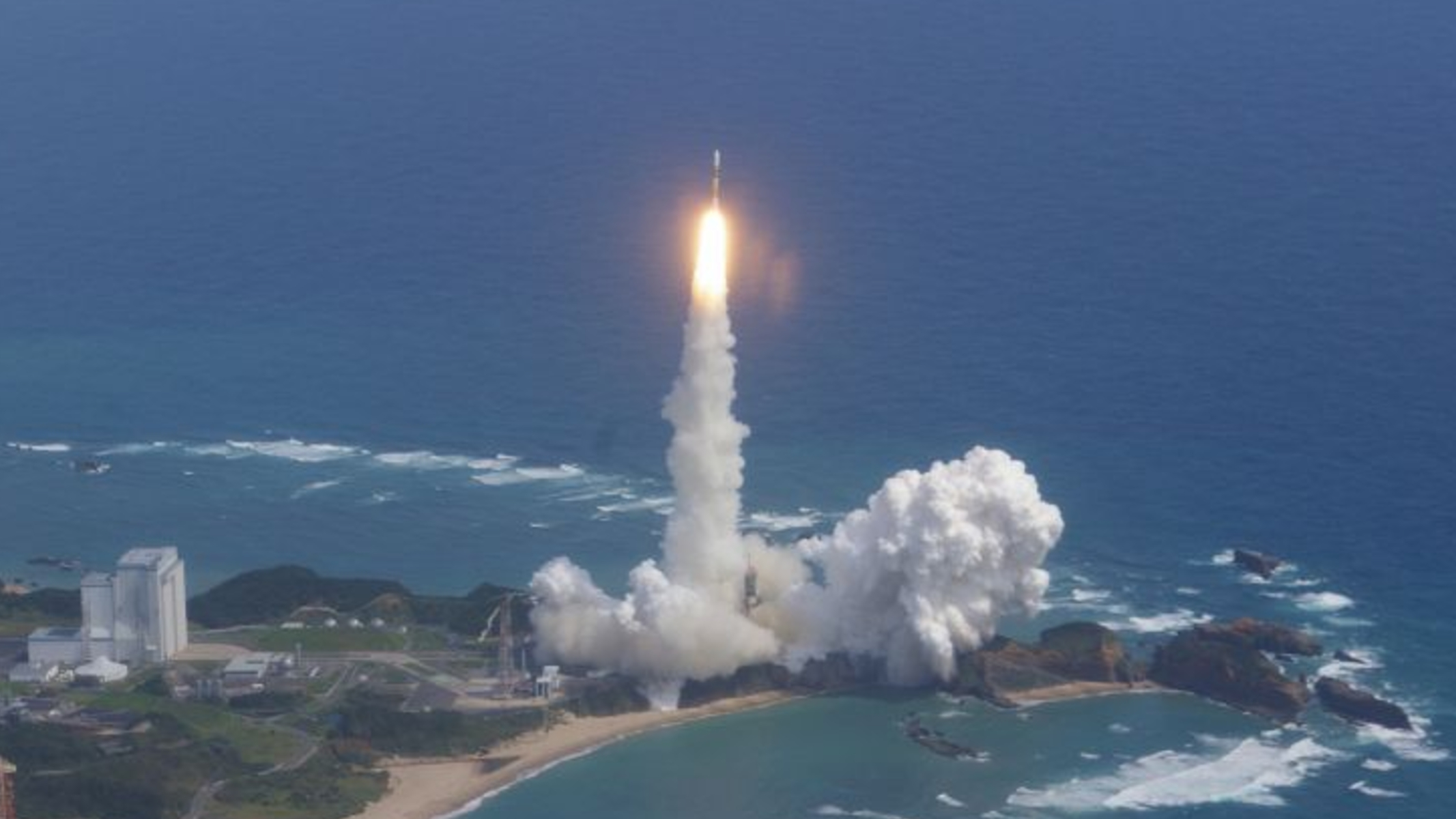
On September 13, 2007, the Japan Aerospace Exploration Agency (JAXA) successfully launched the Kaguya spacecraft from the Tanegashima Space Center, marking a pivotal moment in the history of lunar exploration. Formally designated as the SELenological and ENgineering Explorer (SELENE), the mission represented Japan’s most ambitious attempt to study the moon to date. While the launch occurred at 10:31 a.m. local time on September 14, 2007, at the launch site, it was recorded as September 13 in the evening for observers in Eastern Time. This mission did not merely represent a flight to the lunar vicinity; it was a sophisticated scientific endeavor designed to map the moon’s surface, investigate its interior composition, and analyze its gravitational environment with unprecedented precision.
The Strategic Significance of the SELENE Mission
To understand the gravity of the Kaguya mission, one must look at the historical context of Japan’s space program. Prior to SELENE, Japan had made significant strides with the Hiten mission, which launched in 1990. However, Hiten was fundamentally a technology demonstrator. It operated in a complex, highly elliptical Earth orbit that utilized lunar gravity assists, but it never achieved a formal, stable orbit around the moon.
Kaguya changed this paradigm. By successfully inserting itself into a lunar orbit, Japan became the first nation since the Apollo era to send such a complex, multi-component observatory to our celestial neighbor. The mission was composed of a main orbiter supported by two smaller satellites: Okina, a relay satellite, and Ouna, dedicated to radio source experiments. This "triad" approach allowed for a comprehensive study of the lunar environment, providing data that remains essential to modern planetary science.
Mission Chronology and Operational Milestones
The journey of Kaguya began with a launch aboard the H-IIA rocket, a vehicle that proved its reliability by placing the probe into a precise trajectory. After liftoff, the spacecraft performed two loops around the Earth to calibrate its systems and gain the necessary momentum for a lunar transfer. Following a 20-day transit phase, Kaguya arrived at the moon in late September 2007.
The primary mission objectives were achieved through a carefully orchestrated series of phases:
- Orbital Insertion (October 2007): The main orbiter successfully entered a 100-kilometer circular orbit, providing the platform needed for its 14 scientific instruments.
- Satellite Deployment (October–November 2007): The deployment of the Okina and Ouna microsatellites enabled high-precision measurement of the lunar gravitational field, particularly on the far side of the moon, which is historically difficult to track due to the blockage of direct line-of-sight communications.
- Primary Science Phase (2007–2008): Throughout this period, the spacecraft mapped the moon’s topography and mineralogy.
- Extended Mission and Impact (2009): After completing its primary mission in October 2008, mission planners extended the operations. However, a degradation in the spacecraft’s reaction wheels—vital for attitude control—necessitated a premature end. On February 12, 2009, JAXA controllers executed a controlled descent, directing Kaguya to impact the lunar surface near the Gill Crater.
Scientific Contributions and Technological Impact
The Kaguya mission provided a wealth of data that fundamentally altered our understanding of the lunar landscape. Perhaps the most culturally significant contribution was the capture of the first-ever high-definition (HD) video and imagery of the moon’s surface. These images, including the "Earthrise" sequence, provided a perspective on our home planet that had not been seen with such clarity since the final Apollo missions. Beyond the aesthetic value, these high-resolution cameras provided scientists with an unprecedented look at the lunar regolith and geological features.
Technically, the mission’s legacy is defined by its topographical mapping. Kaguya created the most detailed global map of the moon’s height and terrain to date, which has become the gold standard for landing site selection for subsequent missions, including those by NASA and private entities. Furthermore, the probe performed the first-ever optical observations of the interior of Shackleton Crater. Located at the lunar south pole, the crater’s floor is permanently shadowed and is considered a prime candidate for water-ice deposits. Kaguya’s findings provided critical evidence regarding the potential for such resources, which are essential for future human habitation on the moon.
Institutional Perspectives and Data Integration
The success of Kaguya was a testament to the collaborative nature of international space exploration. NASA, through its participation in the analysis of the mission’s findings, acknowledged that Kaguya’s data on gravitational anomalies on the moon’s far side provided researchers with the first coherent model of the lunar interior’s density distribution.
JAXA officials noted at the time that the mission’s success was not merely about hardware performance but about the ability to sustain long-term, deep-space operations. The public engagement aspect—specifically the naming of the probe after "Kaguya-hime," the legendary moon princess from the 10th-century Japanese folktale The Tale of the Bamboo Cutter—helped foster national pride and global interest in lunar science. This public connection was reinforced by the mission’s open-access policy, where imagery was made available to the public, setting a new precedent for transparency in robotic space exploration.
Implications for Future Lunar Exploration
The implications of the Kaguya mission are still being realized today. As the global space community shifts its focus toward the Artemis program and the establishment of a permanent human presence on the moon, the data gathered by Kaguya serves as the foundational "roadmap."
The mission demonstrated the viability of using relay satellites to maintain communications with the lunar far side—a technique that is now being utilized by multiple space agencies to support robotic rovers and landers in the South Pole-Aitken basin. Furthermore, the lessons learned from the failure of the reaction wheels highlighted the need for more robust, redundant systems for long-duration deep-space missions.
While the probe itself was destroyed upon impact, its scientific legacy persists. The data archived by JAXA continues to be cited in academic journals regarding lunar evolution, volcanism, and the bombardment history of the inner solar system. Kaguya proved that a focused, well-instrumented robotic mission could punch above its weight class, providing a roadmap for lower-cost, high-yield missions that have since become the hallmark of modern space agencies.
A Legacy of Discovery
In the annals of space exploration, Kaguya stands as a bridge between the exploratory missions of the 20th century and the commercialized, multi-national lunar economy of the 21st. It transformed the moon from a distant, mysterious orb into a well-mapped, scientifically accessible destination. By proving that Japan could reliably operate in deep space, Kaguya solidified the nation’s status as a top-tier space power.
The final impact near the Gill Crater was not an end, but a transition. The knowledge gained from the mission has informed nearly every lunar lander mission that followed. As humanity looks forward to the next generation of lunar explorers—those who will eventually walk the surface of the moon once more—the achievements of Kaguya remain a vital part of the intellectual infrastructure that makes those future endeavors possible. The mission serves as a reminder that the pursuit of knowledge, when combined with technical precision and public vision, can bridge the vast, silent distance between Earth and its only natural satellite.