Practical Magic 2 Fails to Charm Professional Critics, Yet Emerges as a Triumph of Cult Nostalgia and Sisterhood

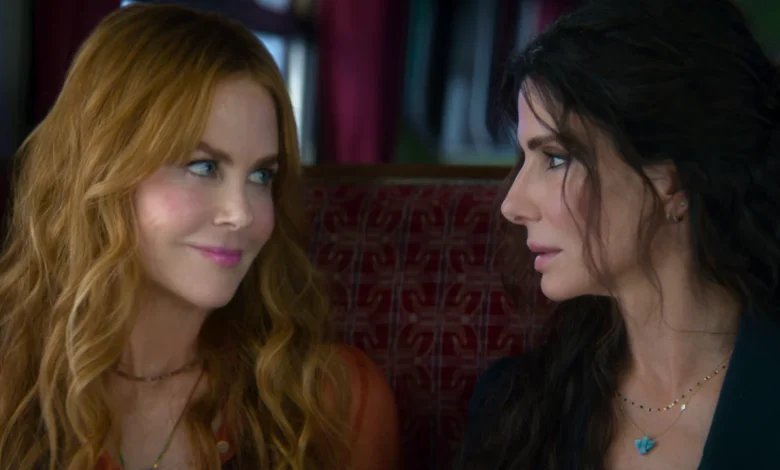
Nearly three decades after the supernatural drama Practical Magic first enchanted audiences, its long-awaited sequel has arrived in theaters, immediately dividing the landscape of contemporary film criticism and dedicated fandom. Directed by Susanne Bier and reuniting original stars Sandra Bullock and Nicole Kidman as the iconic Owens sisters, Sally and Gillian, Practical Magic 2 debuted on review aggregator Rotten Tomatoes with a meager 34 percent critical approval rating. The harsh critical reception mirrors the initial trajectory of the 1998 original, which was similarly dismissed by reviewers upon release before eventually ascending to cult-classic status. Despite complaints regarding the sequel’s runtime, casting changes, and departure from the atmospheric aesthetic of the first installment, the film has found a fiercely loyal audience eager to celebrate its underlying themes of familial loyalty, female solidarity, and enduring sisterhood.
Main Facts and Narrative Premise
Practical Magic 2 picks up the multi-generational narrative 28 years after the events of the original film, adapting elements from Alice Hoffman’s broader literary universe, notably the 2021 novel The Book of Magic. The core plot centers on the enduring centuries-old family curse that dictates any man loved by an Owens woman will meet a premature and often violent death.
The stakes escalate when Sally’s daughters, Kylie (played by Joey King) and Antonia (Maisie Williams), discover not only that they possess magical inheritances of their own, but that the family curse is an active, fatal reality rather than mere folklore. The narrative catalyst occurs when Kylie’s boyfriend, portrayed by Xolo Maridueña, is struck by a vehicle and falls into a persistent coma. Desperate to break the cycle of tragedy, Kylie flees to London, prompting Sally and Gillian to embark on an international rescue and intervention mission. Along the way, the sisters enlist the expertise of a specialized magic historian, played by Lee Pace, attempting to unravel the centuries-old supernatural constraints once and for all.
However, the transition of the narrative setting from the cozy coastal confines of New England to urban London has proven contentious among reviewers and longtime fans alike. The film runs for an extensive 130 minutes—roughly half an hour longer than its predecessor—allowing for expanded subplots involving the younger generation of witches, but drawing scrutiny over pacing and narrative focus.
Chronology and Production Background
The path to Practical Magic 2 represents a decades-long endeavor by studios and producers to capitalize on the enduring intellectual property.
- 1995 to 1998 (The Original Era): Alice Hoffman publishes her bestselling novel Practical Magic in 1995. Warner Bros. adapts the novel into a feature film directed by Griffin Dunne, starring Sandra Bullock and Kidman, which opens in October 1998 to negative critical reviews and modest box office returns, grossing roughly $68 million globally against a $75 million budget.
- The 2000s and 2010s (Cult Status Ascent): Over the next two decades, the film undergoes a cultural re-evaluation. Through repeated home video viewings on VHS, cable television syndication, and annual Halloween viewings, it develops a passionate cult following celebrated for its autumnal aesthetic, quotable dialogue, and memorable supporting performances by Stockard Channing and Dianne Wiest.
- 2021 (Literary Continuation): Alice Hoffman releases The Book of Magic, the final installment in her Owens family book series, providing fresh narrative groundwork for a cinematic continuation.
- 2024 to 2025 (Development and Casting): Studio greenlights Practical Magic 2, bringing in director Susanne Bier. Casting decisions spark public discussion, notably the recasting of Bullock’s adult daughters—originally played by Evan Rachel Wood and Alexandra Artrip—with Joey King and Maisie Williams, necessitated by the character ages dictated by the source material.
- September 2026 (Theatrical Release): The sequel premieres globally, immediately drawing stark contrasts between a lackluster critical consensus and robust opening weekend audience turnout.
Critical Reception Versus Audience Resonance
The severe backlash from professional critics targets several distinct technical and artistic choices within Practical Magic 2. Reviewers have highlighted the film’s harsh, brightly lit cinematography, which contrasts sharply with the moody, shadowed, autumnal atmosphere established by cinematographer Andrew Dunn in the 1998 original. Furthermore, critics note that heavy reliance on computer-generated imagery (CGI) diminishes the tactile, minimalistic magic that grounded the first film.
Casting decisions have also drawn scrutiny. The absence of Evan Rachel Wood and Alexandra Artrip in cameo roles has been noted by entertainment journalists, while the relegation of Xolo Maridueña’s character to a coma-induced state for significant portions of the runtime has been criticized as underutilizing the young actor’s comedic and dramatic presence. Reviewers have additionally taken aim at character portrayals, with some critics arguing that Kidman’s performance leans too heavily into familiar tropes associated with her character’s more carefree, eccentric traits.
Conversely, the audience response paints an entirely different picture. Countering the 34 percent critical score, the film achieved a towering 92 percent audience approval rating on Rotten Tomatoes during its opening weekend, alongside a projected domestic box office debut of approximately $30 million. Fans of the franchise have embraced the movie not as high art, but as a comforting cinematic reunion. The integration of musical nods to artists like Stevie Nicks and Olivia Rodrigo has further galvanized younger demographics and millennial nostalgists alike.
Historical Context of the Original Film’s Reception
The polarization surrounding Practical Magic 2 directly mirrors the reception history of the original 1998 release. In retrospective interviews, producer Denise Di Novi and star Sandra Bullock noted that the first film was heavily penalized by critics upon its theatrical run. Di Novi has frequently recounted instances of institutional sexism within the industry at the time, noting that reviewers frequently complained about the sheer concentration of female actors on screen.
Director Griffin Dunne has similarly defended the original film’s distinct tonal shifts—which blended romantic comedy, domestic drama, and supernatural thriller elements—explaining that the blending of light and dark mirrors the unpredictable nature of real human grief and joy. Dunne’s personal connection to the darker undercurrents of the film, shaped by the tragic murder of his sister Dominique Dunne in 1982, infused the thematic exploration of abusive relationships and protective sisterhood with profound personal weight.
Broader Impact and Industry Implications
The commercial performance of Practical Magic 2 offers valuable insights into the contemporary Hollywood box office ecosystem, which increasingly relies on established intellectual properties and targeted nostalgia to drive theatrical attendance. While traditional critics evaluate sequels through the lens of formal cinematic craft, narrative cohesion, and originality, audiences frequently approach these releases as experiential events and community rituals.
The phenomenon demonstrates that fan allegiance to comfort media transcends conventional critical metrics. By prioritizing emotional continuity, female-centric storytelling, and the celebration of familial bonds over stringent critical acclaim, Practical Magic 2 has successfully galvanized a dedicated demographic. Even as industry analysts debate the artistic merits of legacy sequels, the box office returns and soaring audience scores indicate that the cultural appetite for the Owens family magic remains as potent as ever.