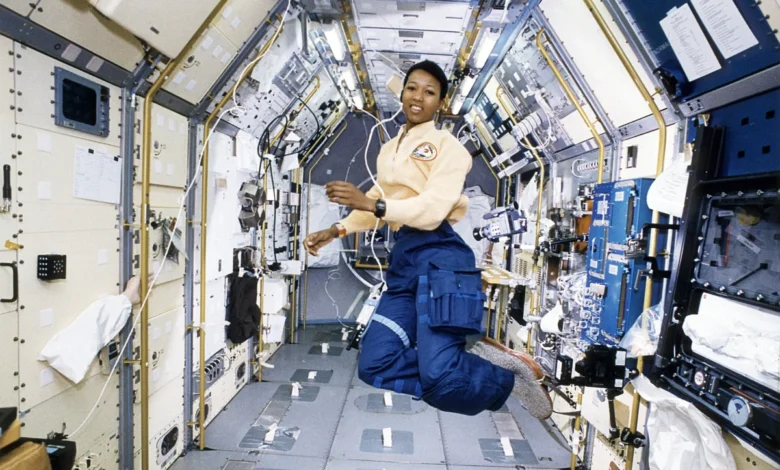
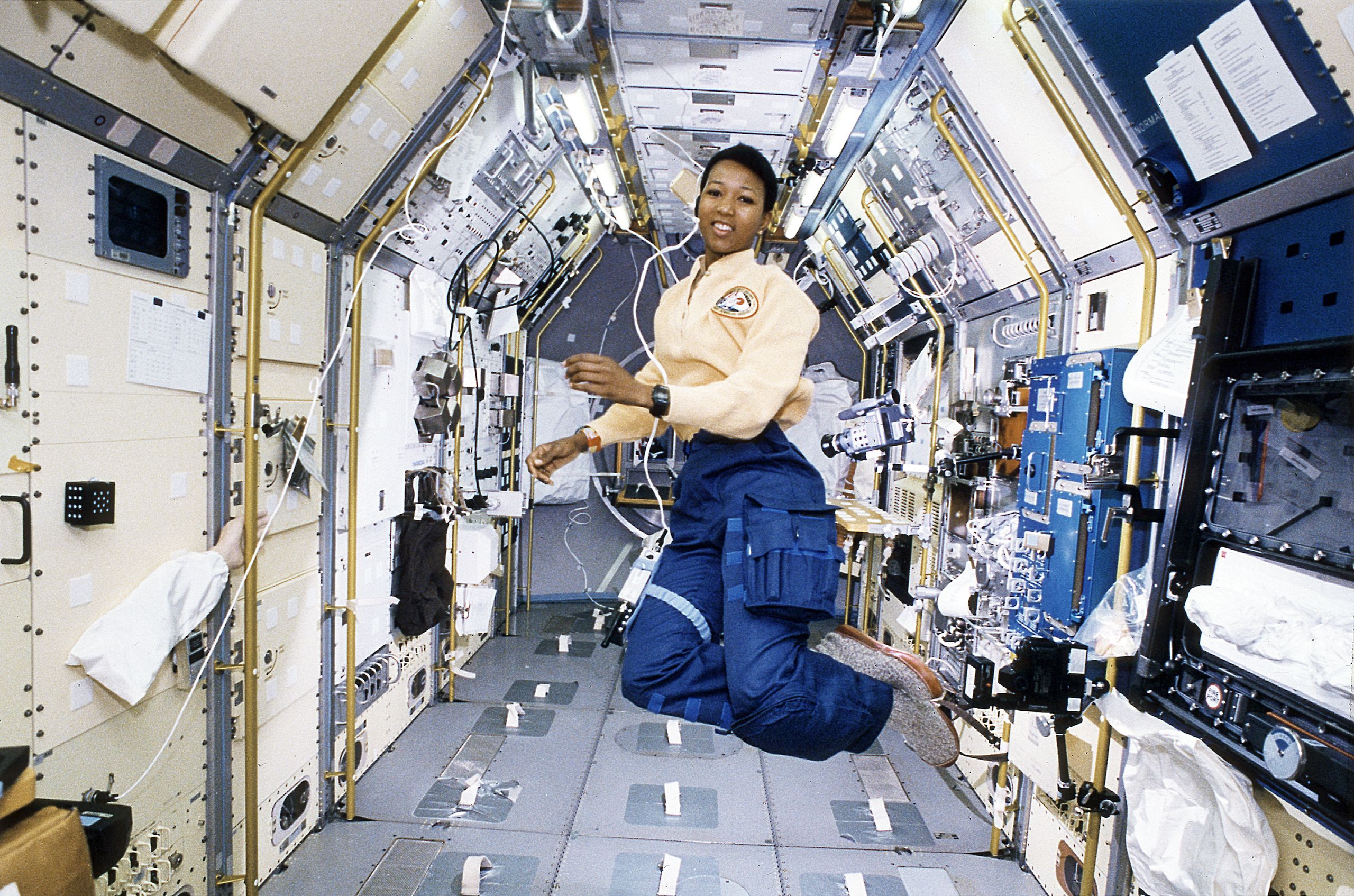
On September 12, 1992, NASA astronaut Mae Jemison etched her name into the history books as the first African American woman to travel into space, launching aboard the Space Shuttle Endeavour for mission STS-47. This landmark flight, which saw the shuttle reach orbit from Kennedy Space Center, represented far more than a technical achievement in aerospace engineering; it served as a powerful symbol of progress for an agency that had, for its first two decades, been defined by a lack of diversity in its astronaut corps. By breaking the dual barriers of race and gender in the vacuum of space, Jemison’s mission marked a pivotal turning point in the demographic evolution of human space exploration.
A Legacy of Institutional Barriers
To understand the significance of Jemison’s flight, one must examine the exclusionary history of the early space age. During the Mercury, Gemini, and Apollo eras, the criteria for astronaut selection were rigidly tethered to military test pilot programs, which were exclusively male and effectively closed to people of color. The demographics of the astronaut office remained homogenous for years, even as the civil rights movement reshaped the social fabric of the United States.
It was not until the space shuttle era—specifically the seventh shuttle mission in 1983—that a woman, Sally Ride, was finally sent to orbit. That same year, Guion Bluford became the first African American man in space. However, these milestones were isolated events. For another nine years, the demographic ceiling remained intact for Black women. When Jemison finally secured her seat on STS-47, she was not merely a passenger; she was an emblem of a changing mandate at NASA, which had begun to aggressively recruit candidates from scientific and medical backgrounds rather than strictly military aviation.
The Path to Orbit: A Multidisciplinary Background
Mae Carol Jemison was born in Decatur, Alabama, in 1956 and raised in Chicago, Illinois. Her trajectory toward the stars was fueled by an insatiable intellectual curiosity and a refusal to be limited by prevailing social expectations. By the age of 16, she had enrolled at Stanford University, where she earned bachelor’s degrees in both chemical engineering and African American studies. She subsequently earned her doctorate in medicine from Cornell University.
Before her selection by NASA in 1987, Jemison demonstrated a commitment to humanitarian service, working as a general practitioner and later serving as the Area Peace Corps Medical Officer for Sierra Leone and Liberia. This background in both hard science and international public health made her an ideal candidate for the role of a mission specialist. Unlike the pilots who flew the shuttle, mission specialists were tasked with the rigorous scientific experimentation that justified the immense costs of the shuttle program. When she joined the astronaut corps, she brought with her a unique perspective that integrated medical expertise with advanced engineering principles.
The STS-47 Mission: Science in Microgravity
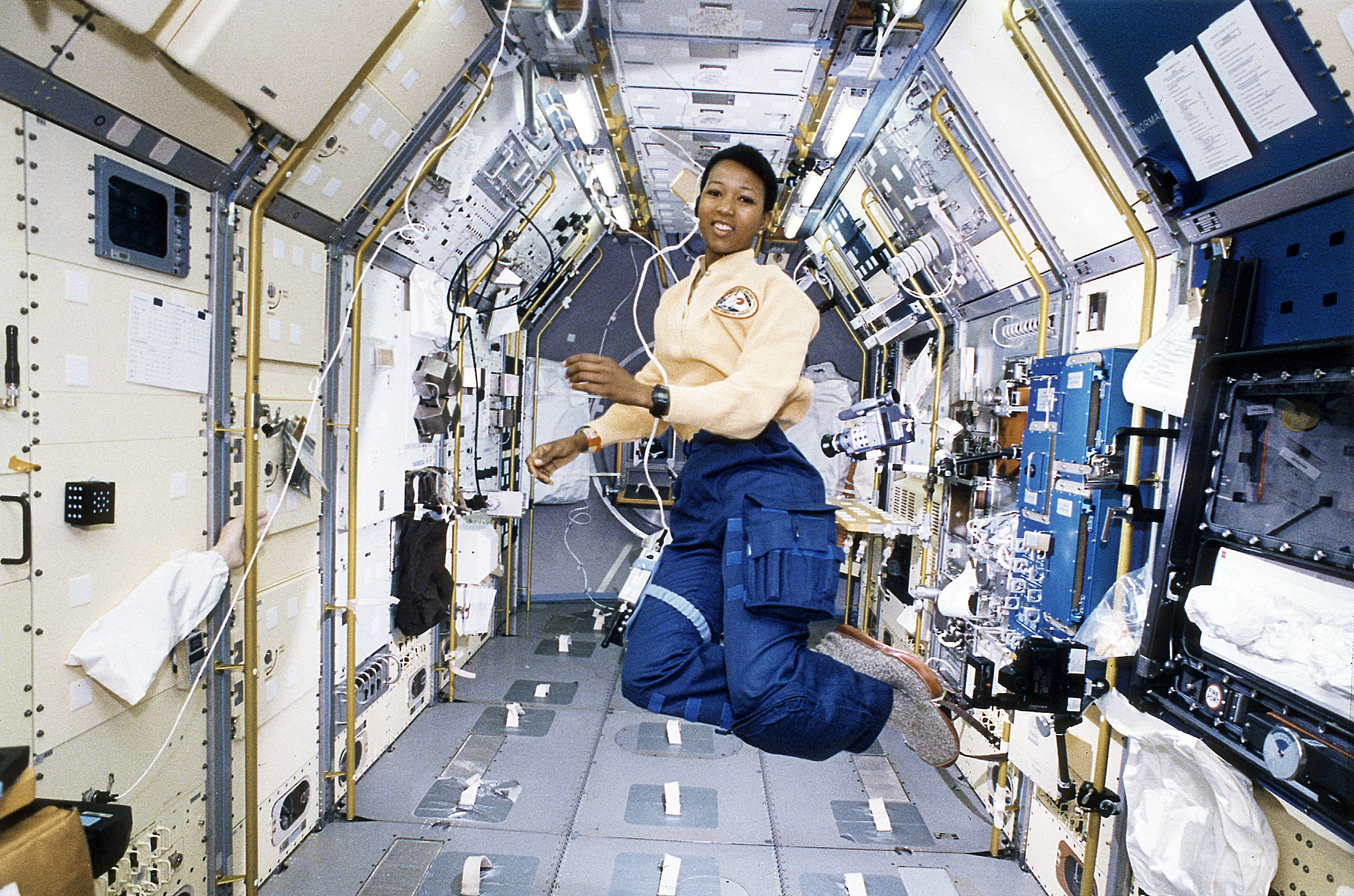
The STS-47 mission, often referred to as the "Spacelab-J" mission, was a collaborative effort between the United States and Japan. The mission was designed to explore the effects of microgravity on various biological and physical systems. During her eight days, 22 hours, and 30 minutes in space, Jemison served as the lead science mission specialist.
Her responsibilities were extensive, involving the management of 44 separate experiments conducted within the Spacelab module. These experiments ranged from material science—studying how different metals reacted in zero gravity—to life sciences, where she acted as a co-investigator for a bone cell research study. The mission demonstrated that the presence of diverse perspectives in the flight deck led to a more nuanced approach to complex scientific problem-solving. By logging over 190 hours in orbit, Jemison proved that the inclusion of non-traditional candidates was not a matter of social engineering, but a functional necessity for the increasingly complex scientific goals of the shuttle program.
Cultural Resonance and the Star Trek Connection
Jemison’s journey was profoundly influenced by her childhood admiration for Nichelle Nichols, the actress who portrayed Lieutenant Nyota Uhura on the original "Star Trek" series. In an era when Black women were rarely represented in positions of authority on television, let alone in science fiction, Uhura provided a vision of the future that Jemison found aspirational.
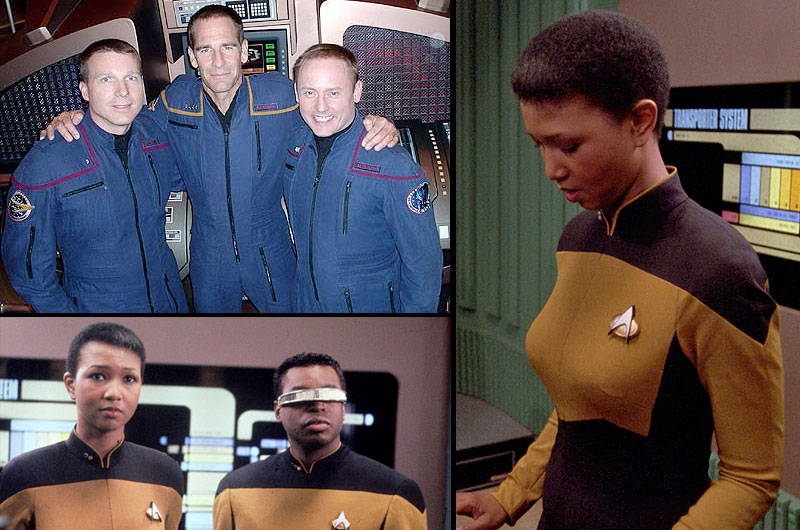
The symmetry of this influence came full circle in 1993, when Jemison made a guest appearance as Lieutenant Palmer on "Star Trek: The Next Generation," becoming the first real-world astronaut to appear on the show. This moment was widely celebrated as a bridge between the dream of space exploration and its reality. It highlighted the importance of media representation in inspiring the next generation of scientists, engineers, and explorers. Jemison has often noted that her early interest in space was nurtured by the belief that space was a domain for all of humanity, a conviction she carried into her professional career.
Post-NASA Contributions and the Future of Exploration
Following her retirement from NASA in 1993, Jemison did not step away from the frontiers of science. She founded the Jemison Group, a technology consulting firm that focused on the intersection of healthcare, social development, and advanced technology. Her work has consistently aimed to bridge the gap between high-level scientific research and the practical needs of developing nations.
Perhaps most notably, Jemison was selected to lead the 100-Year Starship project, an initiative funded by DARPA and NASA to ensure the capabilities for human interstellar travel exist within the next century. Her leadership in this project reflects her enduring belief that the exploration of the cosmos is the ultimate test of human ingenuity. In 2017, her impact was formally recognized by the commercial sector when she was immortalized as a Lego minifigure in the "Women of NASA" set—a small but significant gesture that helps introduce her legacy to children around the world.
The Broader Impact: NASA’s Institutional Evolution
The implications of Jemison’s 1992 flight extend far beyond the history books. Her mission forced a recalibration of what the "ideal" astronaut looked like. In the decades following STS-47, NASA has made significant strides in diversifying its workforce, both on the ground and in space. While the agency still faces challenges in achieving perfect representation, the era where a specific demographic held a monopoly on space flight is firmly in the past.
The selection of diverse crews for the International Space Station and the Artemis program—which aims to land the first woman and the first person of color on the moon—can be traced back to the path cleared by pioneers like Jemison. Her success underscored a fundamental truth: the challenges of space exploration are universal, and the talent required to overcome them is not restricted by race or gender.
Chronology of a Historic Flight
- 1987: Mae Jemison is selected as an astronaut candidate by NASA, one of 15 candidates out of over 2,000 applicants.
- 1988: She completes her training and is qualified for flight as a mission specialist.
- September 12, 1992: Launch of STS-47 aboard the Space Shuttle Endeavour.
- September 12–20, 1992: Jemison conducts extensive research in the Spacelab module, including life science and materials processing experiments.
- September 20, 1992: Endeavour lands at Kennedy Space Center, concluding the mission.
- 1993: Jemison retires from NASA to establish the Jemison Group and makes a cameo appearance on Star Trek: The Next Generation.
- 2017: Jemison is honored as a "Women of NASA" Lego minifigure, cementing her status as an icon of American science.
In summary, Mae Jemison’s role in the 1992 Endeavour mission was a catalyst for change. By blending academic rigor with operational excellence, she dismantled outdated perceptions of who could explore the cosmos. Her life and career serve as a testament to the idea that science is the most effective vehicle for equality, providing a platform where merit, vision, and determination determine the limits of human achievement. As the global space community looks toward Mars and beyond, the foundation laid by Jemison remains an essential component of the industry’s ethical and operational framework.