LG Electronics Faces Major Backlash Over Smart TV Privacy and Audio Surveillance Allegations

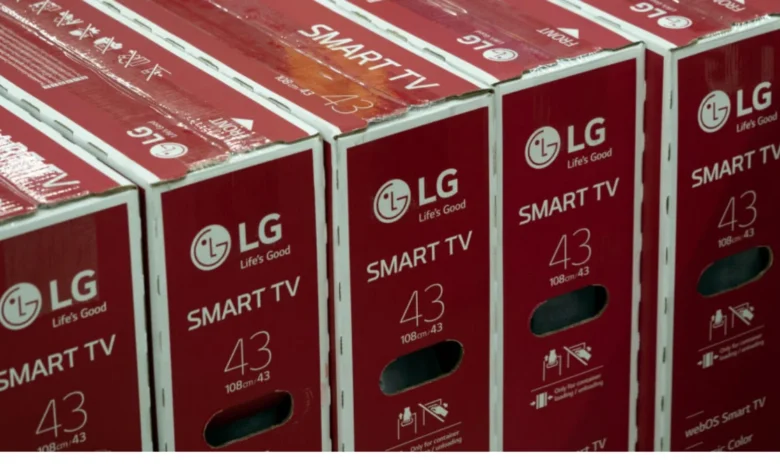
Electronics giant LG has found itself at the center of an intense international controversy following the release of a viral two-hour investigative video report by the popular tech channel Gamers Nexus. The expose raised serious alarms regarding the data collection practices of modern smart televisions, specifically alleging that LG televisions surreptitiously record user audio even when the display is powered down. Furthermore, the report claimed the devices harvest a broad spectrum of telemetry, including detailed inventories of networked devices, precise location data, and extensive wireless network metadata.
The allegations have struck a nerve among privacy advocates, technology enthusiasts, and everyday consumers alike. In the wake of the initial report, the digital ecosystem responded swiftly. Dozens of reaction and educational videos flooded platforms like YouTube, featuring titles such as How to Stop Smart TV Spying and LG Isn’t the Only TV Company Spying on You. These follow-up analyses were produced by respected independent channels, including Linus Tech Tips and RTINGS, underscoring the widespread anxiety surrounding how ambient listening technologies and smart home devices handle sensitive consumer data.
As public pressure mounted and consumer confidence wavered, LG initiated a formal PR and communications counteroffensive. The company categorically denied the accusations across multiple mainstream news networks and published an official statement on its corporate website. Titled Understanding Privacy on LG Smart TVs, the publication attempts to dispel what the manufacturer characterizes as misinformation and misunderstandings regarding its proprietary operating systems and background telemetry collection mechanisms.
The Anatomy of the Allegations
The core of the controversy stems from the deep integration of artificial intelligence, speech recognition software, and automated telemetry in modern living room hardware. According to the Gamers Nexus investigation, the passive listening capabilities of smart televisions present a hidden vulnerability. Consumers purchase these devices expecting traditional display panels supplemented by streaming applications, rarely considering that their television sets function much like always-listening smart speakers or smartphones.
The report detailed how LG smart TVs purportedly capture audio feeds without clear, explicit, and continuous indication to the user. Beyond audio tracking, the investigation highlighted the expansive scope of network-level data collection. Smart televisions routinely scan local area networks to identify connected smartphones, laptops, tablets, Internet of Things (IoT) gadgets, and network-attached storage units. This capability allows manufacturers and third-party partners to build comprehensive topological maps of consumer households, gathering data points that extend far beyond standard entertainment consumption habits.
Compounding these concerns is the integration of Automatic Content Recognition, commonly known as ACR. ACR technology captures visual and audio fingerprints of whatever is playing on the screen—whether it is cable television, a streaming service, a video game console, or home media—and matches it against a database to identify the specific content. While ACR is ostensibly utilized to generate personalized content recommendations and targeted advertising, critics argue it operates as a persistent surveillance mechanism that tracks domestic habits without adequately transparent consent mechanisms during initial device setup.
The Broader Tech Ecosystem Response
The fallout from the LG investigation quickly transcended a single manufacturer, transforming into an industry-wide reckoning. As tech reviewers and data privacy researchers began auditing other major television brands, it became increasingly clear that LG is not an isolated actor. Major competitors including Samsung, Sony, TCL, and Vizio employ similar data-harvesting frameworks embedded within their respective smart TV platforms, such as Google TV, Roku OS, Amazon Fire TV, and proprietary interfaces like webOS.
Channels like RTINGS emphasized in their analyses that consumers are frequently presented with long, impenetrable End User License Agreements (EULAs) during the initial unboxing and configuration phase of modern televisions. These agreements often bundle essential operational functionality with mandatory data-sharing clauses. Opting out of data collection can sometimes result in crippled software functionality, slower menu navigation, or the complete inability to access internet-connected features, leaving consumers with a false dichotomy between privacy and basic usability.
LG Official Defense and Technical Clarifications
Faced with mounting consumer skepticism and potential regulatory scrutiny, LG issued a comprehensive technical breakdown to refute the surveillance claims. The company’s official statement explicitly addresses the mechanics of its voice recognition and audio processing architecture.
"LG smart TVs do not continuously record or transmit users’ conversations," the company stated. According to LG, speech-to-text processing is strictly gated, initiating exclusively when an end user actively engages a voice interaction pathway. This activation requires either uttering a supported wake-word or physically pressing the designated voice or artificial intelligence button on the remote control.
The manufacturer elaborated on how local hardware handles audio signals prior to activation. Audio data utilized strictly for wake-word detection is processed locally on the television’s internal hardware chipsets. If the system fails to detect a recognized wake word, the captured audio buffer is discarded—it is never converted to text, never stored in local memory, and never transmitted across the internet to external servers.
Furthermore, LG clarified that voice-recognition results and corresponding technical diagnostic logs are generated exclusively during the processing of an explicit voice command. The company maintains that these records are tied strictly to isolated voice interactions and do not serve as proof or indication of continuous recording of ambient conversations occurring outside of an active voice recognition session.
Addressing offline data retention, LG stated that speech-recognition results may be leveraged to optimize voice-related features over time, but explicitly denied that these logs are uploaded retroactively when the television reconnects to the internet after an offline period. Regarding invasive features like Automatic Content Recognition, LG emphasized that these tracking mechanisms are entirely optional, giving users the ability to navigate through system settings to disable data collection permissions.
Lingering Questions and Semantic Scrutiny
Despite LG’s definitive denials, digital privacy experts, legal scholars, and tech journalists have raised valid concerns regarding the precise wording of the company’s public statements. Linguistic analysis of corporate damage-control communications often reveals strategic ambiguities, and the LG controversy is no exception.
Industry observers quickly pointed out a critical semantic nuance in LG’s defense. The company’s statement asserts that "LG smart TVs do not continuously record or transmit users’ conversations." Privacy advocates argue that this phrasing leaves open troubling possibilities. If the hardware does not record continuously, does it record intermittently? Does the system capture audio snippets on a timed loop, buffer them locally, and transmit data packets under specific proprietary triggers that fall outside the narrow legal definition of a "continuous conversation"?
Moreover, the distinction between active voice commands and background telemetry remains murky to the average consumer. Even if direct audio recording is strictly regulated by wake words, the continuous collection of Wi-Fi metadata, local device inventories, and ACR viewing habits represents a significant accumulation of behavioral profiling data. Critics argue that transparency regarding these auxiliary data streams remains severely lacking during the standard consumer setup process.
A Chronology of the Controversy
The unfolding of the LG smart television privacy debate highlights the rapid speed at which independent investigative journalism can disrupt corporate narratives in the digital age.
Phase One: The Investigation and Release. Technology review channel Gamers Nexus spends months auditing the software behavior, network traffic, and hardware functionality of modern smart televisions. The resulting two-hour documentary-style report is published, detailing hidden telemetry, local device mapping, and suspected audio surveillance.
Phase Two: Viral Amplification. Within days of publication, the video achieves viral status within the global tech community. Major content creators, including Linus Tech Tips and RTINGS, release complementary analysis and troubleshooting guides, instructing consumers on how to disable tracking features and firewall their smart home networks.
Phase Three: Consumer Backlash and Regulatory Whispers. Public outcry intensifies across social media platforms, Reddit, and consumer advocacy forums. Calls for legislative audits and stricter enforcement of data privacy laws, such as the European Union’s General Data Protection Regulation (GDPR) and the California Consumer Privacy Act (CCPA), begin to circulate among legal experts.
Phase Four: Corporate Rebuttal. LG responds directly to the escalating crisis by deploying PR representatives to news networks and publishing an official corporate statement titled Understanding Privacy on LG Smart TVs, attempting to clarify technical processes and reassure the public.
Phase Five: Ongoing Debate and Industry Reckoning. Despite LG’s formal denials, trust has been damaged. Privacy advocates continue to scrutinize corporate telemetry policies, driving a broader conversation regarding consumer rights in the Internet of Things era.
Implications for the Smart Home Industry
The LG surveillance controversy serves as a stark reminder of the hidden trade-offs embedded within modern consumer electronics. As hardware manufacturers transition their business models from one-time hardware sales to recurring subscription services, targeted advertising ecosystems, and data monetization, the consumer acts as both user and product.
Smart televisions, once passive display monitors connected to external aerials or cable boxes, have evolved into sophisticated computing hubs equipped with microphones, cameras, high-performance processors, and advanced networking capabilities. They sit in the most intimate spaces of the home—living rooms, bedrooms, and dens—gathering data around the clock.
The economic incentive for manufacturers to collect and monetize user data is immense. Advertisers pay premium rates for granular insights into household viewing habits, lifestyle demographics, and connected device ecosystems. However, this economic model frequently stands in direct opposition to consumer privacy expectations.
Moving forward, this controversy highlights the urgent need for structural reform in how consumer electronics are regulated and marketed. Key areas requiring immediate attention include:
Simplified Consent Frameworks: EULAs and privacy policies must be overhauled to provide clear, plain-language disclosures during initial device setup, avoiding deceptive UI patterns (dark patterns) that nudge users into opting into invasive data tracking.
Granular Opt-Outs by Default: Privacy-invasive features, including Automatic Content Recognition and telemetry reporting, should be disabled by default, requiring explicit, affirmative opt-in consent from the consumer rather than burying the settings deep within nested menus.
Independent Software Audits: Hardware manufacturers should submit their smart TV operating systems to routine, independent third-party source code audits and network traffic analyses to verify compliance with privacy claims.
Regulatory Enforcement: Governments must strengthen and rigorously enforce privacy legislation specifically tailored to IoT devices and smart home hardware, imposing substantial penalties for unauthorized data harvesting and opaque telemetry collection.
Conclusion
The confrontation between LG Electronics and the tech consumer base over smart television audio monitoring and data collection is unlikely to be the last of its kind. It underscores a fundamental systemic tension in the modern digital economy: the delicate, often contentious balance between technological convenience and personal privacy.
While LG has forcefully defended its engineering practices and denied continuous audio surveillance, the intense public reaction demonstrates that consumer trust is fragile. In the future, industry leaders would be well-served to embrace radical transparency and proactive privacy protections, ensuring that vital conversations regarding consumer rights take place transparently at the design stage, rather than reactively in the shadow of major public trust violations.
Related posts: