The Ultimate Local Guide to Finding the Best Vancouver Airbnbs and Neighborhood Stays for Your Next Pacific Northwest Getaway

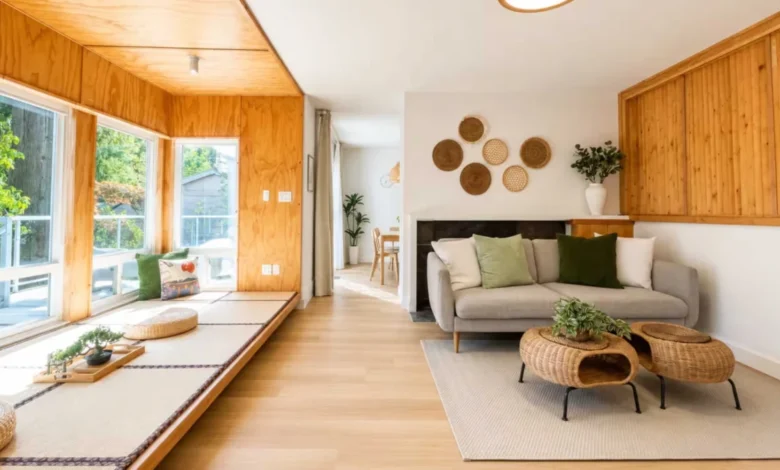
Vancouver continues to solidify its reputation as one of the world’s most liveable and visually stunning metropolitan centers, drawing millions of visitors annually who seek a seamless blend of urban sophistication and rugged Pacific Northwest wilderness. Yet, for travelers looking to bypass the standardized hospitality of traditional downtown hotels, the true essence of British Columbia’s largest city is most authentically experienced within its diverse, distinct neighborhoods. Born-and-raised locals often emphasize that the city’s heartbeat lies well beyond the high-rises of the central business district. By embedding oneself in residential communities ranging from the bohemian corridors of Commercial Drive to the sun-drenched shores of Kitsilano, visitors gain unprecedented access to Vancouver’s celebrated culinary scene, immersive cultural touchstones, and proximity to nature. Consequently, booking a short-term rental through platforms like Airbnb has emerged as a premier lodging strategy for travelers aiming to navigate the city less like tourists and more like residents.
The Evolution of Short-Term Rentals in Vancouver’s Hospitality Ecosystem
The rise of residential-style accommodations in Vancouver coincides with broader shifts in global travel preferences, where authenticity, space, and neighborhood integration frequently outweigh conventional hotel amenities. Over the past decade, British Columbia and the City of Vancouver have instituted rigorous regulatory frameworks governing short-term rentals to balance tourism demands with local housing availability. Under current municipal bylaws, hosts must display a valid business license and ensure the property serves as their principal residence. This regulatory landscape has not only stabilized the local housing market but has also elevated the quality and legitimacy of available listings. Today, vetted properties carrying Superhost and Guest Favorite designations represent a curated tier of accommodations that meet stringent cleanliness, safety, and hospitality standards.
Navigating Vancouver’s Diverse Neighborhoods Through Residential Stays
Choosing the right neighborhood in Vancouver depends largely on an individual traveler’s itinerary, pace, and lifestyle preferences. For those seeking coastal relaxation paired with an active outdoor lifestyle, Kitsilano remains an unrivaled destination. Situated just across False Creek from downtown, "Kits" offers immediate access to the expansive sands of Kitsilano Beach, seaside cycling paths, and a dense concentration of organic cafes, yoga studios, and indie boutiques.
Conversely, travelers drawn to architectural history and maritime charm frequently gravitate toward Gastown. As Vancouver’s oldest neighborhood, Gastown preserves its nineteenth-century character through cobblestone streets, wrought-iron lampposts, and the famous steam-powered clock that chimes every quarter-hour. Staying in a converted industrial loft here places visitors amid avant-garde fashion houses, innovative cocktail lounges, and cutting-edge dining establishments.
For a completely different urban flavor, Commercial Drive—affectionately known by locals as "The Drive"—offers a multicultural, bohemian enclave deeply rooted in the city’s Italian heritage. Visitors staying in this East Vancouver neighborhood are steps away from artisanal bakeries, independent bookstores, and vibrant community parks. Meanwhile, travelers seeking tranquility often look toward Shaughnessy, a historic, leafy residential district characterized by sprawling heritage homes, manicured gardens, and quiet avenues that feel worlds away from the city’s busier commercial zones.
Transit Integration and Accessibility for Visitors
A common concern for travelers opting for residential stays outside the downtown core is transportation. However, Vancouver boasts one of the most cohesive and efficient public transit networks in North America, managed by TransLink. The system integrates the driverless SkyTrain rapid transit network, an extensive bus grid, and the SeaBus passenger ferry, which connects downtown to the North Shore in approximately twelve minutes.
Neighborhoods such as Mount Pleasant, Fairview, and Commercial-Broadway are exceptionally well-serviced by rapid transit lines, enabling visitors to move seamlessly from residential districts to cultural hubs like Granville Island or the expansive green spaces of Stanley Park without the necessity of a personal vehicle. For excursions further afield—such as scenic drives along the Sea-to-Sky Highway toward Whistler or ferry crossings to Vancouver Island—car rental services and accessible rideshare platforms complement the public transit infrastructure, ensuring that no part of the region is out of reach.
Optimizing Your Itinerary: Recommended Duration and Key Attractions
Tourism authorities and seasoned travel coordinators generally recommend a minimum stay of three to four days to adequately experience Vancouver’s dual identity as a bustling metropolis and an outdoor playground. A balanced itinerary typically allocates the initial days to urban exploration—visiting world-class institutions like the Museum of Anthropology at the University of British Columbia, touring the public markets of Granville Island, and sampling Pacific Northwest cuisine.
Subsequent days are frequently dedicated to outdoor recreation. Cycling the 17-mile Stanley Park Seawall, paddleboarding along the False Creek inlet, or hiking the forested trails of the North Shore mountains provide essential context for the city’s deep environmental consciousness. For first-time visitors, iconic landmarks such as the Capilano Suspension Bridge and the Grouse Mountain Skyride offer accessible yet breathtaking introductions to the region’s dramatic topography.
Economic and Cultural Implications of Neighborhood Tourism
The growing preference for neighborhood-based short-term rentals has yielded measurable economic impacts across Vancouver’s outer boroughs. Unlike traditional tourism, which concentrates economic activity heavily within the downtown hotel district, residential stays distribute visitor spending directly into local independent businesses, neighborhood cafes, and community-based enterprises. This decentralization supports micro-economies throughout East Vancouver, Kitsilano, and Mount Pleasant, fostering a more sustainable tourism model that aligns with municipal goals of equitable economic development.
Furthermore, staying in residential areas encourages cultural exchange between visitors and residents, offering travelers a nuanced understanding of Vancouver’s multicultural fabric, indigenous heritage, and progressive civic values. As the city continues to refine its tourism strategies, neighborhood lodging will undoubtedly remain a cornerstone for travelers seeking a deeper, more authentic connection to the Pacific Northwest.