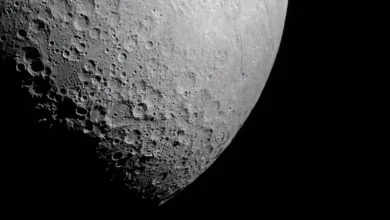
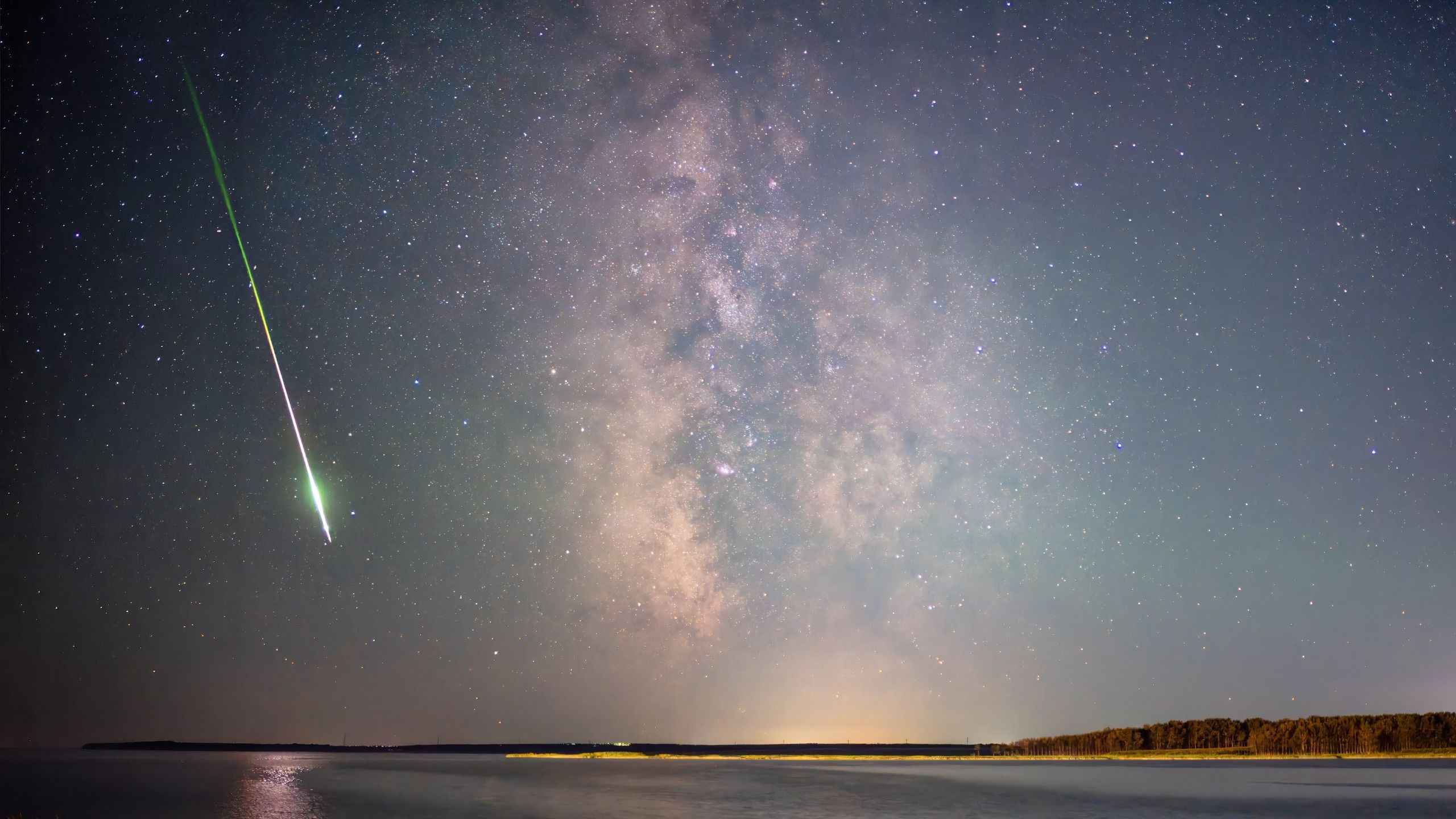
On April 1, 2026, a massive fireball, scientifically classified as a bolide, erupted in the upper atmosphere high above the South Atlantic Ocean off the coast of Argentina. This event, while occurring in a remote location, was captured by a sophisticated array of U.S. military space-based sensors and civilian meteorological satellites. The incident serves as a significant case study in the modern practice of planetary defense, highlighting how the integration of disparate data streams—from space-based lightning imagers to ground-based seismic stations—is revolutionizing our ability to track, analyze, and understand the nature of objects entering Earth’s atmosphere.
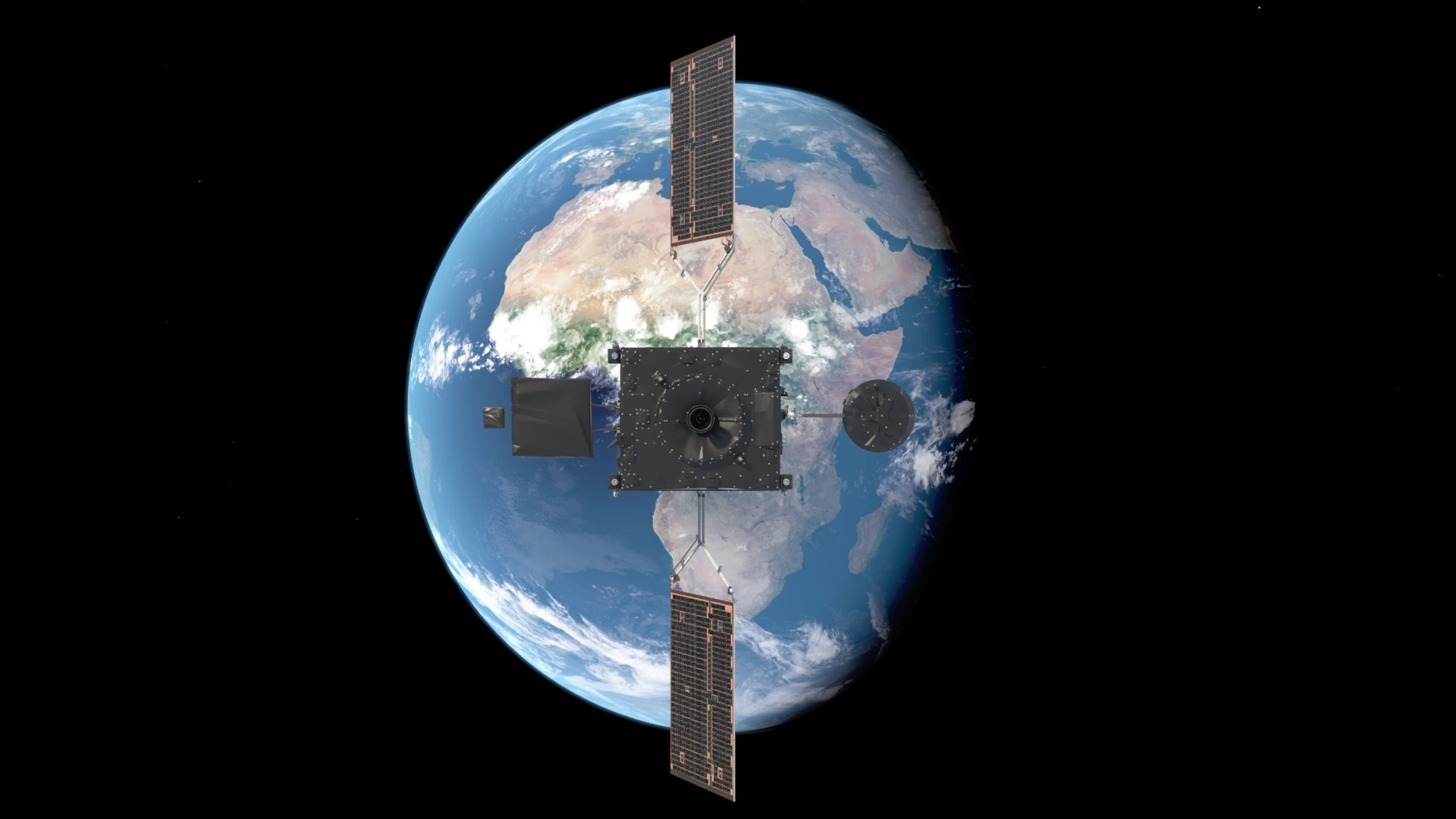
The fireball reached its peak luminosity at an altitude of approximately 60 miles (90.5 kilometers), a height where the thinning atmosphere begins to interact violently with incoming space rocks. While historically such events in remote oceanic regions might have gone unnoticed or been misinterpreted, the modern satellite architecture ensured that this bolide was recorded with high fidelity. The National Atmospheric and Oceanic Administration’s (NOAA) GOES-E satellite and the European Organisation for the Exploitation of Meteorological Satellites’ (EUMETSAT) Meteosat Third Generation (MTG) Imager-1 were instrumental in this observation. By utilizing onboard lightning-detection technology, these geostationary sentinels provided independent, cross-validated data that allowed scientists to characterize the object’s trajectory and energy output.
A Growing Network of Observation
The successful detection of the April 2026 event is part of a broader, accelerating trend in atmospheric science. For decades, the primary responsibility for tracking high-energy atmospheric entries fell to specialized, often classified, U.S. government sensors designed to monitor for nuclear detonations. While these sensors remain a critical pillar of planetary defense, the democratization of data—facilitated by civilian platforms—has introduced a new layer of transparency and scientific depth.
Elizabeth Silber, a senior research and development physicist at the U.S. Department of Energy’s Sandia National Laboratories, notes that the evolution of observation technology is changing the fundamental approach to bolide research. "For many fireballs, U.S. Government detections reported through NASA’s CNEOS database provide an important starting point by establishing that an event occurred and, in many cases, providing basic parameters such as location, time, and estimated energy," Silber explains. However, she emphasizes that the true power lies in the integration of civilian sensors, which act as a vital validation layer. When these systems are combined, they provide a comprehensive "post-event reconstruction" that allows researchers to determine if a fragment survived the heat of reentry, the specific fragmentation pattern of the bolide, and the total kinetic energy released upon impact.
Case Study: The Alaska Seismoacoustic Dataset
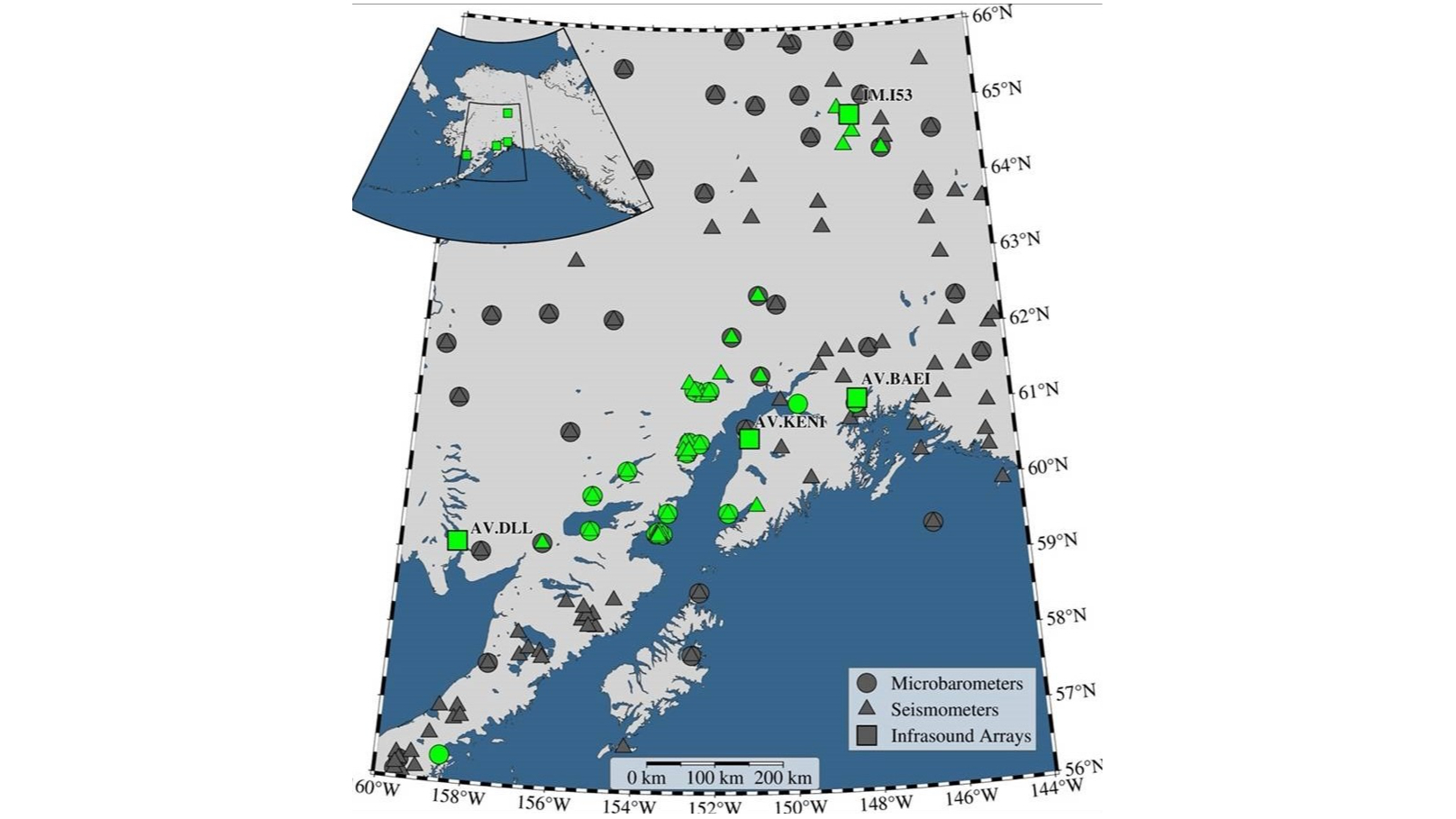
The necessity of this multi-modal approach was proven during a significant, unpredicted fireball event that occurred over south-central Alaska on April 24, 2025. Unlike the South Atlantic bolide, which was tracked by orbital sensors, the Alaska event was largely reconstructed through a dense, terrestrial network of instruments.
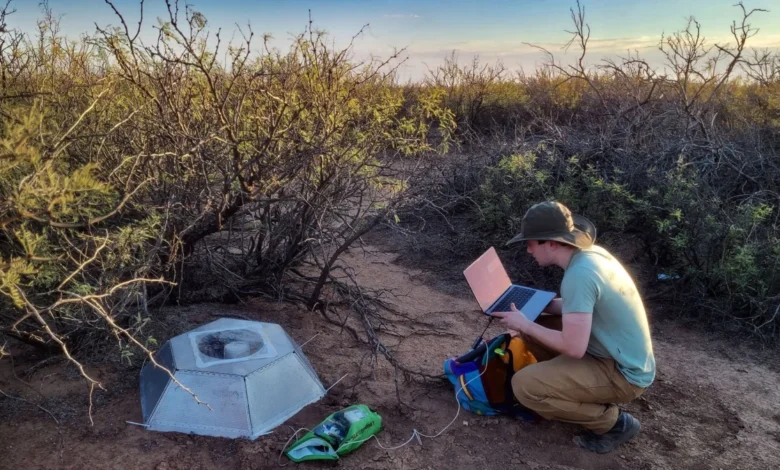
This event yielded one of the most comprehensive seismoacoustic datasets in the history of meteor science. Researchers deployed a configuration of 37 seismic stations, 16 single infrasound sensors, and four infrasound arrays to record the event. The data collection was exhaustive, capturing 30 ballistic and multiple fragmentation arrivals. This ground-level data was then cross-referenced with Doppler weather radar, which successfully tracked the debris of the fireball as it descended, and independent optical video footage provided by civilian observers.
The Alaska incident demonstrates that when government-level orbital data is absent, a sufficiently dense civilian network can provide a surprisingly precise reconstruction. This redundancy is essential for the scientific community, as it ensures that "hard rain"—the influx of smaller, potentially hazardous extraterrestrial material—is monitored regardless of whether it triggers a classified military alert.
The Queensland Superbolide and Energetic Benchmarks
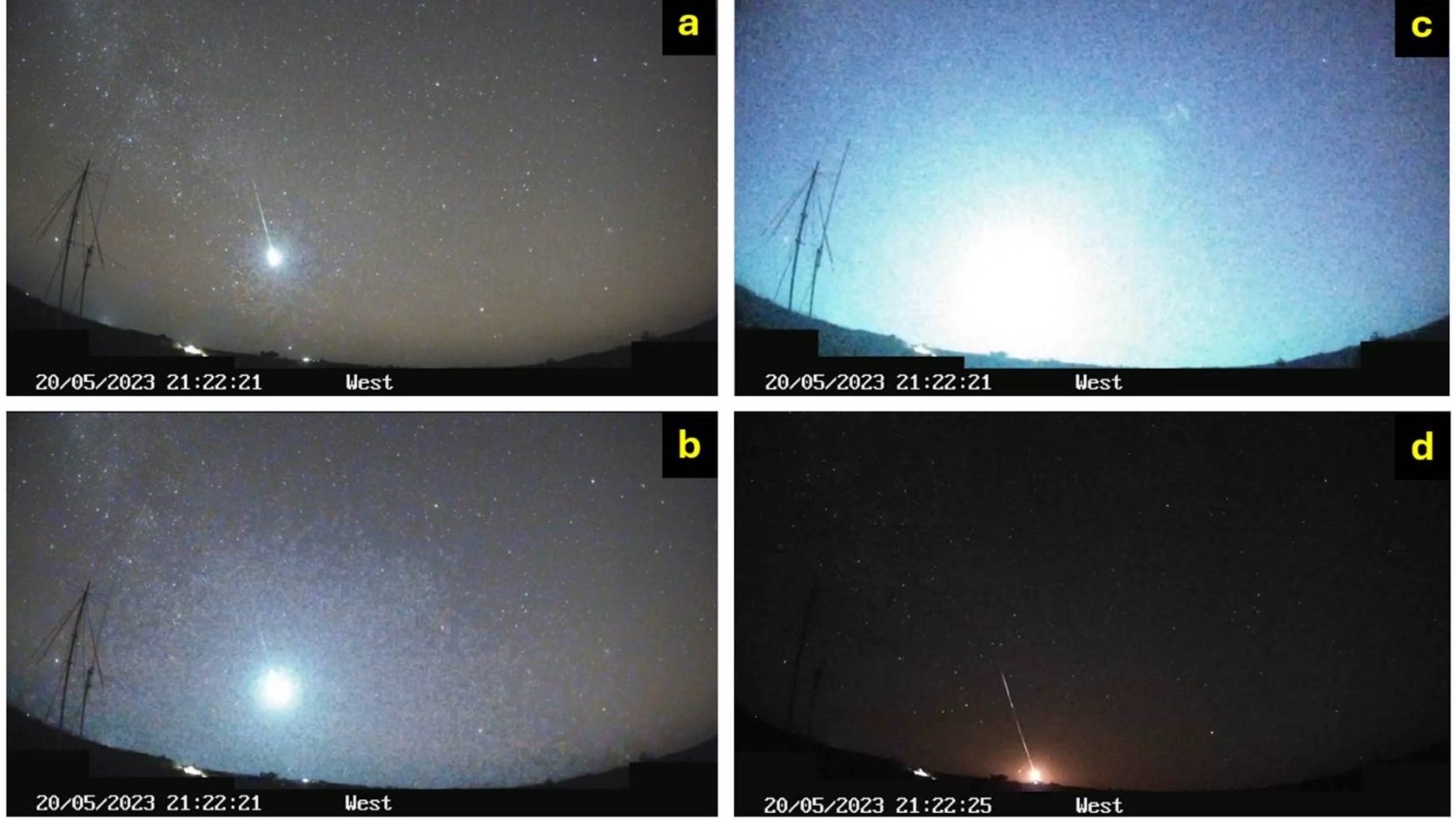
Further illustrating the volatility of our skies, a significant bolide event occurred on May 20, 2023, over northwest Queensland, Australia. This object, estimated to be roughly 12 feet (3.7 meters) in diameter, entered the atmosphere with enough force to create a series of powerful sonic booms that rattled the region.
Analysis later confirmed that the object underwent "catastrophic fragmentation," an energetic event that ranks among the top 20 most powerful impacts recorded by NASA’s Center for Near-Earth Object Studies (CNEOS) since 1988. The energy released was equivalent to a 7.1-kiloton bomb. Because the event was caught by both U.S. space-based sensors and ground-based optical cameras, it provided a rare opportunity for scientists to calibrate their models regarding how such objects break apart under extreme aerodynamic pressure.
Implications for Global Security and Planetary Defense
The technical advancements in bolide detection carry profound geopolitical implications. Rob Landis, a planetary defense specialist formerly with NASA’s Johnson Space Center, highlights the necessity of accurate, transparent identification of these events. "It would be a horrific tragedy if any nation responded to a natural event—if they misinterpret it as a preemptive strike," Landis warns.
In an era of heightened global tensions, the ability to rapidly distinguish between a natural bolide and an artificial reentry—such as a failing satellite or a missile test—is a matter of international security. By utilizing civilian-accessible lightning imagers and scientific sensor networks, the global community can foster a shared understanding of atmospheric events. This transparency helps ensure that meteor showers and bolide entries are recognized as the natural, often beautiful phenomena they are, rather than precursors to conflict.
The Future of Atmospheric Monitoring
As we look toward the future, the integration of data from disparate sources will become even more refined. The current "real-world tests" provided by these atmospheric entries are feeding into sophisticated models at institutions like CNEOS and the Planetary Defense Coordination Office. These models are not merely academic; they are the foundation for future collision avoidance and impact assessment.
The shift toward "multi-sensor situational awareness" represents a maturation of planetary defense. No single sensor—whether it is a satellite-based infrared scanner or a ground-based seismic array—can tell the whole story of a bolide’s journey. Satellites capture the high-altitude flash; seismic and infrasound networks capture the shockwave; and weather radar captures the physical debris.
Ultimately, the goal is to bridge the gap between "knowing that an event occurred" and "knowing what the event actually was." By continuing to refine these collaborative networks, the scientific community is building a more resilient system for understanding the hazards of our solar system. As Elizabeth Silber concludes, this work is about more than just cataloging rocks; it is about strengthening our fundamental ability to interpret the environment of our planet, ensuring that when the next significant object streaks across our sky, we are not just observers, but informed participants in the defense of our world.
The ongoing documentation of these events, from the remote South Atlantic to the populated regions of Alaska and Australia, proves that Earth is constantly being bombarded by remnants of the early solar system. By embracing the data provided by both space-based and terrestrial sensors, we are steadily moving toward a future where we are no longer surprised by the "hard rain" of space, but are instead prepared to analyze and respond to it with precision and scientific clarity.