Beyond the Bed: How Gravity Haus Is Redefining the Mountain Hospitality Model Through Flexible Memberships

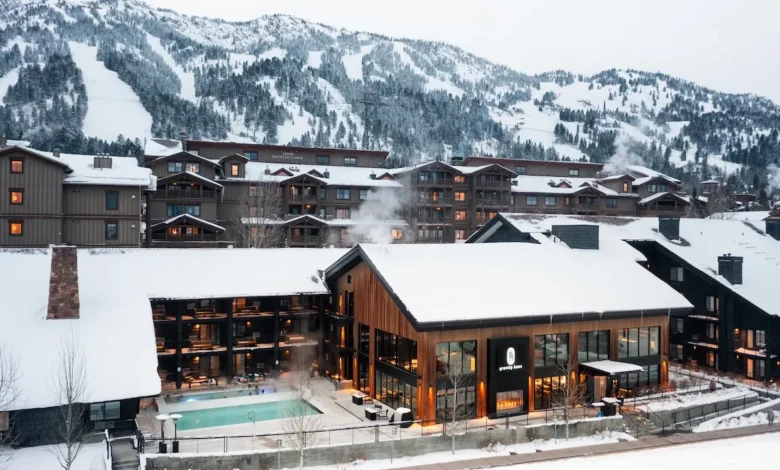
The traditional mountain resort business model has long relied on a simple, seasonal equation: fill hotel rooms during peak ski and summer months, capture ancillary spending on lift tickets and dining, and weather the shoulder seasons when occupancy plummets. However, the modern shift toward hybrid work, flexible lifestyles, and experiential travel has exposed the vulnerabilities of this rigid framework. Enter Gravity Haus, a hospitality and social club hybrid that is rewriting the rules of mountain real estate and community engagement. By reimagining what a resort property can offer to both overnight guests and day-tripping locals, the company is capturing value far beyond the traditional overnight stay.
At the core of this strategy is a redefinition of utility. According to Jim Deters, founder and CEO of Gravity Haus, one of the most revealing illustrations of the company’s value proposition involves a visitor who never actually checks into a hotel room. In a typical scenario, a parent drives up from the Denver metropolitan area early in the morning, drops their children off at a local ski school, and uses a Gravity Haus membership to establish a functional basecamp for the day. Instead of sitting in a car or struggling to find a stable Wi-Fi connection in a crowded coffee shop, the member utilizes the property as a multi-purpose hub: a co-working space to handle morning emails, a gym for a pre-ski workout, a dining venue for lunch, and a comfortable sanctuary to wait out the notoriously congested Interstate 70 ski traffic in the evening before driving back home.
In this scenario, the property integrates seamlessly into the user’s daily routine. More importantly, the business generates diverse revenue streams from an individual who requires zero housekeeping services or overnight accommodations. This operational agility represents a paradigm shift in how mountain destinations can monetize their physical footprints year-round.
Expanding the Footprint Across Western North America
Founded with the vision of making outdoor and mountain living more accessible and integrated with modern professional life, Gravity Haus has steadily expanded its footprint. As of late 2026, the company boasts a portfolio of 13 properties strategically positioned across premier outdoor destinations in the western United States and British Columbia.
These locations are meticulously chosen to cater to active outdoor enthusiasts who balance demanding careers with a passion for skiing, mountain biking, climbing, and hiking. By blending boutique hotel accommodations with modern co-working facilities, fitness centers, curated culinary concepts, and gear rental-and-repair shops, Gravity Haus addresses the friction points typically associated with mountain getaways.
The company’s growth mirrors broader demographic and economic shifts observed over the past half-decade. The acceleration of remote and hybrid work models, catalyzed globally in the early 2020s, unlocked a new class of location-independent professionals. These individuals no longer feel bound to traditional urban office centers for five days a week. Instead, they seek environments that allow them to balance high-level productivity with immediate access to nature and wellness amenities. Gravity Haus positioned itself precisely at the intersection of this lifestyle trend, offering an infrastructure that supports both professional output and athletic pursuits.
The Evolution of Mountain Hospitality
Historically, mountain hospitality was starkly divided into distinct categories: luxury destination resorts targeting affluent vacationers, traditional motels catering to budget-conscious travelers, and private mountain or ski clubs requiring steep initiation fees and offering exclusive, closed-door environments.
Gravity Haus adopts a hybrid approach that democratizes access while maintaining a sense of community and exclusivity. By introducing a membership model that bridges the gap between co-working spaces like WeWork and boutique alpine lodges, the brand appeals to a younger, more dynamic demographic of outdoor enthusiasts—often referred to in the industry as the "modern outdoorist."

Industry analysts note that traditional resort properties suffer from severe asset underutilization. Hotel rooms sit empty during weekdays outside of peak holiday weeks, and common areas generate little revenue when guests are out on the slopes or hiking trails. By activating these spaces with local and regional members who need workspaces, fitness facilities, and social hubs during off-peak hours, Gravity Haus maximizes square-footage productivity.
Furthermore, this membership-driven model builds a resilient recurring revenue stream. While traditional hotels depend heavily on volatile seasonal booking curves, membership dues provide a predictable baseline of income that helps stabilize operations through unpredictable weather years—such as low-snow winters—and shoulder season lulls.
Demographic Shifts and the Rise of the Hybrid Mountain Goer
The success of the Gravity Haus model is deeply tied to changing migration and travel patterns within North America. Over recent years, secondary and tertiary mountain markets in states like Colorado, Utah, Wyoming, and Washington experienced a massive influx of permanent residents and part-time homeowners fleeing major metropolitan areas.
Simultaneously, regional travelers who live within a two-to-four-hour drive of major ski resorts have sought more efficient ways to enjoy the mountains without committing to the exorbitant costs of buying second homes or paying six-figure club initiation fees. For these regional commuters, a membership-based hospitality brand provides a turnkey solution. They gain access to premium locker rooms, high-end fitness classes, secure gear storage, and professional workspaces without the burdens of property maintenance or long-term financial lock-in.
Jim Deters and his leadership team have emphasized that building for the modern outdoor community requires understanding the friction points of mountain recreation. Traffic congestion, lack of parking, inadequate remote work infrastructure, and the logistical nightmare of managing family schedules in alpine environments are major pain points for consumers. By designing properties that act as comprehensive support systems, Gravity Haus alleviates these stressors.
Economic Implications and Future Outlook
The broader implications of the Gravity Haus model point toward a significant evolution in commercial real estate and hospitality development. Real estate developers and hotel operators are increasingly recognizing that single-use assets—such as a purely residential condominium building or a standard transient hotel—are increasingly misaligned with the needs of modern consumers who demand multi-functional spaces.
As the hospitality sector looks toward the late 2020s and beyond, brands that successfully integrate lifestyle, wellness, professional productivity, and experiential travel are expected to outperform traditional operators. For Gravity Haus, the challenge moving forward will lie in scaling its operations without diluting the community-driven ethos that attracted its initial base of members. Maintaining high service standards, managing property inventory across diverse geographic locations, and continuously updating digital infrastructure to support seamless member experiences will be critical benchmarks for success.
Ultimately, the image of a parent using a mountain club as a command center for a day of skiing, working, and family coordination illustrates a fundamental truth about contemporary travel: consumers no longer separate their professional, personal, and recreational lives into neat compartments. By building a business model that honors this holistic lifestyle, Gravity Haus has carved out a distinct and resilient niche in the competitive landscape of mountain hospitality.
Related posts: