Blue Origin Expands New Glenn Rocket Capabilities with New GS3 Third Stage and Northstar Engine Development

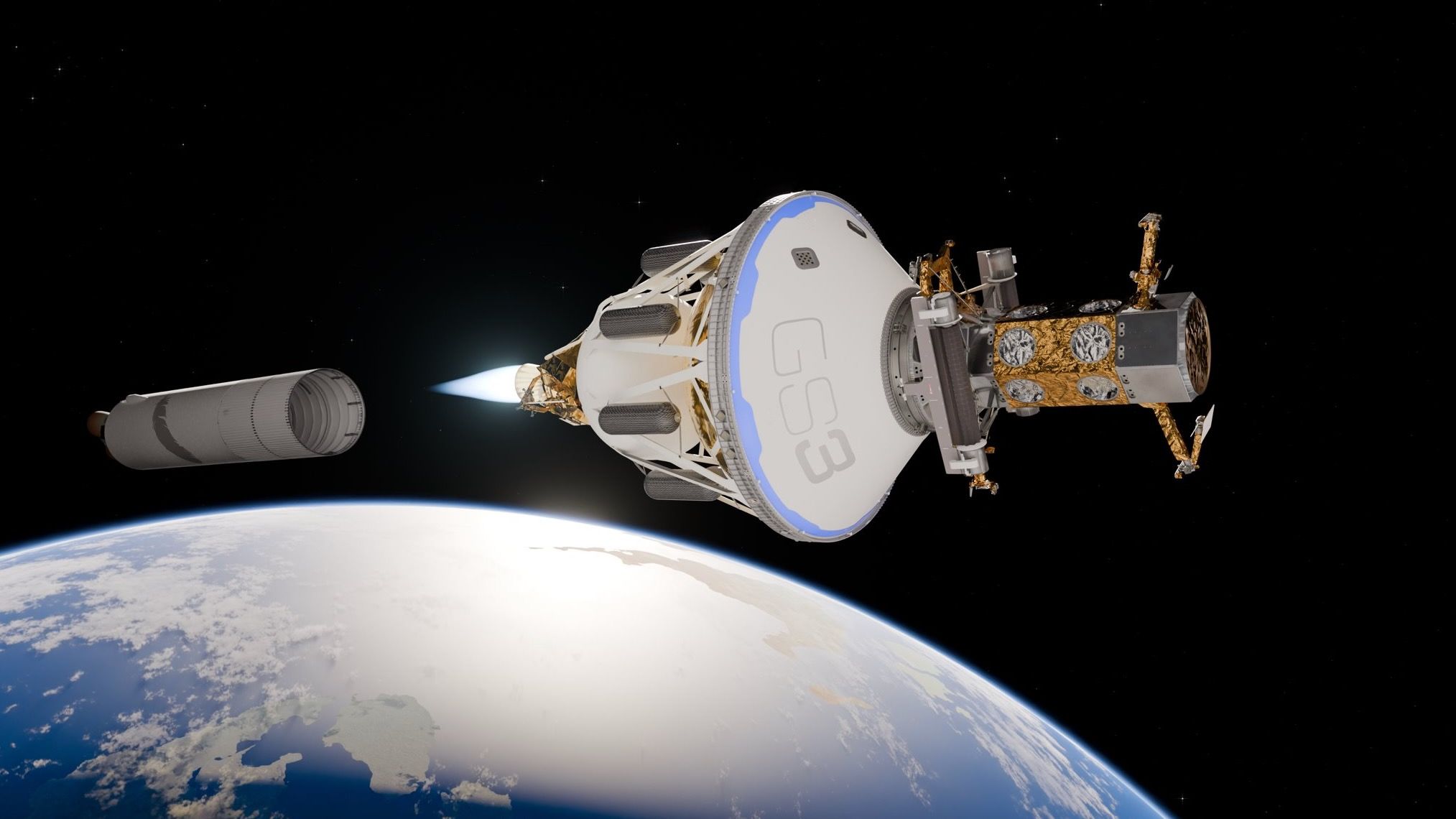
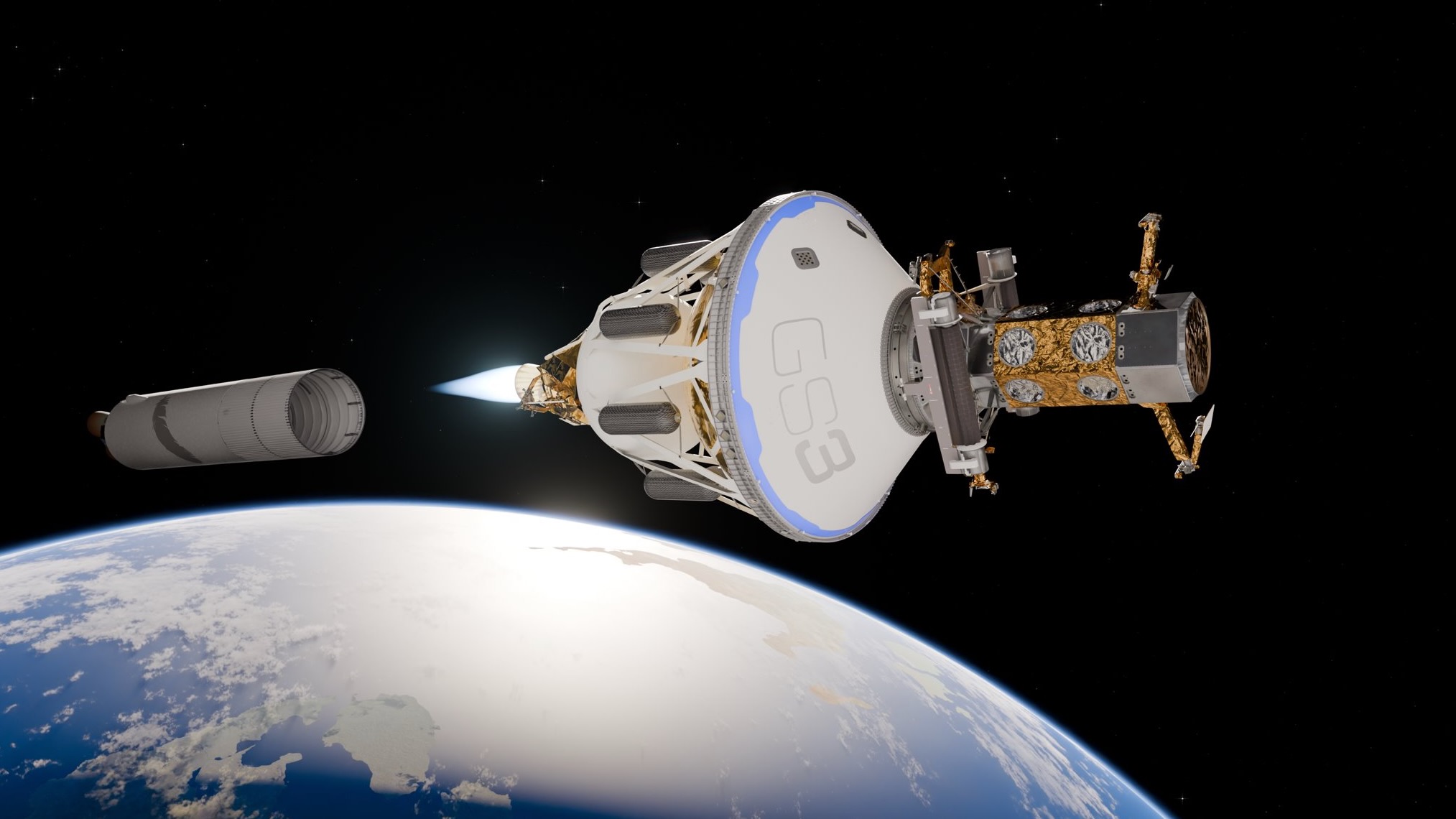
Blue Origin, the aerospace company founded by Jeff Bezos, has officially announced a significant expansion to its heavy-lift launch architecture, confirming the development of a third-stage module designated as GS3 for its New Glenn rocket. This strategic addition, revealed on November 5, is designed to enhance the vehicle’s versatility, providing deeper access to high-energy orbits and cislunar space. Alongside the reveal of the GS3, the company also unveiled the "Northstar," a high-performance engine intended to improve the efficiency and manufacturing speed of its first-stage boosters. These developments mark a pivotal shift for Blue Origin as it transitions from initial launch testing to a more mature phase of operational capability.
The GS3 third stage is engineered to transform New Glenn into a more capable deep-space workhorse. By incorporating this additional stage, the rocket will be better positioned to perform direct-injection missions to geostationary orbit (GEO) and support complex, heavy-lift logistics for science and exploration missions, including those targeting the Moon and beyond. According to company officials, the GS3 will utilize the BE-7 engine—the same propulsion technology developed for Blue Origin’s Blue Moon lunar lander. This synergy between the launch vehicle and the landing architecture underscores a long-term goal of fostering a robust economic and scientific presence in the Earth-moon neighborhood.
Technical Evolution of the New Glenn Architecture
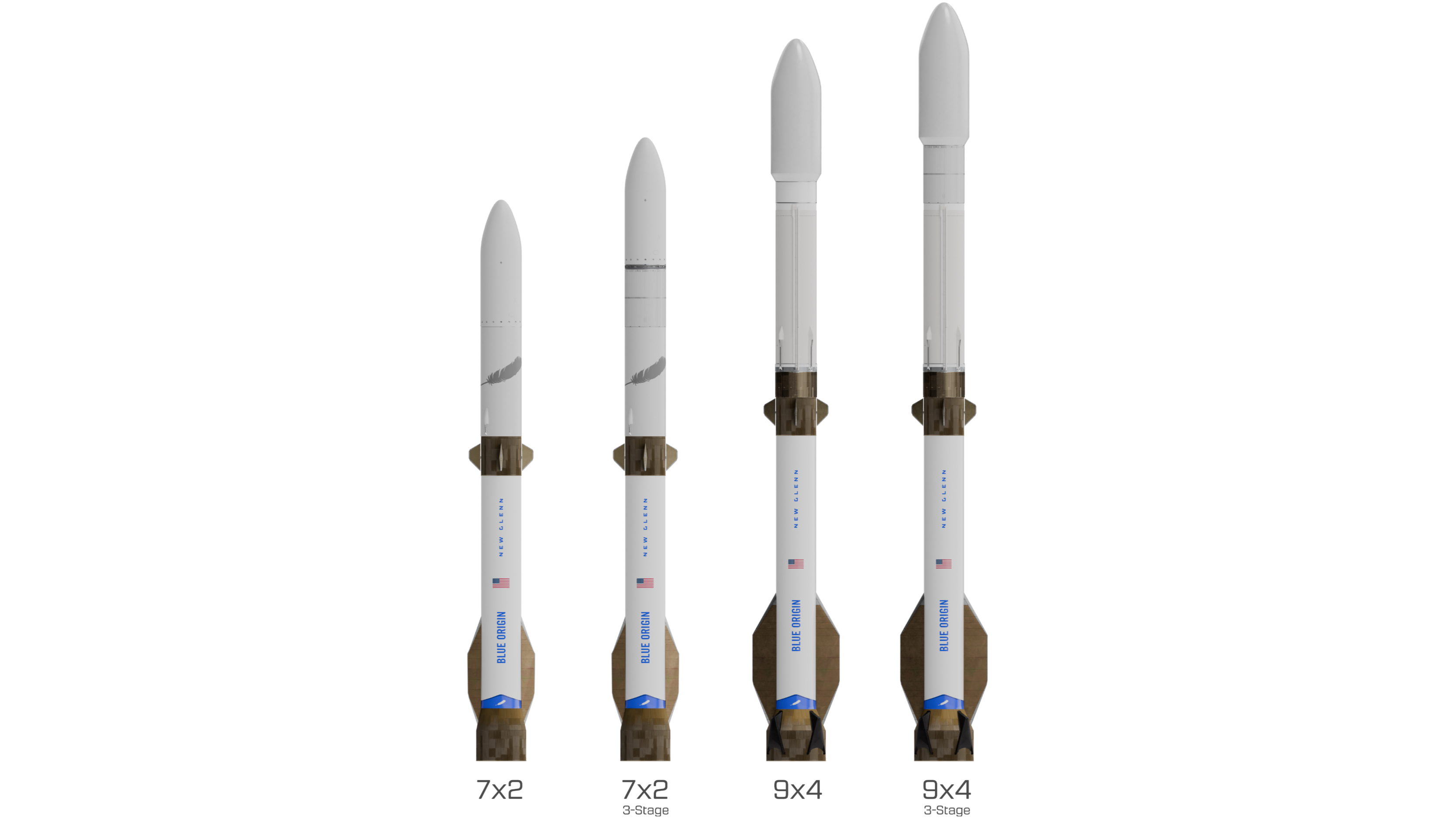
New Glenn was originally conceived as a two-stage, heavy-lift vehicle, but the aerospace industry’s increasing demand for direct-to-GEO deployment and deep-space transit has necessitated a more flexible approach. The standard configuration, referred to as the "7×2" variant, utilizes seven BE-4 engines on the first stage and two BE-3U engines on the second stage. This iteration has already demonstrated significant lift capacity, capable of delivering 14.3 tons (13 metric tons) to geostationary transfer orbit (GTO) and approximately 50 tons (45 metric tons) to low Earth orbit (LEO).
However, to accommodate heavier payloads and more demanding mission profiles, Blue Origin previously announced a "9×4" super-heavy variant. This iteration scales up the power plant to nine BE-4 engines on the first stage and four BE-3Us on the upper stage. The 9×4 variant, standing at nearly 400 feet (122 meters) tall, is projected to increase lift capacity to 77 tons (70 metric tons) to LEO. The introduction of the GS3 stage adds a third layer of configuration, allowing the rocket to act as a precision instrument for specialized missions that require high-energy maneuvers after leaving the initial launch phase.
A Chronology of Progress and Challenges
The development of the GS3 and the Northstar engine comes at a critical juncture in the New Glenn flight test program. Since the rocket’s debut in January 2025, the vehicle has undergone a series of high-stakes flight tests. While the program has achieved significant milestones, it has also encountered the inevitable hurdles associated with testing massive, complex launch systems.
The flight history of New Glenn includes three launches to date, all utilizing the 7×2 configuration. The maiden flight occurred in early 2025, providing essential data on the rocket’s flight dynamics. A second flight followed in November 2025, which saw the successful recovery of the first-stage booster, a core component of Blue Origin’s reusability strategy. The third flight, occurring on April 19, encountered a significant failure regarding payload delivery, as the AST SpaceMobile BlueBird 7 satellite was placed into an incorrect orbit and was subsequently lost.
Following this, on May 28, the program suffered a setback during a ground-based engine test at Cape Canaveral Space Force Station. The incident resulted in an explosion on the launch pad, necessitating a comprehensive reconstruction effort. These events have not slowed the company’s long-term planning, however. Blue Origin has been working diligently to rebuild its launch infrastructure at the Cape, incorporating design improvements intended to increase both safety and throughput for future missions. The fact that development on the GS3 continued throughout the post-explosion recovery period suggests that the company is maintaining an aggressive parallel-development schedule.
The Northstar Engine: A Leap in Manufacturing Efficiency
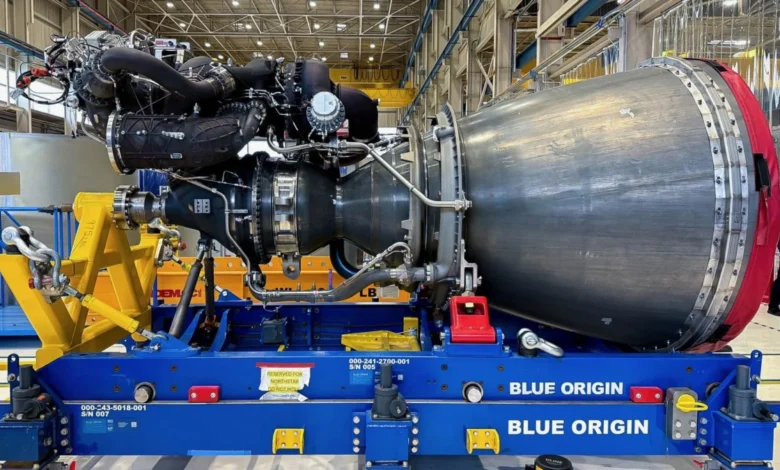
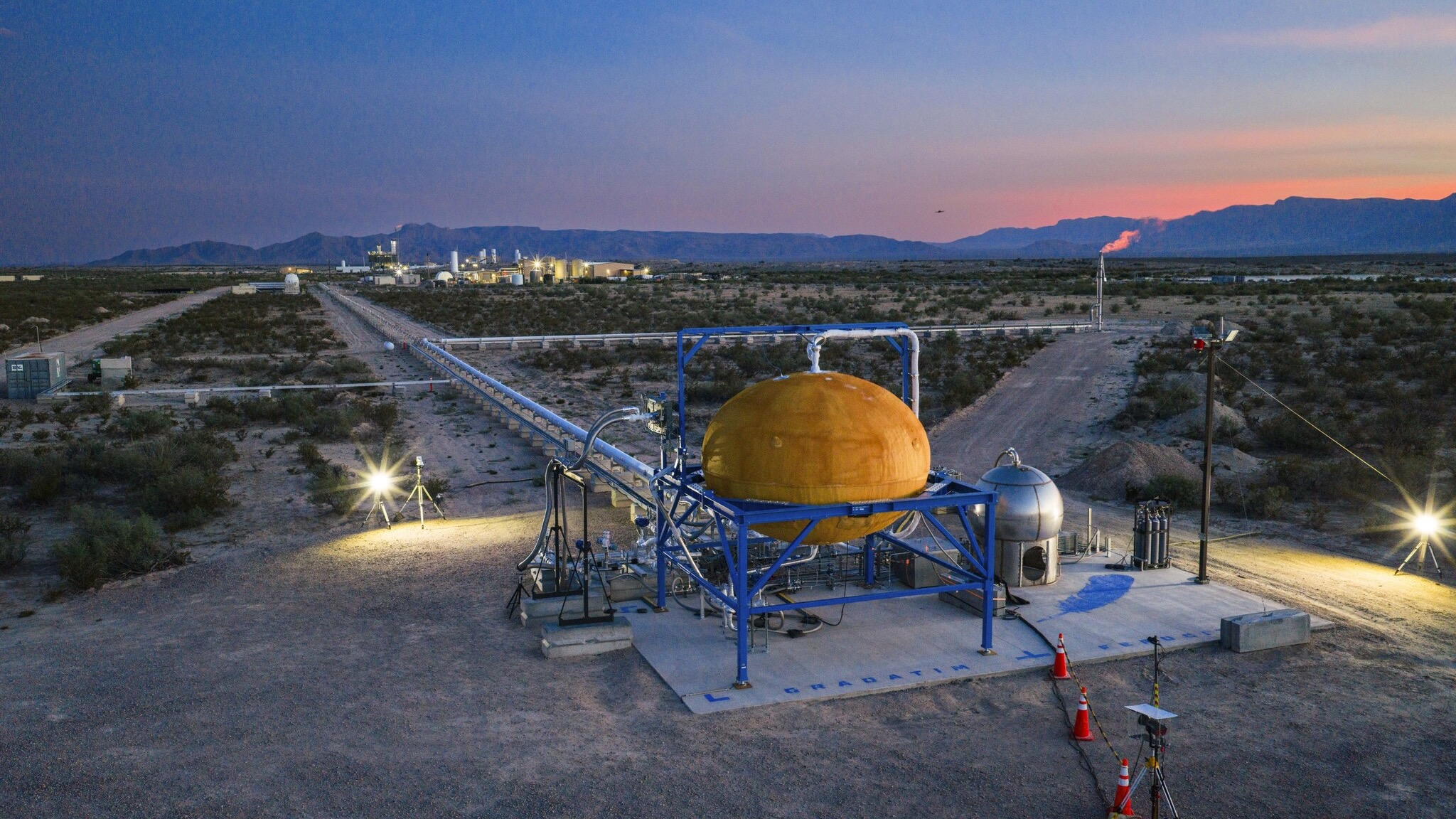
In addition to the GS3, the announcement of the "Northstar" engine represents a significant technological leap in propulsion. As a first-stage engine, Northstar will continue to utilize the methalox (liquid oxygen and liquid methane) propellant cycle that has become the industry standard for next-generation, reusable boosters. While the BE-4 has been the backbone of New Glenn’s lift, Northstar is described as being both more powerful and significantly more streamlined.
The data provided by Blue Origin indicates that Northstar produces 715,000 pounds-force of thrust, an increase over the 640,000 pounds-force produced by the BE-4. Beyond pure power, the engine is designed for mass efficiency and ease of production. With a 30% reduction in overall mass and a 50% reduction in parts count, the engine is optimized for the rigors of rapid, high-frequency reusability. Most importantly, the company reports that manufacturing advancements have shortened the assembly time for each engine to under a day—a metric that, if sustained, would drastically lower the cost-per-launch for the New Glenn system. The program moved from initial approval to development testing in a mere 11 months, reflecting a high-velocity engineering culture.
Strategic Implications for Space Exploration
The introduction of the GS3 module is not merely a technical upgrade; it is a signal of Blue Origin’s intent to compete for high-value government and commercial contracts. By providing "direct-to-TLI" (trans-lunar injection) capability, the GS3 allows payloads to bypass the need for additional orbital tugs or secondary propulsion systems, thereby reducing transit times and allowing missions to reserve more propellant for activities once they reach the lunar vicinity.
Industry analysts have noted that the ability to offer a "full-stack" solution—from heavy-lift launch to lunar landing—places Blue Origin in a unique position relative to other commercial launch providers. While SpaceX has effectively utilized its Starship vehicle to dominate the heavy-lift market, the GS3-equipped New Glenn offers a different set of trade-offs, potentially appealing to mission planners who require a specific payload envelope or a different orbital precision profile.
The demand for such services is already manifesting. Blue Origin confirmed that an unnamed government customer has already secured a launch reservation for a GS3-equipped mission to cislunar space, with a target date of 2028. This early commitment from a government entity serves as a strong validation of the new stage’s utility and suggests that the company’s vision for a permanent lunar economy is gaining traction among stakeholders.
Conclusion and Future Outlook
As Blue Origin prepares for the fourth flight of the New Glenn rocket later this year, the organization finds itself balancing the immediate need for reliable launch operations with the long-term goal of expanding its technological footprint. The integration of the GS3 third stage and the ongoing development of the Northstar engine are indicative of a company that is shifting its focus toward high-cadence, high-capability space transport.
The transition from a two-stage rocket to a modular system capable of supporting deep-space missions represents a significant maturation of the New Glenn program. While the challenges of the past year—specifically the launch failure and the pad incident—have tested the program’s resolve, the continued investment in new hardware suggests a high level of confidence from both internal leadership and external partners. As the company works toward its 2028 goals, the success of the upcoming fourth flight will be the most critical indicator of how these new systems will integrate into the broader landscape of modern space exploration. The industry will be watching closely to see if the increased complexity of the GS3 can be managed with the same level of reliability that the company aims for with its primary launch operations.
Related posts: