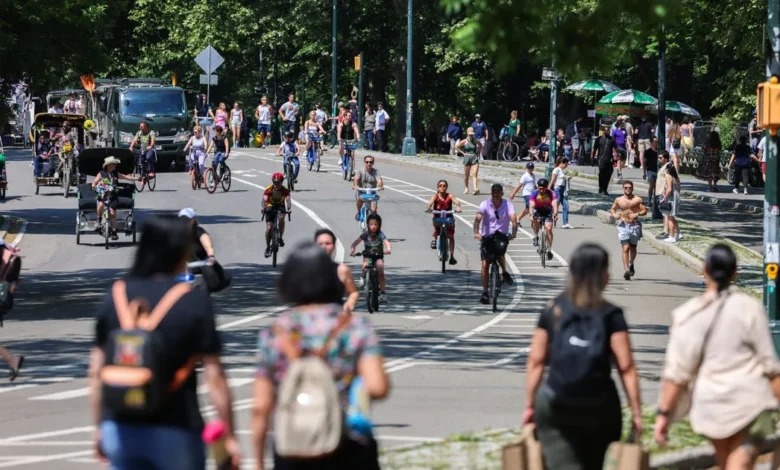
The six-mile loop of Central Park Drive, a historic artery once designed for leisurely carriage rides, has evolved into an increasingly hazardous corridor where the friction between diverse user groups has reached a critical breaking point. Following a string of fatal collisions involving pedestrians, cyclists, and unleashed animals, the debate over how to manage New York City’s most iconic public space has intensified. As the city grapples with the modern reality of high-speed e-bikes and a surge in micro-mobility devices, the fundamental design of the park’s roadway is being questioned by urban planners, safety advocates, and city officials alike.
A Pattern of Tragic Incidents
The recent surge in fatalities highlights the volatility of the park’s traffic patterns. On September 23, 2026, a tragic collision occurred on the park’s East Drive near 84th Street. Richie O’Brien, a local steamfitter, was maneuvering his bicycle across the roadway when he was struck by another cyclist. The injuries sustained in the incident proved fatal.
This tragedy was compounded less than two weeks later when a separate, equally harrowing event occurred in the same vicinity. A 71-year-old cyclist, startled by a dog that had darted onto the pavement, lost control of their vehicle after braking abruptly. The rider was thrown over the handlebars and subsequently died from the resulting injuries. These incidents are not isolated; they mirror a broader trend of accidents that have plagued the drive for years. In June 2025, Salvador Nico-Garcia was killed on the East Drive near 97th Street after being ejected from his e-bike during a collision with a pedestrian, a site that remains a dangerous focal point for high-velocity encounters.
The Evolution of the Drive
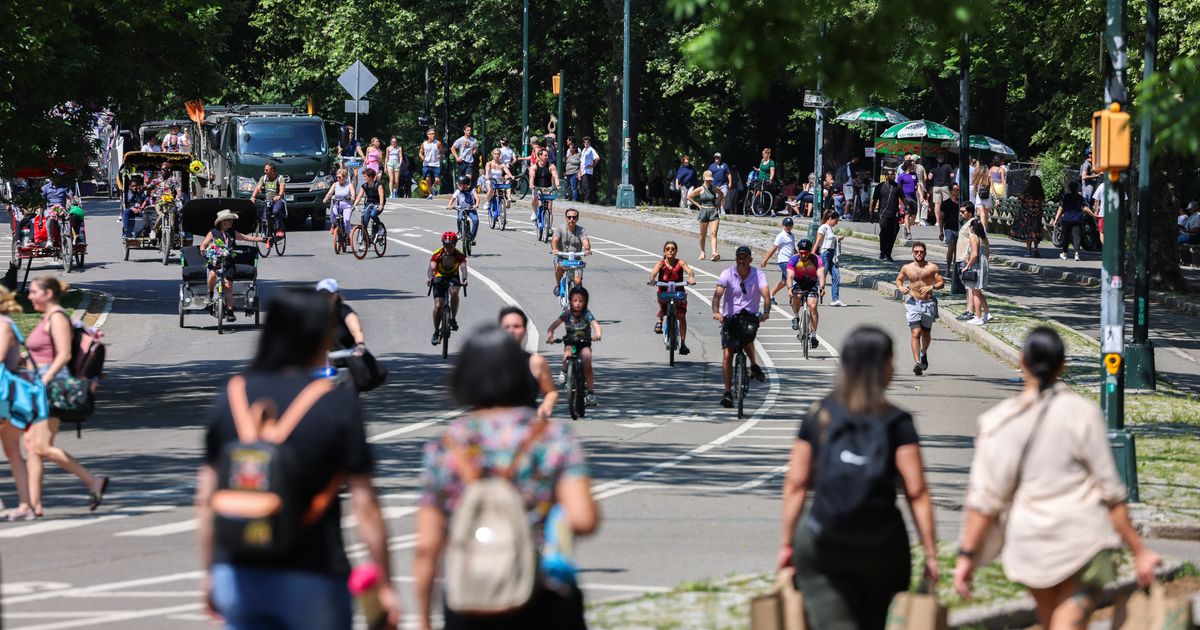
To understand the current crisis, one must look at the historical trajectory of Central Park Drive. Originally intended for horse-drawn carriages, the roadway was later repurposed to accommodate automobiles before the city moved to prohibit motorized traffic on the loop. However, the vacuum left by cars has been filled by a heterogeneous mix of users: professional-grade road cyclists training at speeds often exceeding 20 miles per hour, commuters on high-torque electric bicycles, delivery workers, casual families, and pedestrians navigating crosswalks.
The inherent conflict arises from the geometric design of the road itself. Wide lanes, long straightaways, and sweeping curves encourage momentum, creating an environment that favors speed over safety. When road racers, who treat the park as a velodrome, share space with tourists who may be unfamiliar with traffic flow or local customs, the potential for catastrophic failure increases exponentially.
Data and Regulatory Failures
Despite the implementation of several safety measures, current data suggests that the initiatives taken by the New York City Department of Transportation (DOT) and the Central Park Conservancy have been largely reactive. The 2024 "Safety and Circulation Study," while comprehensive, resulted in relatively modest changes, such as the repainting of crosswalks and the installation of "Look!" signage on the pavement.
Critics argue that these measures do not address the root cause of the danger: the speed of the vehicles. A proposal to lower the speed limit on the drive from 20 mph to 15 mph was challenged and ultimately stalled in court, leaving the 20-mph threshold as the legal, albeit frequently ignored, limit. Meanwhile, enforcement remains inconsistent. While the NYPD does issue tickets for traffic violations, the frequency of enforcement is often criticized as insufficient given the volume of users on the drive.
The Role of Delivery Infrastructure
A significant factor in the escalating danger is the integration of gig-economy delivery services into the park’s traffic flow. The reliance on app-based food delivery has incentivized speed and efficiency above all else. Many delivery riders, operating under intense economic pressure and the fear of professional or legal repercussions, often utilize the park as a shortcut to bypass city street congestion.
This demographic faces its own set of challenges, including limited access to protected lanes and, at times, precarious legal status. The Mamdani administration has faced pressure to address the "delivery economy" through systematic regulation rather than simply targeting individual riders. Proposals for a "Department of Sustainable Delivery" were intended to bring order to this sector by 2028, but recent budgetary and administrative shifts have seen these plans significantly scaled back.
Comparative Urban Models
Urban planners are increasingly looking toward international models to resolve the conflict between park safety and high-speed transit. Cities such as London have successfully utilized "traffic calming" techniques in green spaces, including the installation of granite rumble strips to force cyclists to decelerate, the implementation of raised pedestrian crosswalks, and the creation of "snaking" paths that break up long, straight sections of road.
Similarly, Amsterdam’s recent decision to ban fat-tire bikes from Vondelpark serves as a case study in the efficacy of targeted restrictions on specific types of hardware that are deemed inherently dangerous in crowded environments. The argument for such measures in New York is gaining traction, though it faces stiff opposition from cycling advocacy groups who prioritize the park’s role as a recreational circuit for serious athletes.
Implications for Urban Policy
The implications of these fatalities extend far beyond the borders of Central Park. The park has historically served as a proxy for the city’s broader traffic safety culture. If the city cannot guarantee the safety of pedestrians in a space where cars have been removed, the feasibility of Vision Zero—the city’s ambitious initiative to eliminate traffic fatalities—is called into question.
For many New Yorkers, particularly seniors and families with children, the park has become a source of anxiety rather than a sanctuary. According to city safety statistics, individuals over the age of 65 make up a disproportionate percentage of pedestrian fatalities in New York. The inability to safely cross the drive effectively bars a significant portion of the population from fully enjoying the public realm.
Moving Forward: The Case for Slowness
The consensus among urban design experts is that the "geometry of the drive" must be fundamentally altered to prioritize safety. This involves a shift from purely regulatory enforcement to structural design changes. Suggestions include:
- Narrowing of Lanes: Deliberately constricting the roadway at high-traffic intervals to force natural speed reductions.
- Vertical Diverters: Installing speed humps or physical barriers that cannot be easily bypassed by cyclists or e-scooters.
- Segmented Circulation: Designing zones that force distinct separation between high-speed cycling and pedestrian traffic.
While these interventions may be viewed as an inconvenience by those who utilize the park for high-speed exercise, the mounting toll of injuries and deaths suggests that the era of the "unimpeded" drive has come to an end. The city is now at a crossroads: it must decide whether to continue with a policy of reactive, low-impact signage or to commit to a more radical redesign that accepts that, in the heart of a dense urban environment, the most essential function of public space is the protection of its users.
The urgency is palpable. As legal battles over bike registration and speed limits continue, the physical danger to the public remains. Without a decisive change in infrastructure, the "chaotic swarm" described by critics of the current system will continue to dominate the park’s landscape. The next phase of Central Park’s history will likely be defined by whether the city chooses to prioritize the velocity of its commuters or the safety of its citizens. The evidence, written in the tragic history of the past two years, suggests that the status quo is no longer sustainable.