New ‘Star Trek: The Original Voyages’ book traces the stellar legacy of the bold sci-fi brand

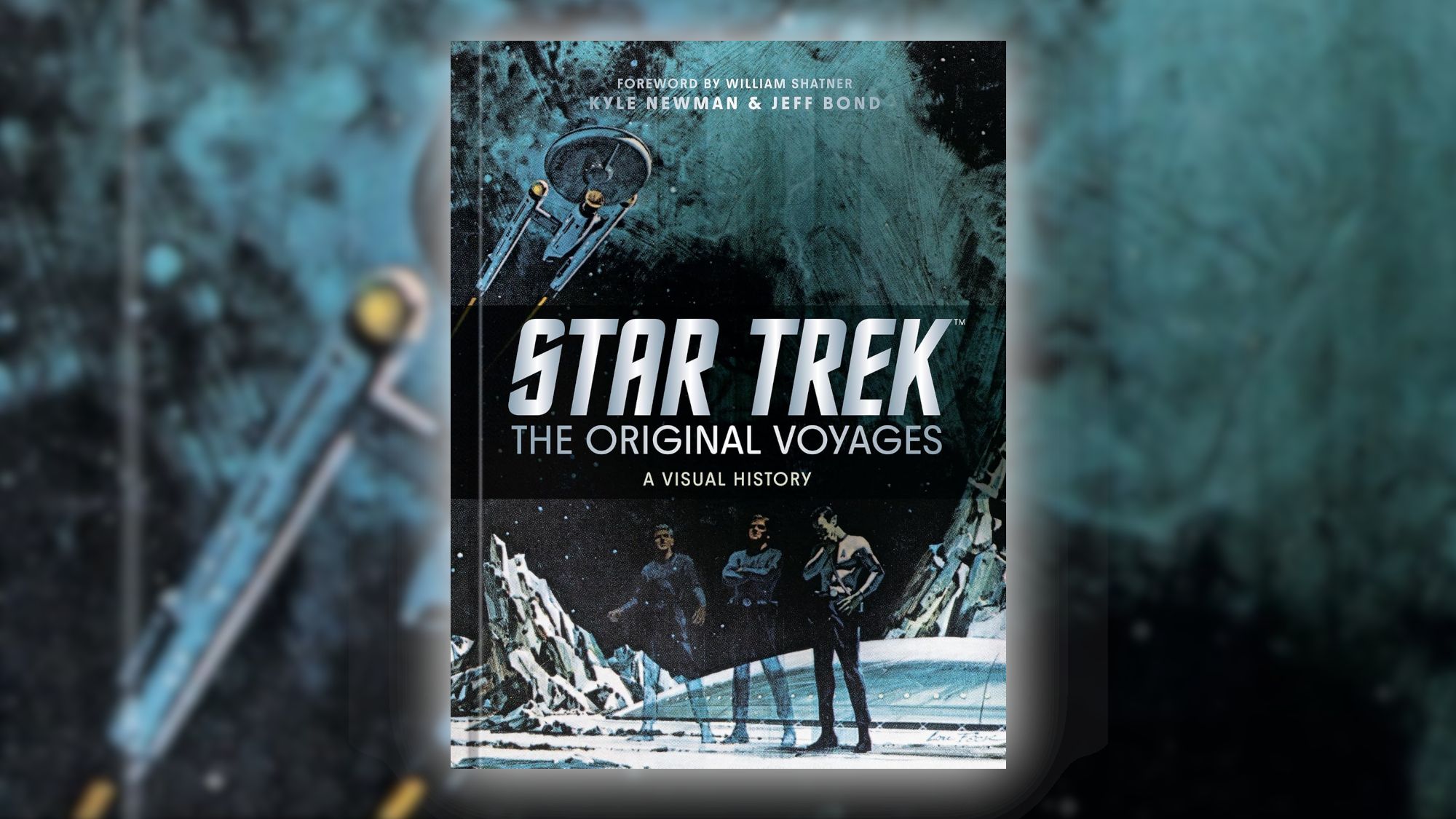
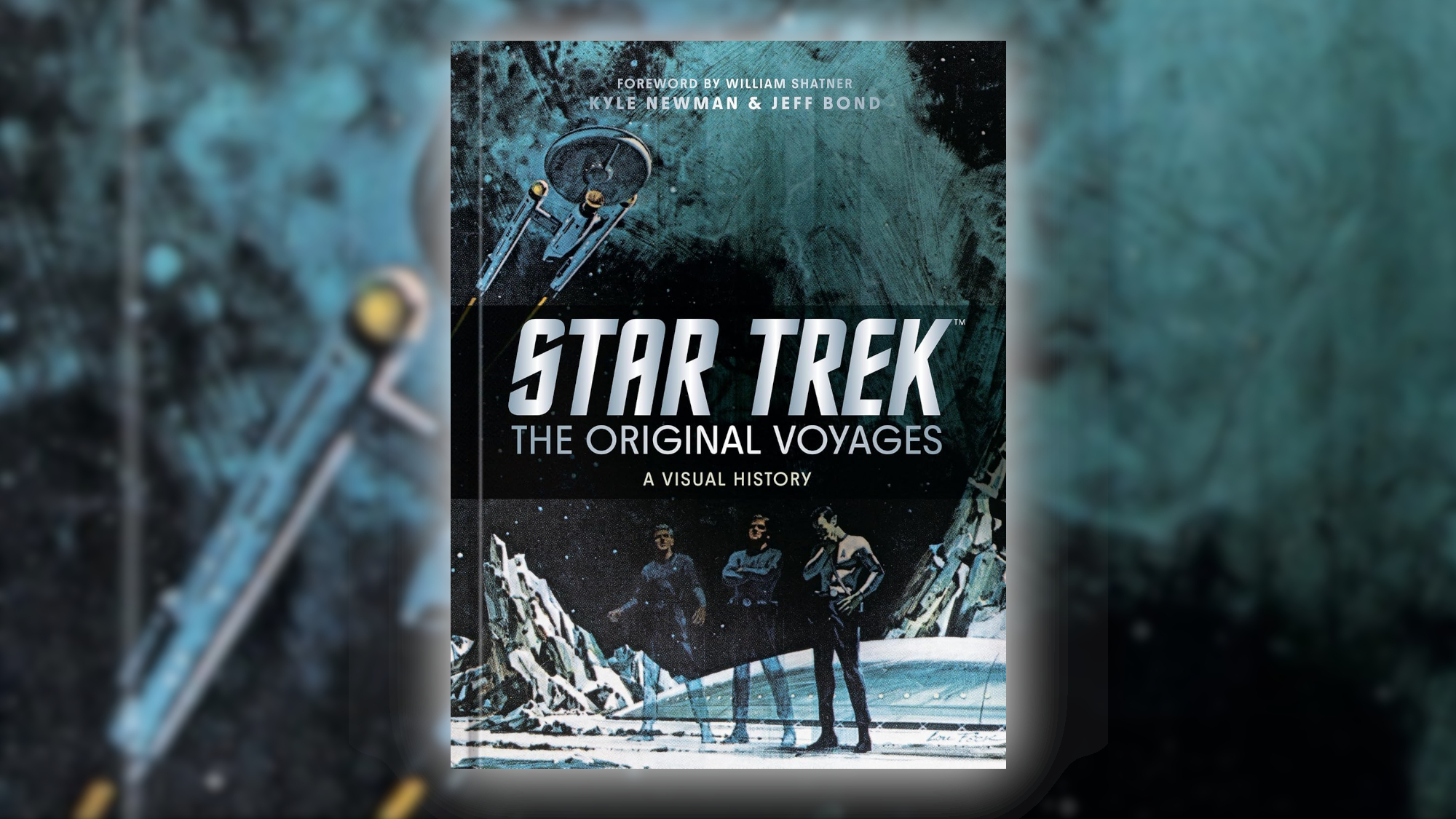
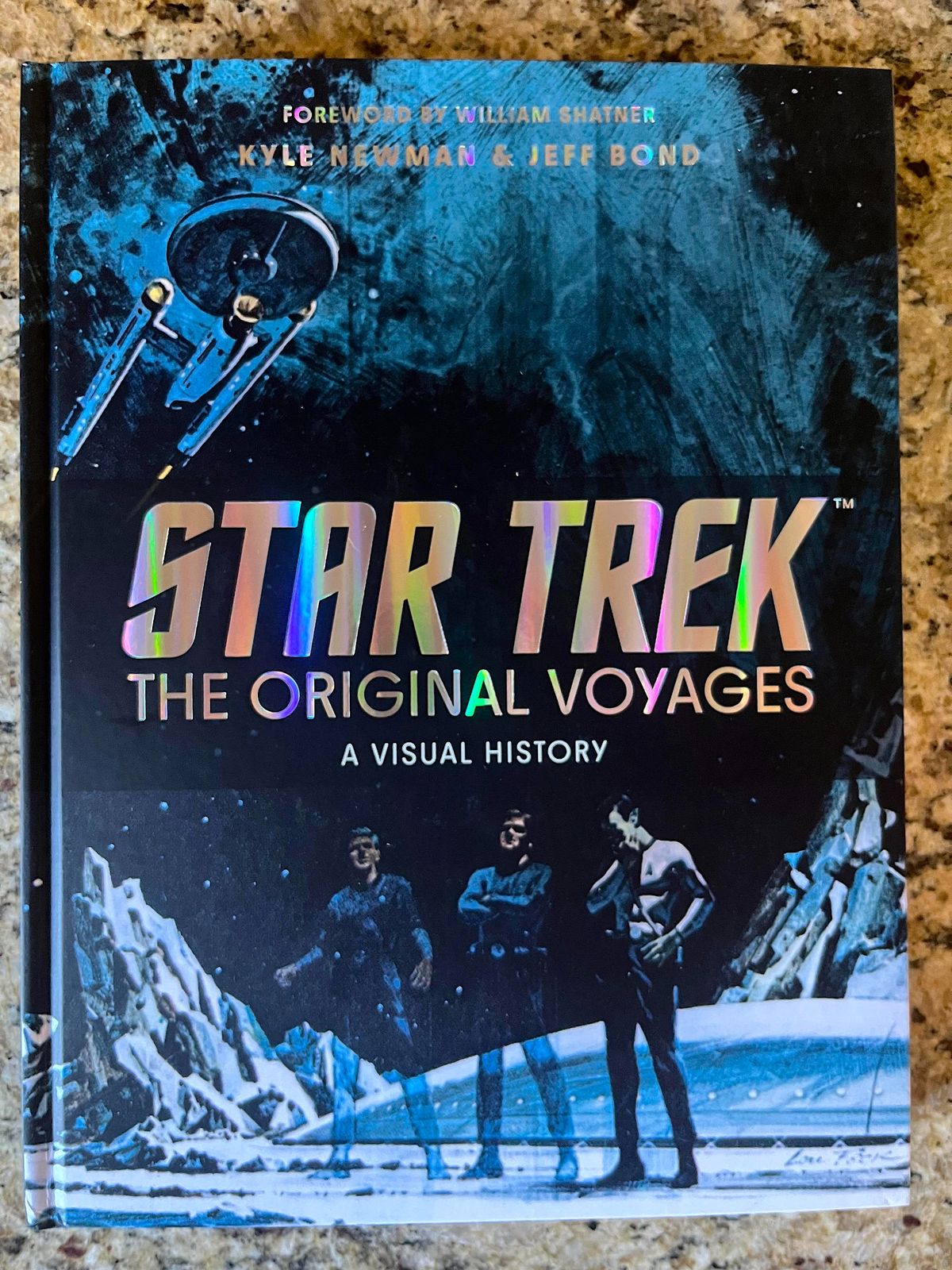
The enduring legacy of the Star Trek franchise, which officially celebrated its 60th anniversary on September 8, 2026, continues to expand its literary footprint with the upcoming release of Star Trek: The Original Voyages: A Visual History. Published by Penguin Random House under the Ten Speed Press imprint, this comprehensive 416-page hardback volume is scheduled for release on November 10, 2026. The book, authored by industry veterans Kyle Newman and Jeff Bond, serves as an ambitious retrospective designed to chronicle the genesis and global influence of the pioneering space-fantasy television series that fundamentally altered the trajectory of science fiction in popular culture.
A Legacy Spanning Six Decades
When Gene Roddenberry’s vision of a hopeful, technologically advanced future first premiered on NBC in 1966, the landscape of television was drastically different. While the series struggled with initial ratings, resulting in a modest three-season run totaling 79 episodes, it ignited an intellectual and cultural fervor that persisted long after its cancellation in 1969. The subsequent years saw the show transition from a cult classic to a multibillion-dollar global phenomenon, spawning a vast array of spinoff series, major motion pictures, and a dedicated fan base known as Trekkies, whose commitment to the franchise has influenced everything from space exploration discourse to modern social movements.
The release of this new volume comes on the heels of a month-long celebration in September 2026, which featured high-profile commemorative events. These included nationwide theatrical screenings of remastered episodes, documentaries featuring original cast members like William Shatner, and public tributes that highlighted the show’s role in inspiring generations of engineers, scientists, and astronauts. The publication of The Original Voyages is intended to serve as the definitive archival record of this initial era, covering the original series, the subsequent animated television project, and the six original-cast feature films that concluded with 1991’s Star Trek VI: The Undiscovered Country.
Inside the Collector’s Edition
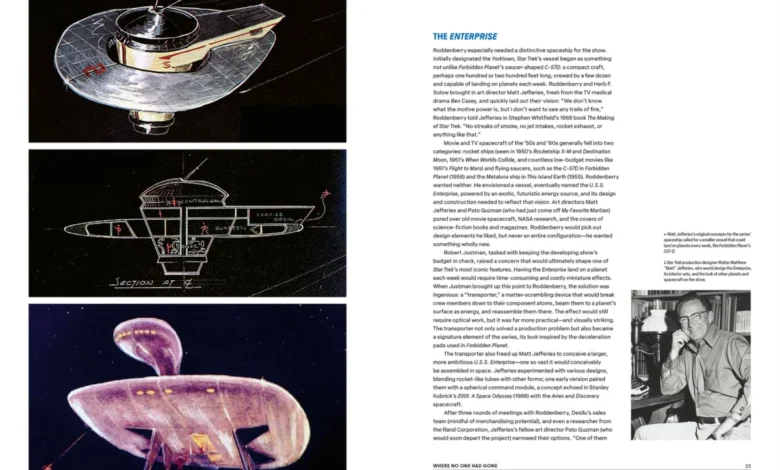
The book is structured as the first half of a two-volume series, focusing exclusively on the "Original Era." The editorial approach taken by Newman and Bond emphasizes a visual-first experience. Readers can expect an exhaustive collection of behind-the-scenes ephemera, including rare archival photography, original production storyboards, costume schematics, and detailed documentation of the practical props and filming models that gave the U.S.S. Enterprise its iconic aesthetic.
Beyond the technical aspects of television production, the book provides a socio-cultural analysis of how the series bridged the gap between fiction and reality. The synopsis emphasizes the contribution of the core cast—Shatner, Leonard Nimoy, DeForest Kelley, James Doohan, Nichelle Nichols, Walter Koenig, and George Takei—and their interplay with Roddenberry’s vision. Furthermore, the volume explores the ancillary market that helped sustain the brand during its lean years, including vintage comic books, licensed toys, trading cards, and convention memorabilia that formed the foundation of modern fan culture.
Contextualizing the Space Race Era
To understand the cultural weight of the upcoming publication, one must look at the historical context of the mid-1960s. The original Star Trek series coincided with the height of the Cold War and the burgeoning Space Race between the United States and the Soviet Union. By presenting a future where humanity had moved past terrestrial conflict to explore the cosmos as a collaborative federation, the show provided a counter-narrative to the anxieties of the atomic age.
Data from media historians suggests that Star Trek was unique in its ability to capture the zeitgeist of technological optimism. The series’ inclusion of a diverse, multicultural bridge crew—a radical decision for 1966 television—is now widely cited as a major step forward for civil rights representation in media. The book aims to document these milestones, offering not just a catalog of production notes, but a history of the show’s impact on civil rights, gender dynamics, and scientific literacy.
Market Implications and Collector Interest
The publication of a high-end, 416-page hardback in the digital age signals a robust market for physical, "coffee table" style media. Publishers have noted an upward trend in demand for "prestige" books that provide depth beyond what is available on streaming services or online databases. By partnering with Ten Speed Press, a publisher known for its high-quality visual production, the franchise is targeting both the aging demographic that grew up with the 1966 broadcast and a younger generation of fans drawn to the retro-aesthetic of the 1960s and 70s.
Industry analysts observe that this release is part of a broader strategy to solidify the intellectual property of the original Star Trek era as a "heritage brand." As television continues to shift toward serialized, high-budget streaming models, there is a renewed interest in the "roots" of the genre. The book’s focus on the transition from the animated series to the successful film franchise provides a roadmap for how a failed TV show was resurrected by fan demand—a template that is still studied by television executives today.
A Chronology of the Original Voyages
The narrative arc of the book is expected to follow a logical progression, starting with the development of the pilot episode "The Cage" and moving through:
- The Production Era (1964–1966): The design of the Enterprise, the casting process, and the struggle to get the show greenlit by network executives who were initially skeptical of its "brainy" science fiction premise.
- The Broadcast Era (1966–1969): A detailed look at the 79 episodes, the changing cast dynamics, and the constant battle against cancellation.
- The Dormant Years and Resurgence (1970s): The impact of syndication, the creation of the animated series, and the early rise of the fan convention circuit.
- The Cinematic Era (1979–1991): A comprehensive examination of the transition to the silver screen, beginning with Star Trek: The Motion Picture and culminating in the swan song of the original crew in The Undiscovered Country.
Expert Perspectives and Significance
"The story of the U.S.S. Enterprise and her crew is extraordinary, not just because of the science fiction elements, but because of the real-world history that surrounded it," notes the publisher’s promotional material. While the book avoids excessive speculation, it provides a grounded account of the tensions on set and the creative compromises that often led to the most memorable moments in the series.
The authors, Newman and Bond, have utilized their extensive backgrounds in film history and pop-culture journalism to curate a collection that avoids the "recycled" trivia often found in unauthorized biographies. By securing access to official archival material, the book promises to clear up long-standing myths regarding production costs, set designs, and the specific contributions of the unsung heroes of the production crew, including costume designers, make-up artists, and special effects technicians who pioneered techniques still used today.
The Broader Impact
As the world marks the start of the seventh decade of Star Trek, the publication of this volume serves as a punctuation mark on the franchise’s history. It acknowledges that while Star Trek has expanded into dozens of new iterations, the foundation laid in the 1960s remains the "North Star" for the brand.
For the contemporary reader, the book acts as a time capsule. It invites a re-evaluation of the themes that made the show timeless: the search for identity, the importance of diplomacy, and the fundamental belief that the future is something to be built rather than feared. As the physical book lands in retailers on November 10, it will likely be viewed as a essential reference point for students of television history and fans alike, capturing a singular moment in time when a television show dared to suggest that the final frontier was not a place to be conquered, but a place to be explored.
With its detailed appendices and high-fidelity reproductions of rare documents, Star Trek: The Original Voyages represents a significant investment in the preservation of pop-culture history. It ensures that the creative spirit of the "Great Bird of the Galaxy," Gene Roddenberry, remains accessible and documented for the next sixty years of exploration.