Navigating the Crowded Skies: How American Express Travel is Redefining the Airport Lounge Experience

The modern global traveler faces a paradox of convenience and congestion, nowhere more acutely felt than at the threshold of the airport lounge. Once quiet, exclusive sanctuaries reserved for elite frequent flyers and first-class ticket holders, airport lounges have transformed into bustling hubs of activity, frequently defined by long queues, capacity controls, and a struggle for seating. This dramatic shift is the direct result of co-branded credit card expansion, premium loyalty programs, and a post-pandemic surge in global mobility. As demand reaches unprecedented heights, the industry is grappling with a fundamental question: How can operators expand access without diluting the premium, tranquil experience that travelers expect?
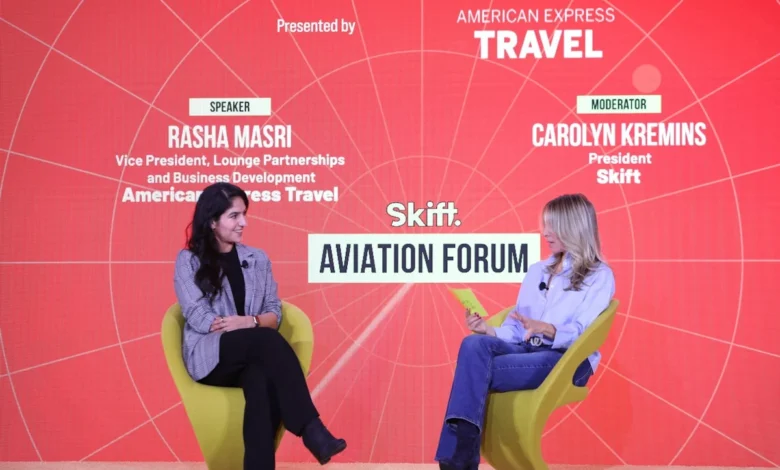
This critical tension took center stage at the Skift Aviation Forum, where industry leaders gathered to dissect the evolving landscape of air travel. Among the prominent voices addressing the crisis of popularity was Rasha Masri, Vice President of Lounge Partnerships and Business Development at American Express Travel. In a conversation moderated by Skift President Carolyn Kremins, Masri outlined a comprehensive blueprint designed to reconcile the competing demands of mass exclusivity and operational sustainability. The strategy relies on a multi-pronged approach that marries physical expansion with innovative digital tools and diversified hospitality concepts, signaling a new chapter in airport infrastructure management.
The Genesis of the Lounge Bottleneck: A Historical Chronology
To understand the current state of airport lounges, one must examine the evolution of premium travel over the past two decades. In the early 2000s, airport lounges were primarily managed by legacy airlines and strictly tied to cabin class or elite status tiers. These spaces operated at a comfortable equilibrium, rarely reaching capacity outside of peak bank hours.
The turning point arrived in the late 2000s and accelerated through the 2010s with the rise of premium credit card ecosystems. Financial institutions recognized that lounge access was the ultimate value proposition for high-net-worth consumers and frequent travelers. Cards featuring comprehensive network access transformed the demographic profile of lounge visitors. Suddenly, millions of consumers held the key to spaces that were historically built to handle a fraction of that volume.
The COVID-19 pandemic introduced a volatile chapter to this timeline. Between 2020 and 2021, global air travel ground to a halt, and lounges operated under strict social distancing and reduced capacity mandates. However, the subsequent "revenge travel" boom of 2022 and 2023 unleashed pent-up consumer demand on a global scale. Airports experienced historic passenger throughput volumes, and lounge networks bore the brunt of the influx. By 2024 and moving into 2025, the industry shifted from a recovery mindset to structural transformation. Operators could no longer rely on temporary fixes; they needed architectural, operational, and technological solutions to manage the crowds permanently.
Balancing Exclusivity with Accessibility
Addressing the delicate balance between demand and exclusivity, Masri emphasized that the modern traveler’s definition of value has evolved. While exclusivity remains a cornerstone of the premium travel experience, accessibility has become equally paramount for cardmembers who view lounge access as an expected utility rather than a rare perk.
To resolve this friction, American Express Travel and other industry stakeholders are deploying a nuanced real estate and service strategy. According to Masri, the solution is not a one-size-fits-all model, but rather a diversified portfolio of physical spaces tailored to different behavioral patterns and time constraints.
At the forefront of this strategy is the expansion of footprint sizes for flagship locations. Major international hubs, which serve as critical transit arteries, are seeing massive capital investments aimed at doubling or even tripling existing lounge square footage. These expanded

flagships incorporate distinct zones—such as quiet work pods, family-friendly areas, wellness rooms, and full-service dining spaces—allowing diverse cohorts of travelers to coexist without compromising the overall atmosphere.
Micro-Concepts and Alternative Hospitality Formats
Beyond massive flagship lounges, Masri highlighted an emerging trend toward smaller, highly targeted hospitality concepts. Recognizing that not every traveler has hours to spend over a multi-course buffet or a sit-down meal, operators are designing micro-lounges, grab-and-go digital kiosks, and specialized pop-up refreshment stations.
These alternative formats serve a dual purpose. First, they alleviate the burden on main terminal lounges by intercepting travelers who simply want a quick coffee, a healthy snack, or a quiet place to take a brief phone call before boarding. Second, they optimize terminal space usage, fitting into footprint constraints where building a traditional, full-scale lounge would be impossible due to architectural or spatial limitations.
By dispersing passenger traffic across a wider array of touchpoints, operators can maintain a calmer, more controlled environment within their core premium locations. This segmentation marks a departure from traditional lounge design, moving toward a dynamic, ecosystem-based approach to airport hospitality.
The Digital Frontier: Managing Flow Through Technology
Physical real estate alone cannot solve the capacity crunch. In an era where digital-first solutions dictate consumer expectations, technology has emerged as a vital instrument for managing airport lounge density.
During the Skift Aviation Forum discussion, the integration of digital access tools was underscored as a critical pillar for the future. Advanced app-based features are transforming how travelers interact with lounge networks. Real-time capacity trackers, digital waitlists, and mobile check-in functionalities allow cardmembers to gauge crowding levels before even arriving at the lounge doors.
Furthermore, predictive analytics and artificial intelligence are increasingly being utilized by operators to forecast peak congestion times based on flight schedules, historical data, and seasonal trends. By providing transparent information to consumers, operators can help travelers plan their pre-flight routines more effectively. If a flagship lounge is operating at maximum capacity, the digital ecosystem can seamlessly direct the guest to an alternative lounge nearby or offer a curated voucher for an airport partner restaurant.
This digital orchestration reduces friction, minimizes disappointment, and enhances overall customer satisfaction. It transforms the lounge visit from a stressful exercise in queueing into a predictable, manageable part of the journey.
Industry Implications and the Broader Economic Context

The strategic shifts outlined by American Express Travel reflect broader economic and structural changes within the aviation and financial sectors. Co-branded credit card portfolios remain a fiercely competitive battleground for financial institutions, with lounge access serving as a primary differentiator. As banks vie for affluent consumers, the pressure to maintain and enhance these lifestyle benefits intensifies.
However, this commercial reality comes with significant operational hurdles. Airport real estate is notoriously difficult to acquire and expensive to develop. Security regulations, construction constraints within active terminals, and supply chain complexities mean that opening a new lounge can take years of planning and execution. Consequently, operators must maximize the efficiency of every square foot they control.
Airlines, too, are watching these developments closely. While proprietary airline lounges continue to serve as loyalty anchors for carrier-specific frequent flyers, independent lounge networks operated by financial institutions have shifted the competitive dynamics of the airport ecosystem. Partnerships between credit card companies, airport authorities, and independent lounge management groups are becoming standard operating procedure, fostering a collaborative approach to terminal development.
Looking Ahead: What to Watch in Airport Hospitality
As the aviation sector continues to adapt to permanently elevated travel volumes, several key trends will shape the future of airport lounges over the coming years.
First, the integration of biometric identification and frictionless entry systems will likely accelerate. Streamlining the check-in process reduces physical bottlenecks at the reception desk, ensuring a smoother flow of guests entering the space.
Second, sustainability and wellness are expected to play a central role in future lounge designs. Modern travelers increasingly prioritize health-conscious dining options, biophilic design elements that incorporate natural light and greenery, and environmentally responsible operational practices, such as food waste reduction and energy-efficient architecture.
Finally, the democratization of premium travel will continue to test the ingenuity of operators. As more consumers gain access to lounge networks through various financial products, the industry must continuously innovate to preserve the elusive quality of exclusivity. Whether through tiered access models, reservation systems, or hyper-personalized service offerings, the ability to balance scale with sophistication will define the industry leaders of tomorrow.
The conversation at the Skift Aviation Forum made one thing abundantly clear: the traditional airport lounge is undergoing a profound metamorphosis. Through strategic expansion, creative micro-hospitality, and sophisticated digital tools, operators are laying the groundwork for a more resilient, responsive, and refined airport experience. For the millions of travelers navigating the skies, these innovations promise a future where the journey through the terminal is just as seamless and rewarding as the flight itself.
Related posts: